The Ali İhsan Göğüş Museum and Gaziantep Research Centre is Gaziantep's first biography museum, set in an Antep house in the city's historic Bey Neighbourhood. The venue brings together the life, personal belongings and ministry years of the Gaziantep-born journalist and politician Ali İhsan Göğüş, Türkiye's first Minister of Tourism and Information; under the same roof it also houses a research centre that gathers books and documents about the city. The house was purchased by Göğüş's daughter and, restored by the Gaziantep Metropolitan Municipality, opened to visitors in 2014.
The museum is built on a life story rather than a collection of masterpieces: instead of a single object, it brings together the belongings, photographs and furniture of a man's political and private life in order to convey an era. This article covers the story of the house and the museum, the layout of its rooms, the role of the research centre and a discovery guide for visitors. To consider it alongside the city's other specialist museums, the Museums of Gaziantep page is a good starting point.
The Building, Its Founding and the Bey Neighbourhood
The museum sits in a traditional Antep house in the Bey Neighbourhood, one of Gaziantep's oldest settlement areas. The structure is a two-storey dwelling with a single courtyard; with its cut-stone workmanship, stone arches and inner courtyard, it is an example of the region's classic house architecture. The house was purchased by Göğüş's daughter, the journalist and writer Zeynep Göğüş, and then comprehensively restored by the Gaziantep Metropolitan Municipality.
Organised in cooperation between the municipality and Zeynep Göğüş in order to honour the name of Türkiye's first Minister of Tourism and Information, the museum opened on 8 February 2014 — a date chosen to coincide with the 93rd anniversary of the granting of the "Gazi" title to Gaziantep. Thus a house within the city's historic fabric became a cultural space holding both a person's life and research about the city itself.
Born in Gaziantep in 1923, Ali İhsan Göğüş moved from journalism into politics. He represented Gaziantep in parliament across the 12th, 13th and 14th terms (1961–1973) and served as Türkiye's first Minister of Tourism and Information in the coalition government of 1963–1965. That post was a pioneering step in making tourism a state policy in Türkiye through a dedicated ministry.
Sections You Must See
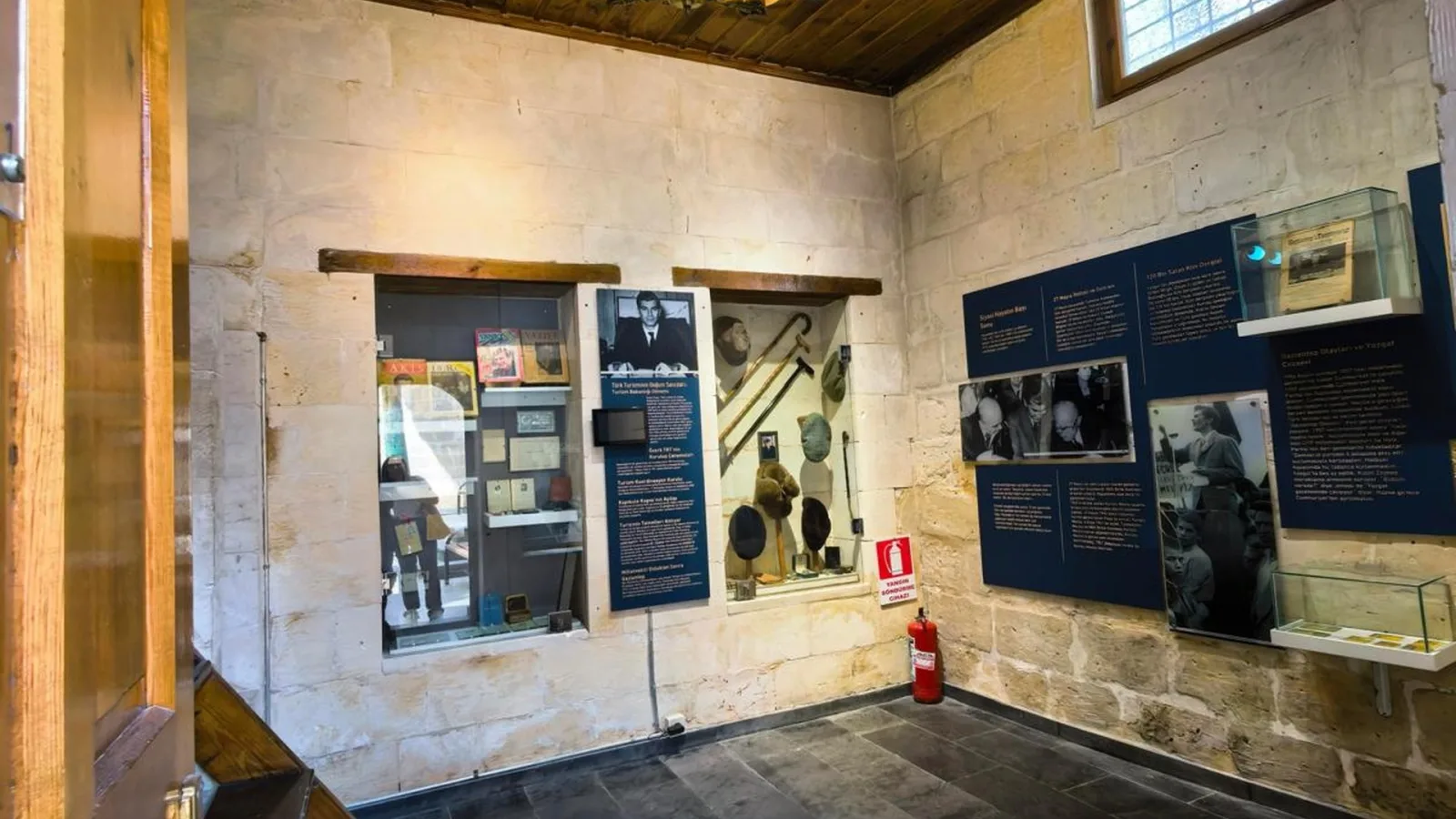
The rooms on the ground floor are devoted to the museum section, while the upper floor is given over to the research centre and exhibits. The display divides Göğüş's political and private life into rooms that complement one another.
Political Life and Personal Belongings
The first room is devoted to Ali İhsan Göğüş's political life and his personal belongings. Documents, plaques and objects he used during his years as a deputy and minister are displayed here. This section tells, through tangible objects, the journey of a journalist into politics and from there to Türkiye's first ministry of tourism.
Family, Military Service and a Story of How They Met
The second room focuses on Göğüş's family life and his younger years. Photographs from his military service, family snapshots and images recounting how he met his wife Nezahat Alemdar are gathered in this section. These rooms make visible the private person behind the public official's formal identity.
The Ministry-Era Salon
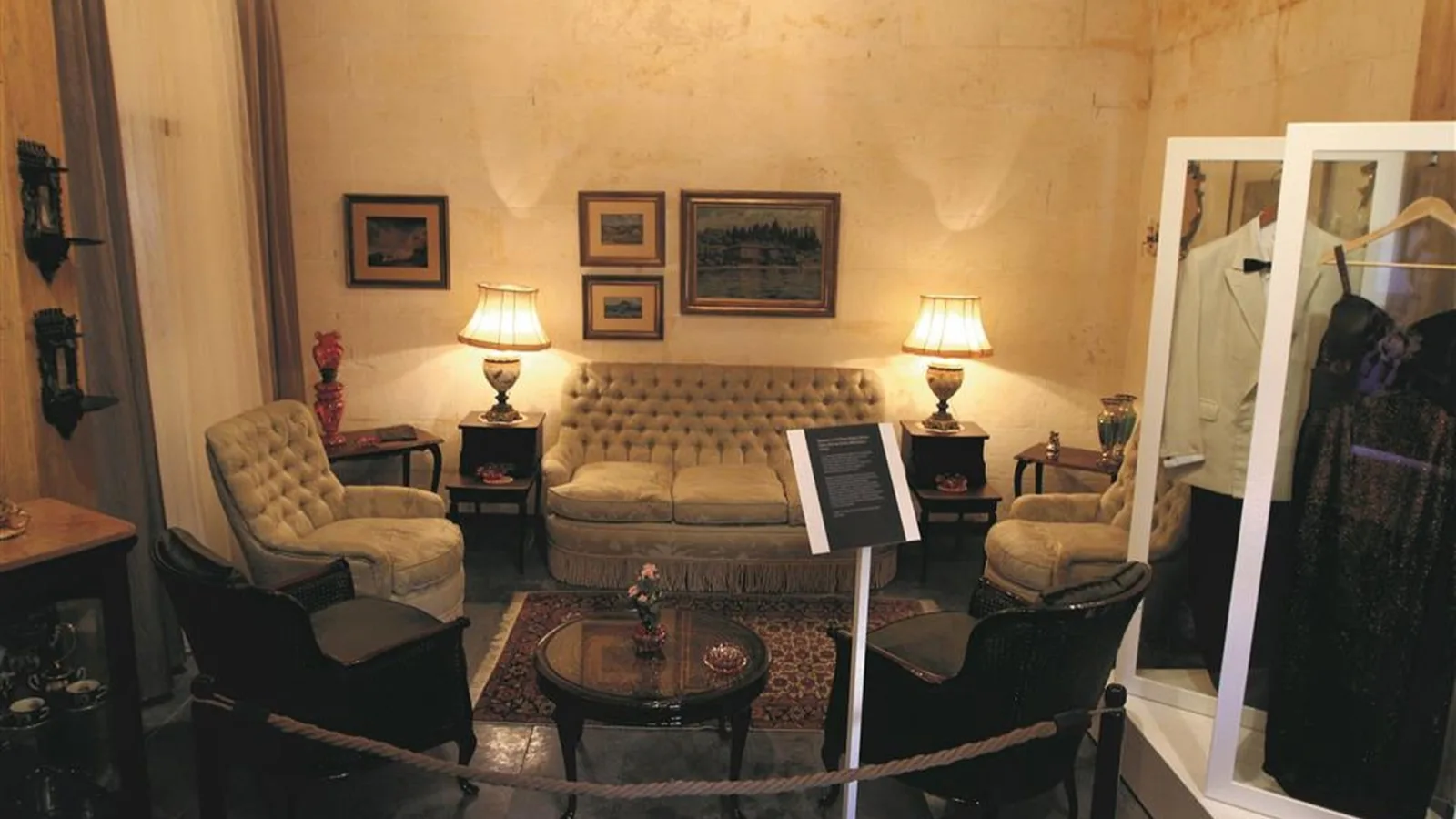
The museum's most distinctive corner is the section where the salon of the house Göğüş rented during his years as Minister of Tourism and Information (1963–1965) has been reconstructed with its original furniture and accessories. Carrying the period's furnishings just as they were, this re-creation takes the visitor back to the capital of the early 1960s, into the working and living environment of a minister.
The Gaziantep Research Centre
What carries the museum beyond being merely a biography venue is the Gaziantep Research Centre housed on its upper floor. At its core are the books from Ali İhsan Göğüş's personal library. The centre aims to bring together sources and documents about the city in a study space open to researchers, and at the same time to be a place where oral history records are archived.
Through this function the museum does not merely display objects from the past; it becomes a living institution that protects and produces the city's memory. Because of its position overlooking the historic character of the Bey Neighbourhood, the building's terrace floor is laid out as a café, where visitors can round off their tour with a view across the neighbourhood's rooftops.
A Visitor's Discovery Guide
- Read the rooms in sequence: The political life, the family and the ministry-era salon form a complementary narrative; touring the rooms in order lets you follow one man's journey from journalism to the first ministry of tourism.
- Give the ministry salon time: The salon reconstructed with original furniture is the museum's most distinctive corner; pause here to read the atmosphere of the early 1960s in detail.
- Tour the house itself: The stonework and courtyard of the two-storey, single-courtyard Antep house are as noteworthy as the objects on display; the building itself is also an exhibit.
- Match it to the Bey Neighbourhood: By touring the museum together with the historic mansions and narrow streets around it you can map out a neighbourhood route; from the terrace floor you can see the neighbourhood's fabric from above.
Summary and Cultural Value
The Ali İhsan Göğüş Museum and Gaziantep Research Centre is a place that turns a historic Antep house into both a life story and the city's memory. As Gaziantep's first biography museum, it tells the political and private life of Türkiye's first Minister of Tourism and Information through his personal belongings, photographs and ministry-era furniture. With the research centre on its upper floor, it does not merely display the past but becomes an institution that preserves the city's sources and oral history. The transformation of a house within the historic fabric of the Bey Neighbourhood into such a layered cultural space is a fine example of Gaziantep's tradition of giving its historic buildings new uses. To read the city's history and the Atatürk era together, the Atatürk and Gaziantep page is a complementary resource.
Frequently Asked Questions
When did the Ali İhsan Göğüş Museum open?
The historic Antep house in the Bey Neighbourhood was purchased by Göğüş's daughter Zeynep Göğüş, restored by the Gaziantep Metropolitan Municipality, and opened to visitors on 8 February 2014.
Who was Ali İhsan Göğüş?
He was a journalist and politician born in Gaziantep in 1923. He represented Gaziantep in parliament across the 12th, 13th and 14th terms (1961–1973) and served as Türkiye's first Minister of Tourism and Information in 1963–1965.
What is on display in the museum?
Göğüş's political life and personal belongings, family and military-service photographs, images recounting how he met his wife Nezahat Alemdar, and the salon of the house he lived in as minister, reconstructed with its original furniture.
What is the Gaziantep Research Centre?
It is the section on the museum's upper floor. It holds books from Ali İhsan Göğüş's personal library, opens sources about the city to researchers, and aims to archive oral history records.
Where is the museum?
It is located in the Bey Neighbourhood, in the historic centre of Gaziantep.