Gaziantep cuisine's fame is hidden in its raw materials before its dishes. What defines the layers of a baklava, the texture of a köfte, the tang of a meze are the fundamental products grown in this soil and worked by methods handed down across generations. From Antep Pistachio to sumac, from pepper paste to sun-dried vegetables, every product on this page holds a TÜRKPATENT geographical indication.
These raw materials do not belong to a single dish; most are the common denominator of dozens of different plates. Antep bulgur is the base of both köfte and pilaf; sumac, unripe-grape sour and pomegranate molasses bring tartness to many a meze and salad; sun-dried vegetables become winter dolma. Below we have gathered Gaziantep's registered raw materials under five headings; from each product's own page you can read its history, geographic origin and the dishes it appears in.
Pistachio, Grains & Pulses
The core products that give the city's cuisine its body: the world-famous pistachio and the grains that form the base of köfte.
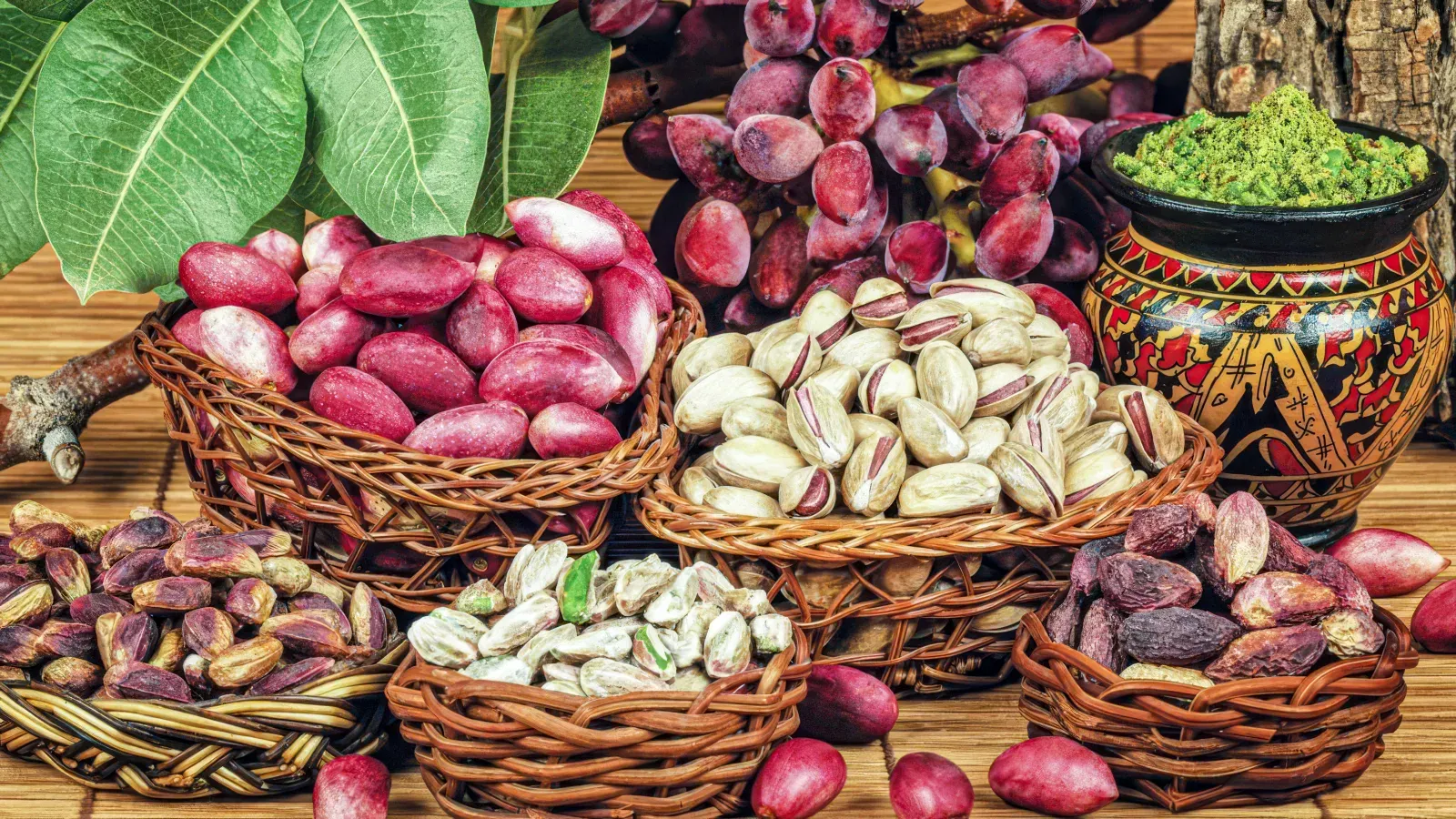
Gaziantep's world-famous green pistachio; the foundation of baklava, katmer, pistachio paste and many a kebab. (Designation of Origin, No 27)
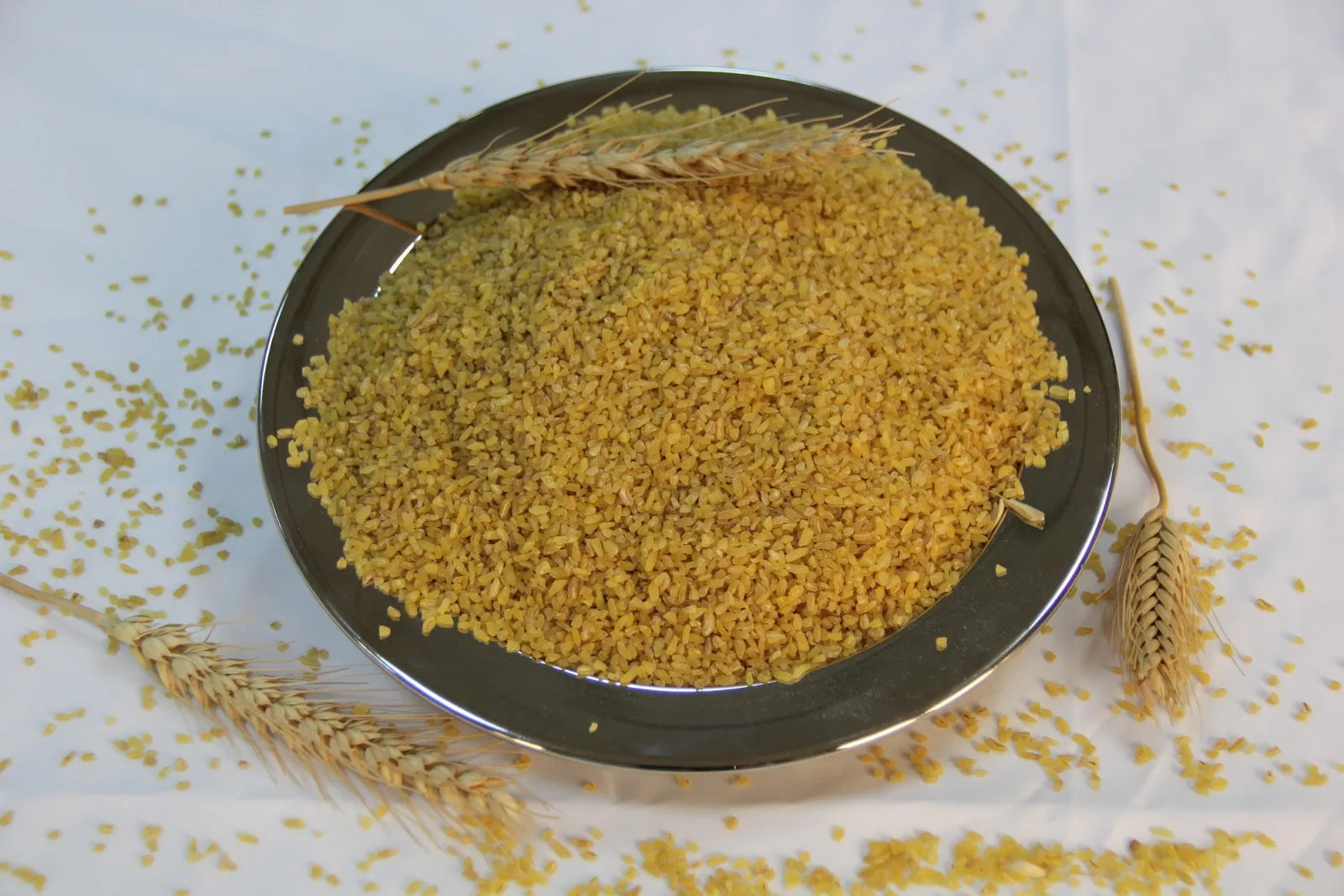
Stone-milled cracked wheat, the indispensable grain of köfte and pilaf. (Geographical Indication / mark of source, No 289)
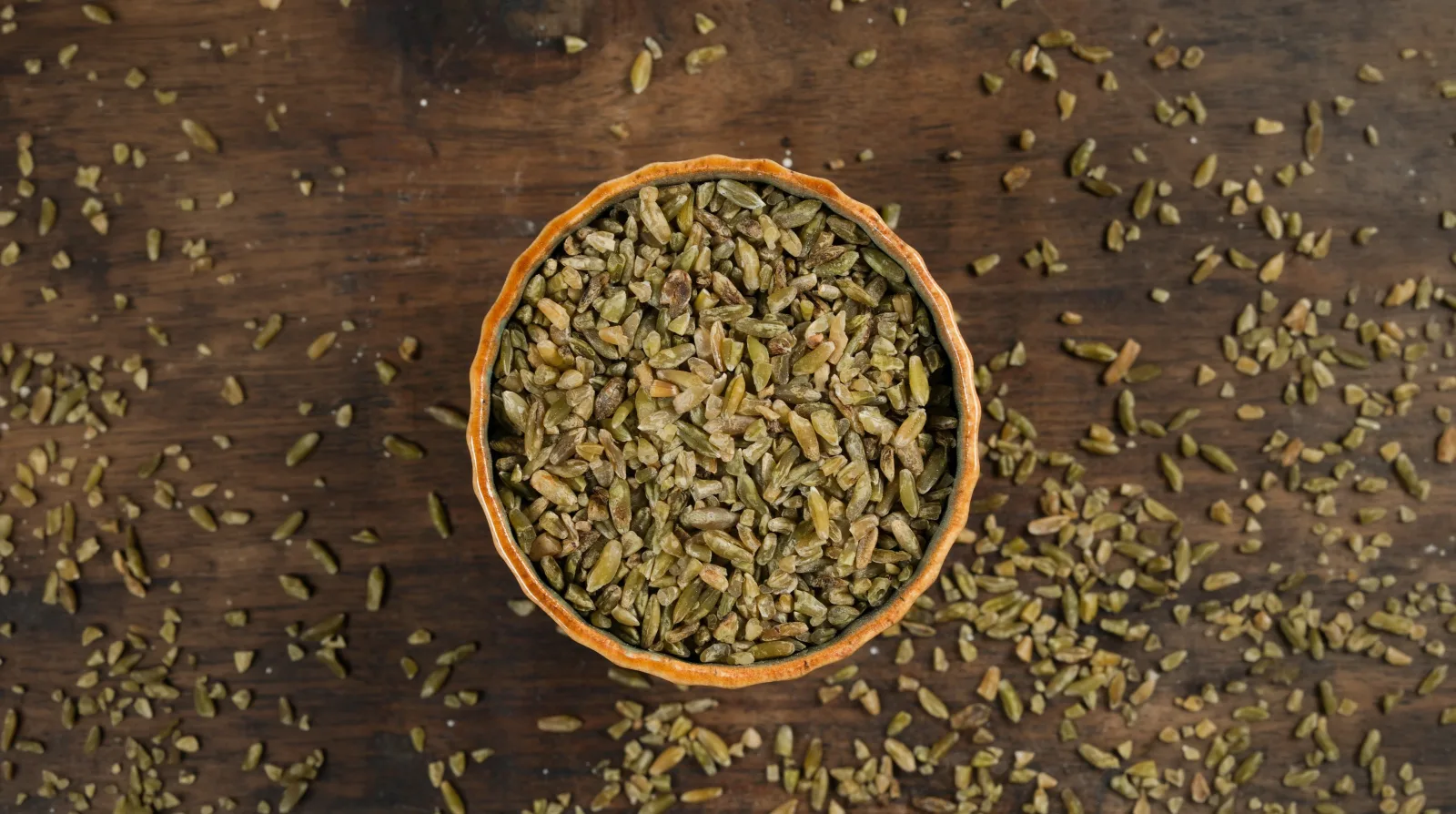
Green wheat harvested before ripening and fire-roasted, with a smoky aroma. (Antep Firiği · Designation of Origin, No 244)
Fresh Vegetables & Fruits
Fresh produce from Antep's gardens and fields, whose region-specific taste and aroma are registered.
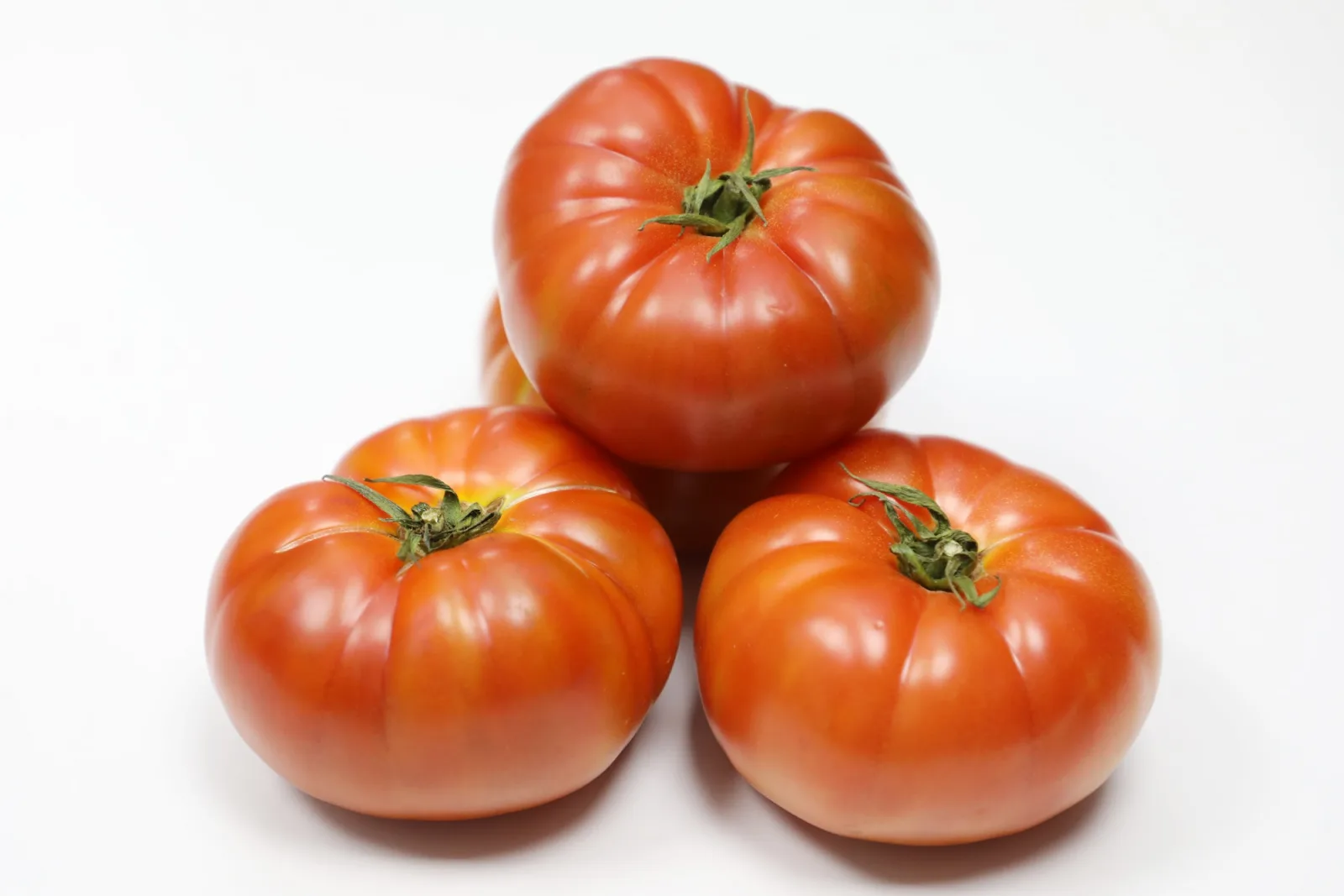
Grown on the cool highlands of Sof Mountain; thin-skinned, juicy and aromatic. (Geographical Indication, No 1512)
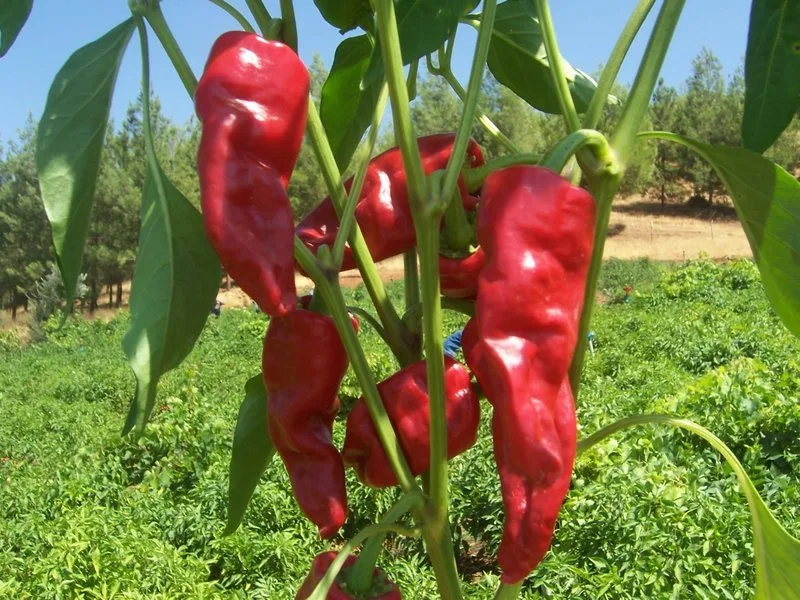
Grown on İslahiye's fertile plain, a pepper for paste and roasting. (Designation of Origin, No 991)
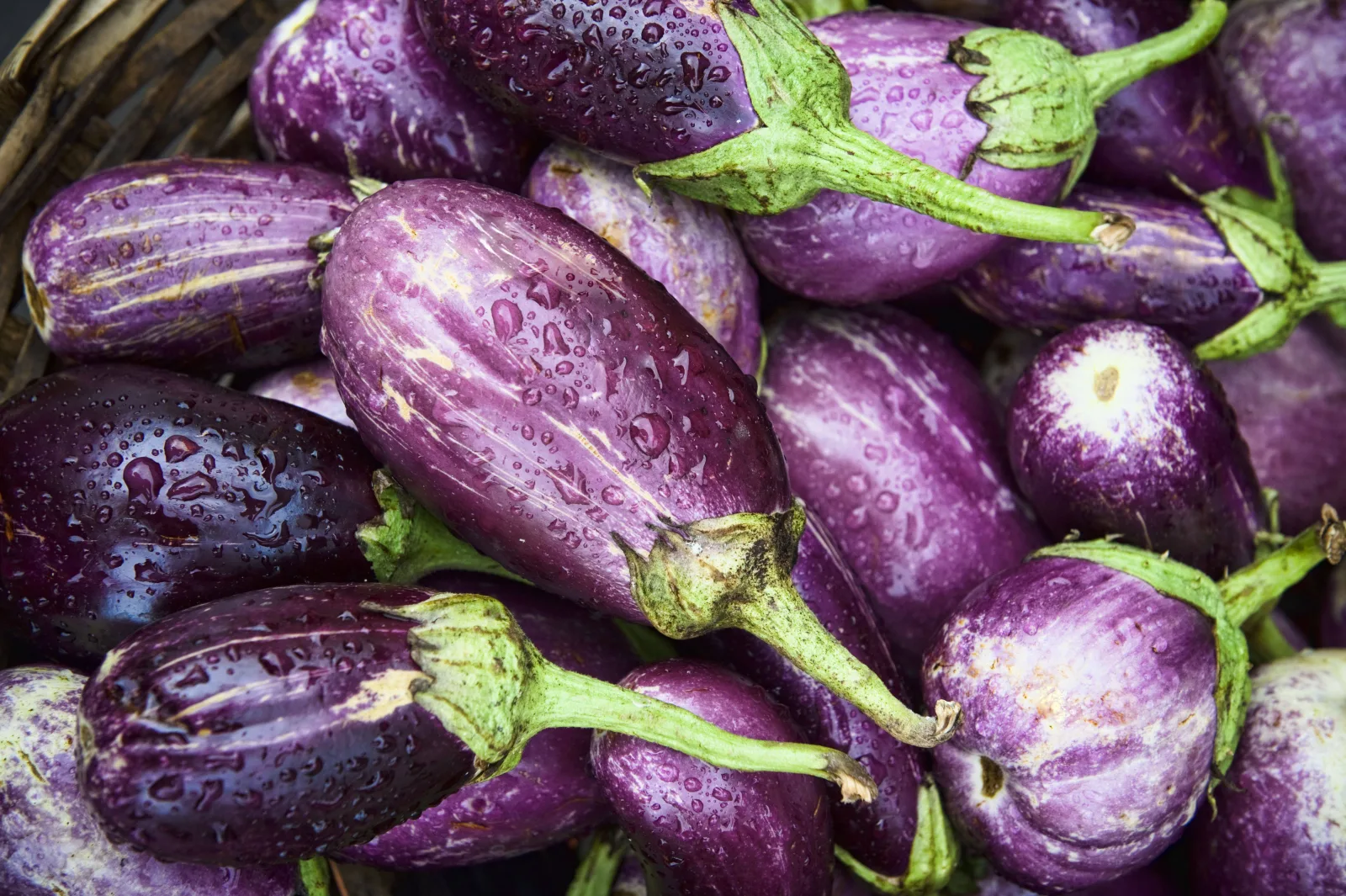
Nizip's thin-skinned, low-seed eggplant; the vegetable of dolma and kebab. (Designation of Origin, No 595)
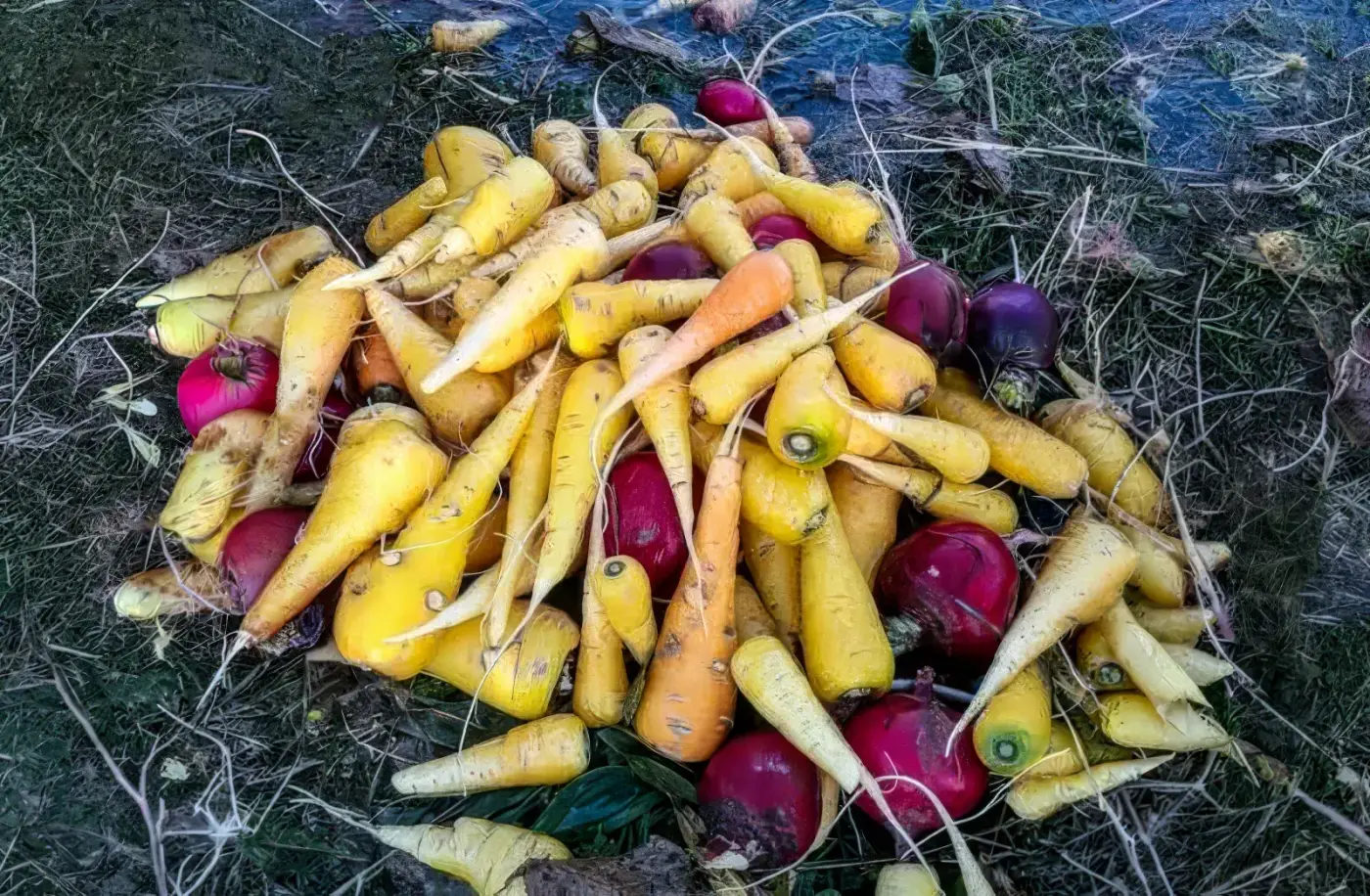
The large, sweet, yellow carrot of Nizip's Mızar (Uluyatır) area. (Geographical Indication, No 1527)
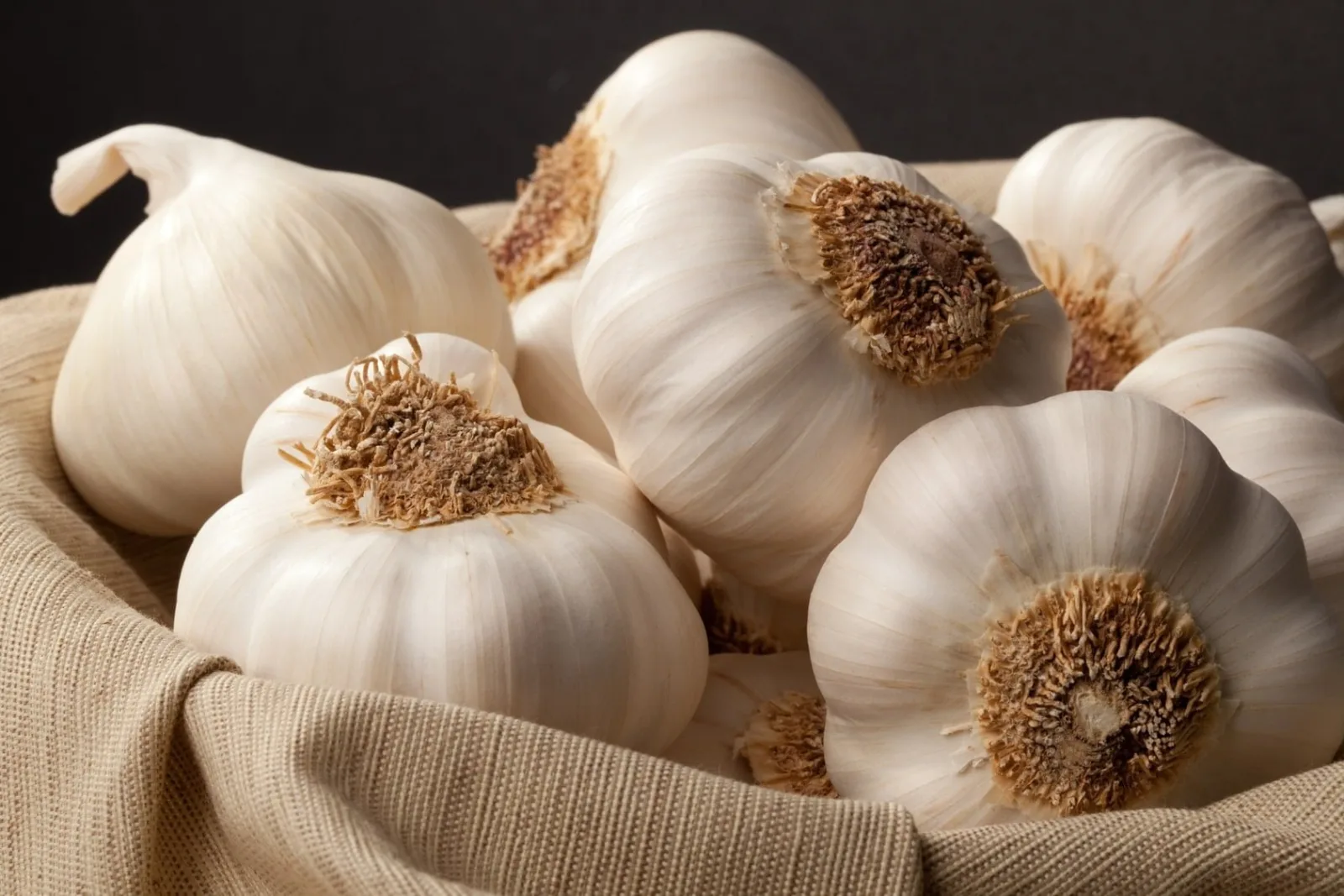
Araban's strongly aromatic, long-keeping garlic; also registered in the European Union. (Geographical Indication, No 529)
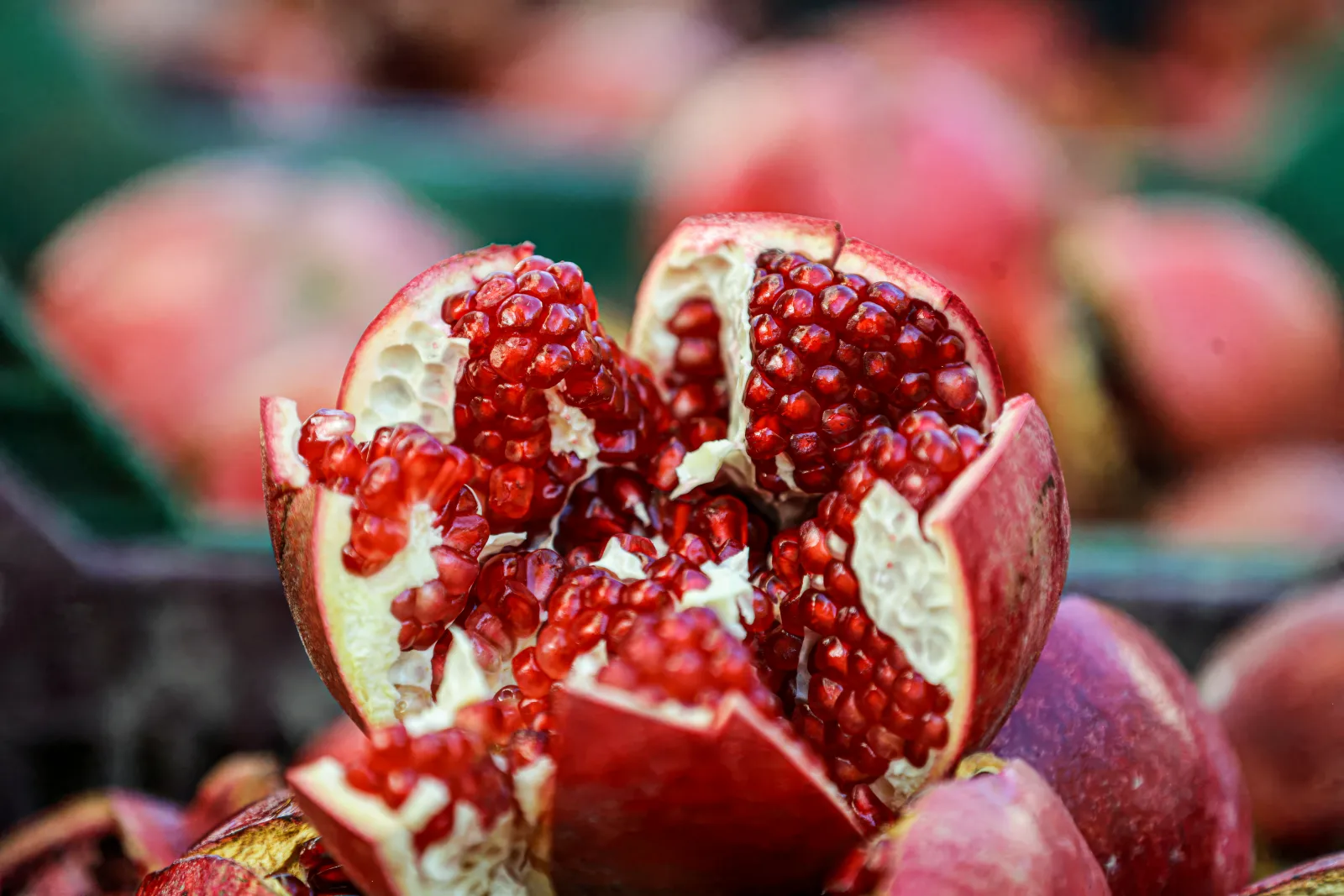
Oğuzeli's sweet, pale-arilled pomegranate. (Designation of Origin, No 448)
Sun-Dried Vegetables
Traditional preparations that carry summer's abundance into winter: vegetables hollowed, sun-dried and turned into dolma in the cold months.
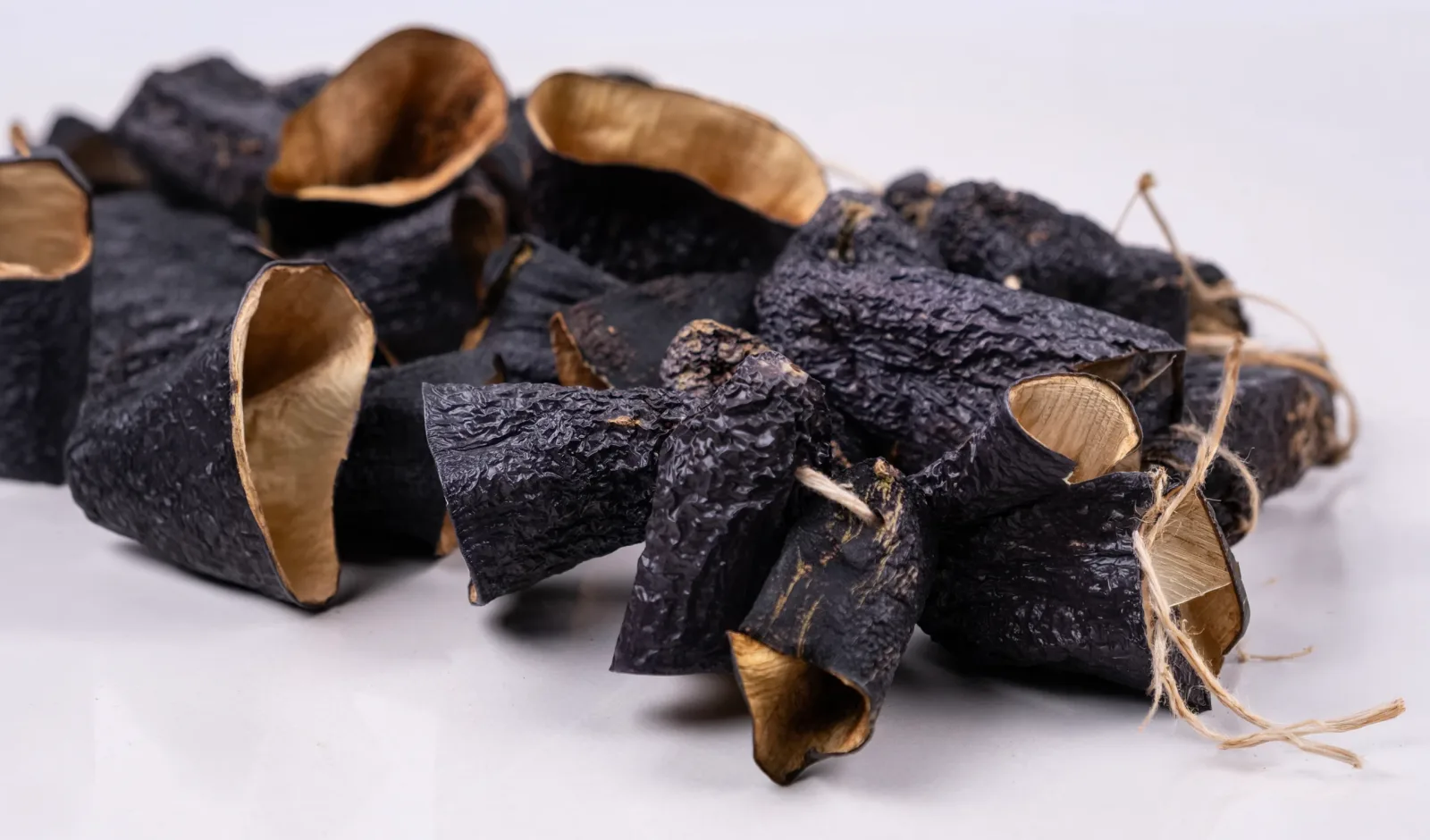
Eggplant strung on thread and sun-dried, stuffed as dolma in winter. (Antep Kuruluk Patlıcanı · Designation of Origin, No 376)
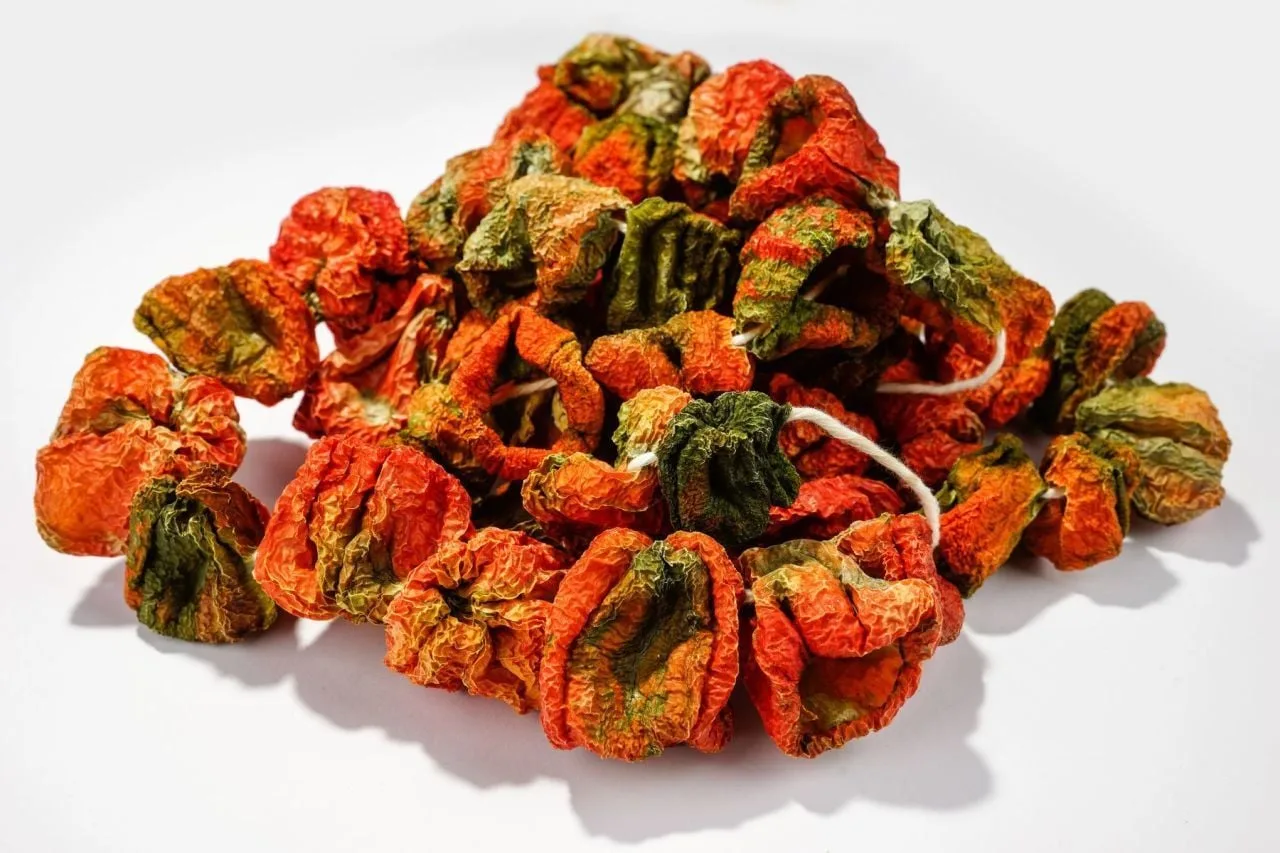
Peppers hollowed and sun-dried for the winter dolma. (Designation of Origin, No 752)
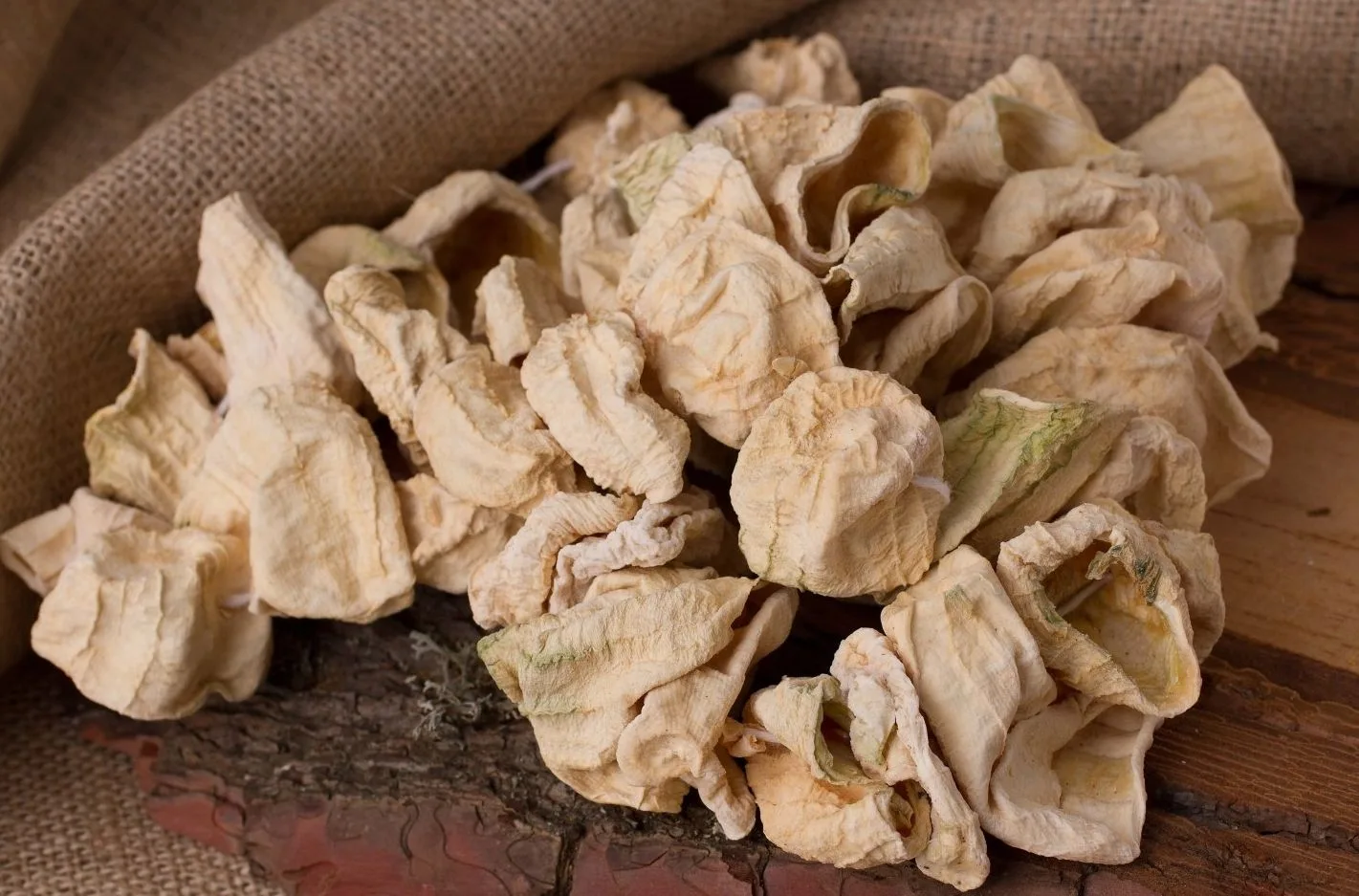
Haylan's hollowed, sun-dried squash; an ingredient of winter dolma. (Geographical Indication, No 1067)
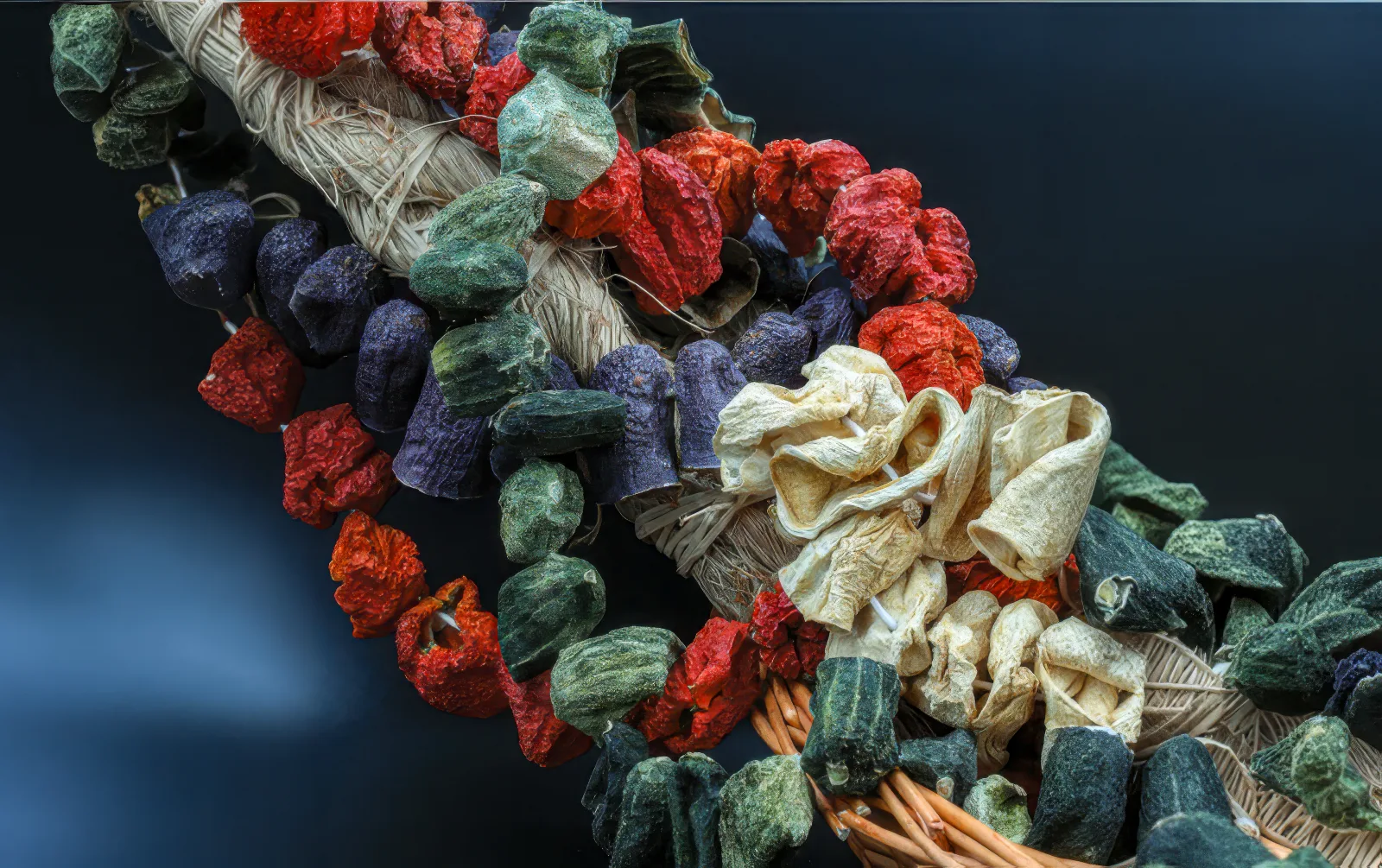
Oğuzeli's traditional dried set of eggplant, squash and pepper. (Geographical Indication, No 715)
Spices, Herbs, Oil, Honey & Cheese
The products that give a dish and the table their character: a souring spice, an aromatic herb, a registered olive oil, a regional honey and Antep's pressed cheese.
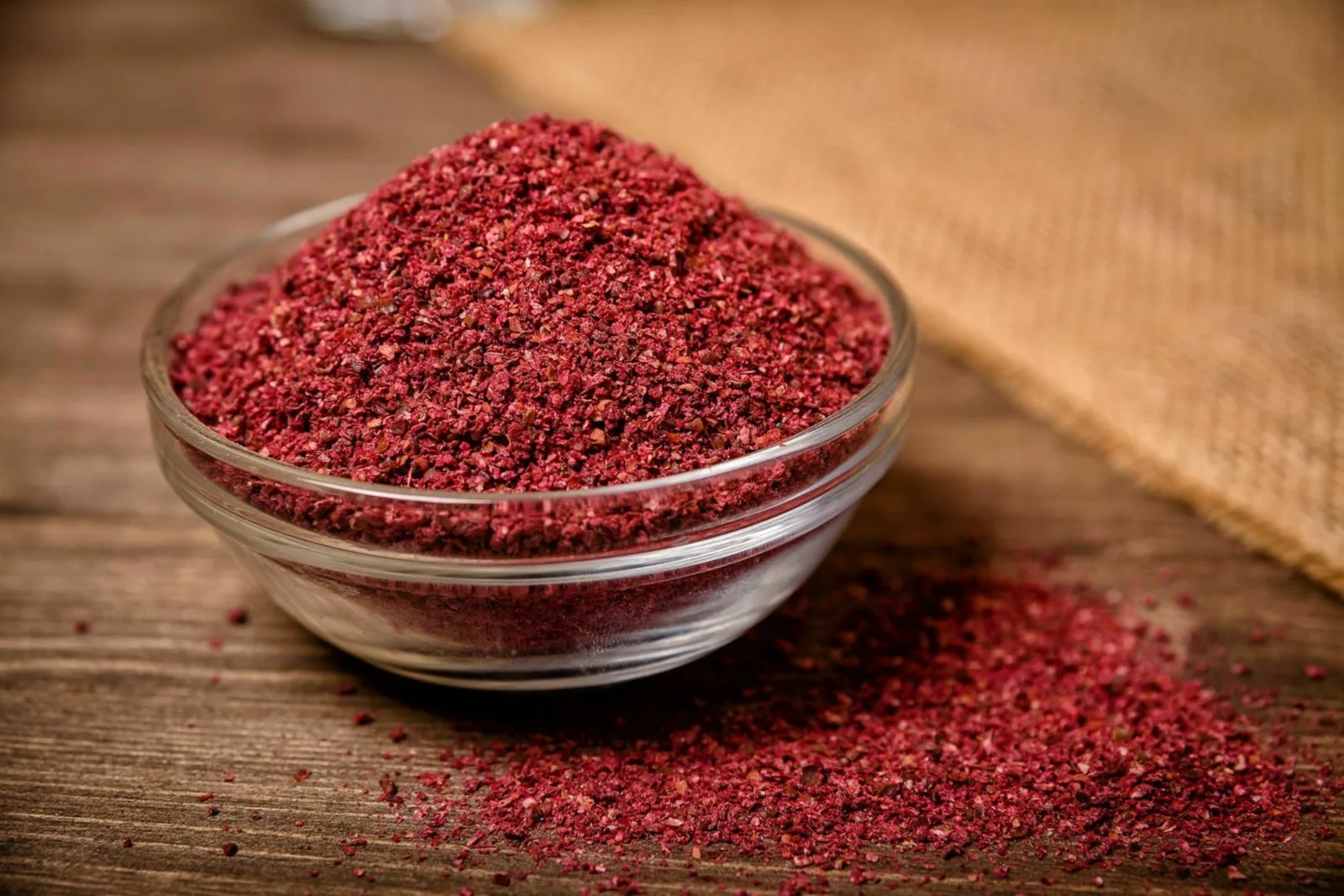
The deep-red, tart spice of kebabs and salads. (Antep Sumağı · Geographical Indication, No 797)
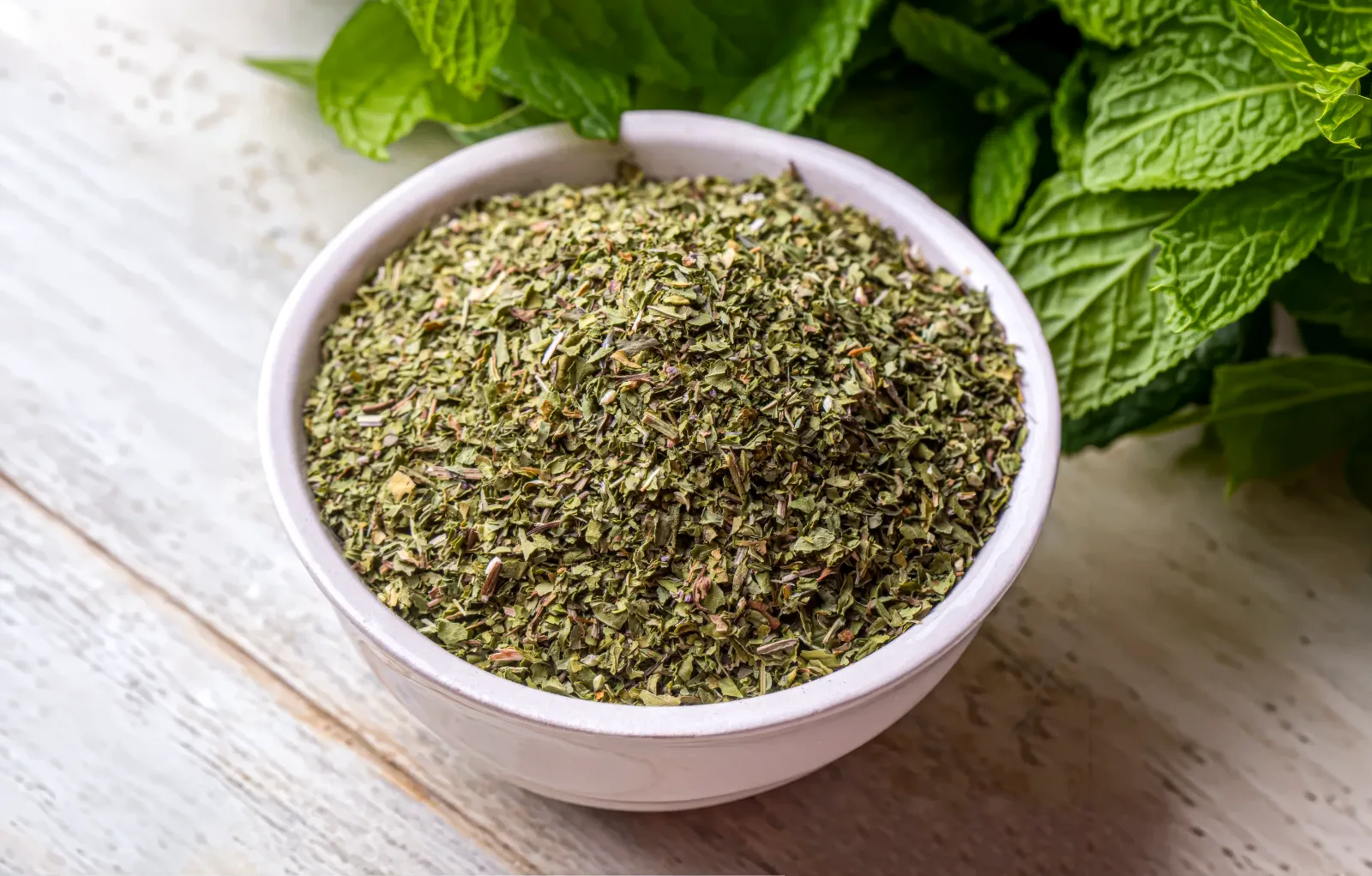
Nizip's intensely aromatic mint, also used dried. (Designation of Origin, No 491)
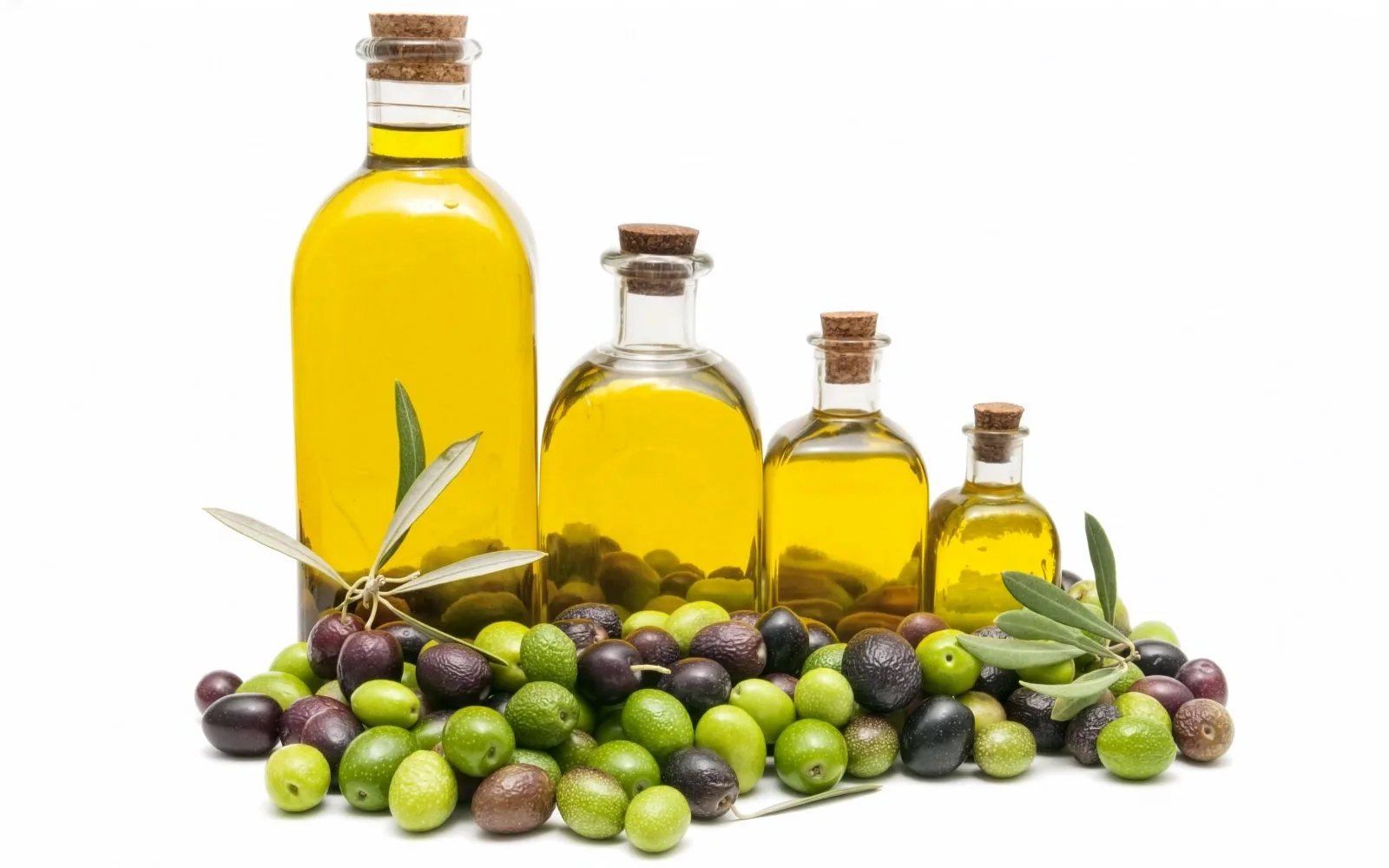
Olive oil from Nizip's deep-rooted olive culture; an early registration. (Geographical Indication, No 158)
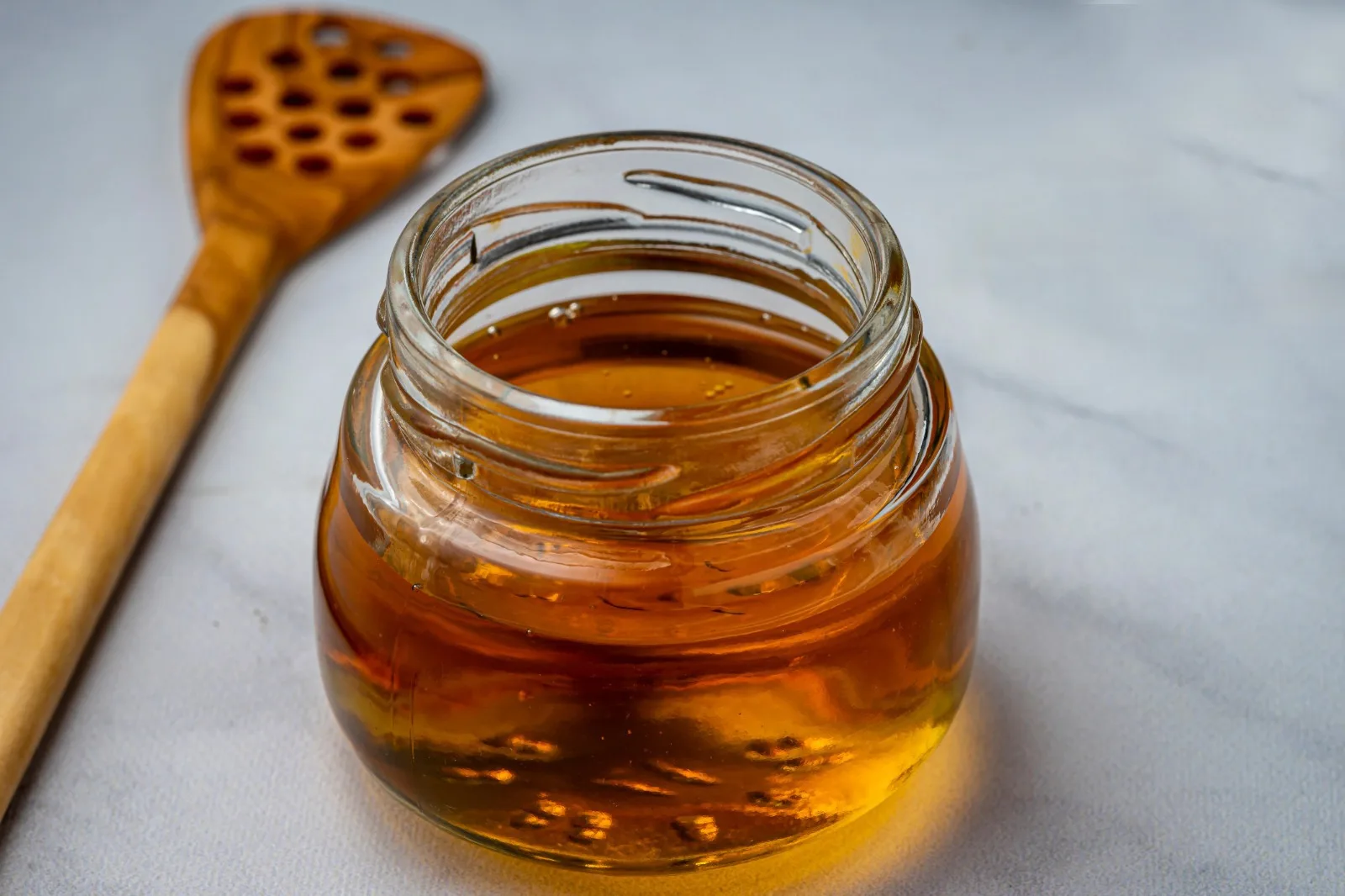
Aromatic honey gathered where the zahter (thyme) plant dominates the cover. (Antep Zahter Balı · Designation of Origin, No 1054)
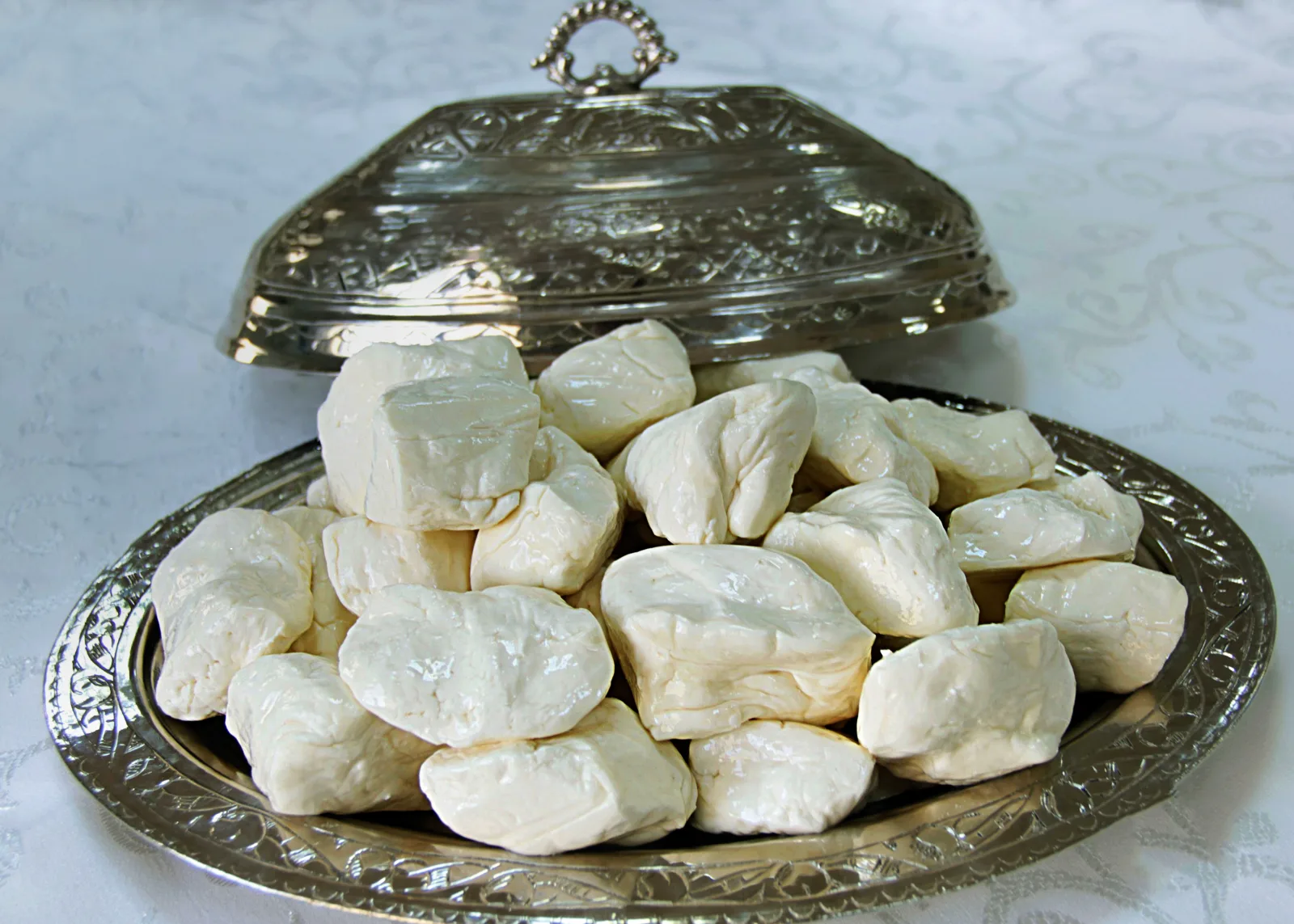
A "sıkma" cheese of sheep and/or goat milk, scalded in hot whey and hand-pressed; the centerpiece of the Antep breakfast. (Designation of Origin, No 356)
Souring Agents, Paste, Pickles & Vine Products
The products that strike Antep cuisine's sweet-and-sour balance: natural souring agents, sun-cooked paste, pickles and delights from the vine.
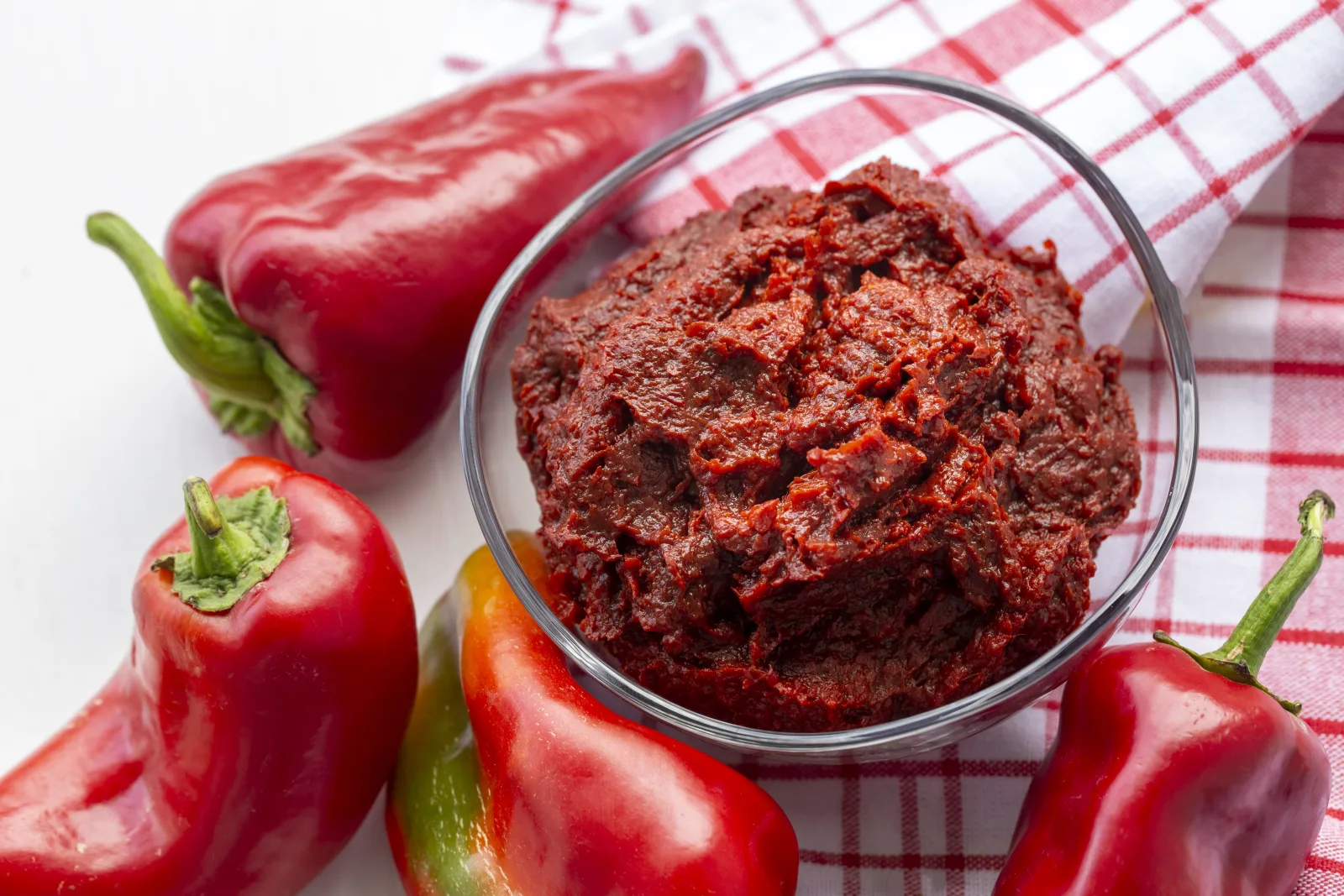
Sun-cooked, concentrated red pepper paste, the red foundation of Antep cooking. (Antep Biber Salçası · Geographical Indication, No 1222)
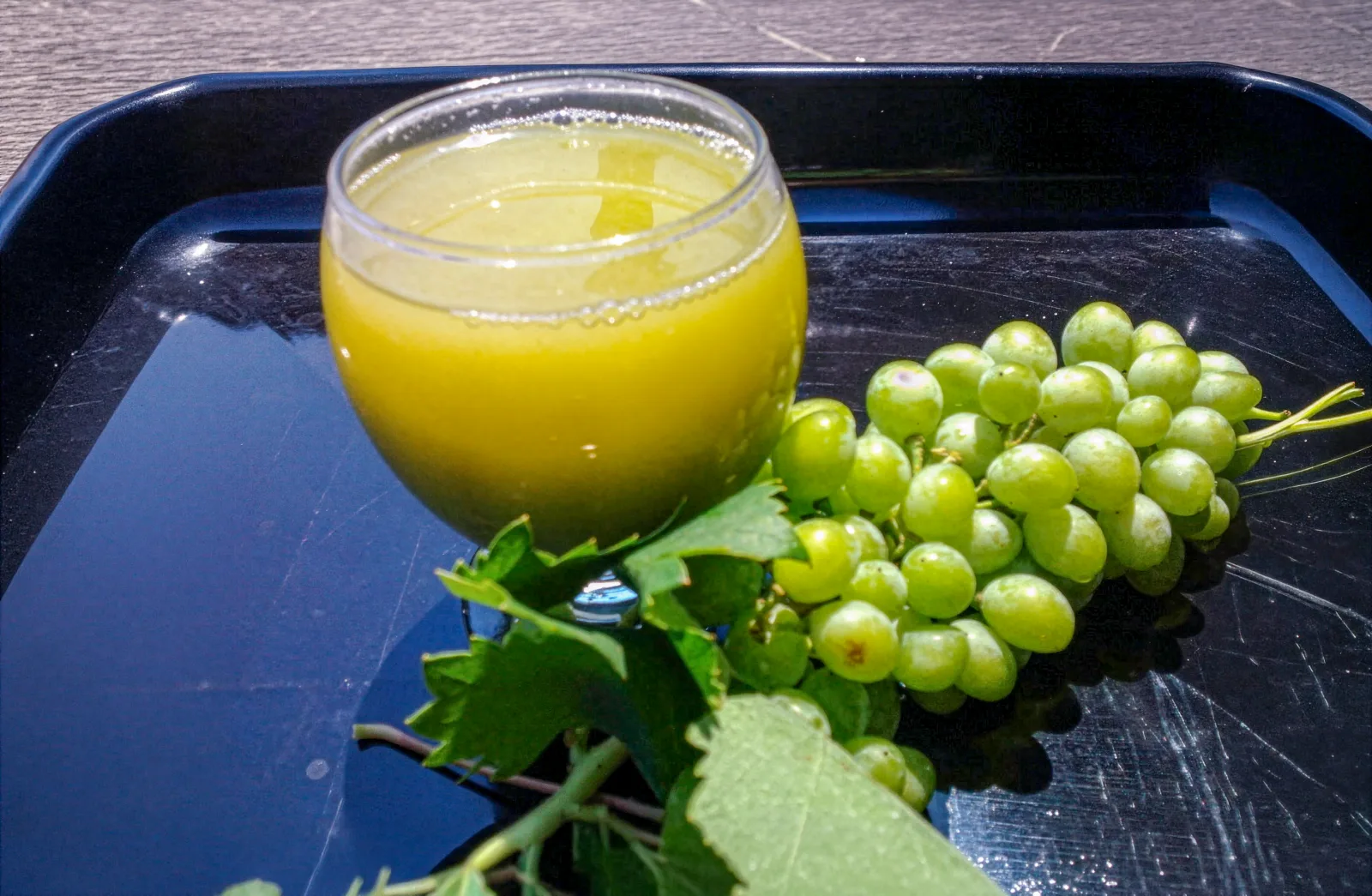
The tart juice of unripe green grapes; the local alternative to lemon. (Gaziantep Koruk Ekşisi · Geographical Indication, No 1072)
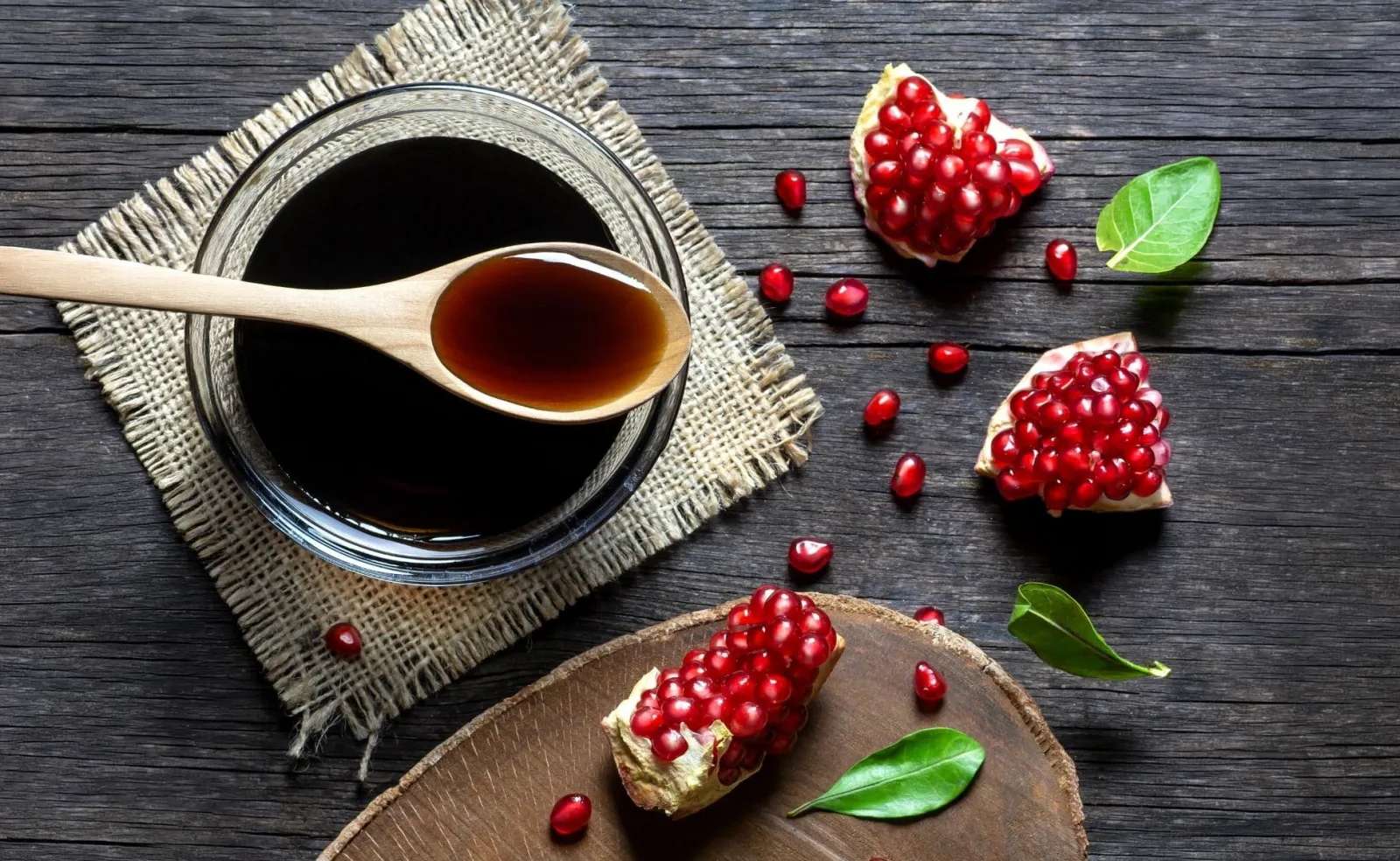
Pomegranate juice slowly reduced into a sweet-tart syrup. (Geographical Indication, No 615)
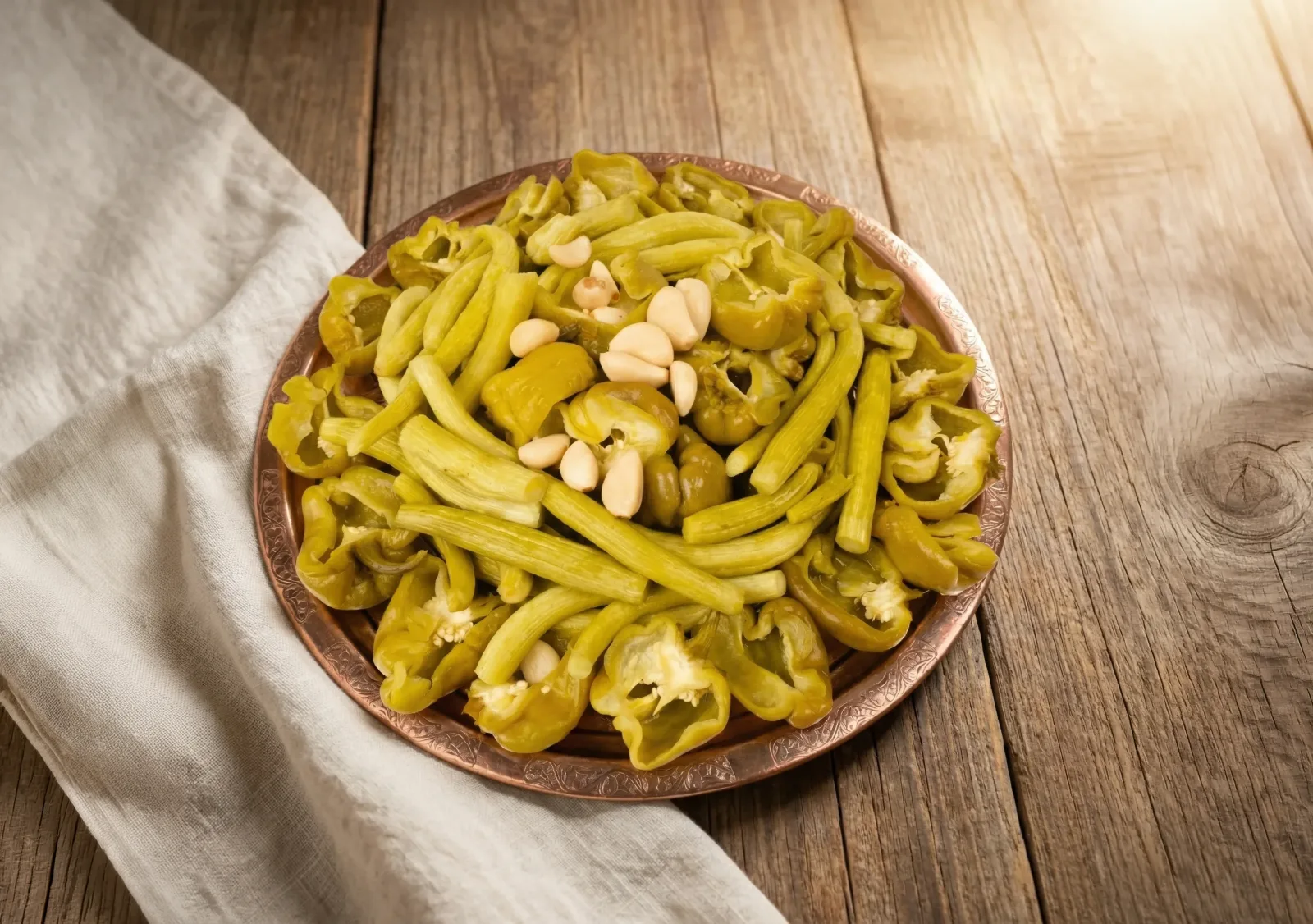
Acur (Armenian cucumber) and pepper pickled together. (Gaziantep Acur-Biber Turşusu · Geographical Indication, No 1057)
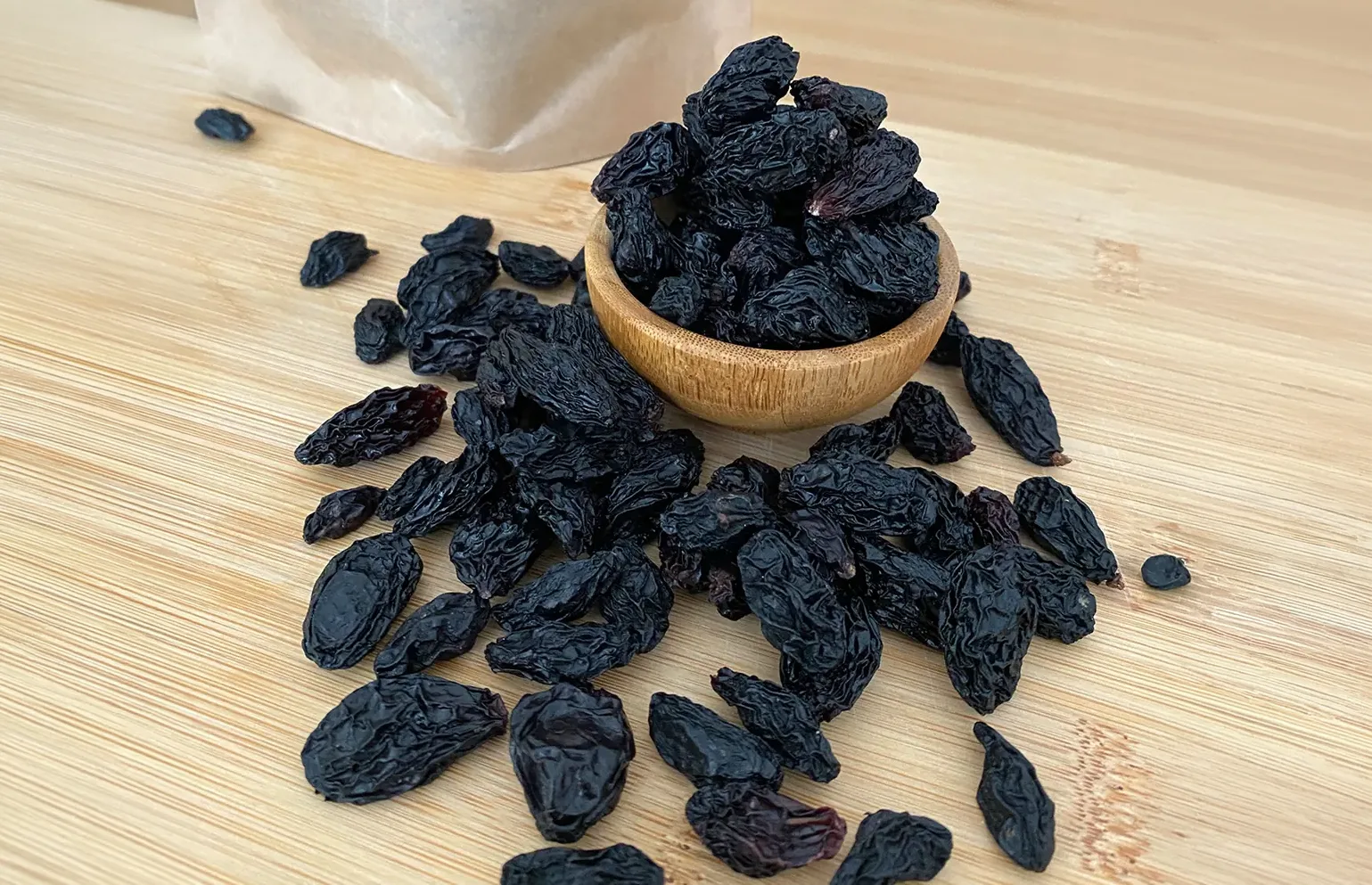
Raisins from the Antep Karası (Horoz Karası) grape. (Geographical Indication, No 1066)
Geographical indications come in two kinds. A Designation of Origin (Menşe Adı) is for products that owe all their qualities to a specific region and whose entire production takes place there (for example Antep Pistachio, İslahiye Pepper). A Mark of Source / Geographical Indication (Mahreç İşareti) is for products whose fame or a particular quality is identified with a region and at least one stage of whose production occurs there (for example Antep Bulgur, sumac). All twenty-three products on this page are registered under one of these two categories.
Raw Materials and the Culture of the Land in Gaziantep
The richness of Gaziantep cuisine is directly tied to the city's soil and to the handwork that tends it. Pistachio groves, vineyards, pepper fields and olive groves have, over centuries, formed both a way of living and a culinary culture. Seasonal preparations such as spreading pepper paste to dry, drying vegetables, and pressing unripe grapes and pomegranates are the deep-rooted traditions that carry these products to the table all year round.
These raw materials bind the city's cuisine together like a web: the same pistachio appears in baklava and in pistachio paste, the same bulgur in köfte and in pilaf. To see Gaziantep's dishes made with these raw materials all in one place, visit the Gastronomy page.
Frequently Asked Questions
Which of Gaziantep's raw materials are on this page?
Gaziantep's twenty-three geographically indicated core products are listed under five headings: pistachio, grains and pulses; fresh vegetables and fruits; sun-dried vegetables; spices, herbs, oil and honey; and souring agents, paste, pickles and vine products. From each product's detailed page you can read its history, origin and use.
Do all of these raw materials hold a geographical indication?
Yes. All twenty-three products on this page are registered with TÜRKPATENT. Some — such as Antep Pistachio, İslahiye Pepper and Nizip Mint — are Designations of Origin; others — such as sumac, pepper paste and Nizip olive oil — are Marks of Source (Geographical Indication). A few, such as Araban Garlic, are also registered in the European Union.
What is the difference between a Designation of Origin and a Mark of Source?
A Designation of Origin is for products that owe all their qualities to a region and whose entire production takes place there. A Mark of Source is for products whose fame or a particular quality is identified with a region and at least one stage of whose production occurs there. Both are types of geographical indication protected by TÜRKPATENT.
Which dishes use these raw materials?
The same raw material is often used in several dishes: pistachio in baklava, katmer and pistachio paste; bulgur and freekeh in köfte and pilaf; sun-dried vegetables in winter dolma; and sumac, unripe-grape sour, pomegranate molasses and pepper paste in mezes, salads and main dishes to balance the flavour. In this sense the raw materials are the shared links that bind Antep cuisine together.
What is a "kurutmalık" (sun-dried vegetable), and why does it matter?
A kurutmalık is the practice of hollowing vegetables such as eggplant, pepper and squash and sun-drying them to keep for winter. In the months when fresh vegetables are not available, these dried vegetables are soaked and made into dolma. In Gaziantep, preparing kurutmalık is a deep-rooted winter tradition that keeps the season's abundance on the table all year.