When Gaziantep joined the UNESCO Creative Cities Network as a City of Gastronomy in 2015, it became the first Turkish city to hold the title. The dessert is perhaps the best-known face of this cuisine — yet it is told not through a single plate but through a broad family that runs from pastry to halva, from syrup-soaked sweets to milk-based ones.
What sets the Antep dessert apart often lies in the quality of three core ingredients. The first is boz iç Antep pistachio, which turns a deep green once its skin is peeled and gives both colour and aroma to baklava, katmer, pistachio paste and countless sweets — a product registered with a geographical indication. The second is ghee (sadeyağ), which coats pastry and filling with a richness unlike butter, alongside the clotted cream (kaymak) that lends depth to milk-based desserts. The third is the choice that decides a sweet's texture and character: some are finished with a lemony syrup (şerbet), while others take a plain, syrup-free path with only ghee and pistachio.
The baklava tradition stands at the centre of this cuisine. Paper-thin layered phyllo, pistachio scattered between the sheets, ghee drizzled over it and a measured syrup; these four turn Antep baklava into not merely a dessert but a test of mastery. From the same phyllo tradition come katmer, şöbiyet, nightingale's nest and many more varieties. Beside them, halvas made with semolina and sesame, hot flour and milk desserts such as milky zerde and kuymak, pistachio paste and regional pastries round out the breadth of the Gaziantep table's sweets.
This page gathers Gaziantep's desserts into three thematic groups: the baklava and pistachio pastries built from paper-thin phyllo and pistachio; the halva and milk-based desserts made with semolina, sesame and milk; and the pistachio paste, pastries and regional sweets that run from pistachio paste to local jams and baked goods. For each variety's detailed recipe, history and technique, follow through to its own page.
Baklava and Pistachio Pastries
This group forms the core of Gaziantep's dessert tradition: sweets where paper-thin baklava phyllo meets boz iç Antep pistachio, ghee and syrup. Most rest on the same phyllo craft; the difference lies in how the pistachio is rolled into or scattered over the dough.
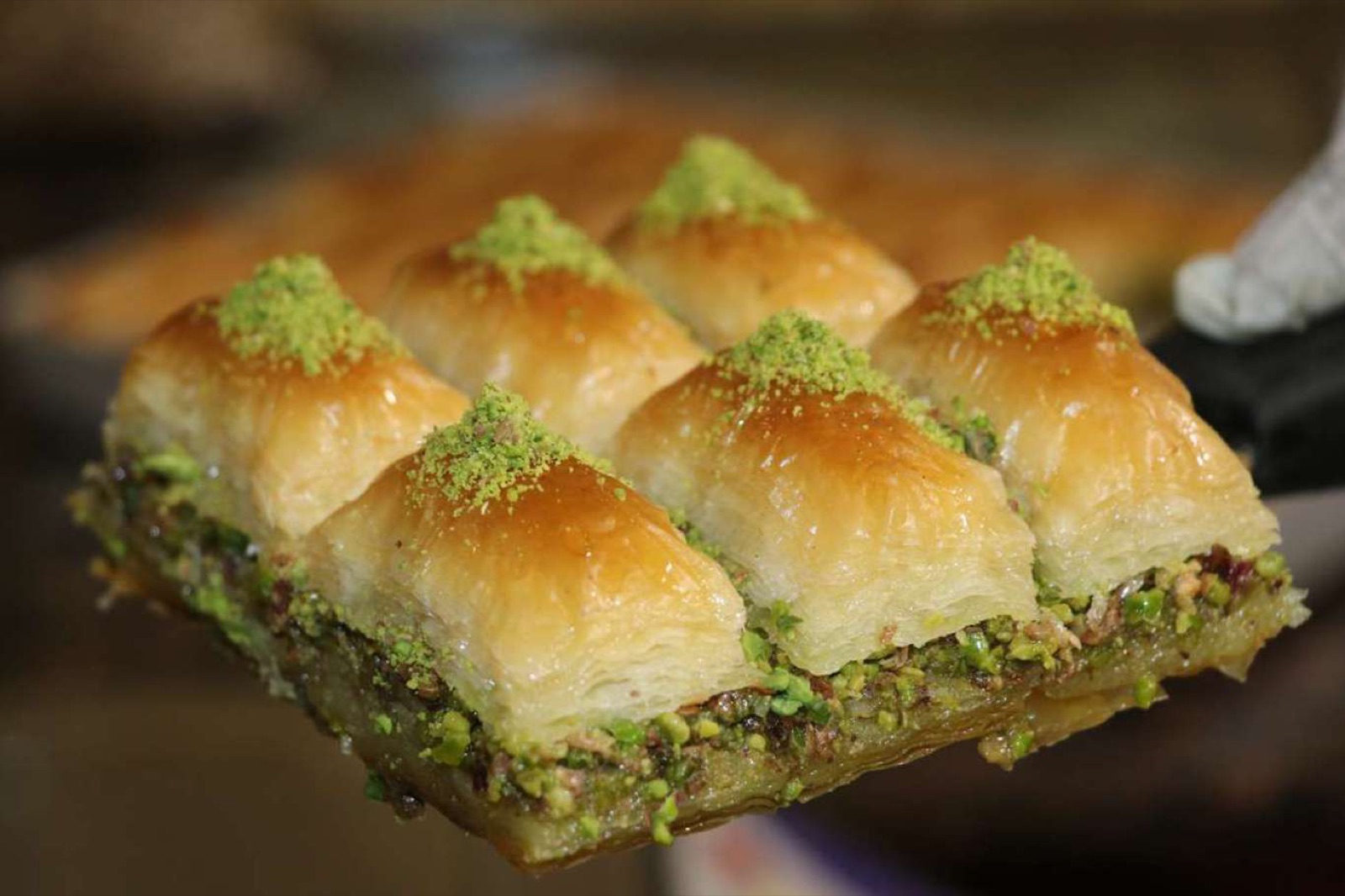
The iconic, GI-registered sweet where paper-thin layered phyllo meets boz iç Antep pistachio, ghee and lemony syrup.
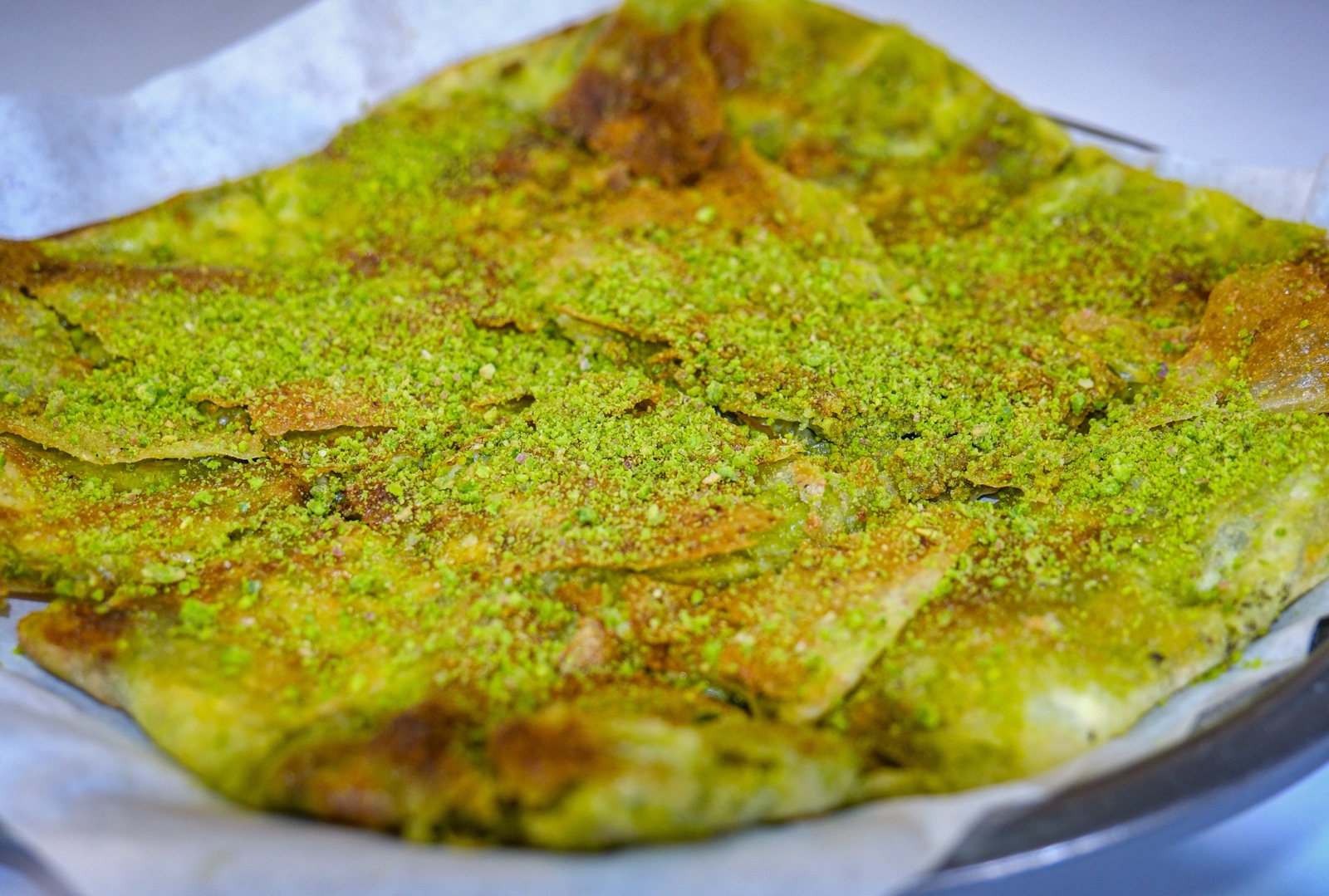
Thin rolled phyllo folded around clotted cream and boz iç Antep pistachio and griddled, traditionally eaten at breakfast.
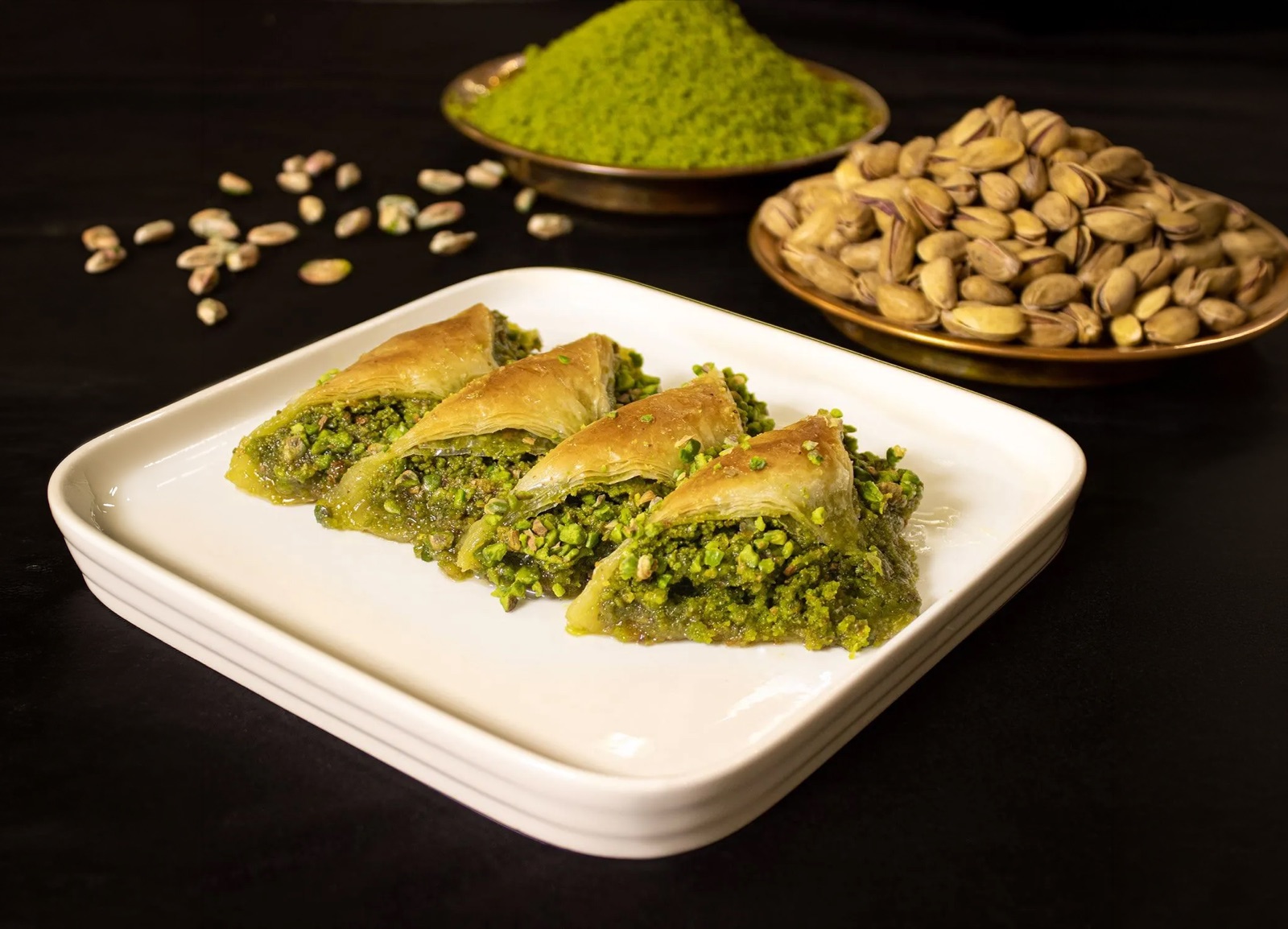
A rich baklava variety in which the phyllo is folded into triangles around a cream-and-pistachio filling and soaked in syrup.
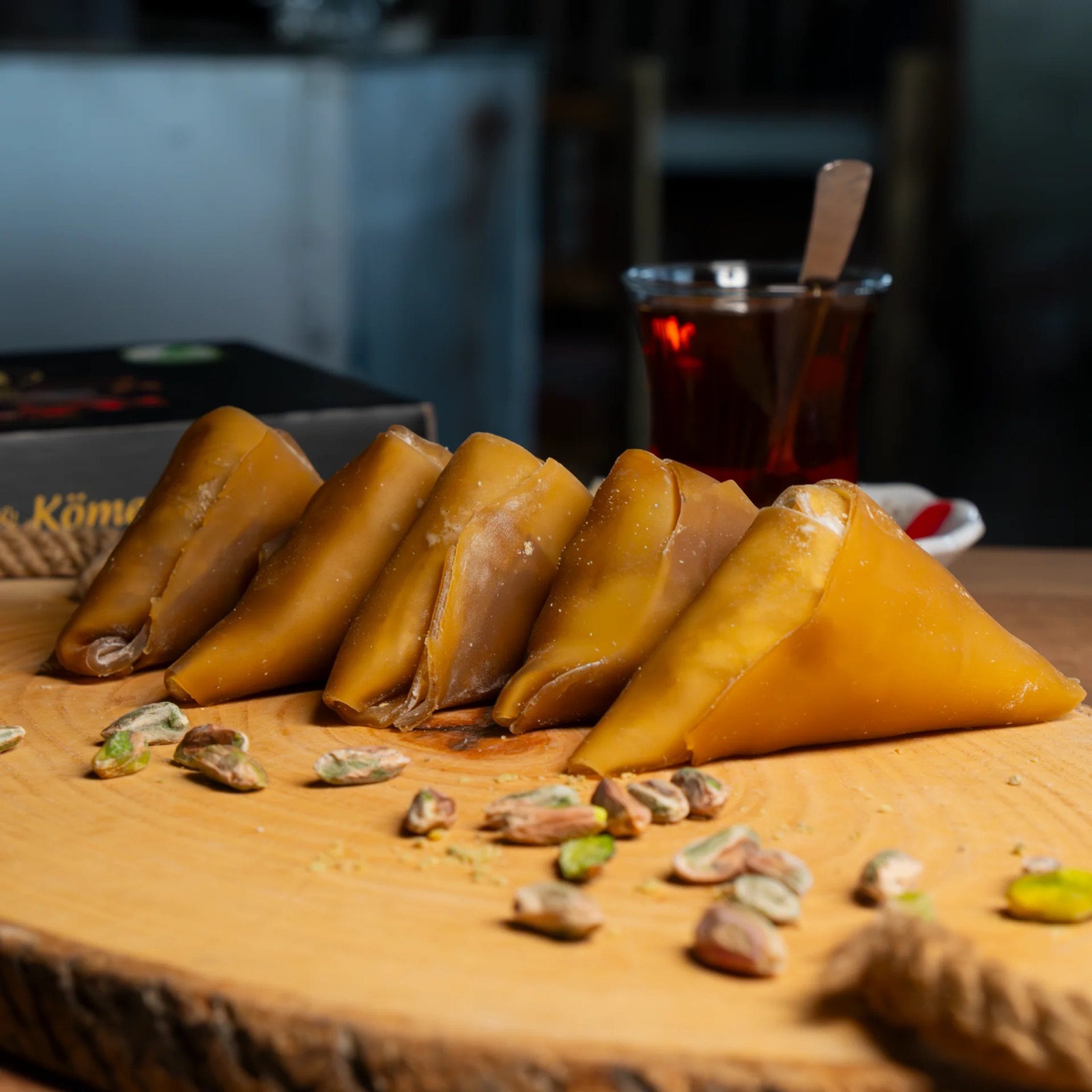
A baklava-family sweet where pistachio filling is enclosed in thin phyllo as a triangular parcel, fried and soaked in syrup.
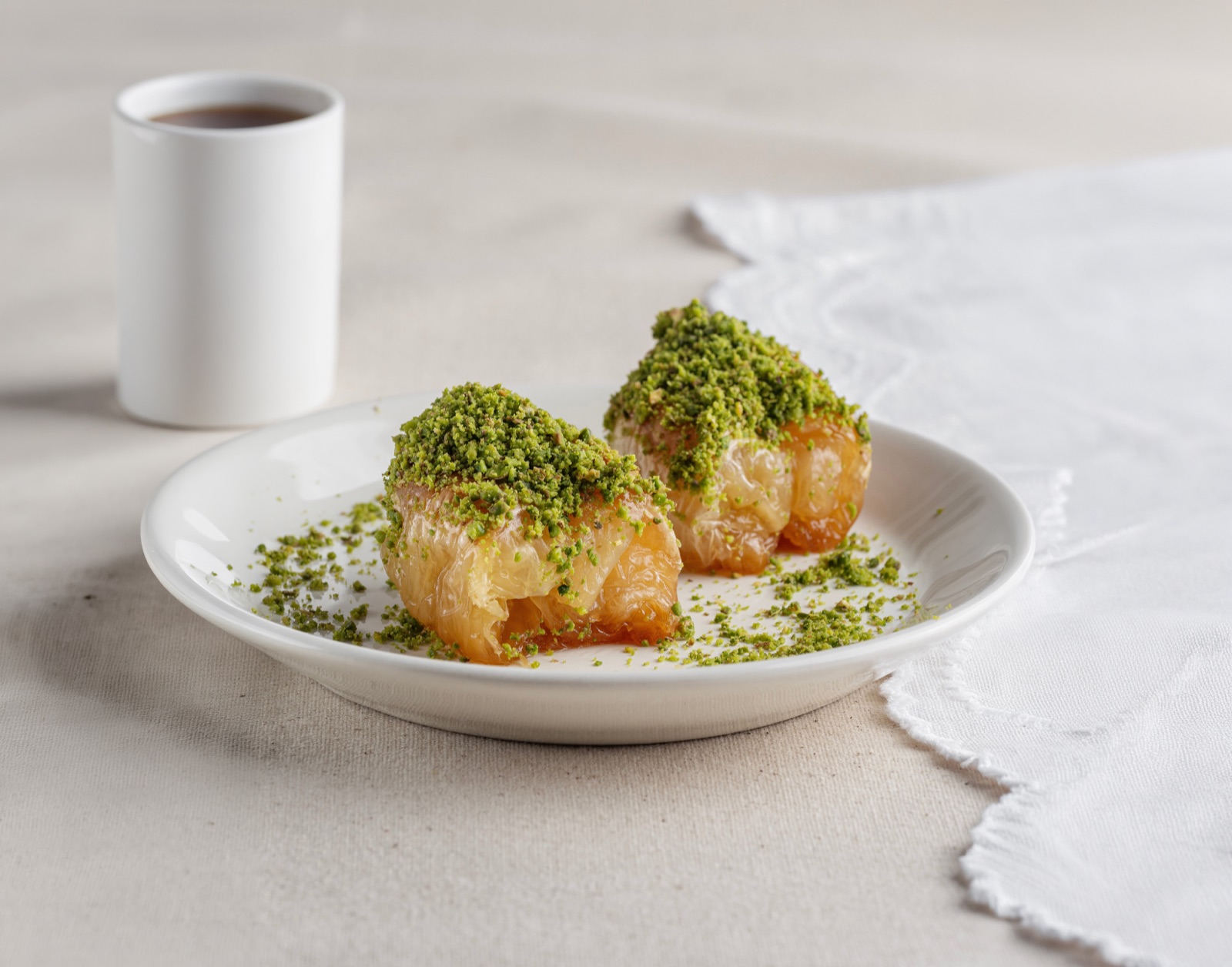
A syrup-soaked baklava variety where phyllo is coiled into a nest, fried, then its centre filled with plenty of pistachio.
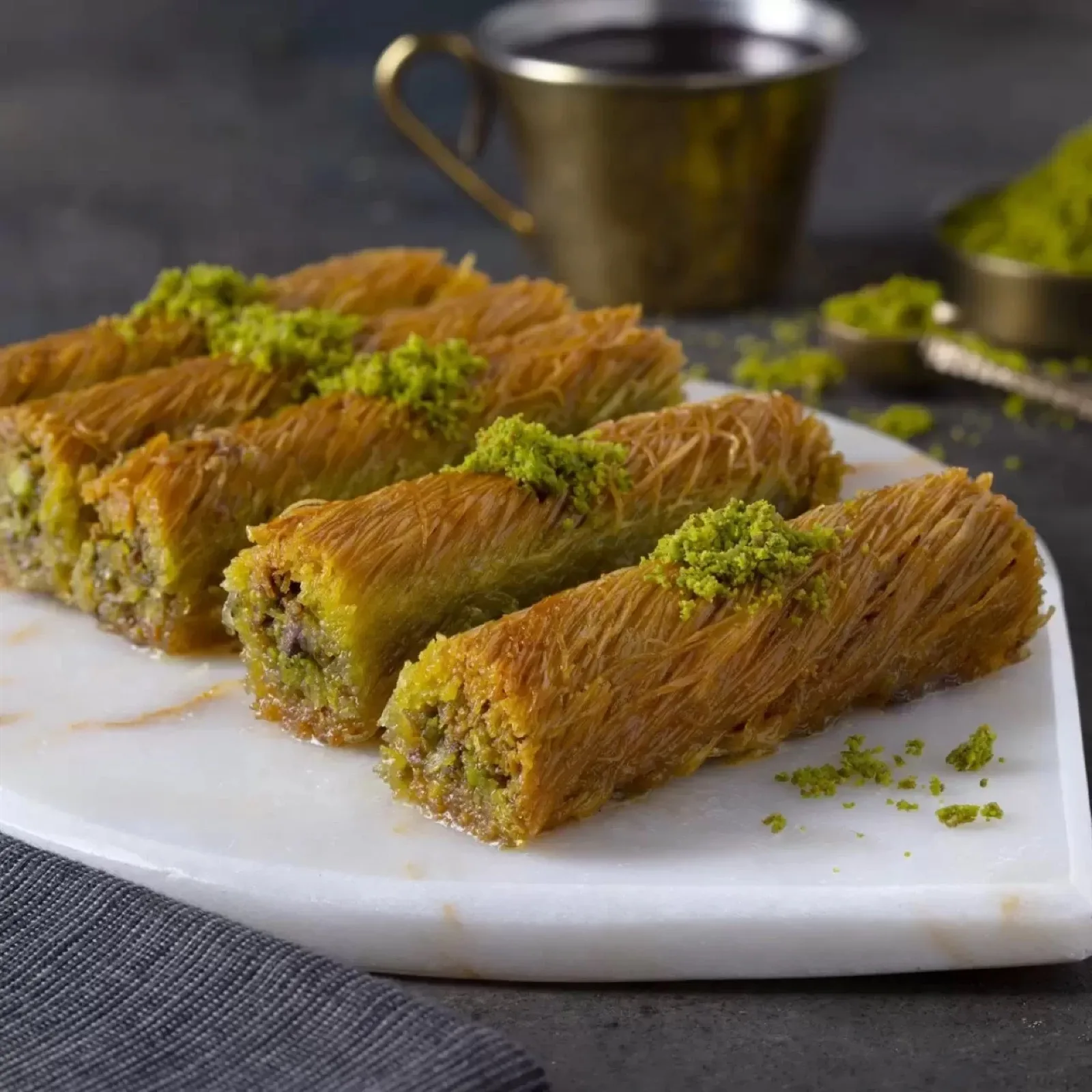
Shredded kadayıf wrapped around abundant pistachio and twisted into coils, baked and soaked in syrup, a crisp sweet.
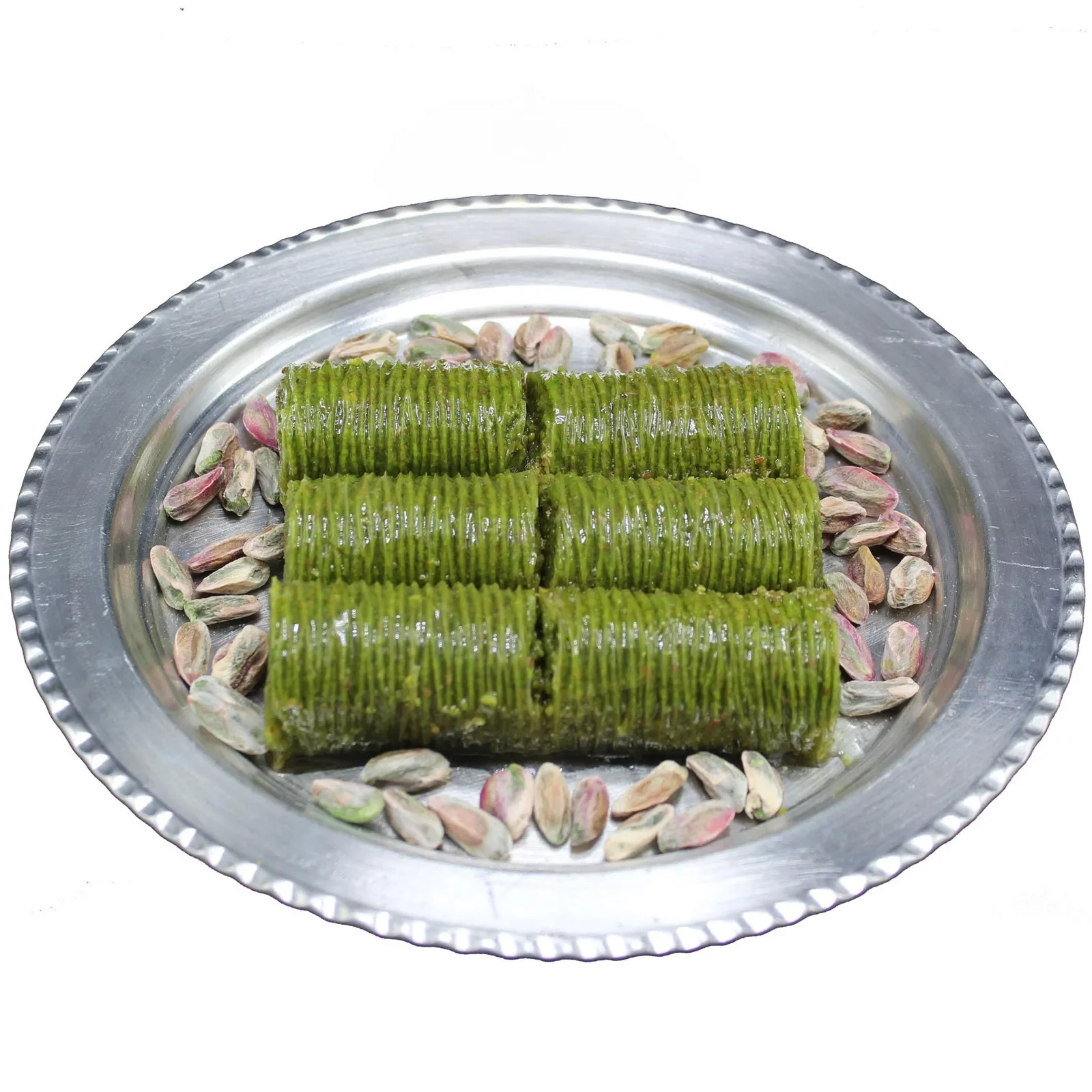
A pistachio-dense baklava variety where thin phyllo is rolled tightly around coarsely chopped pistachio, sliced and met with syrup.
Halva and Milk-Based Desserts
This group is a different strand of the Antep table from the syrup-soaked pastries: halvas made with semolina, flour and sesame, and milk-based desserts prepared with milk, starch and rice. Some are served hot, others cold; their common thread is a dense texture and a finish often crowned with pistachio.
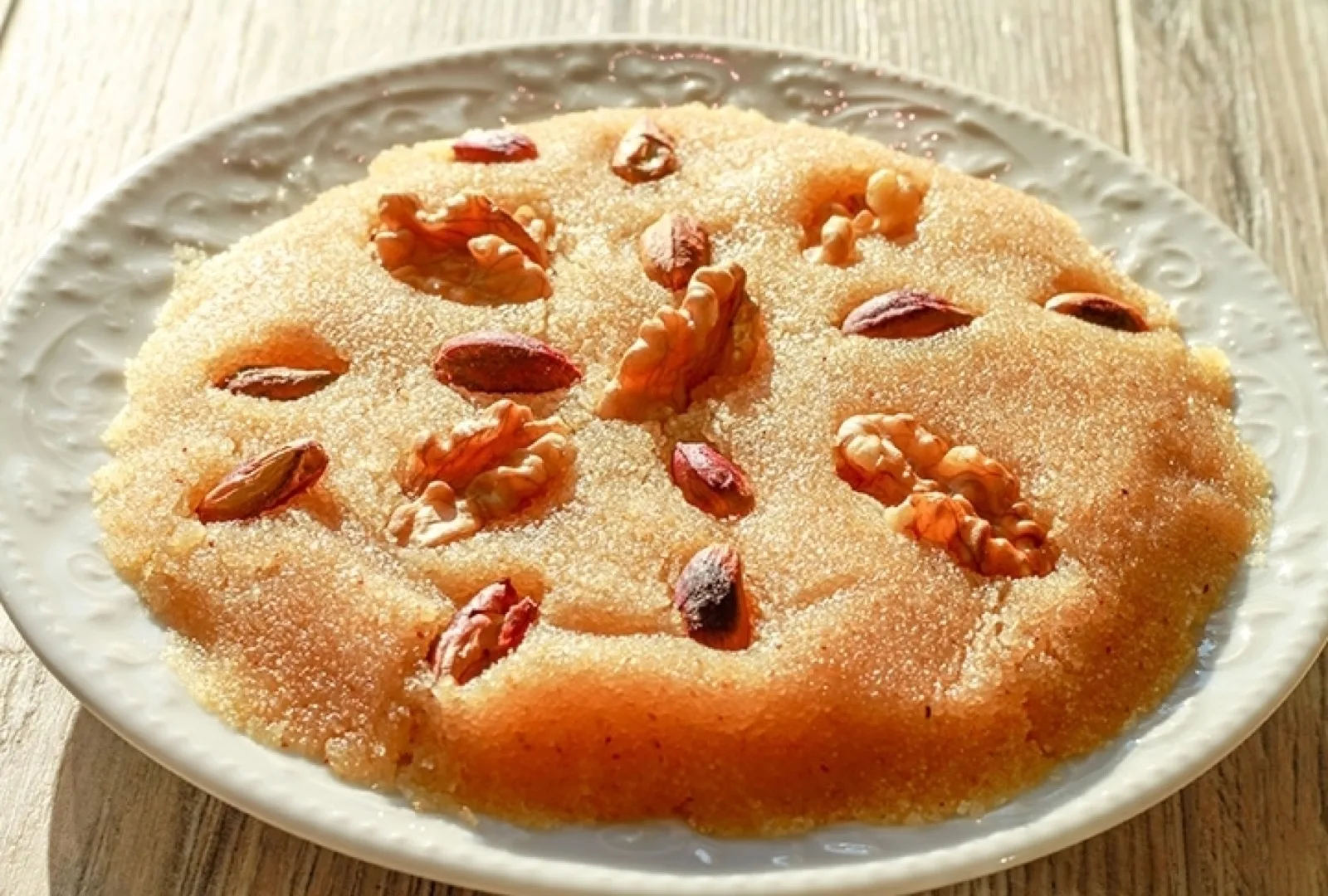
Semolina roasted in ghee, cooked with fresh unsalted cheese and syrup until it pulls into a stretchy texture, a regional halva served hot.
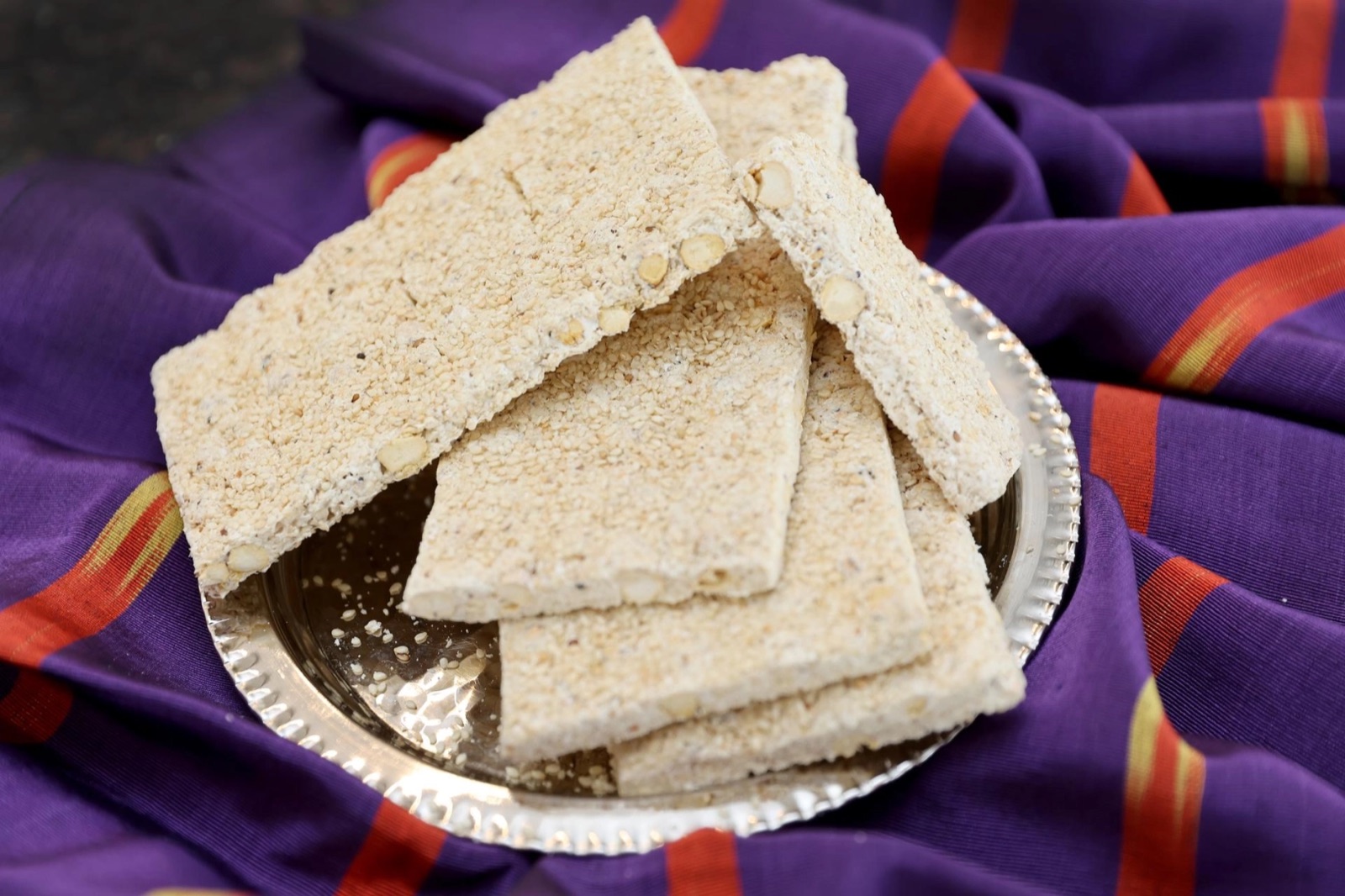
Boiled sugar meeting yellow roasted chickpeas and setting hard into a crunchy confection.
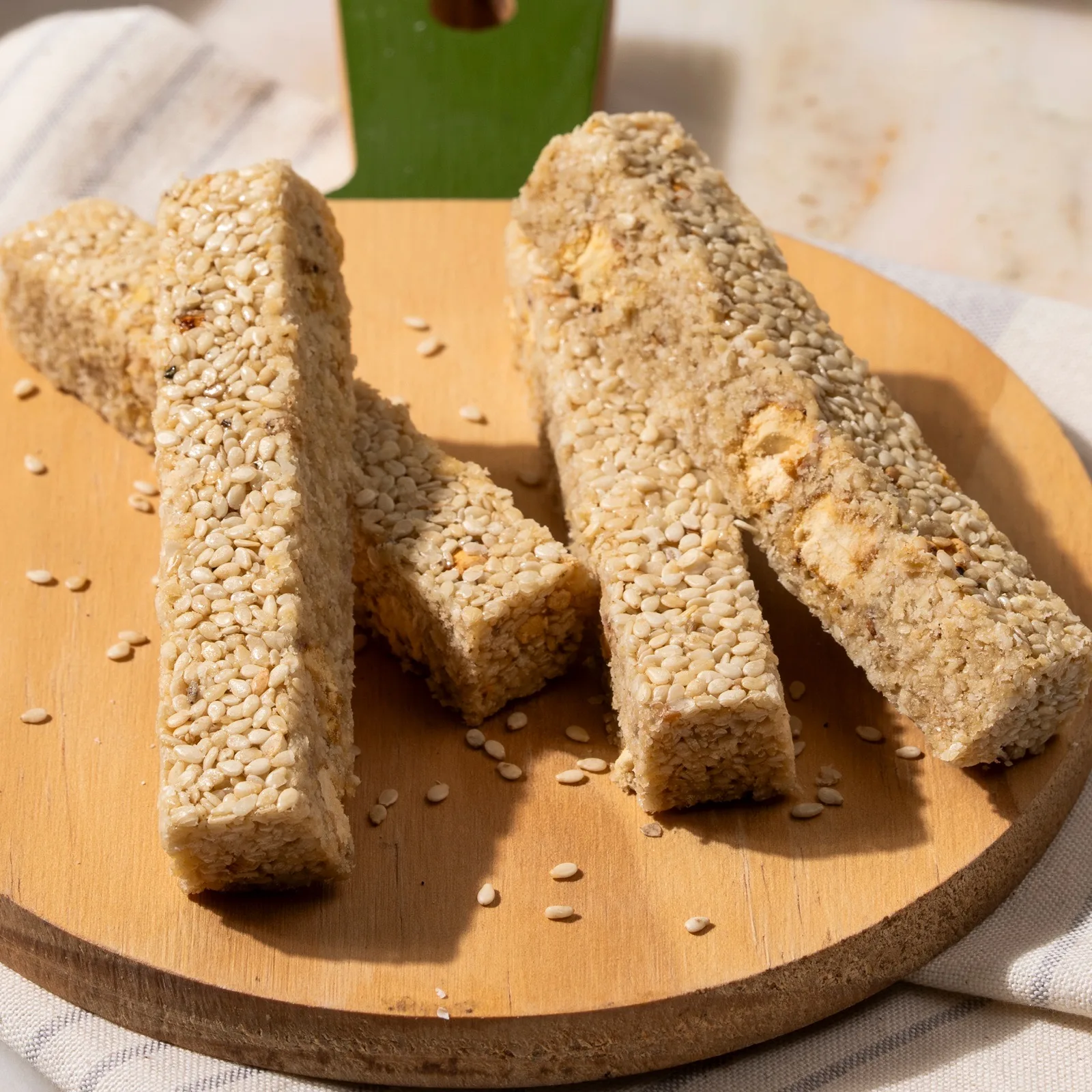
Boiled sugar or molasses mixed with toasted sesame and set into a thin, crisp sheet of sesame halva.
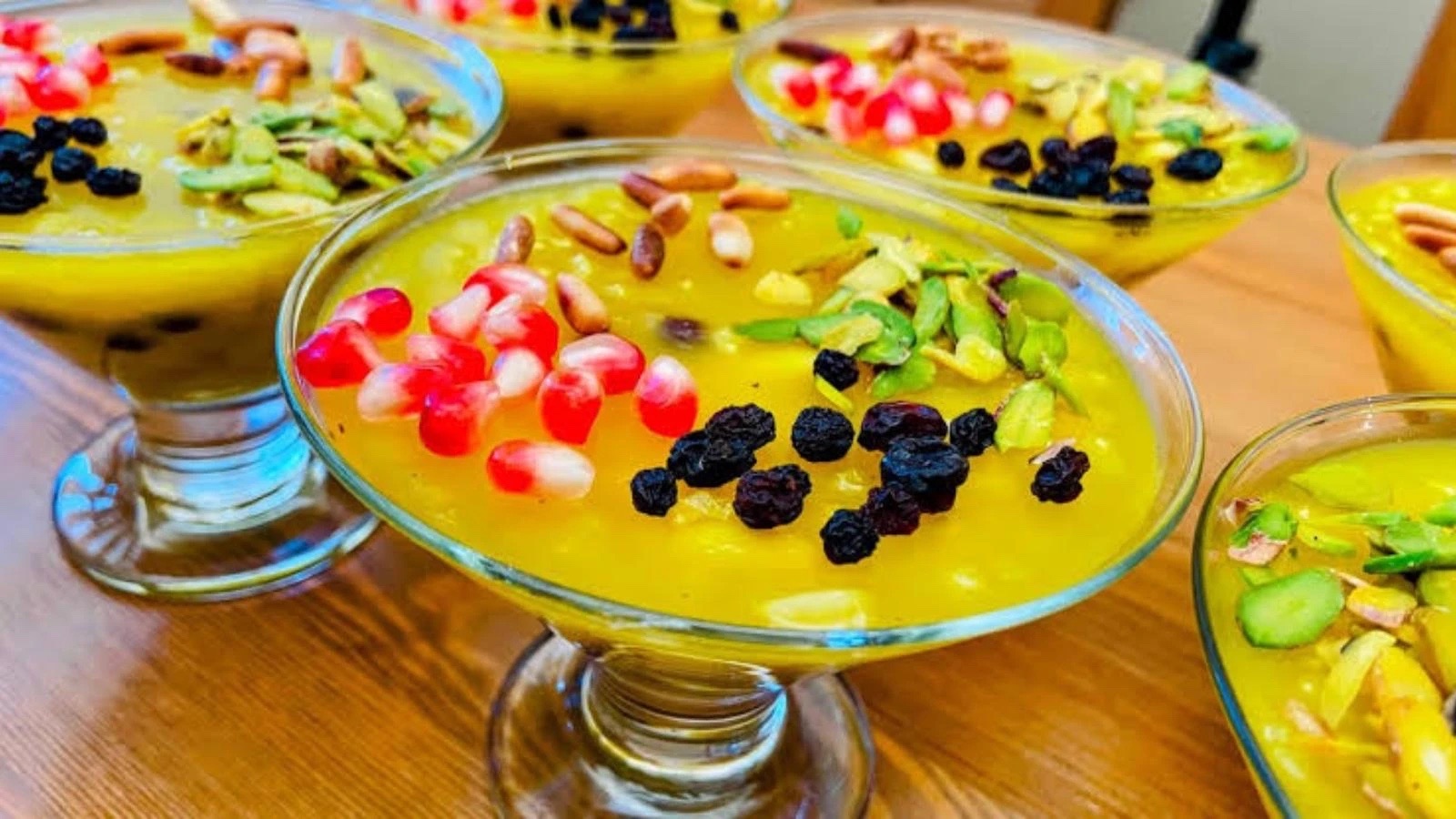
Saffron-coloured rice zerde presented in two layers over a milky pudding lining, a regional milk-based dessert eaten cold.
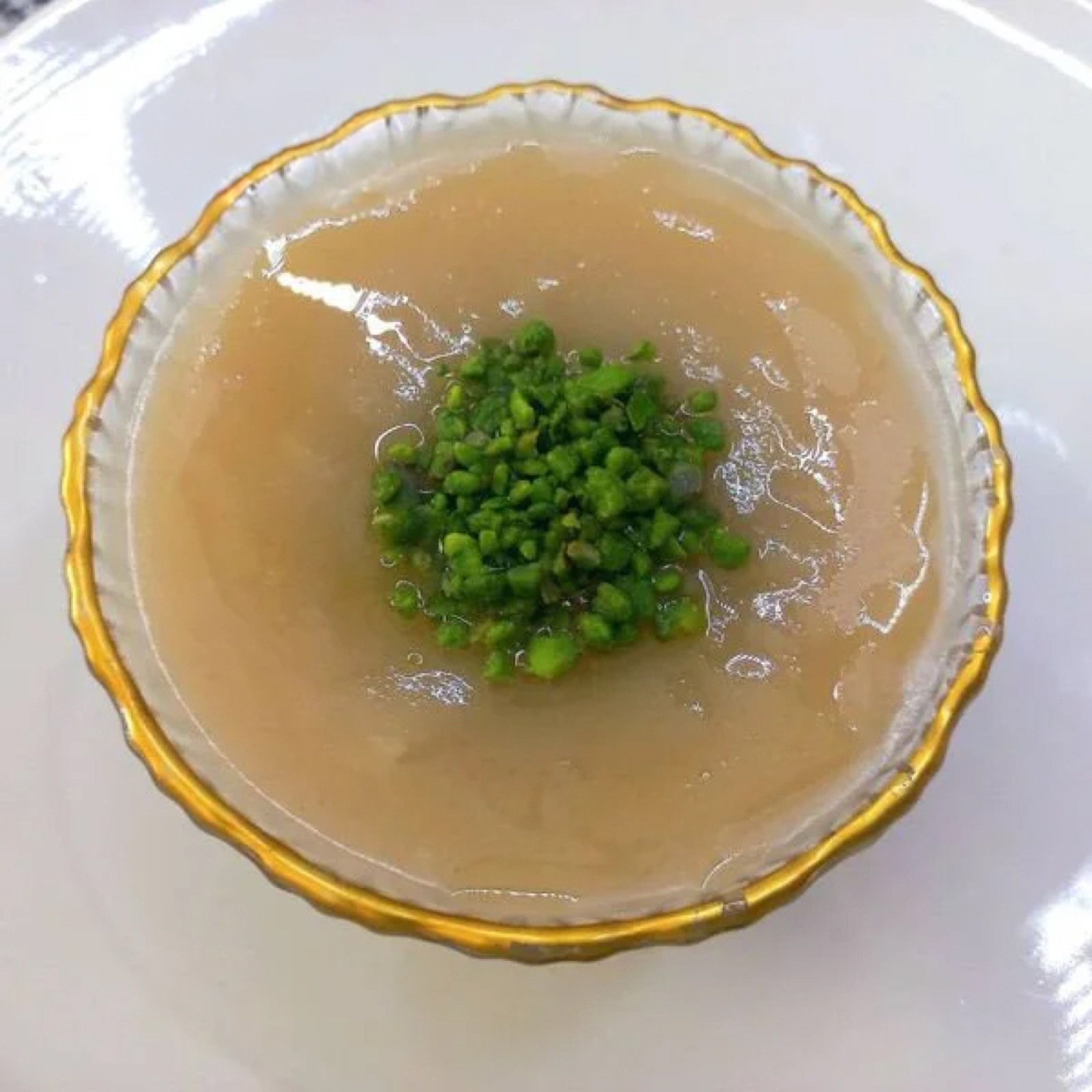
Wheat flour roasted in ghee and cooked with sweetened or molasses water to a porridge-like texture, a GI-registered flour dessert served hot.
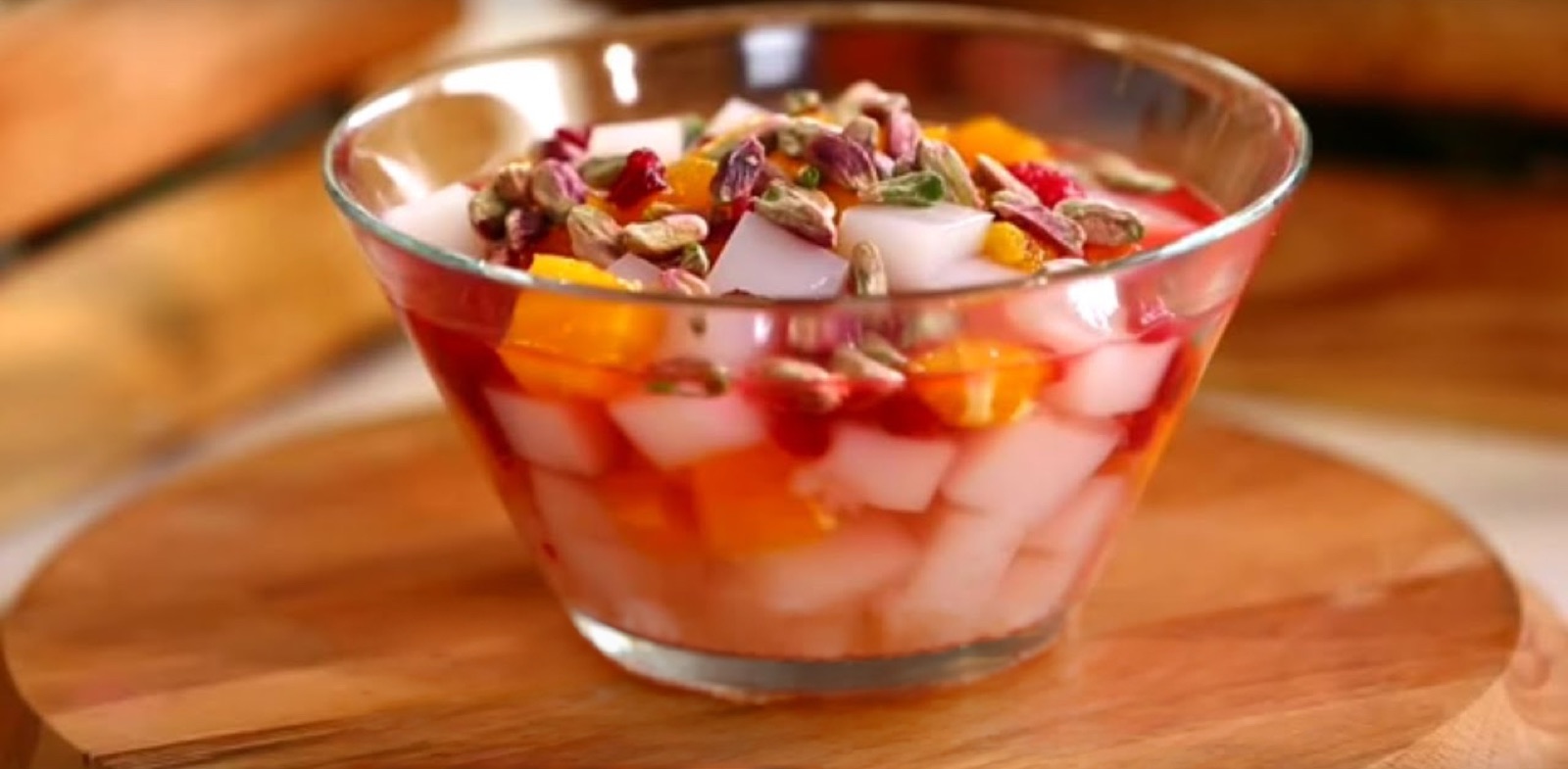
A thick starch pelte cut into small cubes and served in iced syrup scented with rosewater, a refreshing summer dessert.
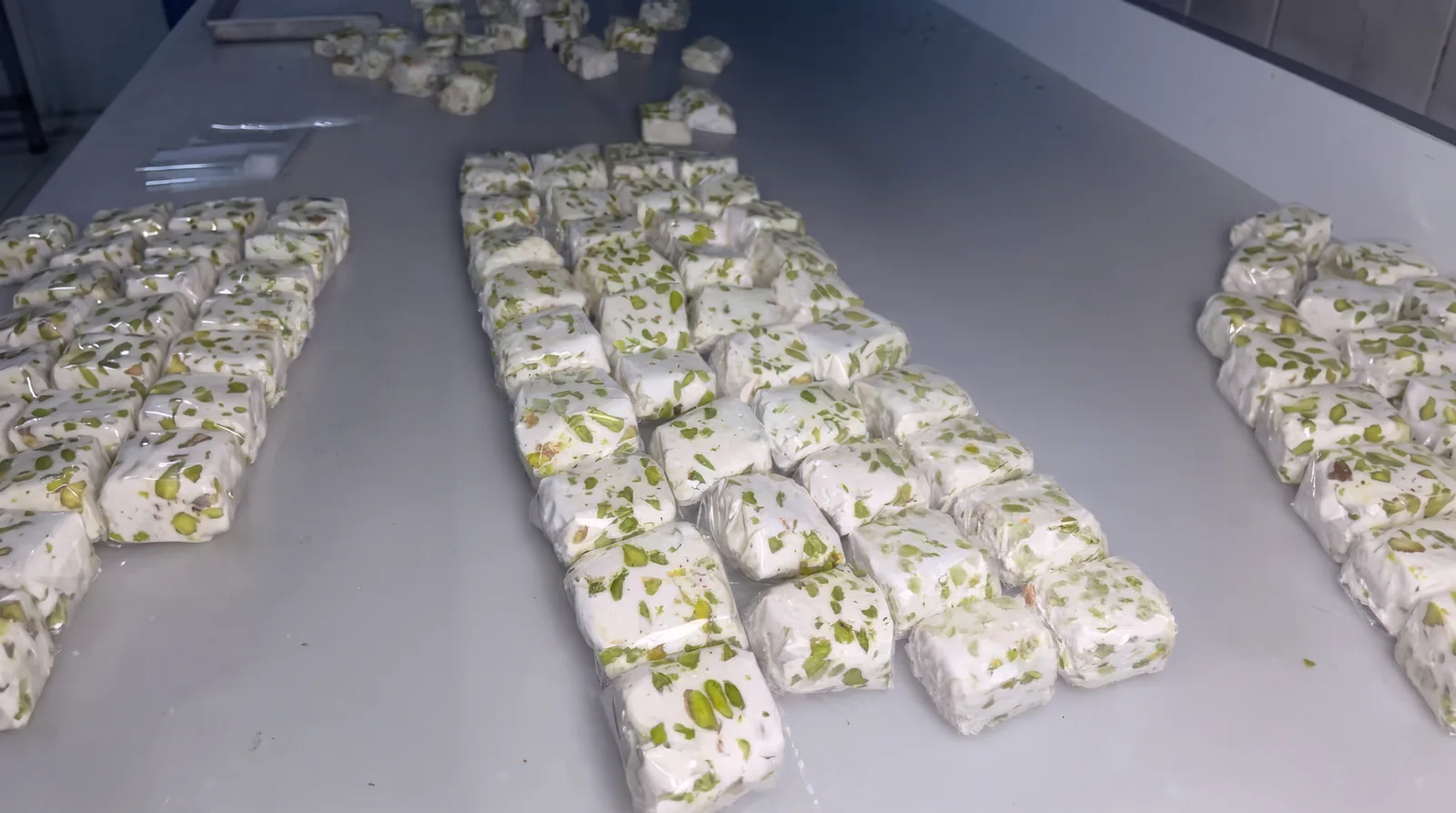
Gaziantep sakız halva (Sakız Helva): sugar whipped white with çöven, kneaded by hand with Antep pistachios or walnuts into a soft, elastic, registered halva.
Pistachio Paste, Pastries and Regional Sweets
This final group gathers the sweets beyond baklava and halva: the paste kneaded from boz iç pistachio, the cookies and rings that suit a glass of tea, and the regional treats born of the city's viticulture and squash traditions. Most keep their freshness for a long time and always find a place at the edge of the table.
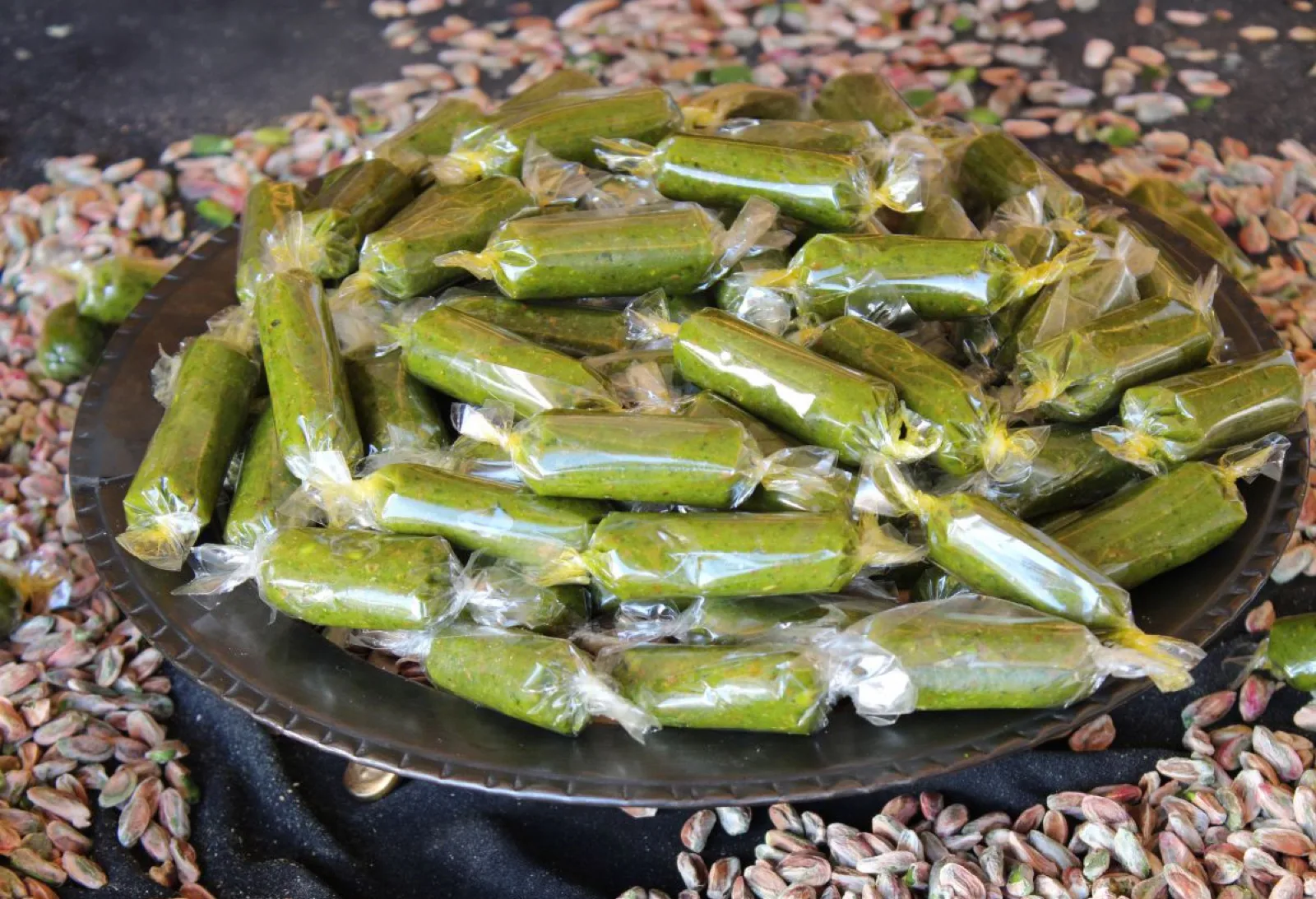
Boz iç Antep pistachio kneaded with sugar syrup into a dense, soft paste that brings the pistachio forward in its purest form.
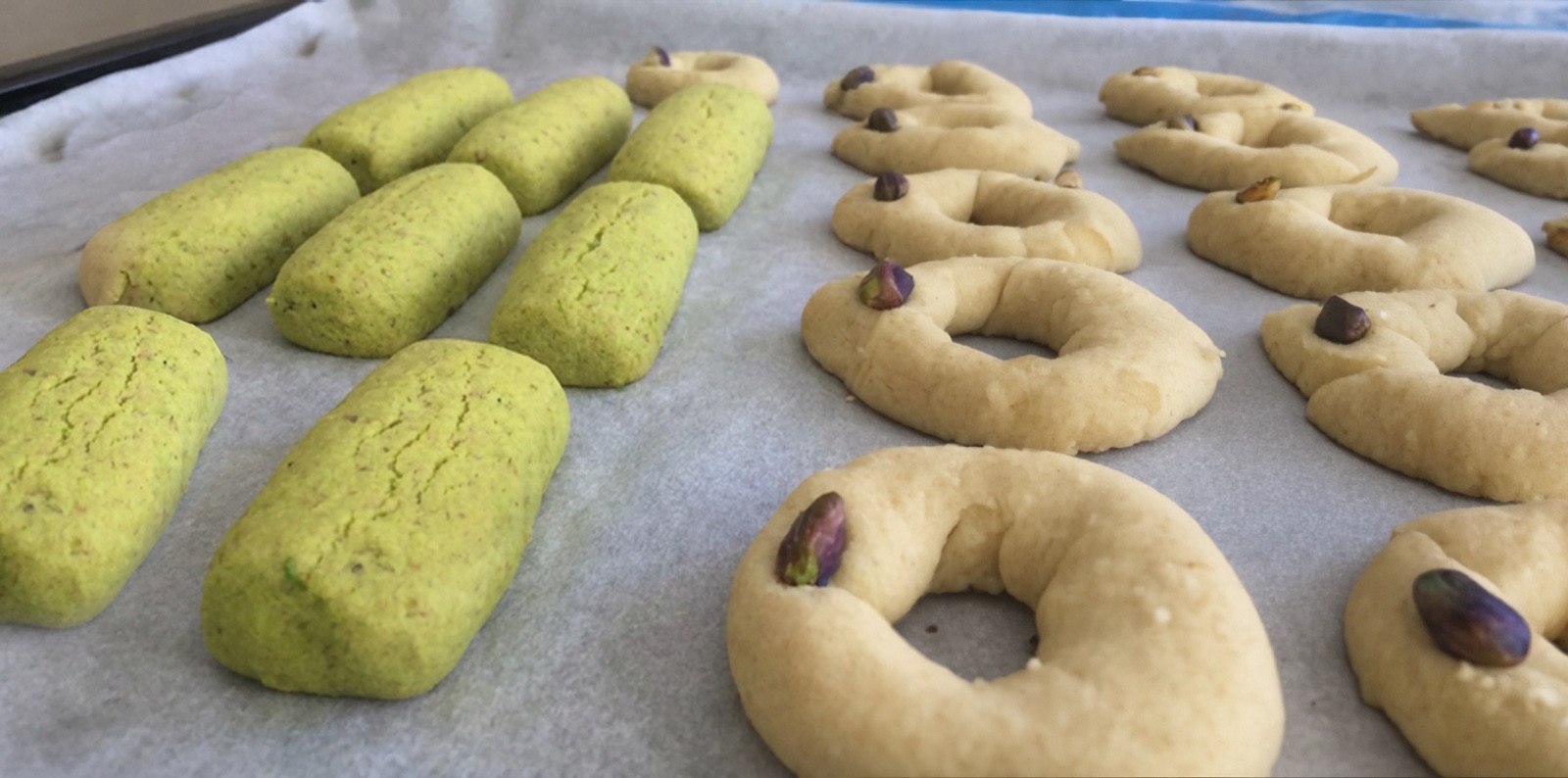
A ghee-based dough made with pistachio or walnut and baked to a melt-in-the-mouth texture, a regional cookie that suits a glass of tea.
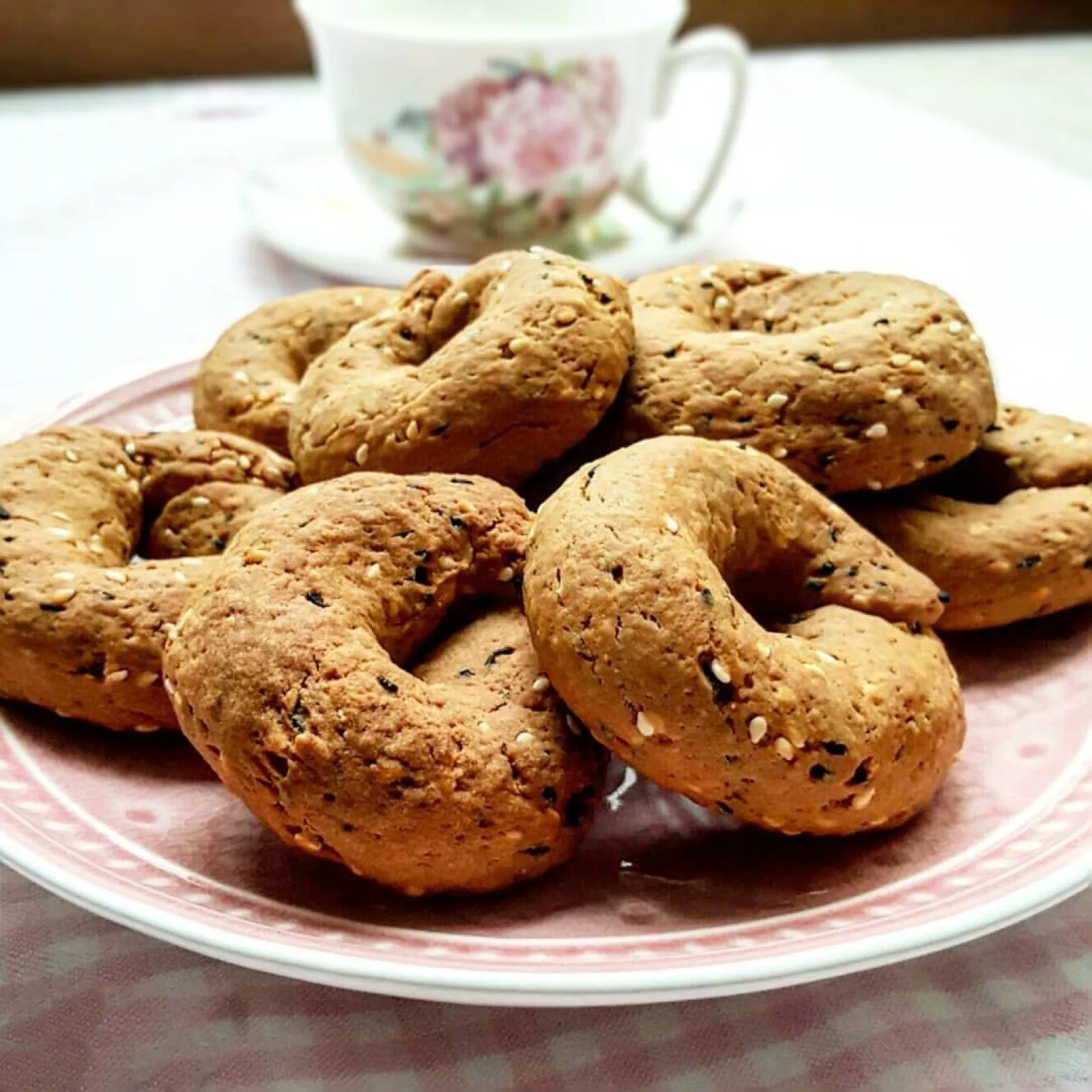
A dough of special kahke flour, semolina and clotted cream leavened with chickpea yeast, baked into small rings, a crisp and GI-registered baked good.
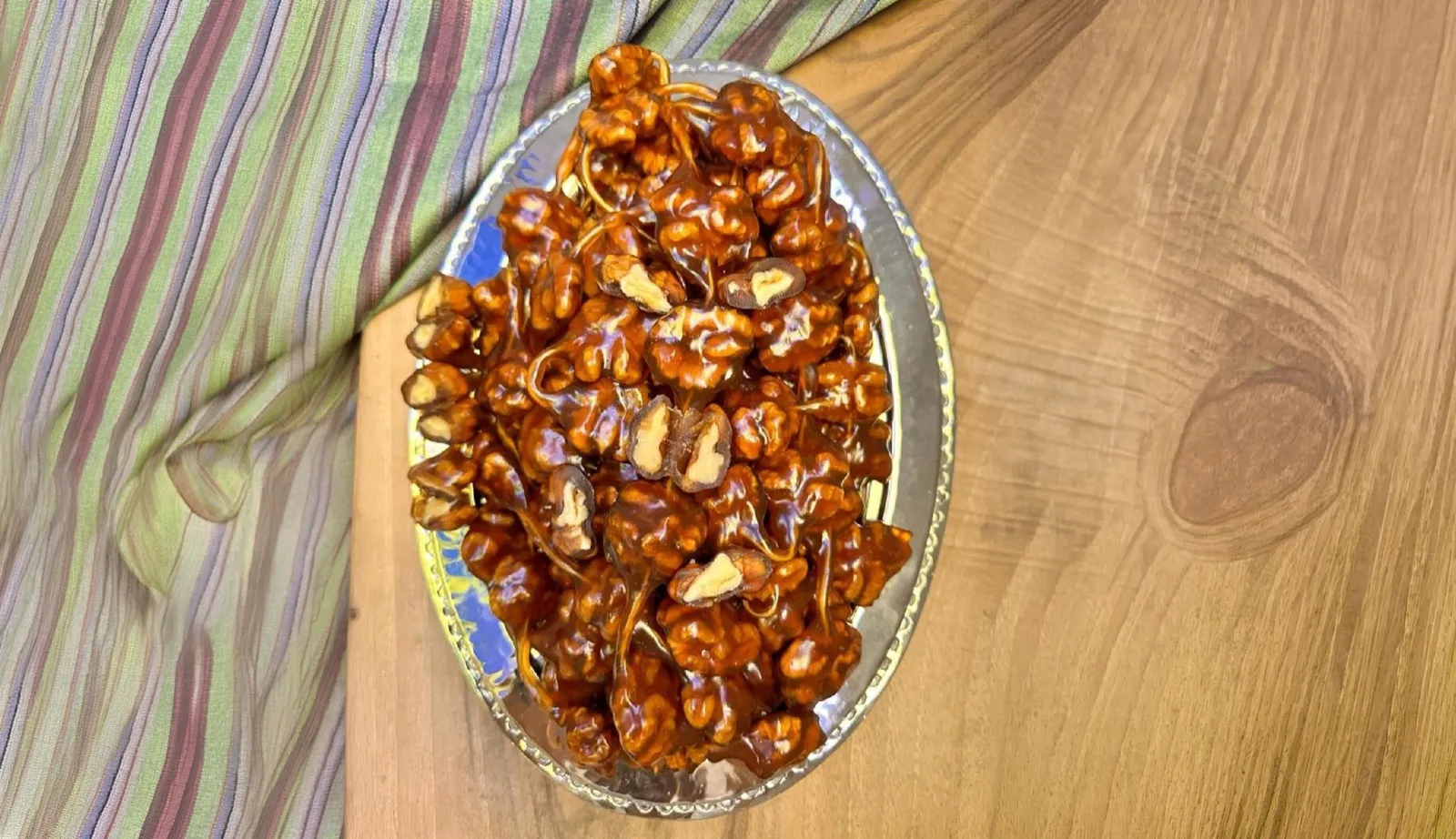
Walnuts strung on a thread and repeatedly dipped in a thick grape-molasses pelte, dried and sliced like a sausage, a traditional molasses sweet (no meat involved).
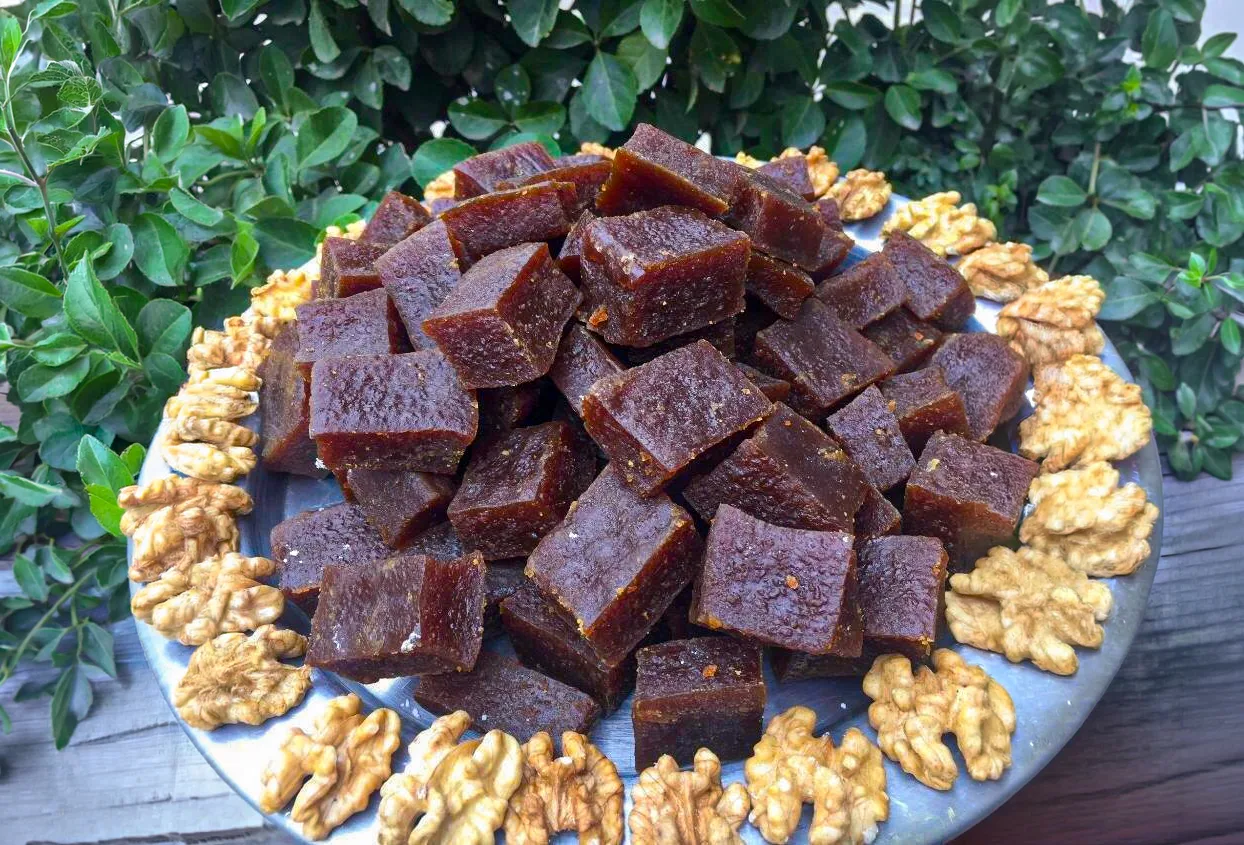
Grape molasses thickened with finely milled wheat (çiğ simit), dried in a tray and cut into diamond slices; Gaziantep's sweet "tarhana," a registered regional dessert.
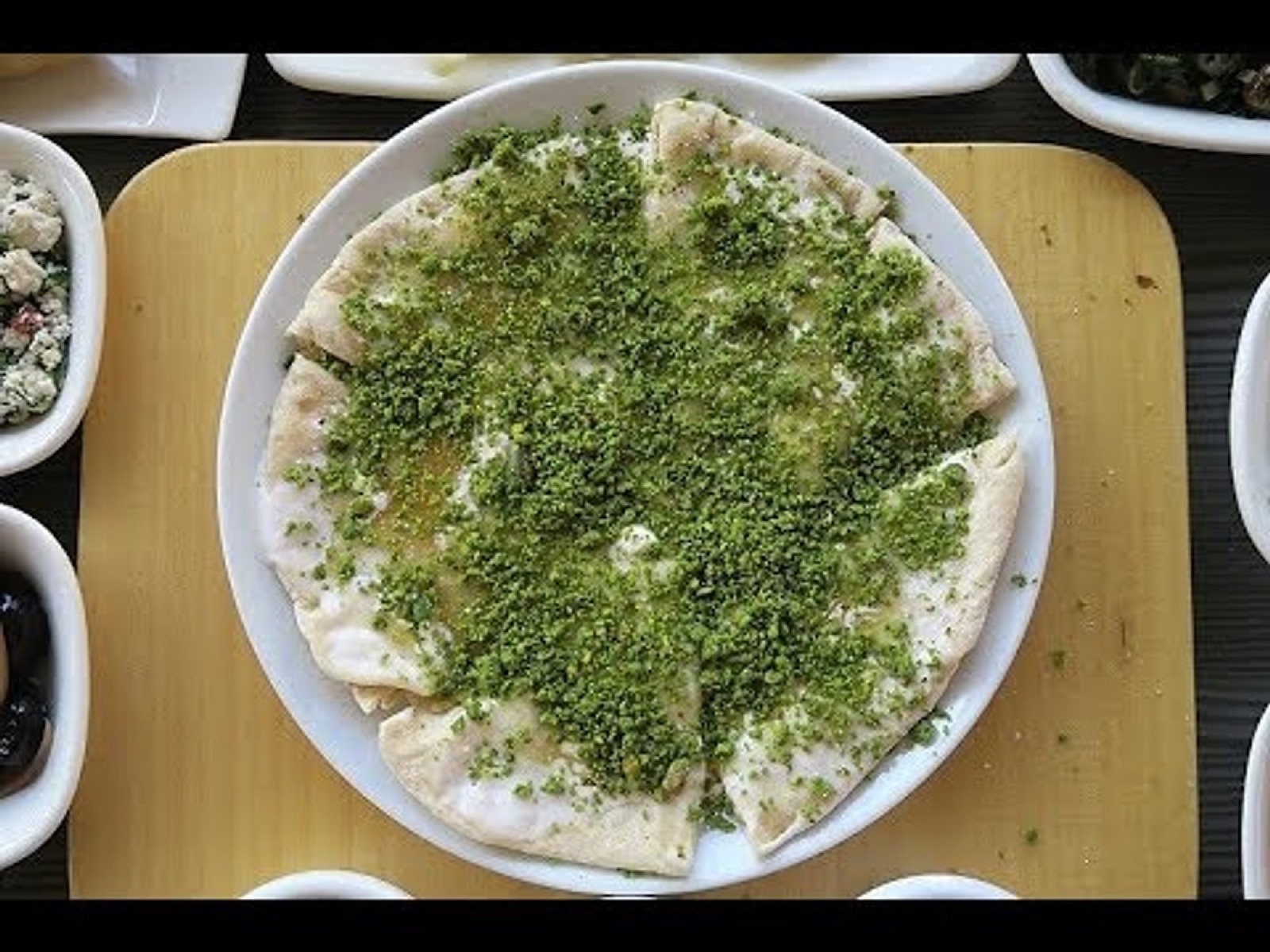
Thin crisp bread dipped into liquid milk cream and topped with honey, sugar and boz iç pistachio, a regional treat of the sweet breakfast table.
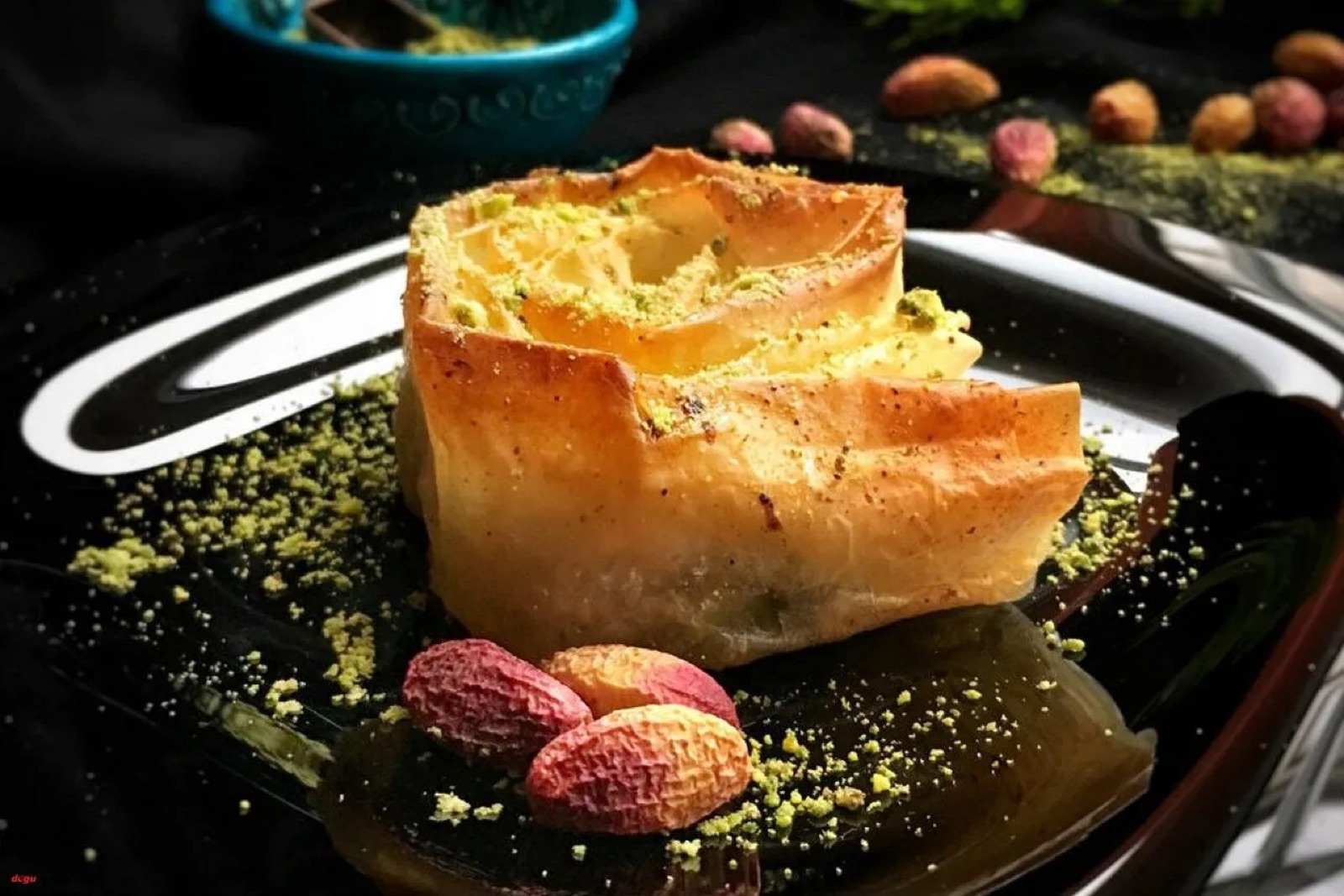
Paper-thin phyllo rolled into a cylinder around a kaymak filling and pistachio, baked then soaked in syrup, a GI-registered syrup-soaked pastry.
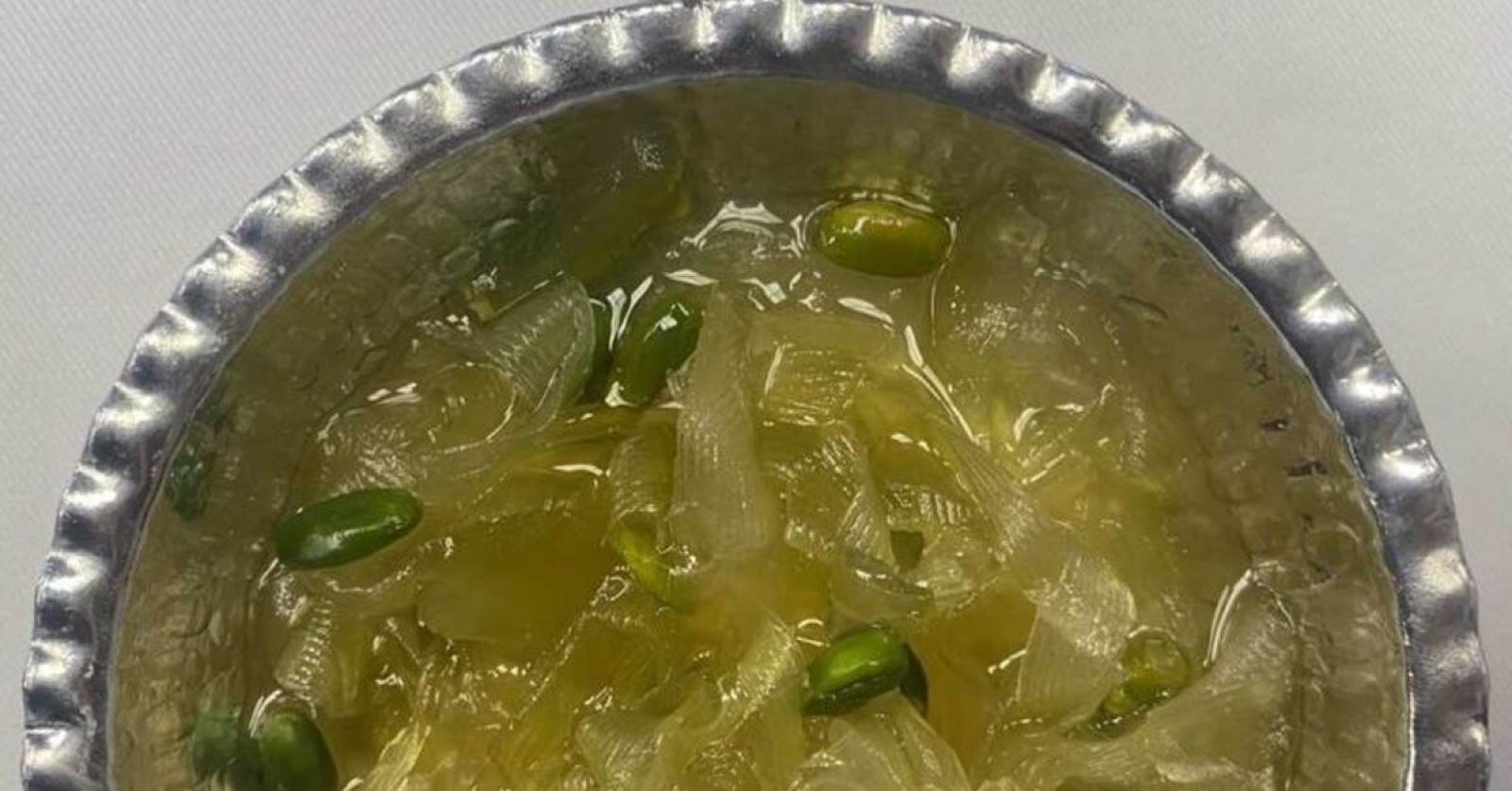
Gaziantep's local haylan squash thinly peeled and boiled with sugar and lemon, finished with boz iç pistachio, a GI-registered regional squash jam.
Three things define Gaziantep's desserts: the colour and aroma of the deep-green boz iç Antep pistachio, the ghee that coats pastry and filling with a richness unlike butter alongside the clotted cream that lends depth to milk-based sweets, and the lemony syrup that finishes a dessert. So in this city "dessert" describes not one plate but a broad family that varies around these three pillars.
What Makes Antep Desserts Distinct?
The line that separates the Gaziantep dessert from other sweet traditions usually lies in the quality of the ingredients and in craftsmanship. The pistachio is no ordinary pistachio but boz iç Antep pistachio, which turns deep green once peeled; the fat in most recipes is not butter but the denser, more aromatic ghee; and the syrup is not heavy but a measured sweetness balanced with lemon. At the same counter the layered, syrup-soaked phyllo of baklava can sit beside the plain, syrup-free flour texture of kuymak.
To see the city's wider repertoire of kebabs, soups and pastries beyond the dessert, take a look at the Gastronomy page; the detailed recipe for each dessert is reachable from the links above.
Frequently Asked Questions
How many kinds of dessert does Gaziantep have?
This page brings together 22 of Gaziantep's dessert varieties and gathers them into three groups: baklava and pistachio pastries, halva and milk-based desserts, and pistachio paste with pastries and regional sweets. The city's repertoire is wider still; listed here are the best-known varieties with a detailed page of their own.
Why does pistachio stand out so much in Gaziantep's desserts?
The boz iç Antep pistachio, which turns deep green once its skin is peeled, gives both colour and aroma to many sweets, from baklava to katmer and from pistachio paste to halva. Registered with a geographical indication, this pistachio is the distinctive signature of Antep desserts.
Are Antep desserts syrup-soaked or plain?
Both exist. Sweets such as baklava, şöbiyet and dolangel are finished with a measured syrup balanced with lemon; others such as kuymak, pistachio paste and walnut sujuk are syrup-free and take their sweetness from ingredients like pistachio, grape molasses or honey.
Which Gaziantep desserts carry a geographical indication?
Gaziantep baklava is registered with a geographical indication; in addition, Gaziantep kuymak, dolangel dessert, haylan squash jam and köylü kahkesi (Antep Village Kahke) have been registered as geographical indications by TÜRKPATENT. These registrations protect the recipe and the regional identity.
Why is Gaziantep a UNESCO City of Gastronomy?
Gaziantep was, in 2015, the first Turkish city admitted to the UNESCO Creative Cities Network as a City of Gastronomy. Its baklava tradition, the breadth of its desserts and the number of its registered regional products are among the main grounds for the title.