Gaziantep is a city that produces not only with its palate but with its hands. The coppersmith's hammer, the weaver's loom, the goldsmith's wire and the embroiderer's needle have worked with the same patience in these streets for centuries. Crafts are the tangible heritage of Antep's ancient trading identity and its daily life.
Many of these crafts were nourished by the city's position on the Silk Road and by its fertile land. In the 18th century Antep merchants carried kutni and cotton weaving as far as Europe and coppersmiths produced in their own bazaar; today this accumulation continues as geographical-indication registrations, living workshops and a heritage reaching as far as UNESCO.
Below we have grouped Gaziantep's crafts under three headings — from weaving and embroidery to metal, wood and leather crafts, and to the crafts of flavour and the land. By going to each craft's own page you can read its technique, history and place in the city in detail.
Weaving and Embroidery
Loom and needle mastery inherited from the Silk Road: kutni fabric, kilims and carpets, and the world-recognised Antep İşi.
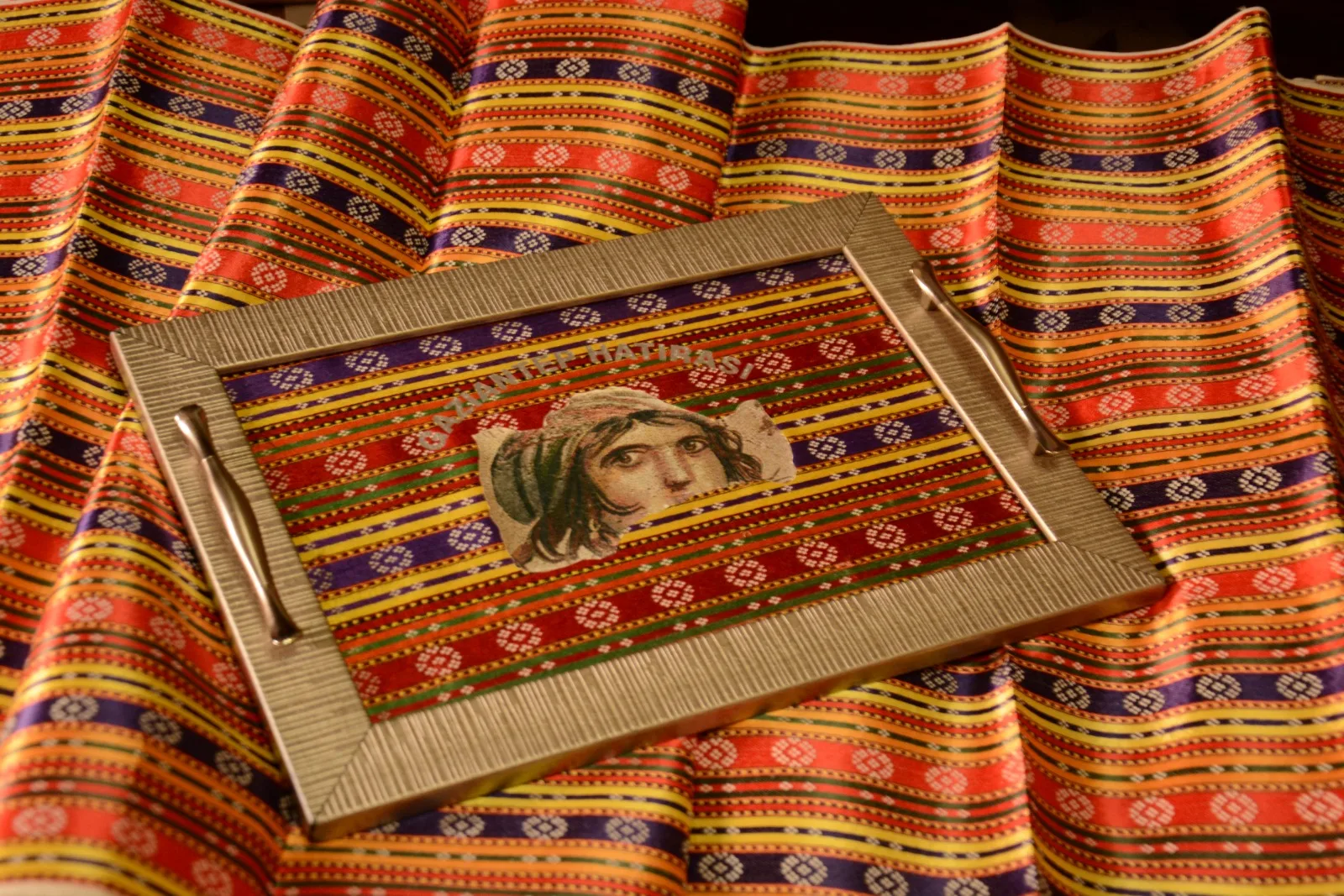
A striped, silky silk-cotton fabric woven on hand looms; Antep weaving from the Silk Road to today.
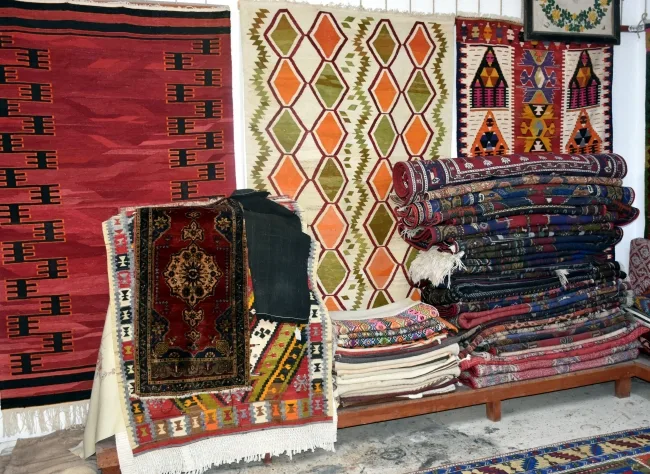
A hand-weaving tradition of kilims and carpets with natural dyes and regional motifs; today Antep is a world centre of carpet production.
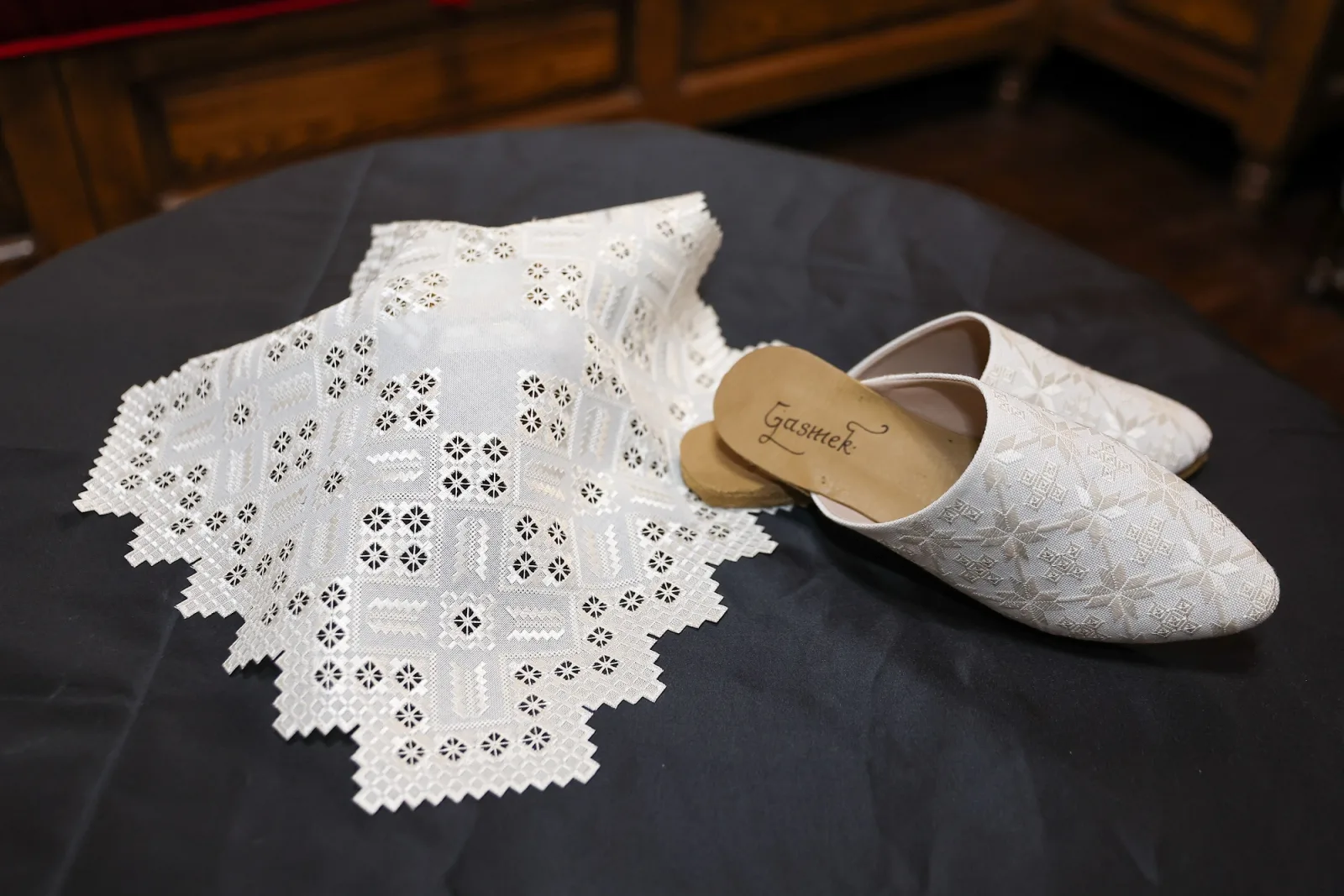
Gaziantep's distinctive openwork white-needle embroidery; geographically indicated and inscribed on UNESCO's Representative List in 2025.
Metal, Wood and Leather
Hammered copper, high-karat gold, mother-of-pearl inlay and leather yemeni: crafts where fire, hammer and hand meet.
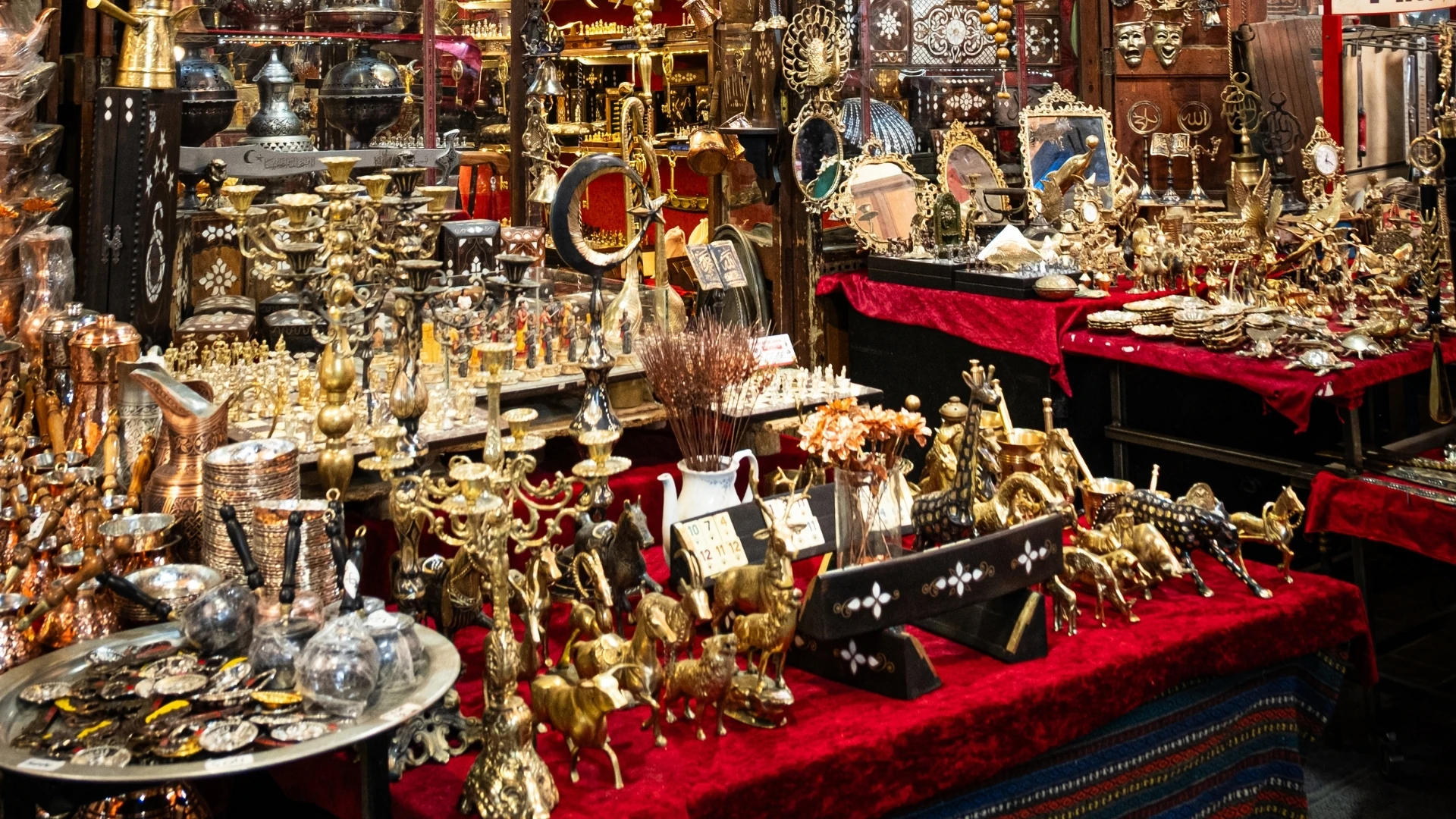
Tinned copper, annealed in fire and hammered from a single piece; a geographically indicated craft alive in the Coppersmiths' Bazaar.
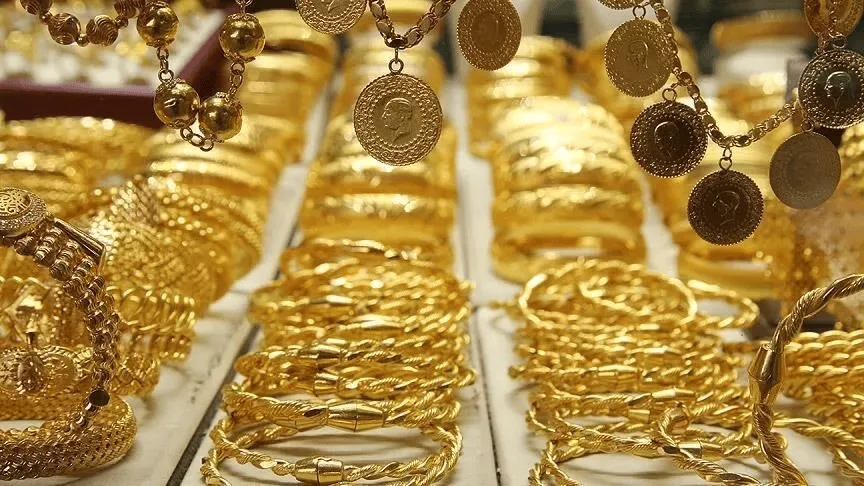
Antep's deep-rooted jewellery craft of high-karat gold and filigree (telkâri) silverwork.
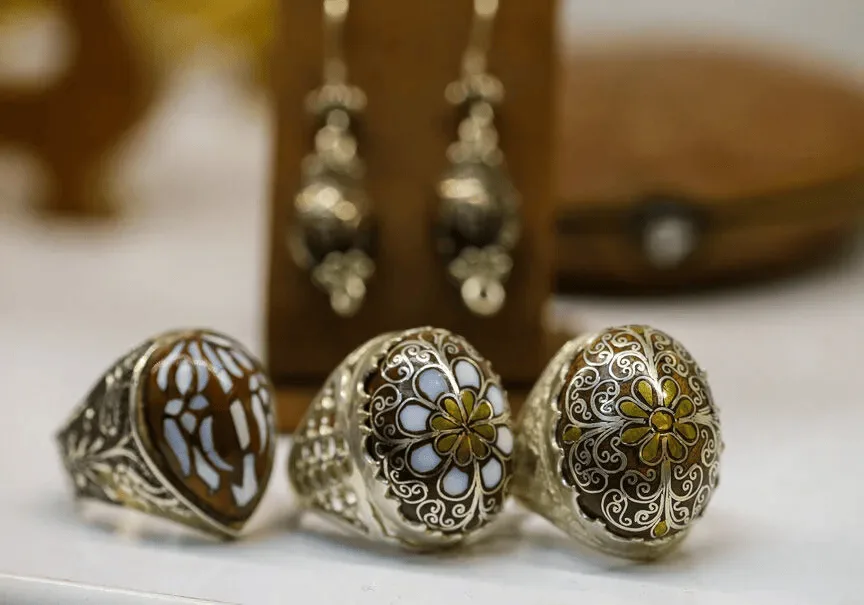
Mother-of-pearl inlaid into walnut; a geographically indicated art carved with steel chisels and set with silver wire.
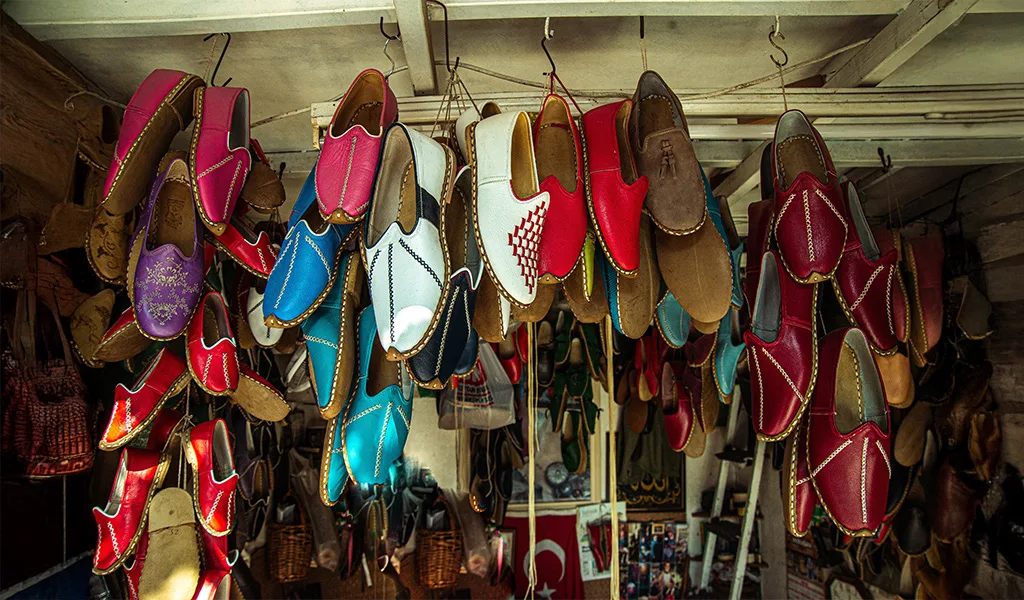
The handmade soft-leather shoe 'yemeni'; a craft rooted in sahtiyan leatherwork, its red form become iconic.
Crafts of Flavour and the Land
Traditions that turn Antep's table and olive groves into craft: baklava mastery, paste and spices, and Nizip's olive soap.
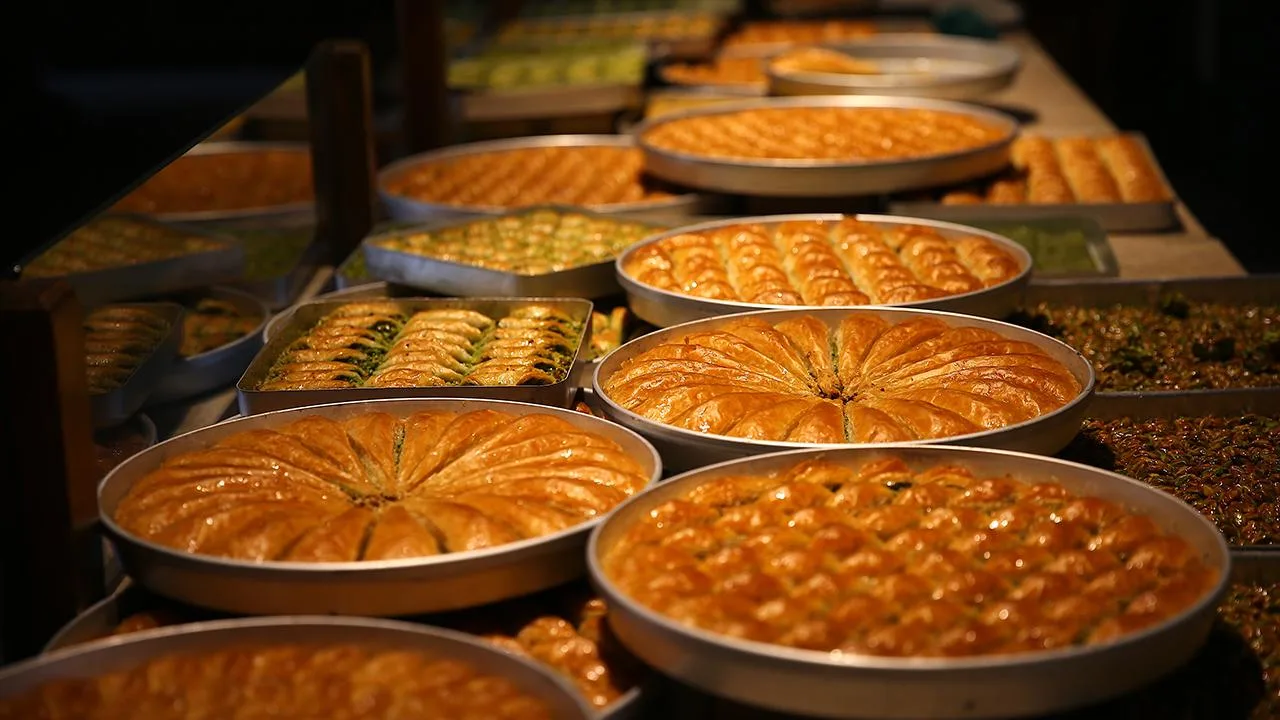
Phyllo thin as paper, pistachio and clarified butter; the geographically indicated mastery of baklava, passed master to apprentice.
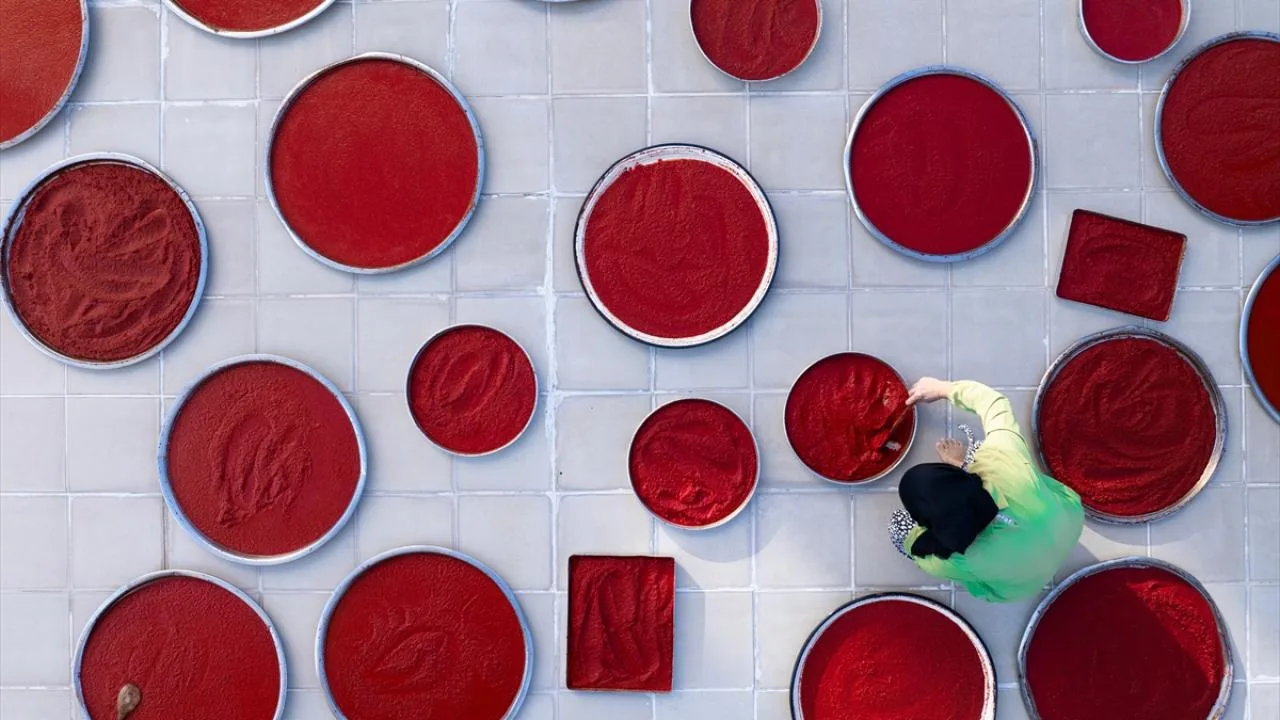
Sun-dried pepper paste and isot; the geographically indicated food craft that gives Antep cuisine its colour and aroma.
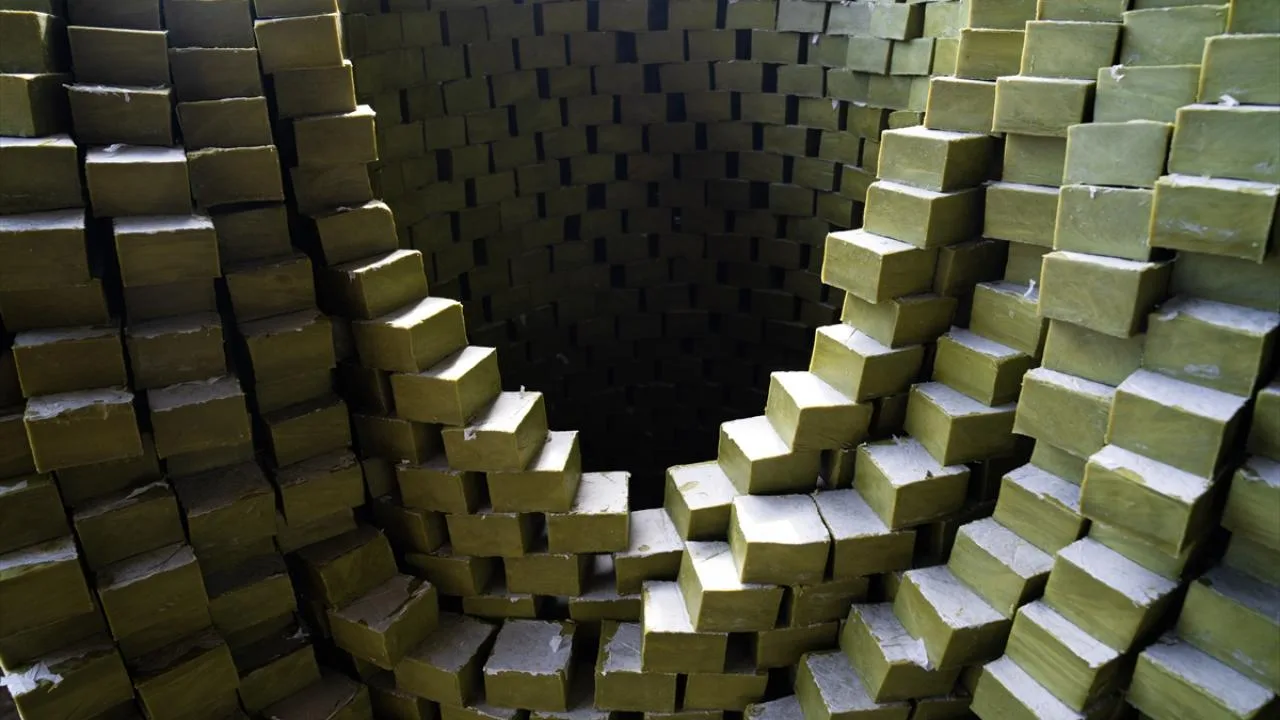
A geographically indicated olive soap moulded over months from Nizip's olive and pomace oil by hand.
Trip Tips
In Gaziantep you can see crafts not only behind glass but where they are made. To hear the coppersmiths' hammers, the historic Coppersmiths' Bazaar; for copper as a museum collection, the Copper Museum; and to see the place of handiwork within the dowry tradition, the Hasan Süzer Marriage and Life Culture Museum are good stops.
To see where these crafts meet the kitchen, the baklava and pepper paste pages; and to discover all of the city's cultural stops, the Culture Atlas are complementary.
Sources
- Kars, R. (2018). XVIII. Yüzyılın İlk Yarısında Ayntablı Tüccarların Faaliyetleri Kapsamında İç Ticarete Konu Olan Emtia. Gaziantep Üniversitesi Ayıntâb Araştırmaları Dergisi, 1(1), 36-48.
Frequently Asked Questions
What are Gaziantep's main crafts?
The city's crafts fall into three clusters: weaving and embroidery (Kutnu Fabric, Kilim and Carpet Weaving, Antep İşi); metal, wood and leather (Coppersmithing, Goldsmithing, Gaziantep Mother-of-Pearl Inlay, Yemeni Shoemaking); and crafts of flavour and the land (the Craft of Baklava, Spice and Paste Production, Nizip Soap).
Which of these crafts are geographically indicated?
Those protected by a geographical indication include Gaziantep copper handicraft, Kutnu, Antep İşi, Gaziantep mother-of-pearl inlay, Gaziantep pepper paste, Nizip Soap and Gaziantep Baklava. These registrations legally protect the product's tie to the region and its traditional method.
Why is Antep İşi special?
Antep İşi is an openwork white-needle embroidery distinctive to Gaziantep in its motifs and techniques. Besides its geographical indication, it was inscribed on UNESCO's Representative List of the Intangible Cultural Heritage of Humanity on 11 December 2025.
Where can I see these crafts?
For coppersmithing you can watch live production in the historic Coppersmiths' Bazaar; copper works are displayed at the Copper Museum and traditional handiwork at the Hasan Süzer Ethnography Museum. Many crafts are still kept alive in the old city's bazaars and bedestens.
What sets Gaziantep coppersmithing apart?
The signature of Gaziantep coppersmithing is that pieces are shaped without solder, hammered from a single mass of copper (in one piece), and then tinned. This craftsmanship is also protected by a geographical indication as Gaziantep copper handicraft.