Gaziantep's historic buildings seem to have carved into stone and wood the story of how the city became a centre of trade, faith and daily life over the centuries. From the Hans quarter at the foot of the castle to the stone mansions of the Bey Quarter, from centuries-old mosques to former Armenian churches and the water systems flowing underground, these structures carry Antep's layered memory into the present.
Most of these structures are gathered within the historic city core, within walking distance of one another, which makes it easy to combine them on a single visit. The coppersmith's hammer, the cool shade of a bedesten, the light filtering through a bathhouse dome and the menengiç brewing in a coffee house are all part of the same fabric.
Below we have grouped the city's historic buildings under four headings — from bazaars and hans to places of worship, from mansions to spaces of water and daily life. By going to each building's own page you can read its history, architecture and place in city life in detail.
Bazaars, Hans and Trade
Antep's commercial life from the caravan age to today: the coppersmiths' lane, covered bedestens, the spice market and a historic han.
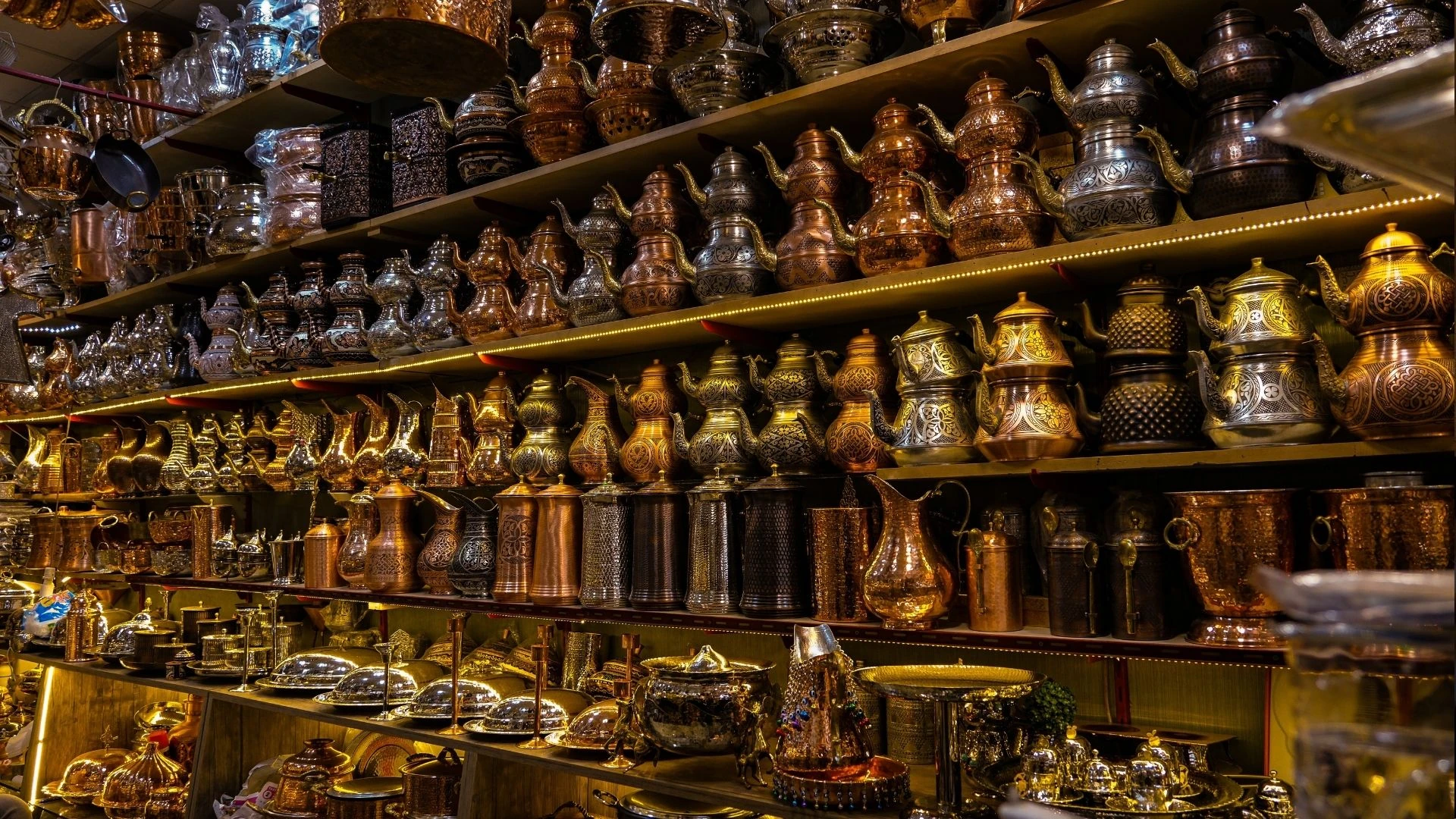
A living craft lane where hammered copper has been worked for centuries, never falling silent.
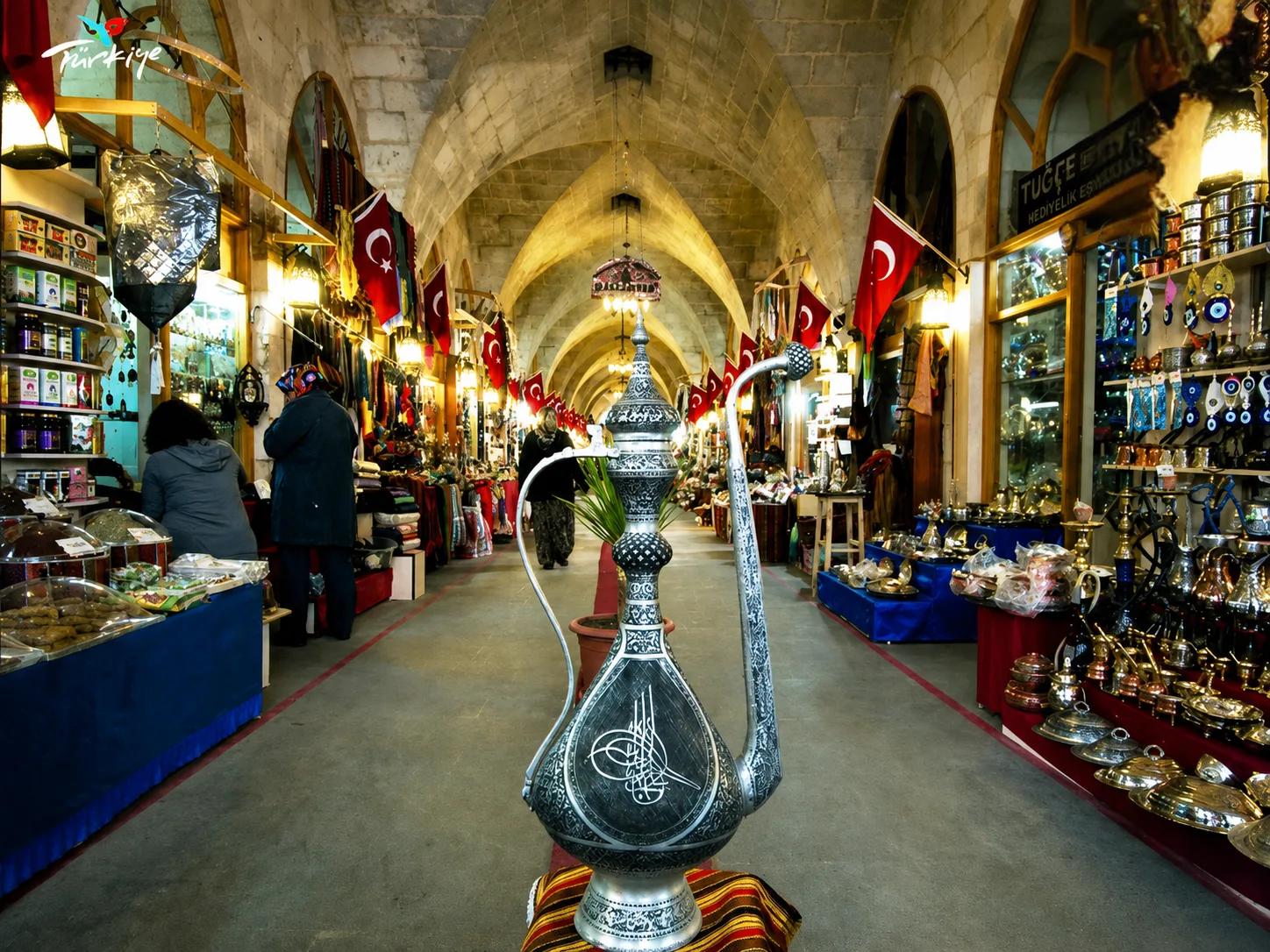
An 18th-century covered bazaar; a historic trading hall of carpets, antiques and spices.
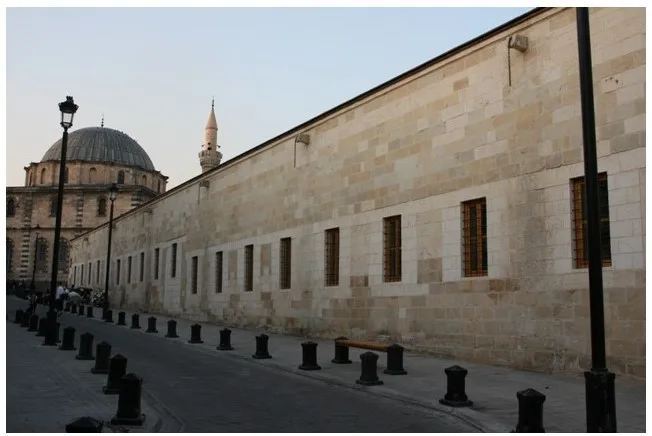
One of the old city's long-established covered bazaars, part of Antep's caravan-age trade fabric.
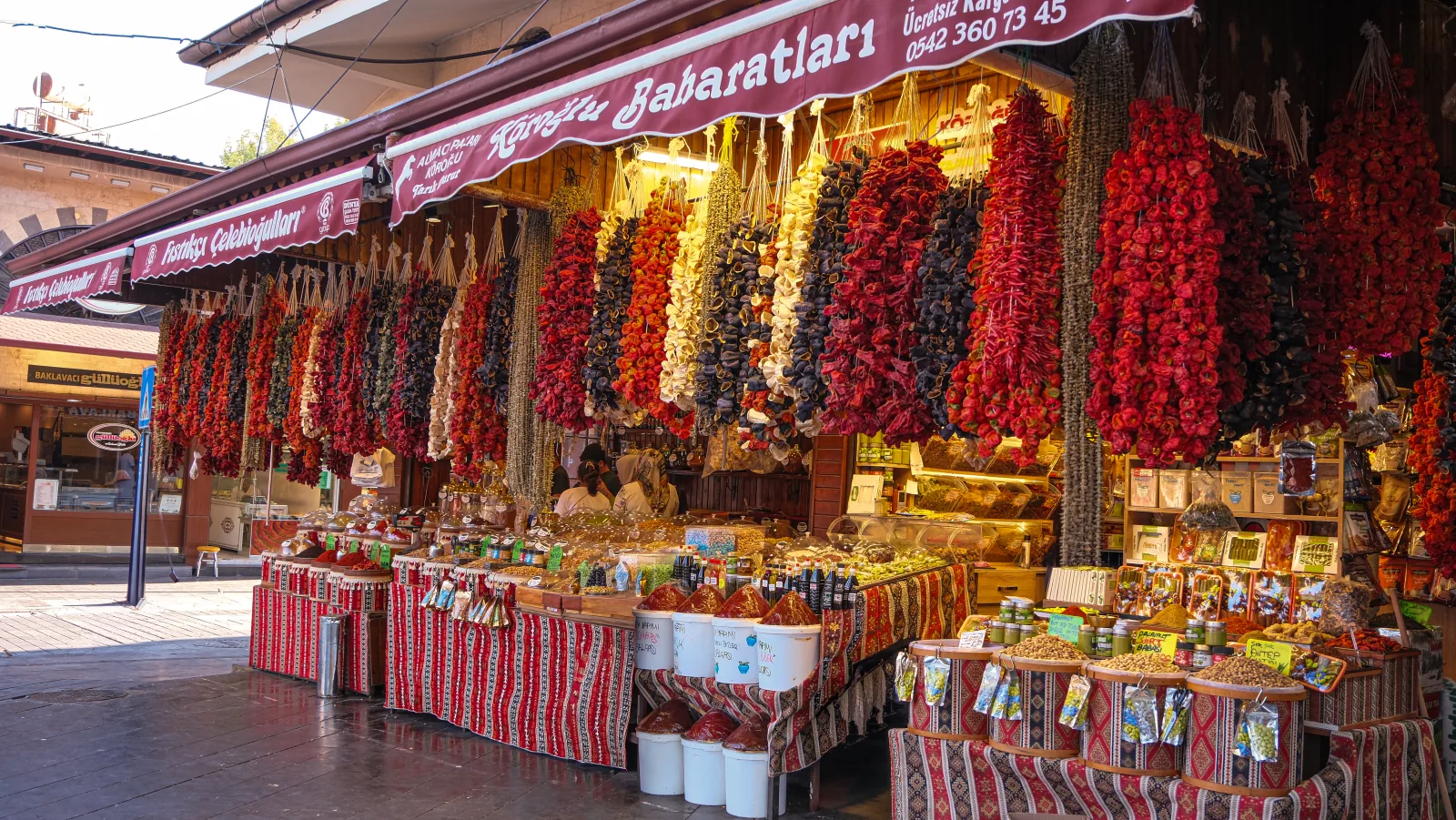
A traditional market filled with the scent of spices, dried nuts and Antep pistachio.
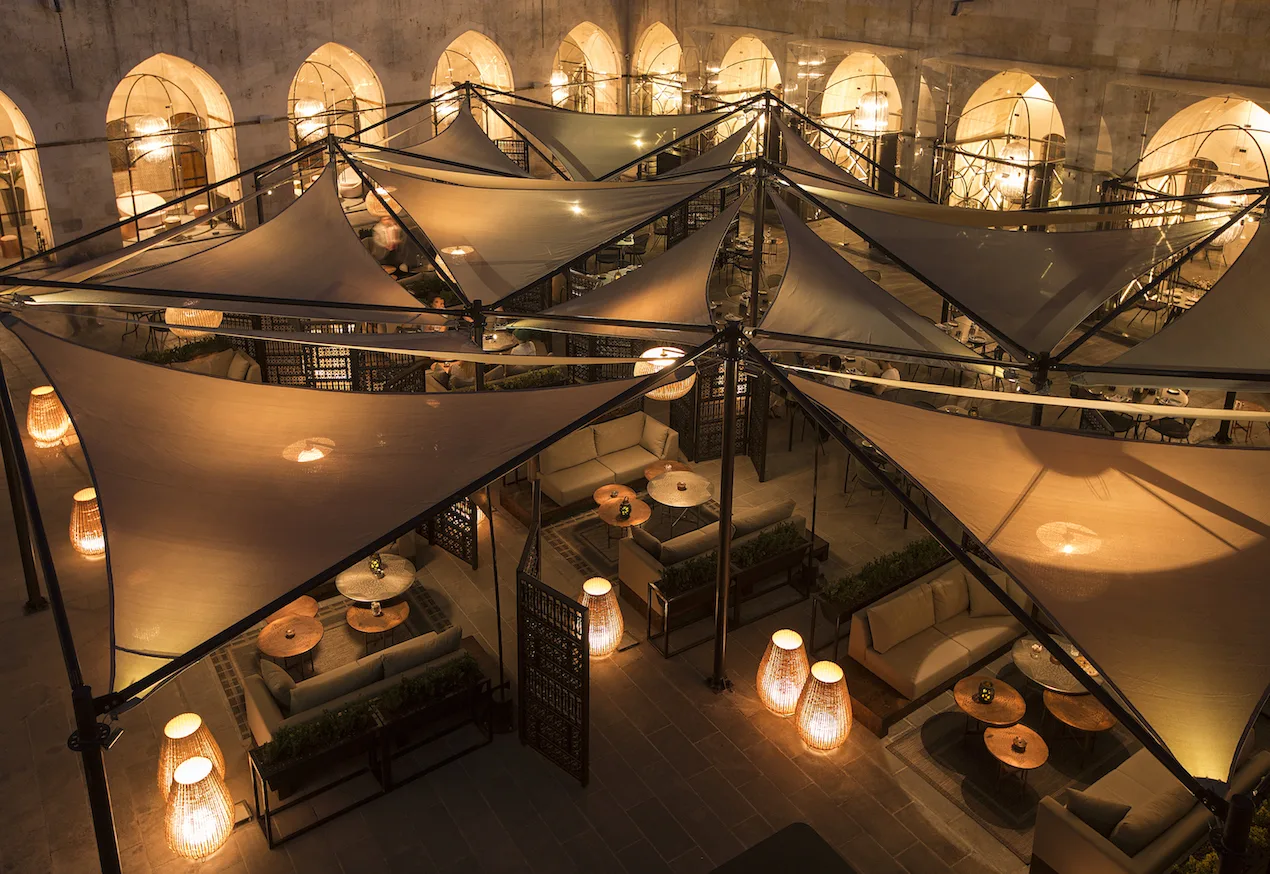
A historic Ottoman han in the Hans quarter, restored into a café and events venue.
Places of Worship and Faith
Mosques, churches and a dervish lodge that reflect the city's multi-faith past and architectural mastery.
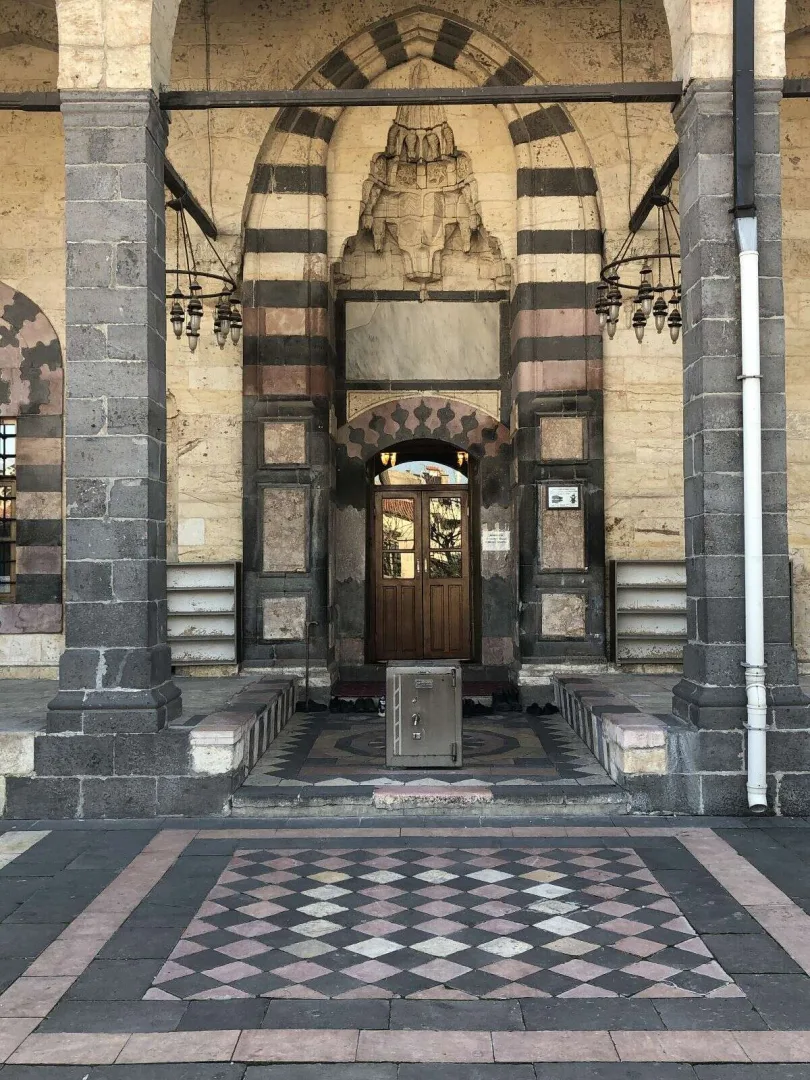
A mid-16th-century complex of mosque, kastel, madrasa and bath; famed for its fan-vaulted prayer hall.
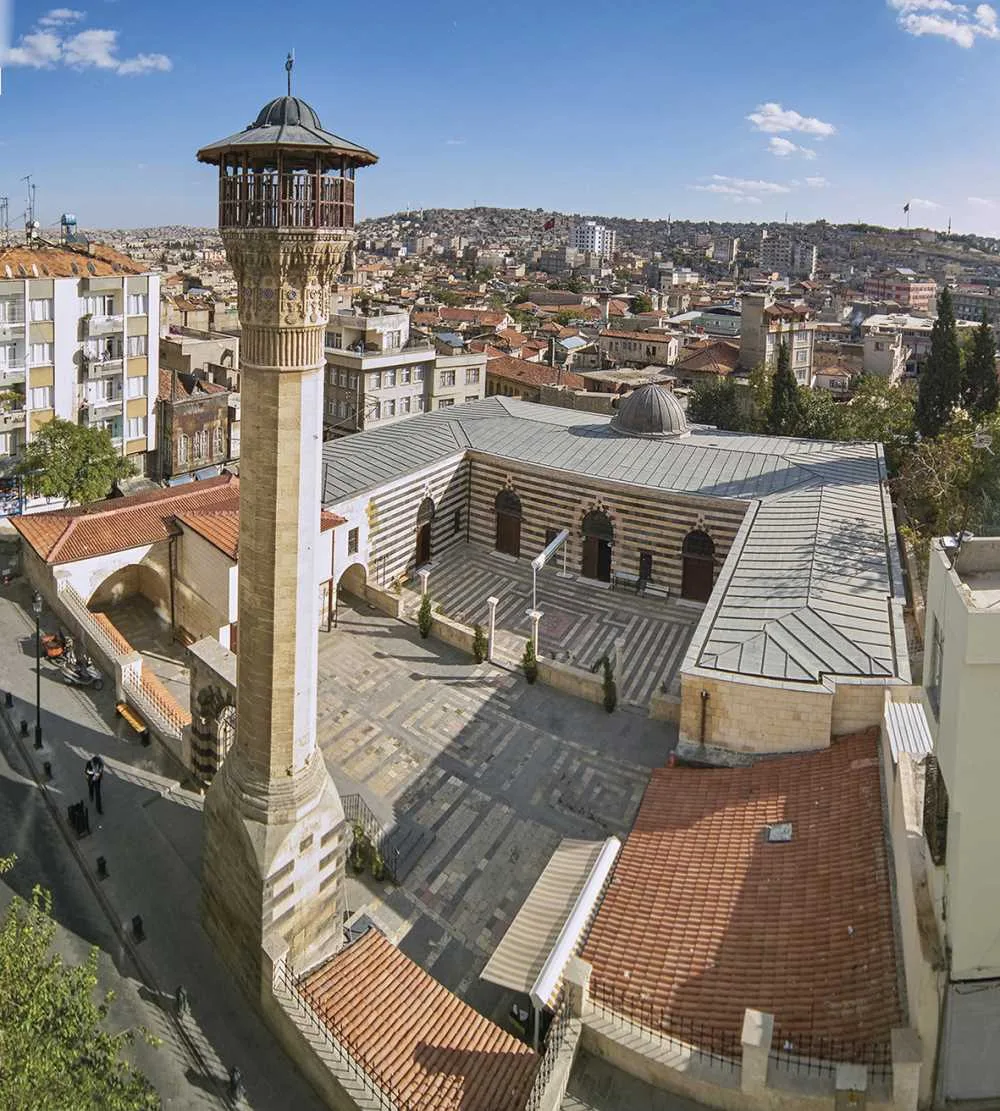
One of Anatolia's most unusual mosques, with a walnut kündekâri minbar that slides on rails.
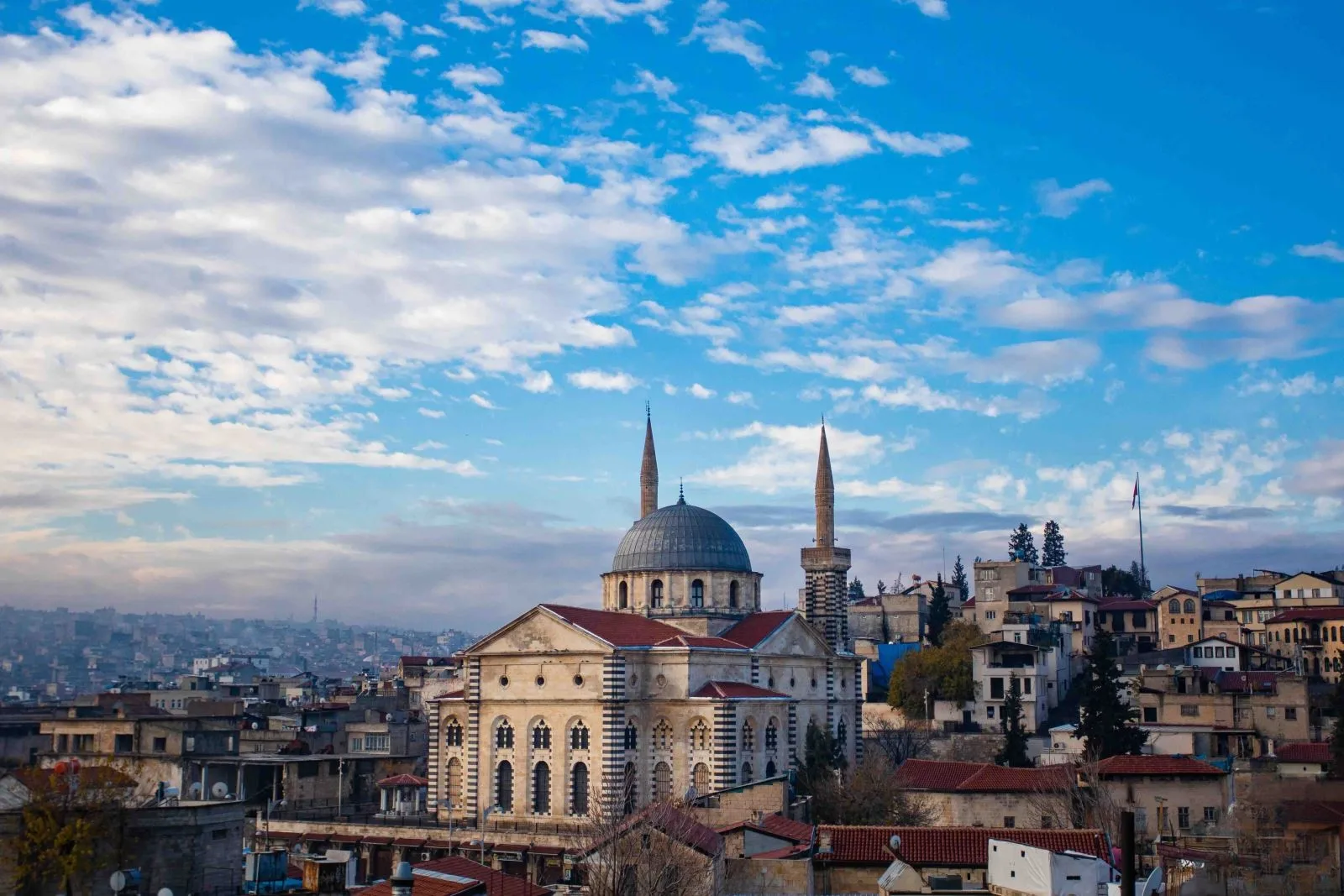
Built in the 1890s as an Armenian cathedral and later turned into a mosque, a symbol of the city's layered memory.
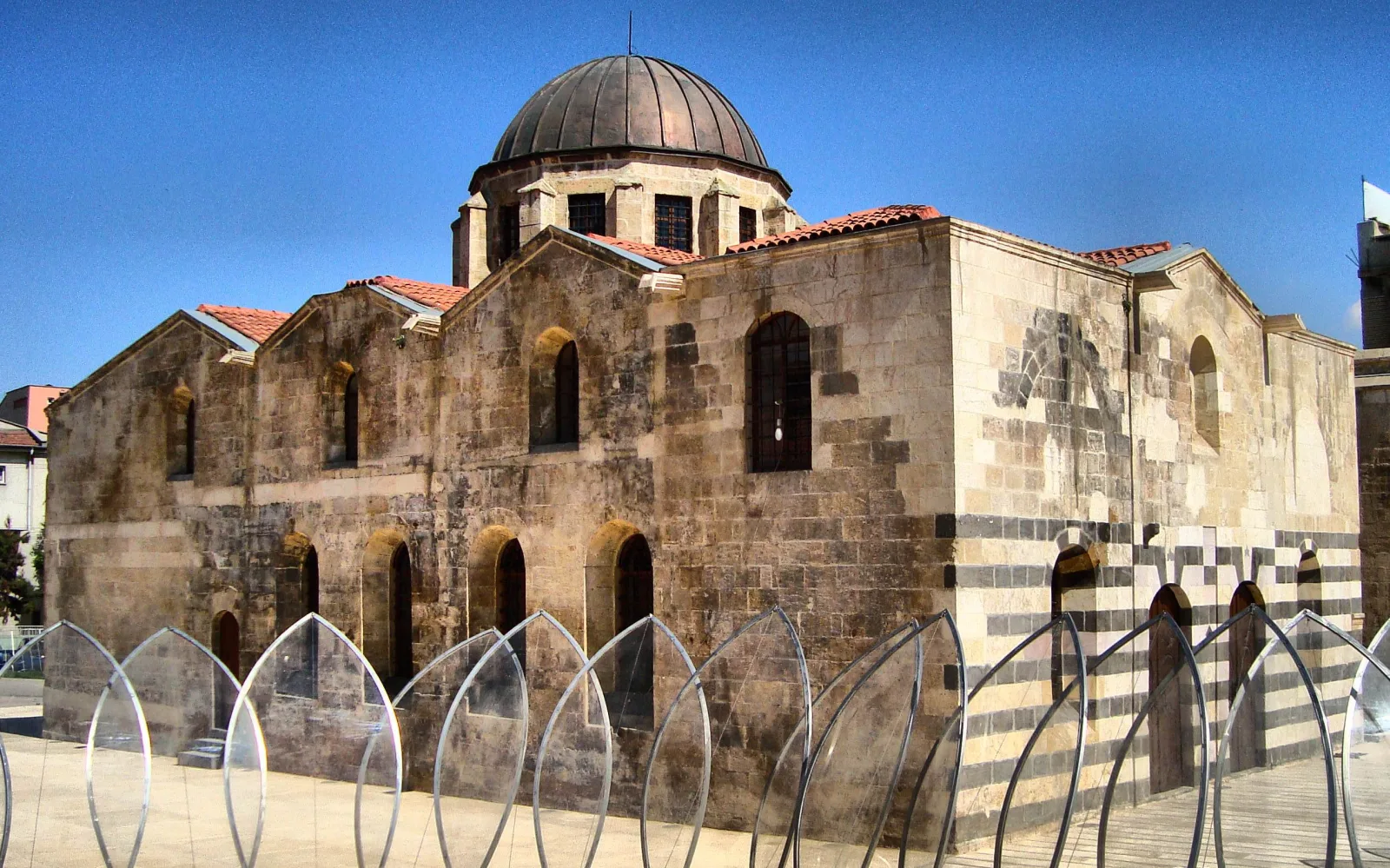
An Armenian church long hidden inside a factory, revealed in 2005 and now the Ömer Ersoy Cultural Center.
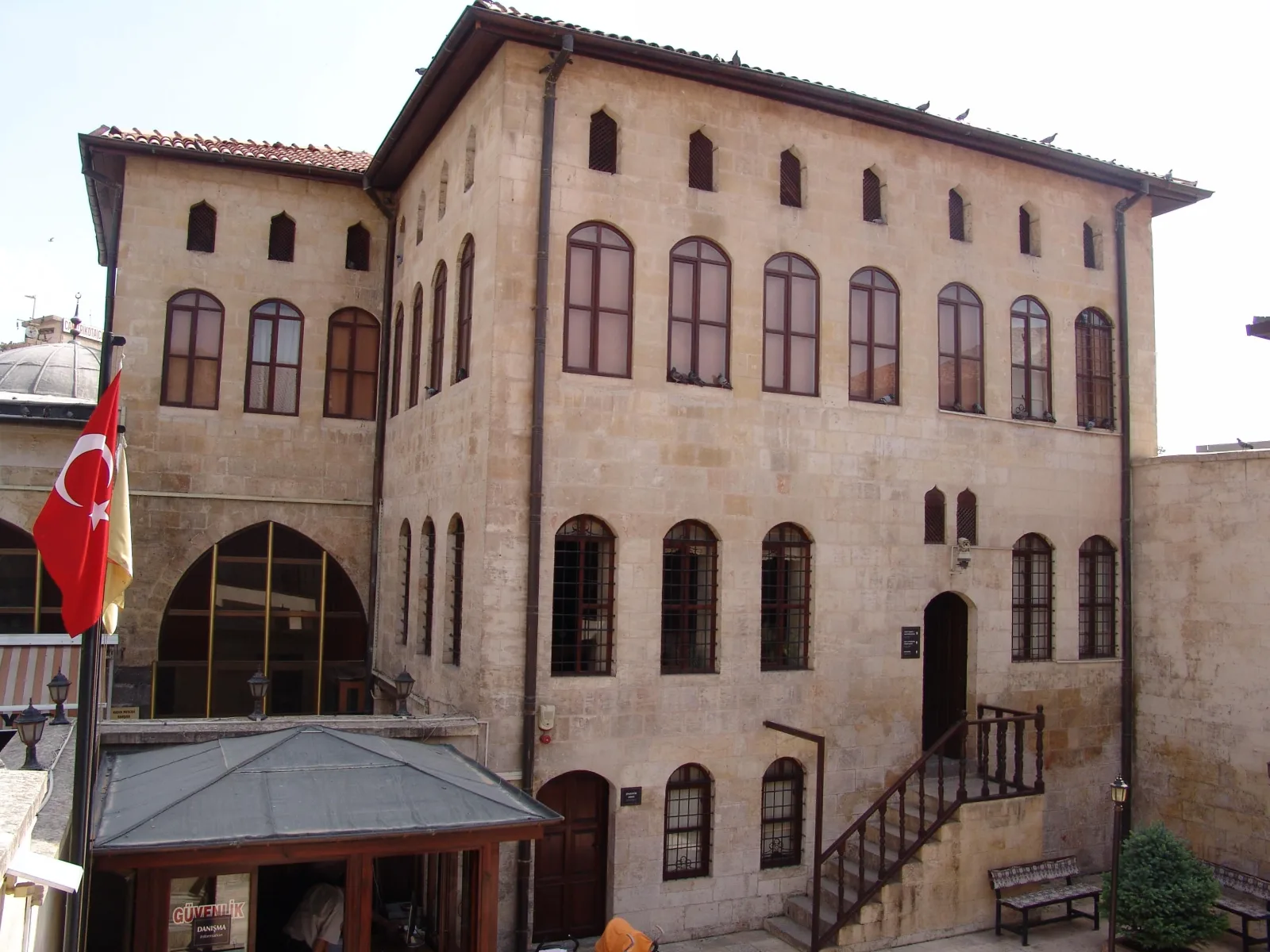
A historic Mevlevi lodge with its semahane and cells, today serving as a museum.
Mansions and the Quarter
Where traditional Antep life is preserved, in stone mansions, courtyards and narrow lanes.
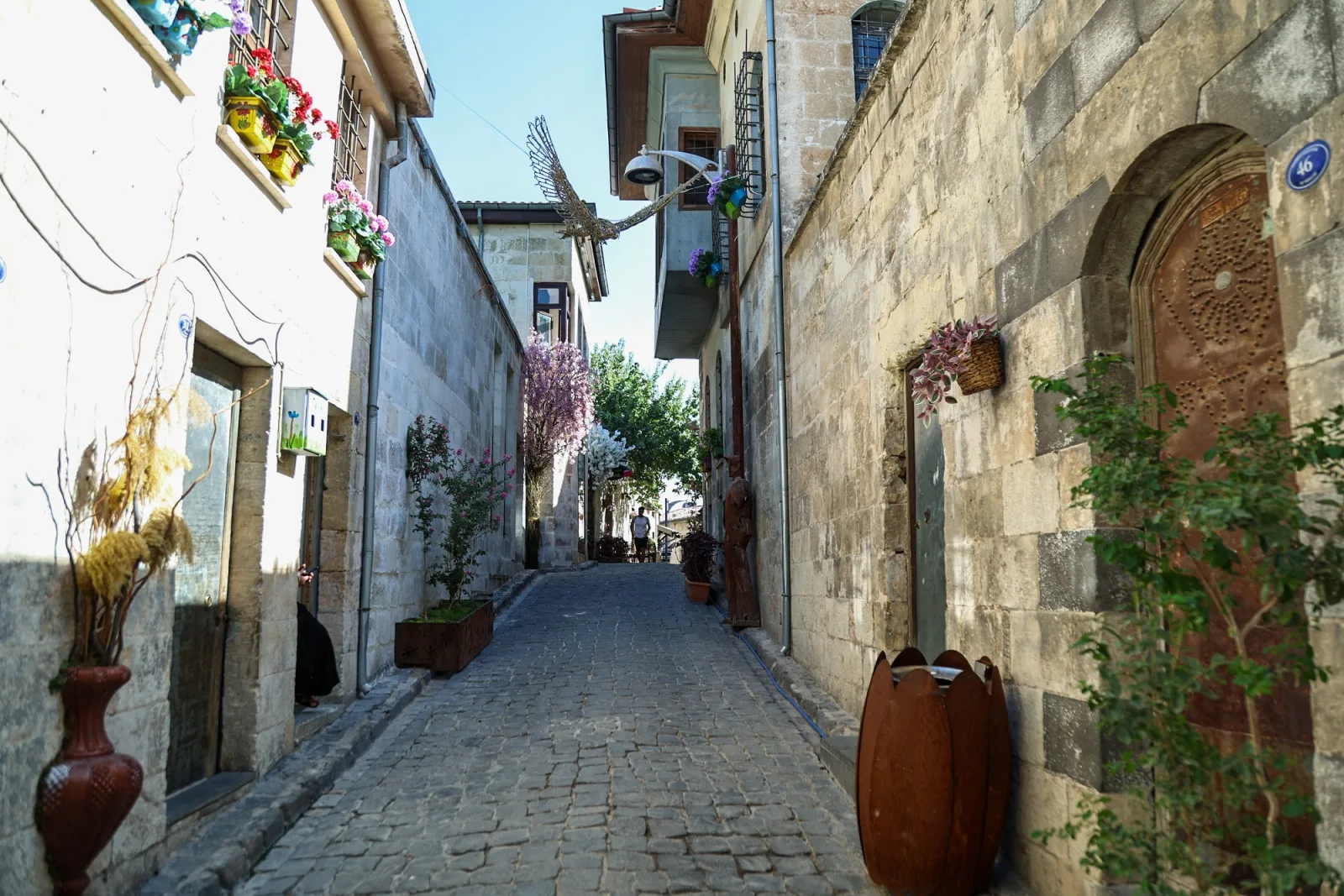
The city's best-preserved old neighbourhood, an open-air museum of stone mansions and narrow lanes.
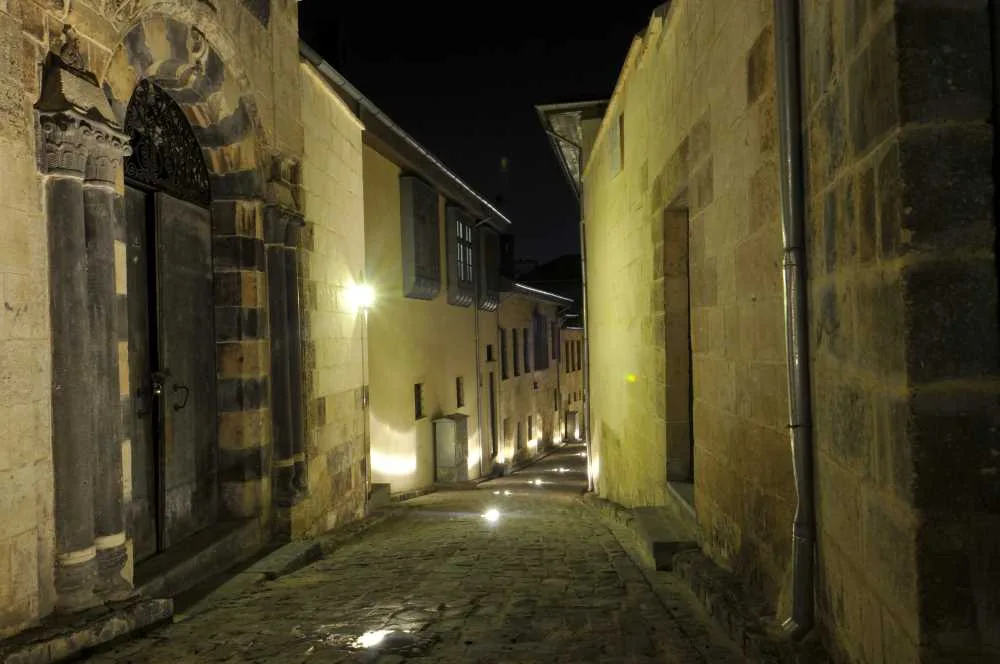
A traditional house tradition of courtyards and limestone craft, attuned to Antep's heat.
Water, Baths and Daily Life
Buildings that place water, cleansing and conversation at the heart of city culture: a bath, an underground water system and a coffee house.
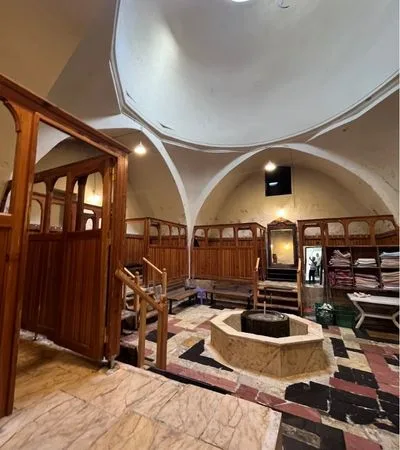
One of the city's least-altered late-classical Ottoman baths, still in operation.
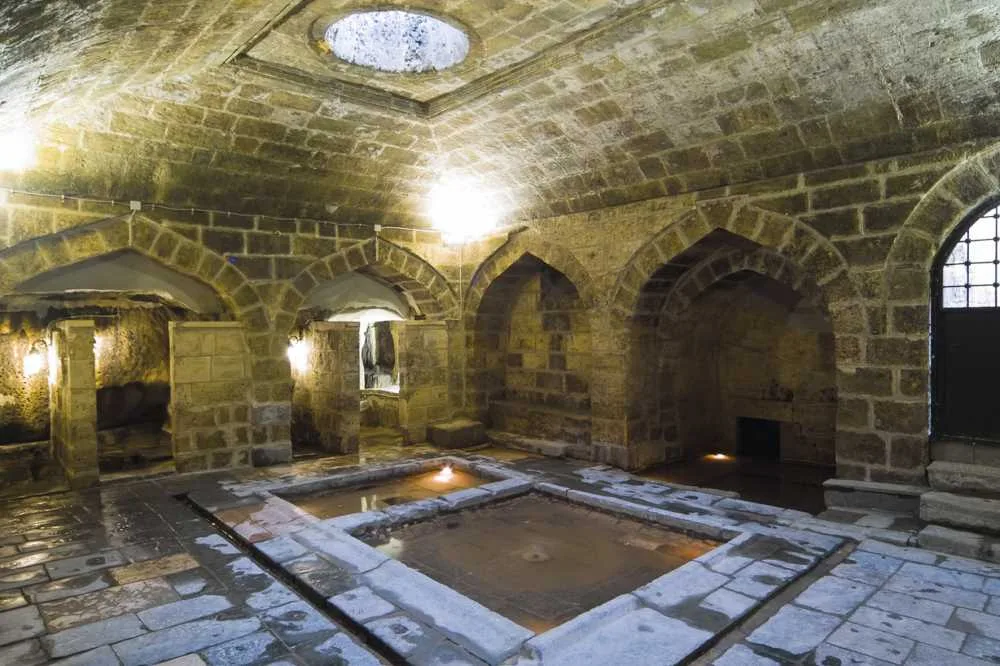
Antep's centuries-old underground water culture of livas channels and kastels, metres below the streets.
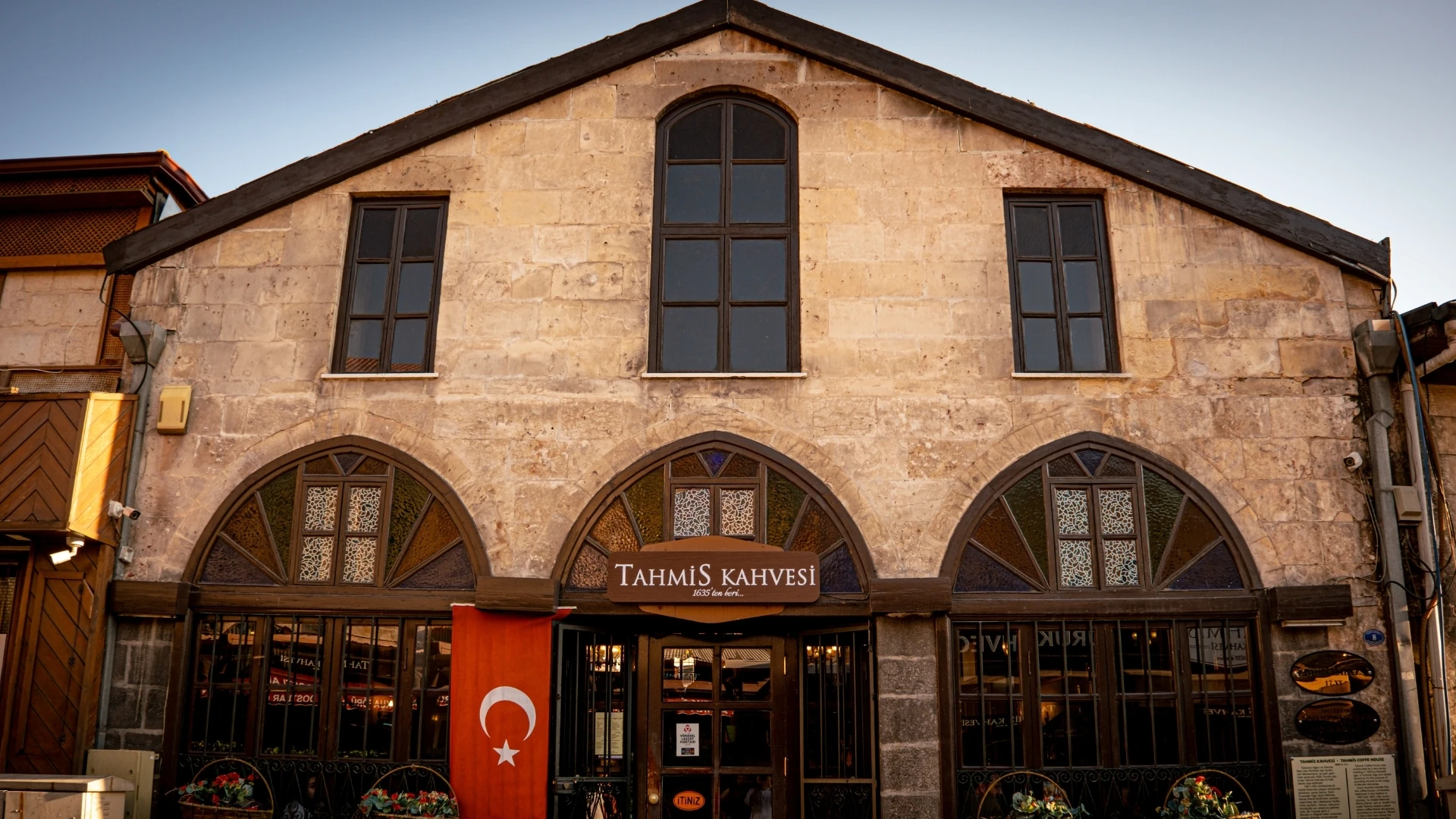
One of the city's oldest coffee houses, famed for menengiç coffee in its historic setting.
Trip Tips
Most of the historic buildings are gathered within the old core between Gaziantep Castle and the Bey Quarter, within walking distance of one another. You can begin a morning with the coppersmiths' hammering, wander the bedestens, rest at midday in the courtyard of a complex, and end the day with a menengiç coffee in a historic coffee house.
To complete the story of these buildings, the city's museums are natural companions: the Copper Museum for coppersmithing and the Hamam Museum for bath culture; you can discover the city's other cultural stops from the Culture Atlas.
Frequently Asked Questions
Which historic buildings should I see in Gaziantep?
In the historic core, fifteen buildings are grouped under four headings: bazaars and hans (Coppersmiths Bazaar, Zincirli and Kemikli Bedesten, Almacı Market, Hışvahan); places of worship (Sheikh Fethullah Complex, Boyacı Mosque, Kurtuluş Mosque, Aziz Bedros Church, the Mevlevi Lodge); mansions (Historic Bey Quarter, Traditional Antep Houses); and water and daily life (Naip Bath, the Kastels, Tahmis Coffee House). Most are within walking distance.
Are these buildings close together?
Yes; most lie within the old city core between Gaziantep Castle and the historic Bey Quarter, within walking distance. This makes it easy to combine the bazaars, mosques and mansions on a single route.
What makes the minbar of Boyacı Mosque special?
The walnut kündekâri minbar of Boyacı Mosque moves on iron wheels and rails; it is drawn out for the Friday sermon and then tucked back into its recess in the wall. By known records it is the oldest movable minbar in Anatolia.
Are there former churches in Gaziantep?
Yes. Kurtuluş Mosque was built in the 1890s as an Armenian cathedral and later converted into a mosque; the Aziz Bedros Church, long hidden inside a factory, was revealed in 2005 and today serves as the Ömer Ersoy Cultural Center.
What is a kastel?
Kastels are Gaziantep's historic underground water structures. Livas are underground water channels, while kastels are the underground spaces where one reaches the water to perform ablutions and cool off. The system is a centuries-old answer to keeping water cool and constant in an arid climate.