On Gaziantep's dry plain, water has always been worth its weight in gold. To keep this precious resource from evaporating or growing foul, the city spent centuries digging downward, into the earth itself. Underground channels called livas carried water from distant sources, and cool subterranean chambers called kastels brought it to the people. Found nowhere else in Turkish architecture, this water civilisation is an engineering marvel hidden metres beneath the streets.
Most visitors to Gaziantep have no idea of the silent world passing beneath their feet. Below the streets, the mosques and the houses runs a water network carved by hand over centuries. It has two essential parts: the livas channels that carry the water, and the kastels where that water was made available to the public. Together they form a centuries-old culture of managing water in an arid climate.
The word "kastel" is said to come into Turkish from Arabic, meaning "the place where water is divided underground." The most striking thing about these structures is this: in Turkish architecture, they are found only in Gaziantep. Even the city's old name, Ayıntab, carries a link to water, its echo of "spring" or "water source" telling how deeply water shaped the fate of this land.
Livas and kastel: two heroes beneath the ground
The backbone of the system is the livas. These are underground channels that carried water from its source to the city center. Water flowing in the open would both evaporate under the sun and grow foul, so the people of Gaziantep took the water underground. The livas channels were dug with an engineering similar to the "qanat" (kanavat, kehriz) systems seen across the world's arid regions, from Mexico to China and especially in Iran. Yet Gaziantep's livas are distinctive: they did not only transport water, but also distributed it within the city.
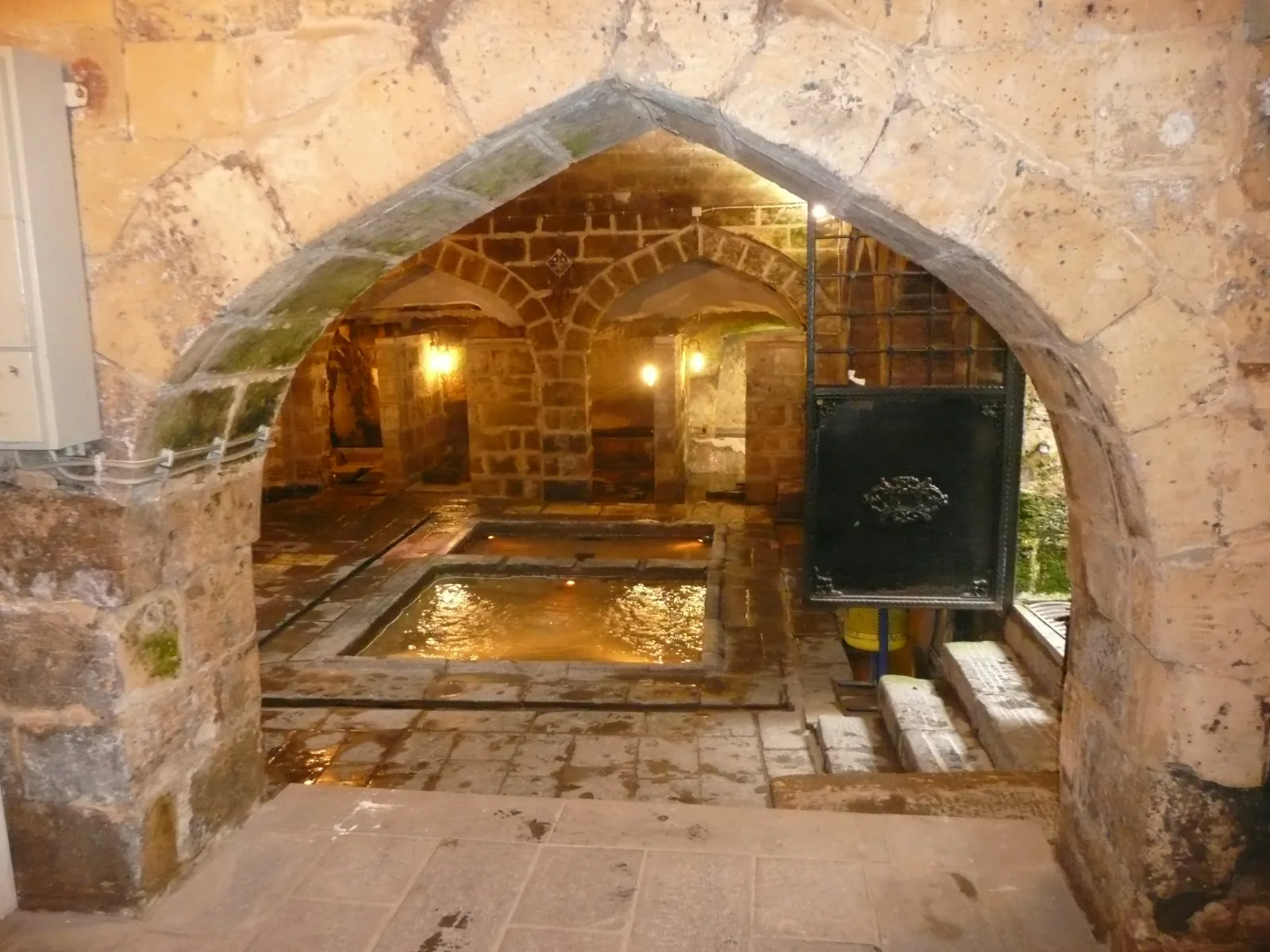
The points where water met the public were the kastels. These are cave-like, cool underground spaces reached by descending 30 to 40 steps from the surface. Inside a kastel one would usually find water basins, places for ablution, washing areas, spaces where women washed laundry and wool, toilets, resting corners, and in some cases a small mosque (mescit) for prayer. A kastel, in other words, was not merely a water cistern but also a neighbourhood meeting and service space.
Engineering spread across centuries
This water system was not built in a day but developed over centuries. Sources record that some 16 kastels were built in the city between the 13th and 16th centuries. As the system grew, the engineering grew finer: the channels' gradient was kept constant so water would flow under its own weight; the network was extended to reach each new building; and the clean-water livas were kept separate from the channels carrying wastewater away. All of this was achieved without electricity or pumps, with nothing but gravity and patience.
The oldest known kastel is the Pişirici Kastel and Mosque, dated to the 13th century, its origins reaching back to the Seljuk era. The system stayed alive for centuries and remained in use until modern city water began to flow from household taps, that is, until roughly the mid-1930s. Dated inscriptions are not certain for every structure, so the exact construction year of some kastels is given differently across sources.
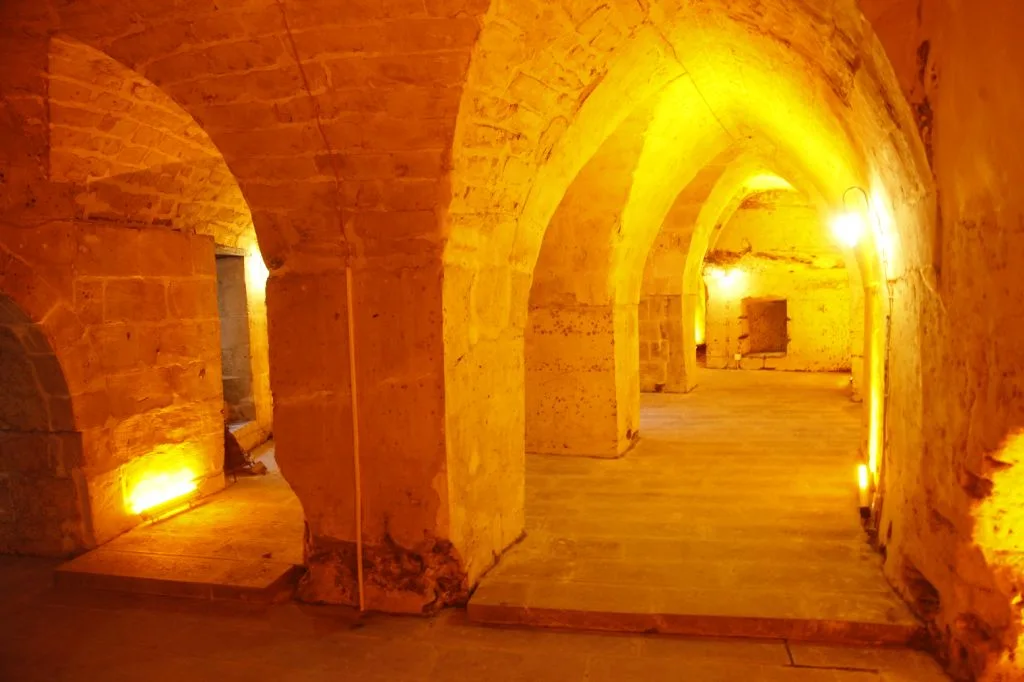
One of the most surprising features of the kastels is that, deep underground, the temperature stays nearly constant year-round; sources put it at around 24 degrees Celsius. This made the kastels a natural place to cool off during Gaziantep's scorching summers.
The six surviving kastels
Most of the kastels, once numbering in the dozens, were sealed off or lost when the modern water network was laid. The six that survive today are living witnesses to this underground civilisation:
Structures worth seeing
- Pişirici Mosque and Kastel — 13th century; the oldest known kastel.
- İhsan Bey Mosque and Kastel — notable for its stairs, mosque and seating areas.
- İmam-ı Gazali Kastel
- Şeyh Fethullah Kastel — 16th century; part of the wider Sheikh Fethullah Mosque and Complex.
- Ahmet Çelebi Kastel — dated to the 17th century.
- Kozluca Kastel
Each has an atmosphere of its own: descending stone steps, dim arches, basins where water gathered, and cool, damp air. The Pişirici Kastel stands out as one of the oldest and most visited.
Their place in city life and meaning for Gaziantep
For the people of Gaziantep, the kastels were not simply structures that delivered water; they were spaces woven into daily life. Thanks to the livas channels running beneath the houses, water reached almost every door, which is why Gaziantep had fewer public fountains than cities where water was abundant, and why those fountains were built mostly in the busy bazaar districts. Women washed their laundry here, neighbours performed their ablutions here, and on hot summer days people descended to cool off.
The value of this water civilisation has been recognised internationally as well: the underground water facilities (the kastels) and the drinking-water network (the livas) were added to UNESCO's World Heritage Tentative List in 2018. It is a sign that the value Gaziantep placed on water, and the original engineering it developed, is admired the world over.
Today and how to visit
Today some of the kastels have been restored and opened to visitors, making this cool underground world discoverable once more. As travellers wander the historic city center, they can reach these spaces by following the steps that descend from a mosque courtyard or from between the streets. The moment you step inside, the cool, calm air that greets you, whatever the temperature outside, lets you feel the engineering genius of centuries past at once.
Visiting the kastels is an experience entwined with Gaziantep's old neighbourhood fabric. Along the same route, travellers can also see other water and neighbourhood structures of the historic center: the bathhouse culture at the Bath Museum, traditional home life at the Hasan Süzer Marriage and Life Culture Museum, and the traditional street and courtyard architecture among the traditional Antep houses. Those who see the Şeyh Fethullah Kastel can, on the same visit, tour the adjacent Sheikh Fethullah Mosque and Complex.
Frequently Asked Questions
What is a kastel, and how does it differ from a livas?
A kastel is a cool underground space reached by 30 to 40 steps, containing water basins, ablution and washing areas, resting space and, in some cases, a small mosque. A livas, on the other hand, is an underground channel that carried water from its source into the city. In short, the livas brings the water and the kastel makes it available to the public.
Why are kastels found only in Gaziantep?
This type of structure appears nowhere else in Turkish architecture. Developed to protect water from evaporation and contamination in an arid climate, this original solution grew into a water civilisation unique to the city.
How many kastels survive today?
Of the roughly 16 kastels known to have been built between the 13th and 16th centuries, six survive today: the Pişirici, İhsan Bey, İmam-ı Gazali, Şeyh Fethullah, Ahmet Çelebi and Kozluca kastels.
Which is the oldest kastel?
The oldest known kastel is the Pişirici Kastel and Mosque, dated to the 13th century, with origins reaching back to the Seljuk era.
Why are the kastels cool inside?
Deep underground the temperature stays nearly constant year-round; sources put it at around 24 degrees Celsius. This made the kastels a natural place to cool off during Gaziantep's hot summers.
Are the kastels on the UNESCO list?
Yes. The underground water facilities (the kastels) and the drinking-water network (the livas) were added to UNESCO's World Heritage Tentative List in 2018.