Gaziantep — known before the Republic as Ayıntap — was founded on one of the oldest inhabited landscapes in human history. From the prehistoric traces at Dülük to the Roman city of Zeugma on the banks of the Euphrates, from an Ottoman provincial seat to the 1920-1921 Defence of Antep and the resistance that earned the city its "Gazi" (Veteran) title, this is the story of how a city took shape over thousands of years. This page treats the history of Gaziantep as a single, chronological account grounded in the sources.
The narrative below begins with the origin of the city's name and moves through antiquity, the Islamic and Turkish periods, the Ottoman centuries and the National Struggle; where the historical record remains uncertain, the differing views are set out plainly.
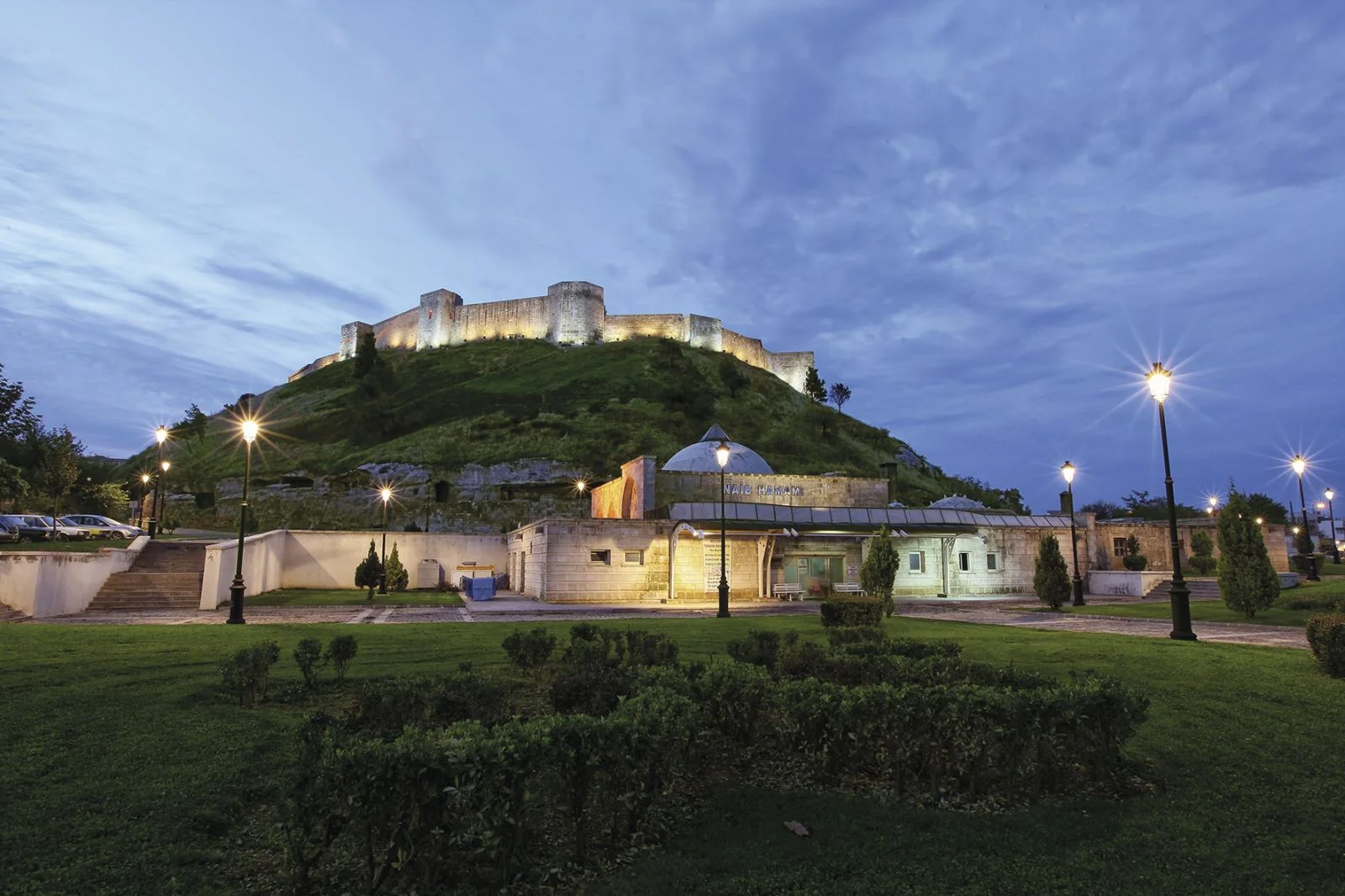
The Origin of the Name Ayıntap
Before the Republic, the city's official name was Ayıntap (Ayıntab). The origin of this name, however, is not known with certainty, and the sources discuss several competing theories. One widely held view links the name to the Arabic word "ayn" (eye, spring/source), suggesting a meaning such as "the eye of the spring" or "the bright spring." Another view traces the name to "Hantap," a word said to be of Hittite origin.
Alongside these, sources such as the celebrated Ayıntap-born historian Bedrüddin Aynî (1361-1451) record that the city was also known by names such as "Kala-i Füsus" (the Castle of the Ring), while popular tradition ties the name to a story of "repentance." None of these explanations is settled; for that reason, the etymology of Ayıntap remains a debated question to this day.
Over time, "Ayıntap" softened in everyday speech into "Antep." For its resistance during the 1920-1921 Defence of Antep, the city was honoured with the "Gazi" title in 1921, and its official name became Gaziantep.
Early Settlements and Antiquity
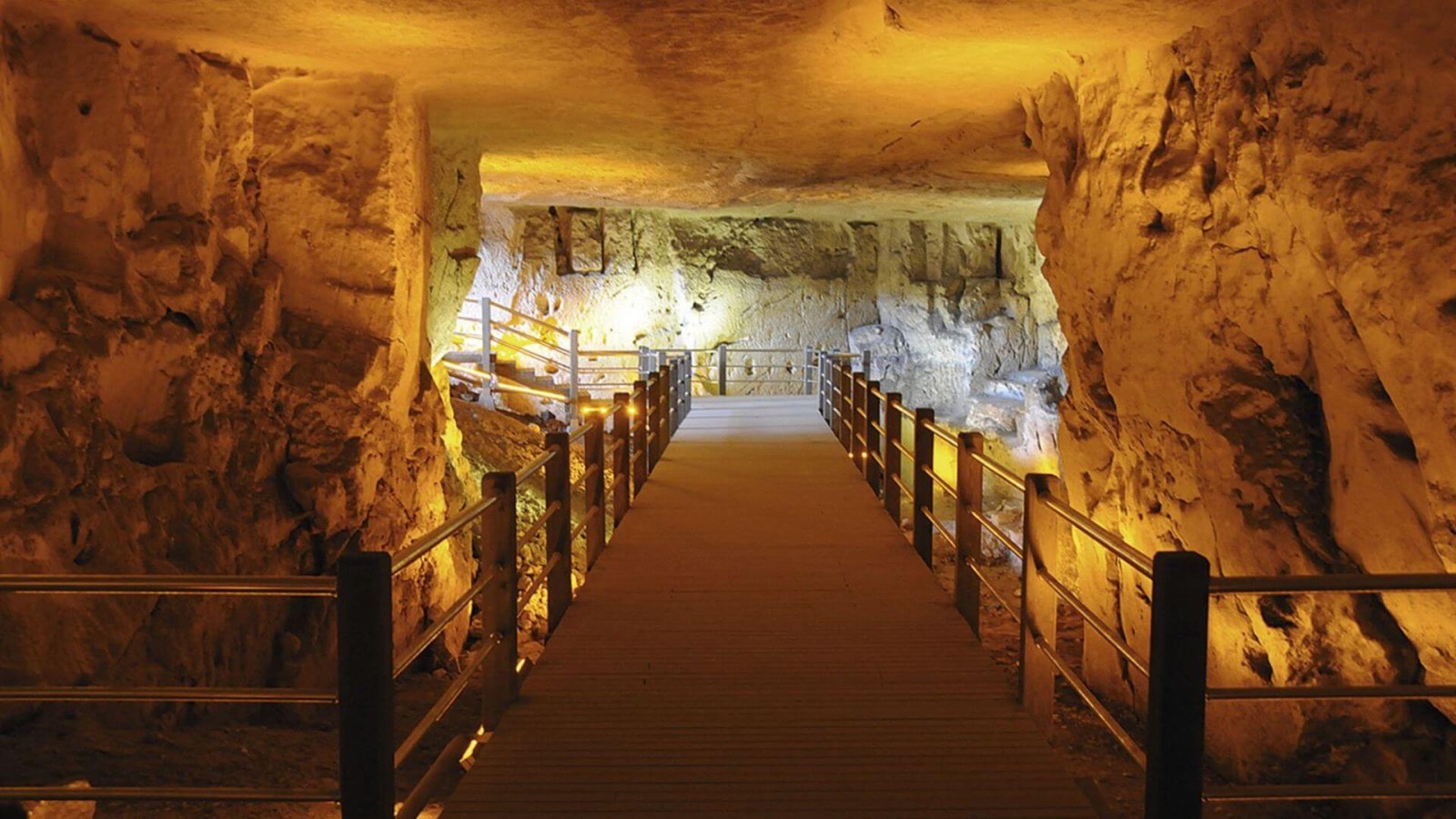
The settlement history of Gaziantep and its surroundings reaches back to the very earliest periods of humankind. The Dülük (Doliche) region to the north of the city bears settlement and cave traces dating as far back as the Old Stone Age (Palaeolithic); in this respect, the area is regarded as one of the oldest inhabited sites in Anatolia. This continuity can be traced at the very heart of the city as well: finds from the mound on which Gaziantep Castle rises today date back to the Chalcolithic Age, to around 4000 BCE; the city's narrative of "more than 6,000 years of unbroken settlement" rests on these early layers.
In antiquity, Dülük was an important cult centre. It was the homeland of the cult of Iuppiter Dolichenus (Jupiter of Doliche), which grew out of a local storm/sky-god belief and spread across the entire Roman Empire during the Roman era. Remains associated with the worship of Mithras have also been found in the area. During the Bronze Age, the region lay within the orbit of the Hittite world; and in the Late (Neo-)Hittite period that followed the collapse of the Hittite Empire, Carchemish on the banks of the Euphrates rose to prominence as one of the most powerful city-states in the region. Another extraordinary witness of the Hittite age is Yesemek near İslahiye: opened in the Hittite period, this basalt quarry and open-air sculpture workshop is regarded as the largest known stone-working workshop of the ancient Near East, and it stands today on the UNESCO World Heritage Tentative List.
The Hellenistic and Roman Period: Zeugma
Following the campaigns of Alexander the Great in the 4th century BCE, the region was drawn into the Hellenistic world. The most enduring legacy of this era is the city of Zeugma, founded around 300 BCE on the banks of the Euphrates by Seleucus I Nicator, one of Alexander's generals. Originally bearing the name "Seleucia," the city formed the river's most important crossing point together with its twin city of Apamea on the opposite bank; indeed, the name Zeugma itself comes from the Greek word for "bridge" or "crossing."
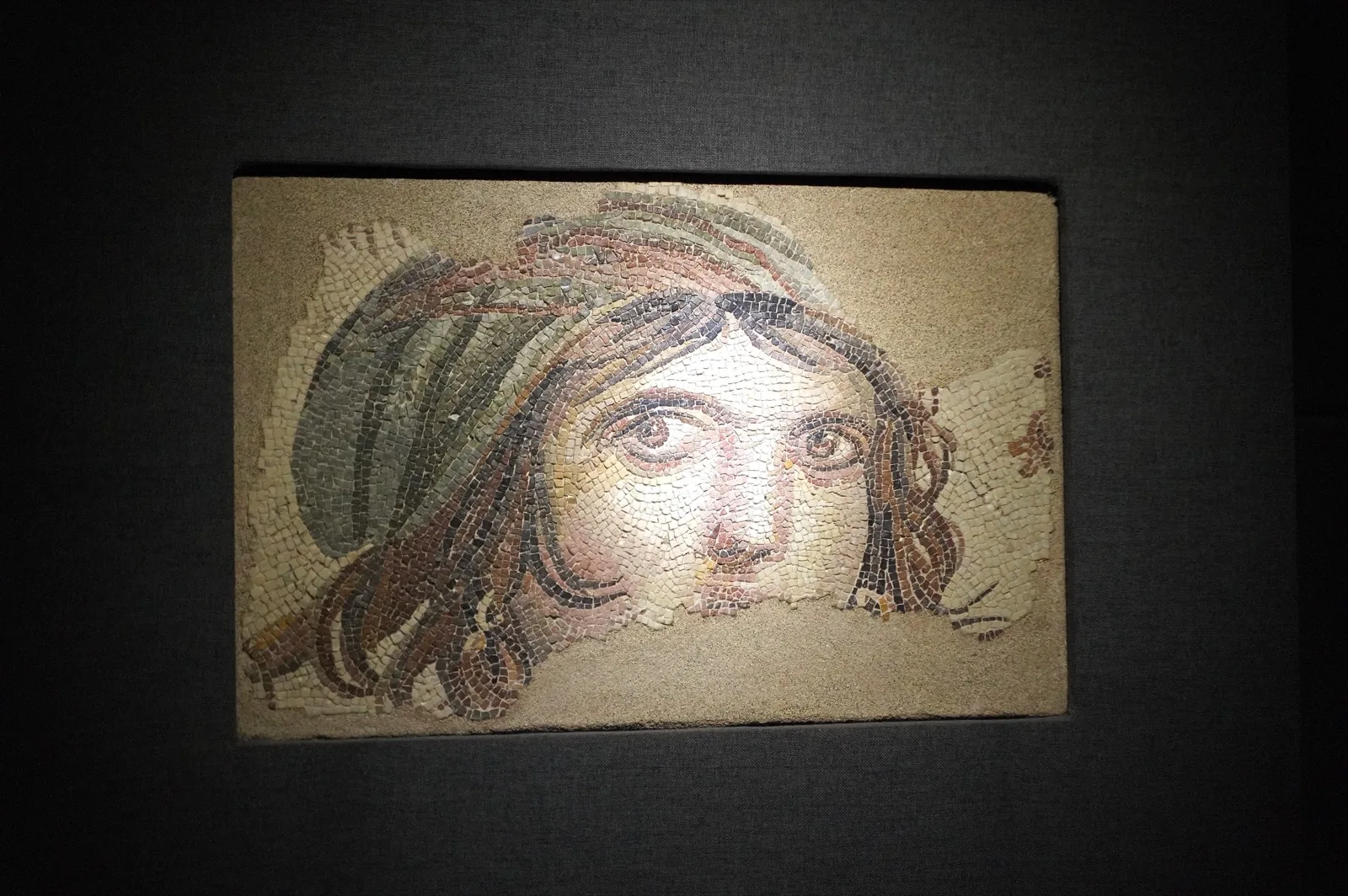
Having entered Rome's sphere of influence in 64 BCE, Zeugma lived its golden age after being permanently attached to the province of Syria in 72 CE. Home to the Legio IV Scythica from around 66 CE onward, the city was both a frontier garrison and an important trading hub on the Silk Road; at its height, its population is said to have numbered in the tens of thousands. The city was largely destroyed in 253 CE by the assault of the Sasanian ruler Shapur I. The villas that remained, together with their famous mosaics, are now on display at the Zeugma Mosaic Museum, while a significant share of the artefacts from the Roman and earlier ages can be found at the Gaziantep Archaeology Museum.
The Islamic, Seljuk and Crusader Periods
In the 7th century, during the reign of Caliph Umar (around 637 CE), the region was incorporated into Islamic lands, and the name "Ayntab" continued in use during this period as well. In the centuries that followed, after Umayyad and Abbasid rule, the region lay along the frontier between Byzantium and the Islamic world.
In the process of Turkification that began after the Battle of Manzikert in 1071, Ayntab became part of the Turkish-Islamic geography of Anatolia. In the 12th century, the region was a strategic frontier point between the nearby Crusader County of Edessa and the Turkish-Islamic powers. In the period that followed, Ayntab came under the rule of states such as the Zengids, the Ayyubids and the Mamluks, changing hands among these powers until the 16th century.
One of the most striking witnesses of these turbulent frontier centuries is Rumkale, rising on a rocky headland where the Merzuman Stream meets the Euphrates. With foundations traceable back to the Byzantine period, the fortress served for a time from the mid-12th century as the seat of the Armenian Catholicosate; with layers reaching from Rome and Byzantium to the Crusaders and the Mamluks, it holds an important place in the history of Christianity.
The Ottoman Period
Ayntab joined the Ottoman Empire after the Battle of Marj Dabiq in 1516, in which Selim I defeated the Mamluks. From that date onward, the city was governed for roughly four centuries as a sanjak (district) seat, for the most part attached to the province of Aleppo.
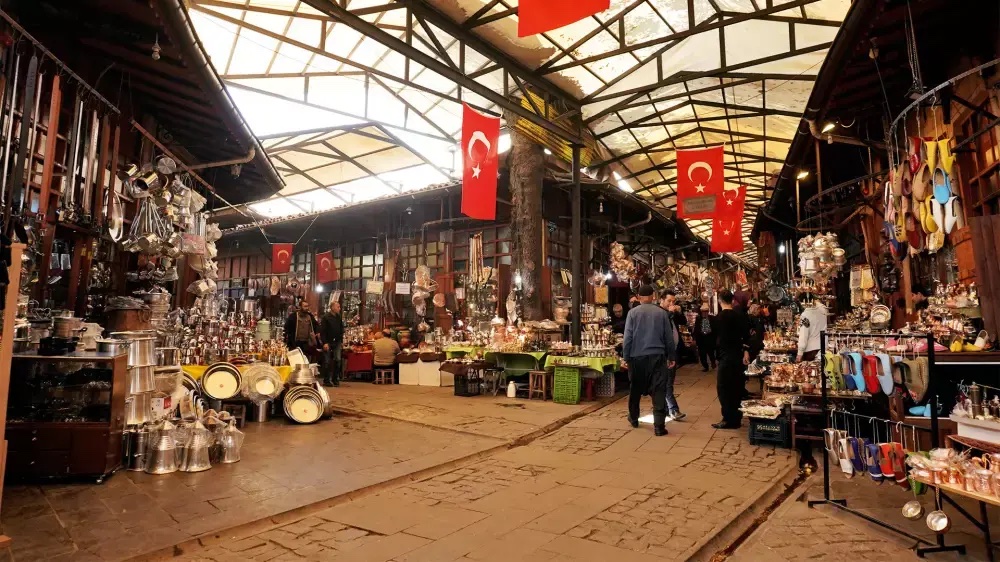
The Ottoman centuries were the period in which Ayntab matured into a city of crafts and commerce. Its position along the Silk Road fostered the growth of covered bazaars, caravanserais and bedestens (covered markets); the roots of crafts such as the still-thriving Coppersmiths' Bazaar, the handloom-woven kutnu fabric and mother-of-pearl inlay, along with the Antep baklava and pistachio culture so closely identified with the city, all reach back to this era.
The National Struggle and the Defence of Antep
After the First World War, Antep was occupied first by the British and, shortly afterwards, by the French. The spark that ignited the people's resistance came on 21 January 1920: Mehmet Kâmil, then only around twelve years old, was bayoneted and martyred while trying to protect his mother from the harassment of French soldiers. Remembered as "Şehit Kâmil" (Kâmil the Martyr), this young man became one of the symbolic figures of the Antep resistance, and his name was later given to one of the city's districts.
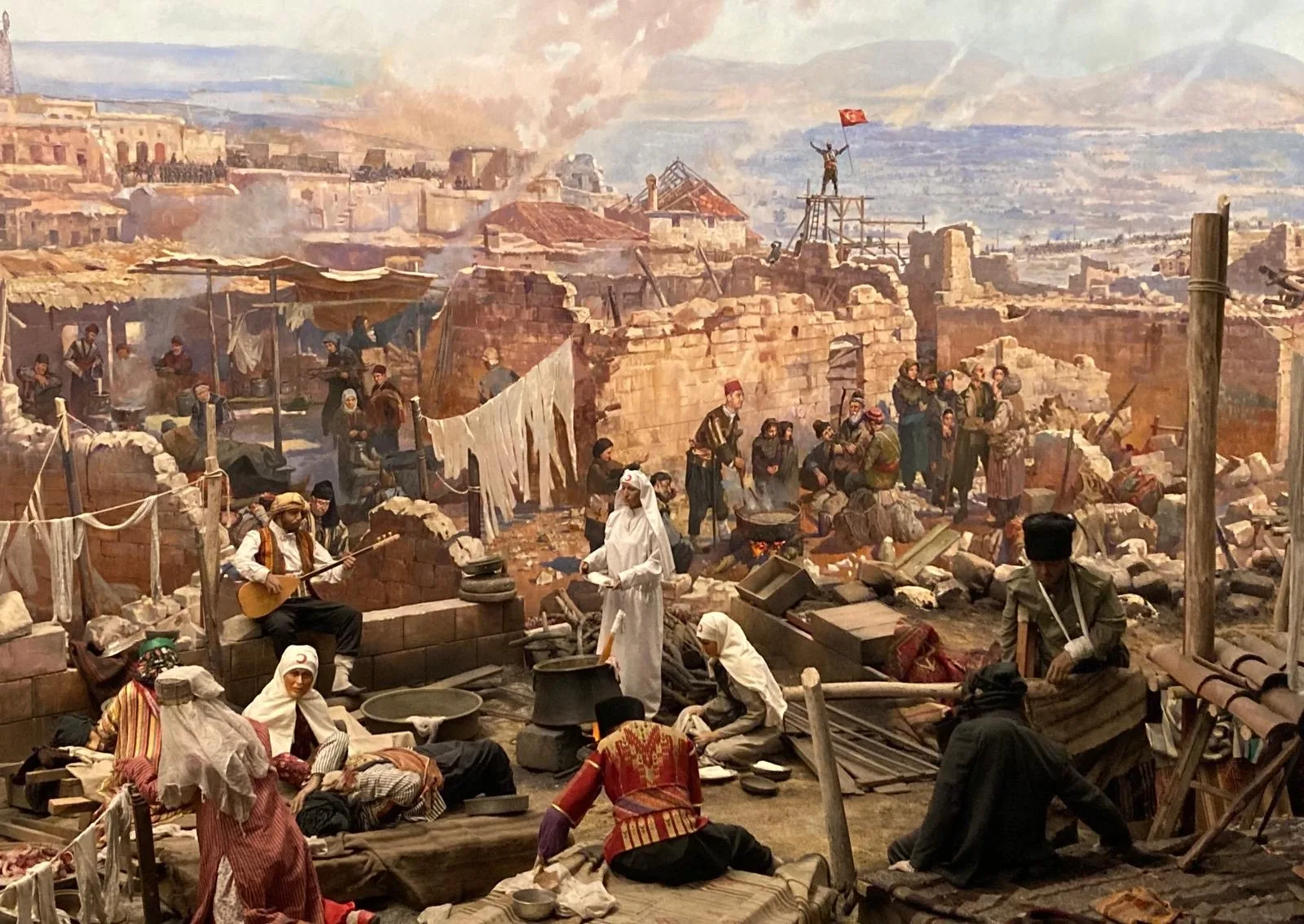
The Defence of Antep, which began in April 1920, grew into an epic resistance lasting roughly eleven months. The commander of the southern front, Şahin Bey (born Mehmed Said), was killed on 28 March 1920 at Elmalı Bridge on the road to Kilis, fighting to deny the enemy passage. Led by local figures such as Karayılan and organised by commanders such as Şefik Özdemir Bey and Kılıç Ali, the whole city — its women, children and elderly included — held out with its own meagre means against a far larger and better-equipped army; Gaziantep Castle, on the hill commanding the city, still stands today as one of the symbols of that resistance.
In the course of this, the city gave more than 6,300 martyrs. To honour this extraordinary resistance, the Grand National Assembly conferred the "Gazi" title on the city by Law no. 93, passed on 6 February 1921 (published in the Official Gazette on 8 February); this decision was taken while the siege was still underway. Antep finally paused the fighting on 9 February 1921, not by force of arms, but solely because of exhausted supplies and starvation. The people's spirit of resistance, however, was never broken: after the Treaty of Ankara of 20 October 1921, the French army evacuated the city, and with the withdrawal of the last French soldier on 25 December 1921, Antep was restored to the motherland. Through this honourable struggle, the city went down in history as the only province to bear the "Gazi" title.
The memory of this epic defence is kept alive in the city today; the Panorama 25 December Museum and the Şahinbey Museum of the National Struggle bring the days of the siege to visitors through documents, objects and reconstructions.
Modern Gaziantep: From the Republic to Today
In the Republican era, Gaziantep was transformed swiftly from a city of agriculture and trade into an industrial centre. With its organised industrial zones, thousands of enterprises and high export volume, the city is today one of Türkiye's largest economic centres.
Gaziantep's historical legacy lives on not only in its stones and documents but also in its cuisine and crafts. In 2015, the city was admitted to the UNESCO Creative Cities Network in the field of gastronomy, cementing the international recognition of this heritage. You can explore the city's culinary culture in our Gastronomy Atlas.

Frequently Asked Questions
What was the former name of Gaziantep?
Before the Republic, Gaziantep's official name was Ayıntap (Ayıntab). Over time, this name softened in everyday speech into "Antep"; when the city received the "Gazi" title in 1921, its official name became Gaziantep.
What does "Ayıntap" mean?
The origin of the name is not certain. The principal views link it to the Arabic word "ayn" (eye/spring), giving a meaning such as "the eye of the spring / the bright spring"; another view traces it to "Hantap," a word of Hittite origin. None of these explanations has been settled.
Why did Gaziantep receive the "Gazi" title?
Because of the roughly eleven-month resistance the people showed during the 1920-1921 Defence of Antep. The Grand National Assembly conferred the "Gazi" title on the city by Law no. 93, passed on 6 February 1921 (published on 8 February).
How long did the Defence of Antep last?
It lasted roughly eleven months, from April 1920 to 9 February 1921. Antep paused the fighting not by force of arms, but solely because of starvation and exhausted means; the resistance was so powerful that, after the Treaty of Ankara of 20 October 1921, the French army evacuated the city, with the last French soldier withdrawing on 25 December 1921.
Who was Şahin Bey?
Şahin Bey, born Mehmed Said, was the commander of the southern front in the Defence of Antep. On 28 March 1920, he was killed at Elmalı Bridge while fighting to deny passage to French troops.
To what period does Zeugma belong?
Zeugma was founded around 300 BCE by Seleucus I. It flourished in the Roman period as a bridge-garrison and trading city on the Euphrates and was destroyed by the Sasanians in 253 CE.