The Gaziantep Archaeology Museum is the city's oldest museum, presenting the archaeological wealth of Gaziantep and its surroundings within an unbroken chronology that runs from the geological ages to the Ottoman period. Work on founding it began in 1944, led by Sabahat Göğüş, one of the early-Republican pioneers of Turkish museology; as the collection grew it settled into the present museum building in 1969. After the world-famous Zeugma mosaics were moved to a museum of their own in 2011, this institution took on its true identity as the region's archaeology museum, telling a story that begins in prehistory.
The strength of the collection comes from the geography its works were drawn from. Finds unearthed at the region's major settlements — Carchemish, Zincirli (Sam'al), Dülük (Doliche), Sakçagözü and Tilmen Höyük — are gathered under this one roof; the museum turns the stories of separate excavations into a single, legible narrative.
This article covers the museum's founding story, its chronological exhibition logic, the masterpieces that must be seen, and a visitor's guide.
Founding and Architecture
The museum's origins lie in steps taken in 1944, during a young period of institution-building in the Republic. The first artefacts were gathered in a mosque courtyard; as regional excavations multiplied — especially as finds from Zincirli Höyük, Carchemish, Dülük and Tilmen Höyük accumulated — the existing space proved inadequate, and in 1969 the collection moved into a building of its own, constructed to modern museum standards. Today the museum stands in a central location in the Şehitkâmil district, in the İncilipınar neighbourhood on İstasyon Avenue, right beside the historic railway station.
Sabahat Göğüş, who led the founding, was one of the first museologists of the Republican era and the figure who laid the foundation of museum work in Gaziantep; the difficult conditions of the museum's earliest years are an early example of the will to safeguard the city's cultural memory. In later years the building was expanded with an annex service block and renewed display areas.
Curation and Exhibition Logic
The museum's exhibition logic is chronological: starting from geological-era fossils and rocks, the visitor passes through the Palaeolithic, Neolithic, Chalcolithic and Bronze Ages, then moves on toward the Late Hittite, Classical-Hellenistic, Roman, Eastern Roman (Byzantine), Islamic and Ottoman periods. Presented across more than a hundred display cases, this flow aims to let visitors read not individual artefacts but the region's unbroken story of settlement over time.
An important feature of the collection is that it presents archaeology together with natural history: alongside chipped-stone tools and ancient artefacts, the museum also makes room for fossils and skeletal remains. This arrangement shows the visitor not only the region's human settlement but its geological and palaeontological past as well, all in one place.
Masterpieces You Must See
The Katumuwa Stele
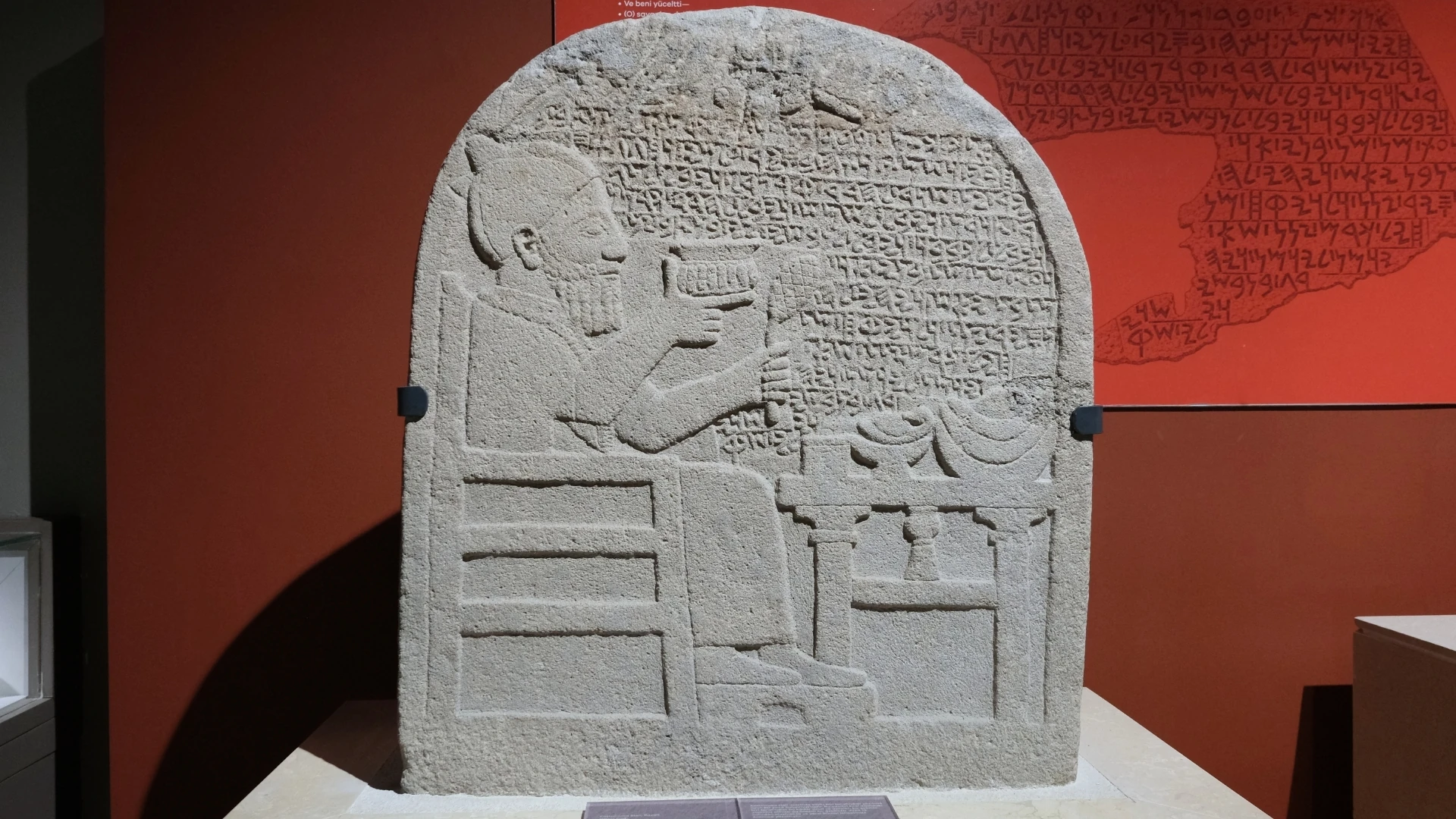
One of the museum's most precious works is the Iron Age Katumuwa Stele. It was uncovered in its original context, inside an elite residence, during excavations at Zincirli Höyük (the ancient city of Sam'al) in Gaziantep's İslahiye district in 2008. Carved from basalt and dated to around 735 BCE, the stele depicts the court official Katumuwa seated at the head of a banquet table, and it bears an inscription written in the Sam'alian (Aramaic) language; the text describes the belief that the soul of the deceased would separate from the body and live on within the stele, and the annual offering rites to be made in his memory. In this respect the stele is not only a work of art but one of the earliest known written records of the idea that, in this region, the soul was thought of as an entity distinct from the body.
The Teshub Orthostat
The orthostat (wall relief) depicting the Hurrian storm god Teshub is an important image from the region's Late Hittite period. This manner of depiction — the head in profile and the body frontal — is a typical example of the period's iconographic tradition, and it stands at the heart of the museum's section recreating Late Hittite palace architecture.
The Head of Antiochus I
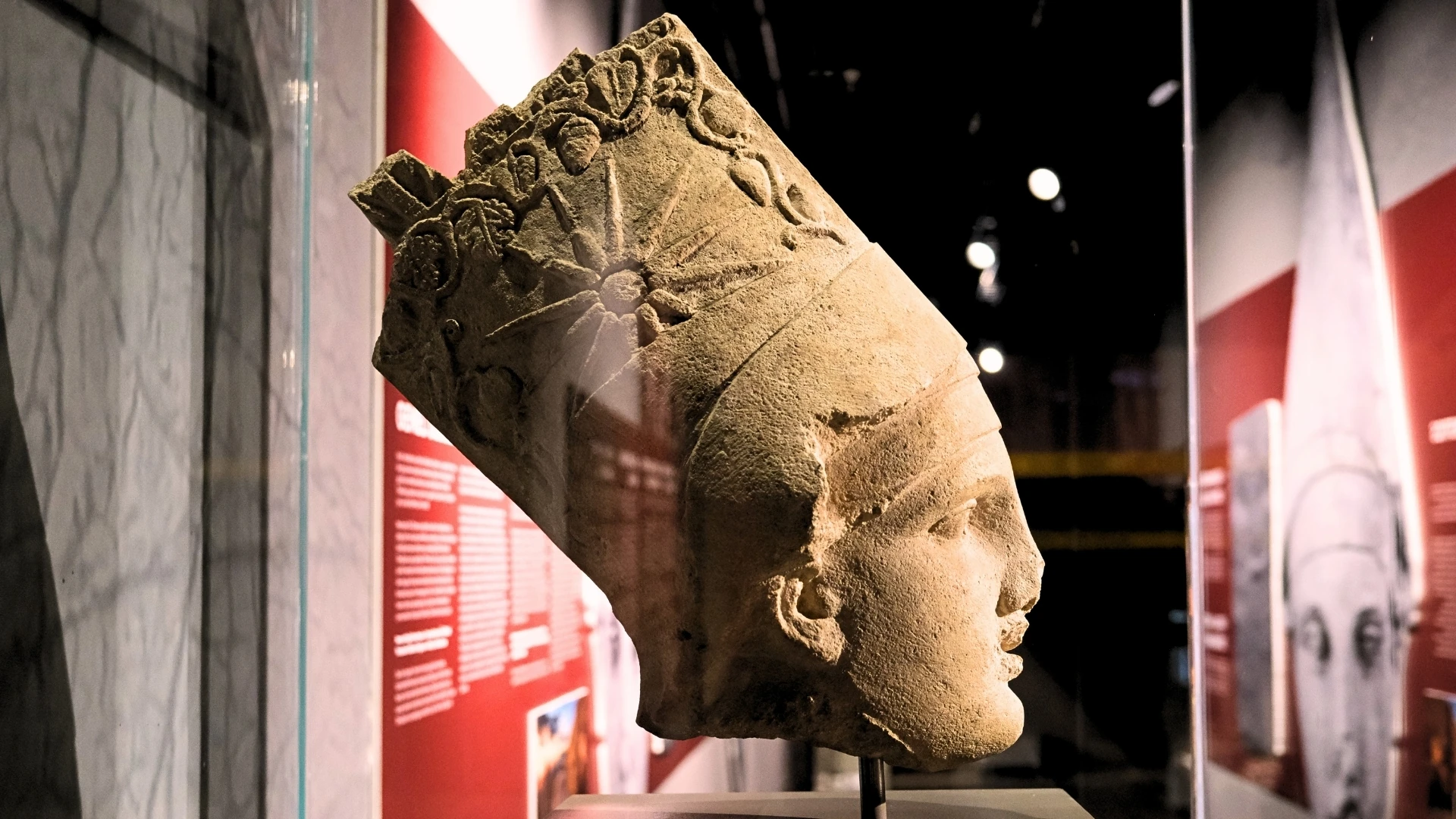
This Hellenistic-period sculpted head depicts Antiochus I, the founder of the Kingdom of Commagene. Bearing traces of a ruler imagined on a par with the gods, the work is a striking find that reveals the artistic level of the region during the age of the pre-Roman Hellenistic kingdoms.
The Zeugma Clay Seal Impressions
One of the museum's most distinctive collections is the Roman-period clay seal impressions (bullae) recovered from the archive building in the agora of the ancient city of Zeugma on the bank of the Euphrates. Used to seal documents, these small pieces of clay form, by number, one of the largest assemblages of clay seal impressions in the world, offering a unique record of the administrative and commercial life of a frontier city. The same hall also displays a rich coin collection that runs from the Hellenistic period to the Ottomans and illustrates the region's unbroken economic history.
The Maraş Elephant and Natural History
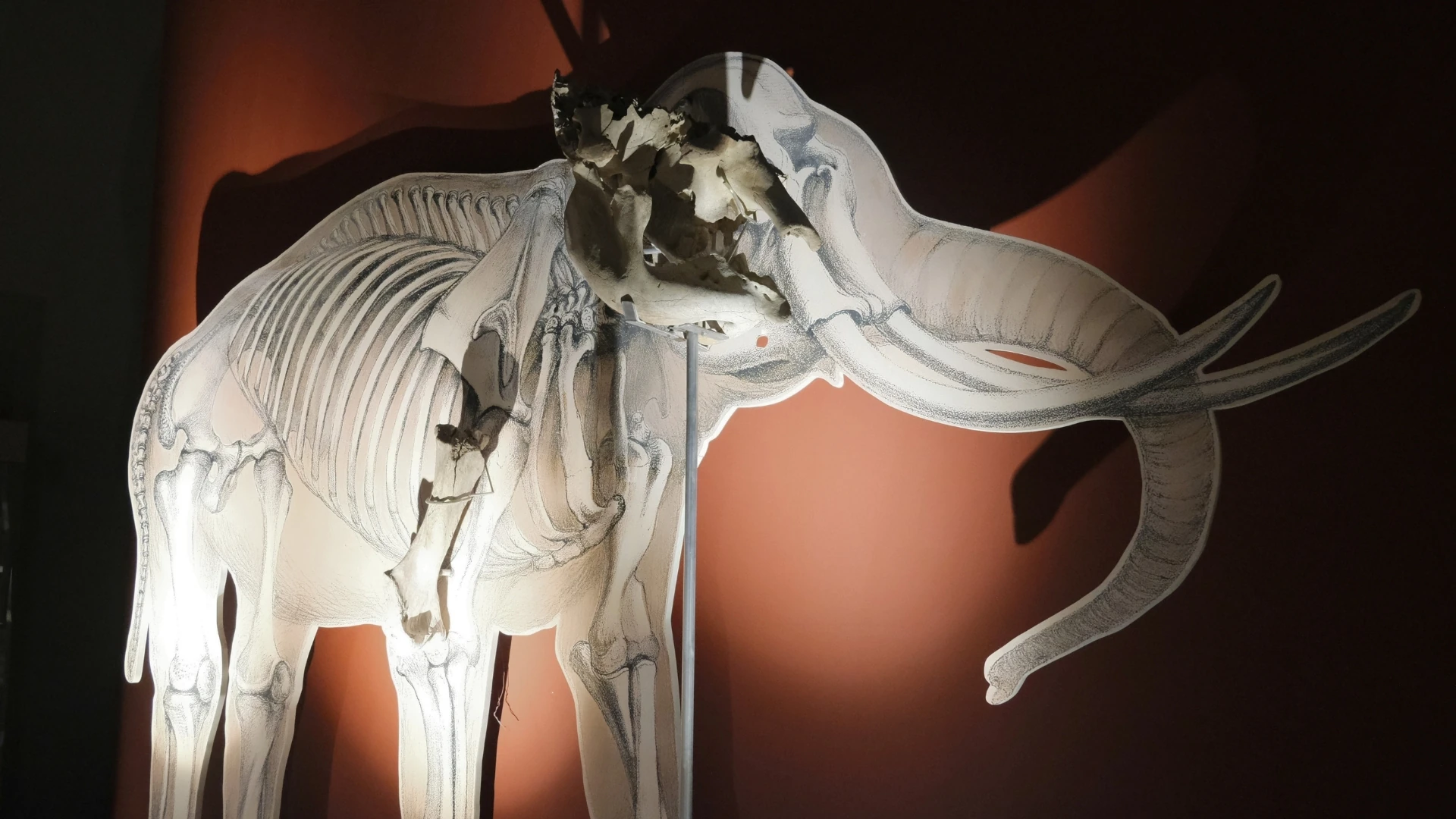
The standout work of the museum's natural-history section is the skeleton of the Maraş Elephant, belonging to an extinct species of elephant. This palaeontological find is one of the museum's most memorable stops, especially for younger visitors, and a window onto the region's pre-human past.
Finds from Carchemish and Doliche
The museum brings together the stone works of major settlements in the surrounding area. The Late Hittite basalt reliefs from excavations at the ancient city of Carchemish on the bank of the Euphrates, along with the stone works and cult finds unearthed at the Dülük (Doliche) settlement north of the city, shed light on the region's world of faith and art. For those who want to see the open-air workshop of this stone-carving tradition — the colossal blocks left unfinished by Late Hittite sculptors — Yeşemek is a complementary stop.
The World's Oldest "Smile"
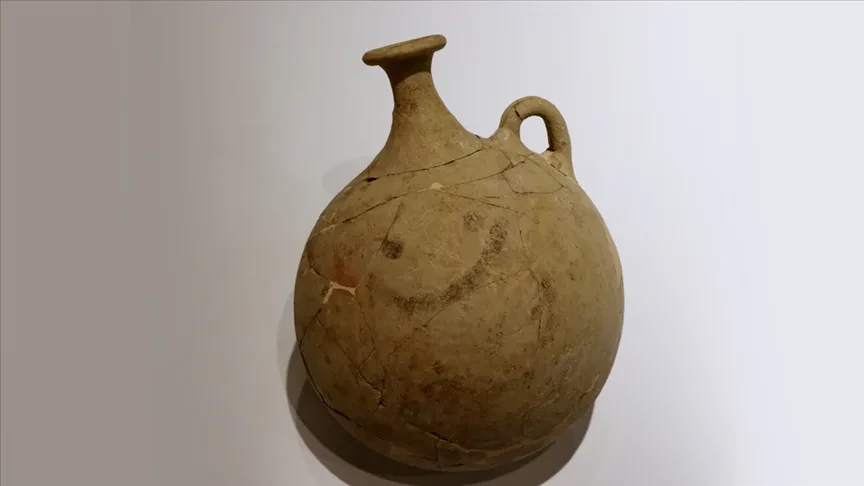
One of the museum's most intriguing pieces is a roughly 3,700-year-old single-handled fired-clay jug unearthed at the ancient city of Carchemish (Karkamış) on the bank of the Euphrates. Dated to the Bronze Age, the smiling face on its body is celebrated as "the world's oldest smile" — a forerunner of today's emojis from thousands of years ago.
For many years the museum was home to Zeugma's famous mosaics. When its display space proved insufficient, these mosaics were moved in 2011 to the Zeugma Mosaic Museum, built especially for them. The Archaeology Museum was thus able to focus on its chronological collection covering every period apart from the mosaics.
A Visitor's Discovery Guide
- Follow the chronology: The museum is laid out as a sequence running from the geological ages to the Ottomans. Touring it without breaking this flow is the best way to grasp the region's history as a whole.
- Give the Katumuwa Stele time: Pay attention not only to the relief but to the Aramaic inscription on it and the belief in the soul that it describes; this is the museum's work most in need of being "read."
- Don't miss the clay-seal hall: The bulla collection from Zeugma's archive building is a section most visitors skip; yet it is one of the rare places where you touch the day-to-day administration of an ancient city directly.
- Move from natural history to the Late Hittites: The skeleton of the Maraş Elephant is a striking stop where archaeology and palaeontology meet under one roof; the stone works from Carchemish and Doliche, meanwhile, form the museum's strongest section, opening onto the Late Hittite and cult world.
To get to know the ancient settlements the museum's works came from on site, take a look at the region's ancient cities; to see Zeugma's mosaic heritage, visit the Zeugma Mosaic Museum; and for the city's full historical chronology, see the History of Gaziantep page.
Summary and Cultural Value
As the city's oldest cultural institution, the Gaziantep Archaeology Museum makes the region's deep past — from the geological ages to the Ottomans — legible under a single roof. By bringing together the finds of major surrounding settlements such as Zincirli, Carchemish, Doliche, Sakçagözü, Tilmen and Zeugma, it gives concrete expression to why Gaziantep has been an unbroken landscape of settlement for thousands of years. The Gaziantep museums page is a good starting point for exploring the city's other collections. For every visitor who wishes to know the city in its historical depth, the museum is a natural starting point.
Frequently Asked Questions
When was the Gaziantep Archaeology Museum founded?
Work on founding the museum began in 1944, led by Sabahat Göğüş, one of the early-Republican pioneers of Turkish museology; the collection moved into its present building in 1969.
Are the Zeugma mosaics in this museum?
No. The Zeugma mosaics were moved in 2011 to the separate Zeugma Mosaic Museum, built especially for them. The Archaeology Museum today focuses on its chronological collection running from the geological age to the Ottomans.
What are the most important works to see in the museum?
The highlights are the Katumuwa Stele from the Zincirli (Sam'al) excavations, the Late Hittite orthostat of the storm god Teshub, the sculpted head of the Commagene king Antiochus I, the skeleton of the Maraş Elephant, the Zeugma clay seal impressions, and the stone works from Carchemish and Doliche.
Why is the Katumuwa Stele important?
It is a basalt funerary stele found at Zincirli Höyük (ancient Sam'al) in İslahiye, dated to around 735 BCE. Its Sam'alian (Aramaic) inscription is one of the earliest known written records of the belief that the soul lives on within the stele as an entity distinct from the body.
Where is the museum?
It is located in the Şehitkâmil district, in the İncilipınar neighbourhood on İstasyon Avenue, right beside the historic railway station.