Gaziantep and its surroundings form one of the regions with the highest concentration of ancient cities in southeastern Anatolia. This transitional belt, where the natural line traced by the Euphrates meets the age-old trade and military roads linking Mesopotamia to Anatolia, became the homeland of successive civilisations from the Bronze Age through the Hellenistic and Roman periods. Stretching from the Hittite and Neo-Hittite kingdoms to Commagene, from Roman frontier cities to open-air sculpture workshops, this rich heritage carries a depth worthy of the region's ancient name.
Below we have grouped the region's six leading ancient settlements under two headings — the frontier cities along the Euphrates and the inland mounds, workshops and cult centres. By going to each city's own page you can read in detail about its history, the story of its excavation and where its finds are displayed today.
Why So Many Ancient Cities?
Three fundamental factors lie behind the region's wealth of ancient cities. The first is the Euphrates line and the river crossings. Because the Euphrates can be crossed only at a few — sometimes a single — points over hundreds of kilometres, the settlements that controlled these crossings acquired extraordinary strategic value. Zeugma takes its name directly from the boat bridge spanning the river; Carchemish, too, was a junction commanding one of the few points where the Euphrates could be easily crossed.
The second is the age-old roads between Mesopotamia and Anatolia. The region lay on the trade and military routes that connected two great cultural worlds. Zeugma was a junction on the road running from Antioch to Iran, widely regarded as part of the Silk Road; Dülük (Doliche) was founded on the caravan roads linking southeastern Anatolia to Syria and Mesopotamia; and Tilmen Mound, on the İslahiye plain, controlled a natural passage between Mesopotamia and Anatolia.
The third is that the region was a Hittite and Neo-Hittite homeland. In the Bronze Age the Hittite Empire brought the region under its control; after the empire's collapse, a series of Neo-Hittite city-kingdoms arose in southeastern Anatolia and northern Syria, carrying on the Hittite culture, the Luwian language and the hieroglyphic script. While Carchemish was one of the most powerful of these kingdoms, Yesemek was the workshop that carved the monumental sculptures of this world; Sakçagözü, for its part, stands out for the reliefs of Neo-Hittite palace art. When these three factors come together, the result is a settlement landscape belonging not to a single age, but to overlapping millennia.
Frontier Cities Along the Euphrates
Over hundreds of kilometres the Euphrates could be crossed only at a few points; the two great cities that held these crossings shaped the fate of the region.
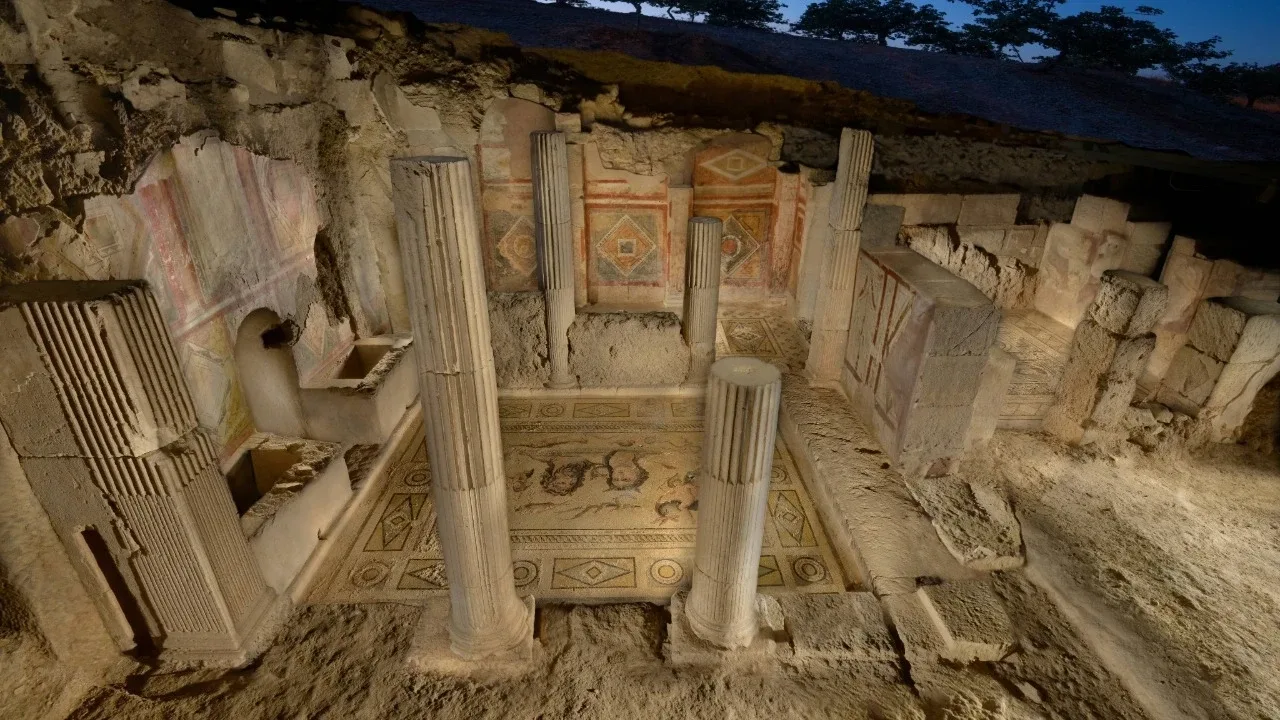
A Hellenistic–Roman frontier city founded around 300 BC on the Euphrates; its magnificent floor mosaics are now displayed at the Zeugma Mosaic Museum. (UNESCO Tentative List)
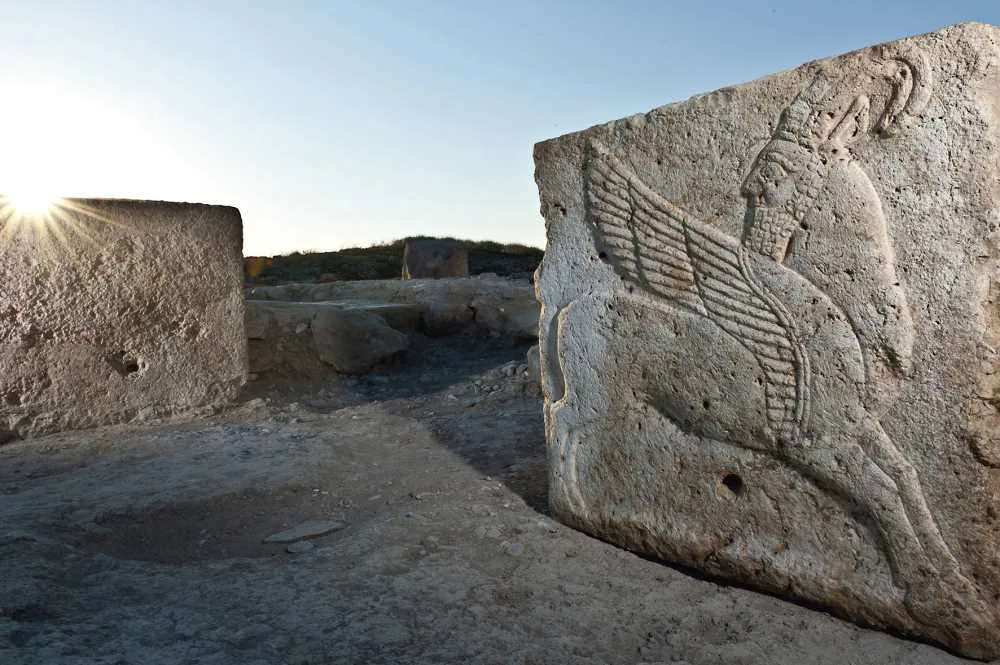
On the west bank of the Euphrates, on the Türkiye–Syria border; one of the most powerful Neo-Hittite city-kingdoms, famed for its hieroglyphic Luwian inscriptions and "Long Wall" reliefs.
Mounds, Workshops and Cult Centres
On the mounds of the plains and uplands: a Bronze Age city, a Roman cult centre, and the workshop and palaces that shaped the stone art of the ancient world.
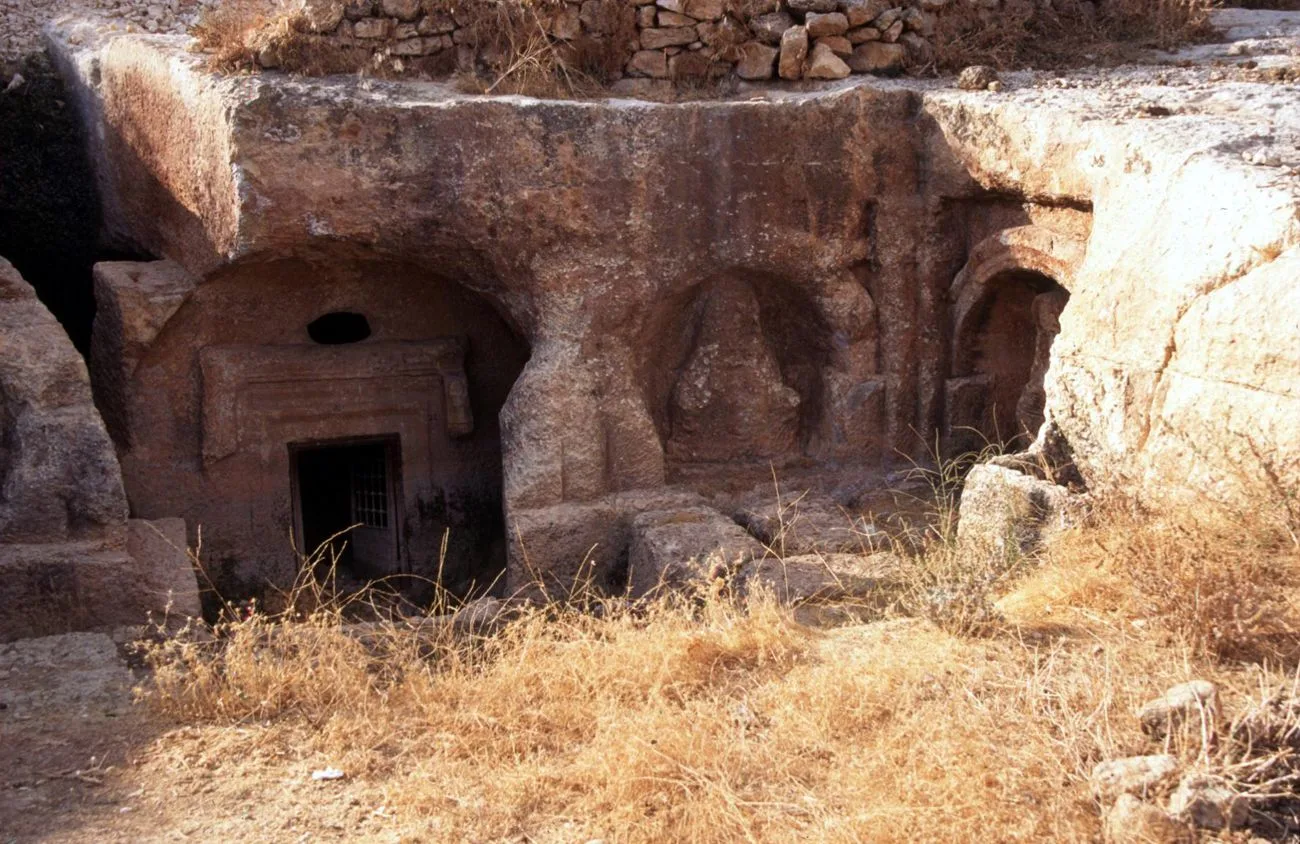
North of Gaziantep, the ancient city where the cult of Jupiter Dolichenus was born; known for one of the largest rock-cut underground Mithras temples.
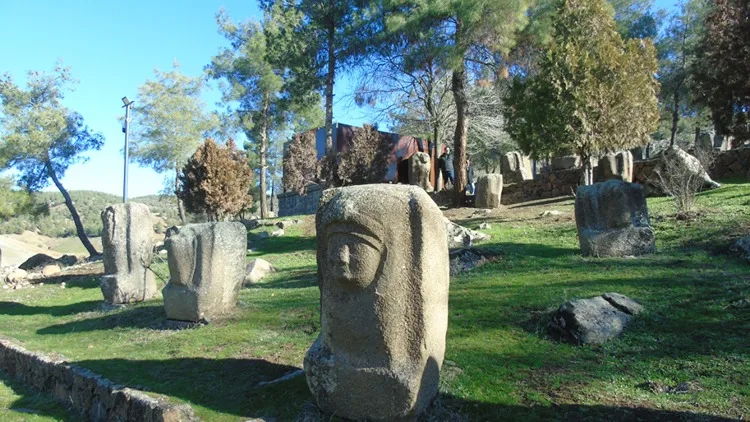
In İslahiye, with hundreds of unfinished sculpture blanks, the largest known stone-sculpture workshop of the ancient Near East; an open-air museum. (UNESCO Tentative List)
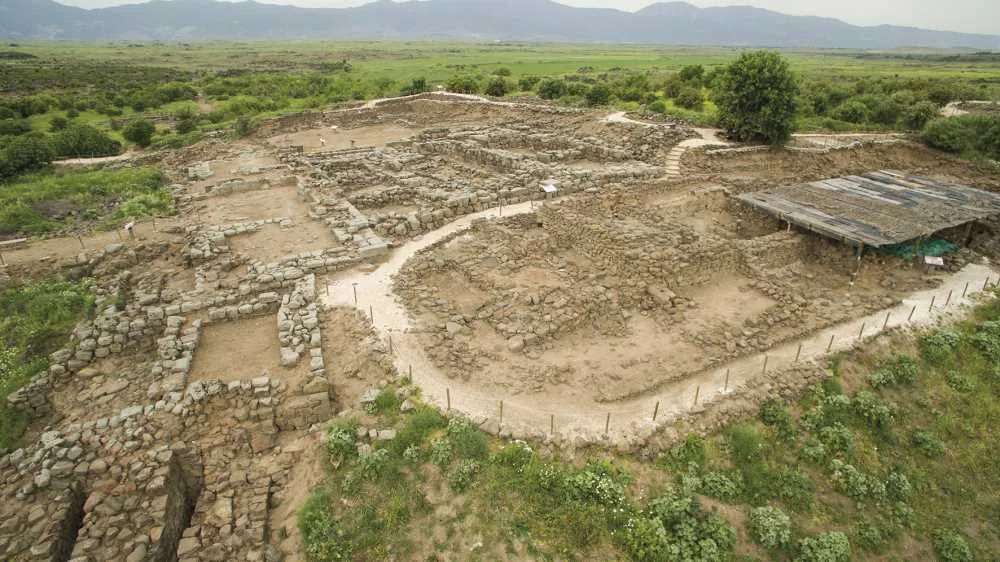
On the Karasu River in the İslahiye plain; a Middle Bronze Age city notable for its basalt "Cyclopean" architecture, now an open-air archaeopark.
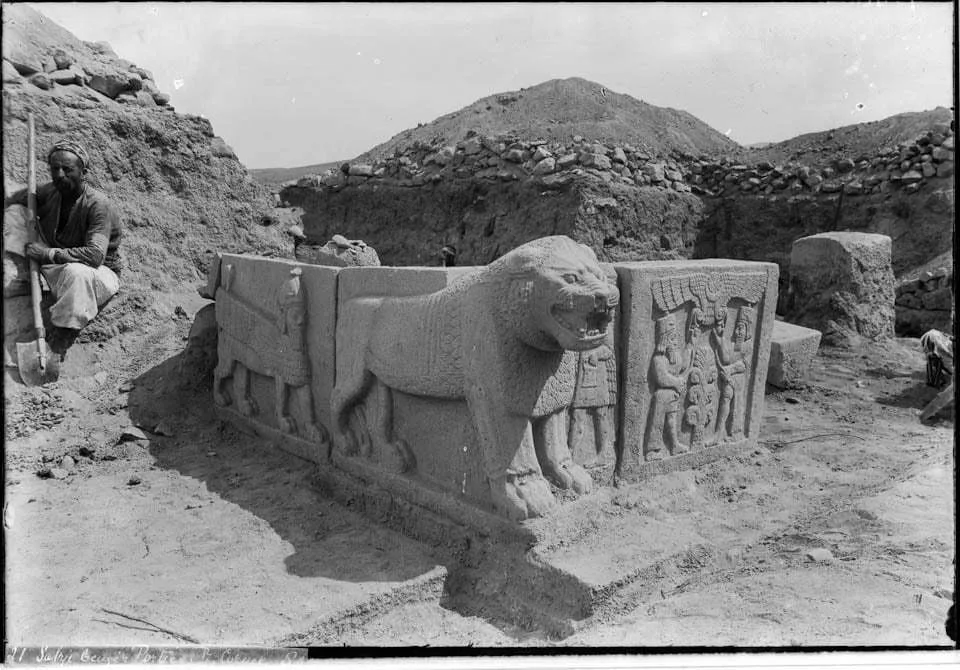
Near Nurdağı, a multi-layered mound spanning the 7th millennium BC to the Late Hittite era; famed for the Neo-Hittite reliefs of its bit hilani palace.
These six settlements do not belong to a single age: Tilmen Mound is a Middle Bronze Age city, Carchemish and Sakçagözü are Neo-Hittite centres, Yesemek is a Hittite/Neo-Hittite sculpture workshop, Dülük is a Roman-era cult centre, and Zeugma is a Hellenistic–Roman frontier city. What they share is that all of them are positioned in a geography controlling the Euphrates crossings or the Mesopotamia–Anatolia roads.
Trip Tips
A significant portion of the portable artefacts uncovered from these ancient cities is preserved not on site but in museums. For the region's ancient finds, the Gaziantep Archaeology Museum and the Zeugma Mosaic Museum, with its world-famous mosaic collection, are the principal stops. And to see the place of these cities within the region's general history in a holistic way, the History of Gaziantep page offers complementary reading.
Frequently Asked Questions
Which ancient cities are there in Gaziantep?
This page brings together six important ancient settlements of the region: the Hellenistic–Roman city on the Euphrates, Zeugma; the Neo-Hittite city-kingdom Carchemish; Dülük (Doliche), where the cult of Jupiter Dolichenus was born; the open-air sculpture workshop Yesemek; the Middle Bronze Age city Tilmen Mound; and Sakçagözü, famous for its Neo-Hittite reliefs. There are other mounds and ruins in the region as well; the focus here is on the six that stand out.
Why does Gaziantep and its surroundings have so many ancient cities?
The region lies in a transitional belt where the few crossings of the Euphrates meet the Mesopotamia–Anatolia trade and military roads. It is also a Hittite and Neo-Hittite homeland. Because the civilisations that wanted to control these river crossings and roads made these points centres of settlement and control from the Bronze Age to the Roman period, a multi-layered ancient-city landscape formed in the region.
Which are the oldest and the youngest of these ancient cities?
The settlements on this page belong to different ages. Tilmen Mound is a Middle Bronze Age city (roughly the 18th–17th centuries BC), the Yesemek workshop was founded in the 14th century BC, and Carchemish and Sakçagözü are Neo-Hittite-period centres. Dülük (Doliche) stood out as a cult centre in the Roman era, while Zeugma is a Hellenistic–Roman city founded around 300 BC.
What does a Neo-Hittite kingdom mean?
After the collapse of the Hittite State around 1180 BC, a series of city-kingdoms emerged in southeastern Anatolia and northern Syria, carrying on the Hittite culture, the Luwian language and the hieroglyphic script. These are called the Late Hittite or Neo-Hittite kingdoms. While Carchemish was one of the most powerful of these, the Yesemek workshop and the Sakçagözü palace also represent the stone art of this world.
Which of these ancient cities are on the UNESCO list?
Among the cities covered on this page, the Zeugma Archaeological Site and the Yesemek Quarry and Sculpture Workshop were added to the UNESCO World Heritage Tentative List by Türkiye in 2012. Being on the Tentative List is not a permanent/inscribed World Heritage status, but a preliminary inventory of sites being assessed for an official nomination in the future.
Where can I see the artefacts uncovered from the ancient cities?
The artefacts are preserved in different places depending on the city. Zeugma's mosaics are displayed at the Zeugma Mosaic Museum in central Gaziantep; the region's general archaeological finds are displayed at the Gaziantep Archaeology Museum. A significant portion of the stone reliefs of Carchemish and Sakçagözü, however, are held in various museums, foremost among them the Museum of Anatolian Civilizations in Ankara.