Gaziantep cuisine is remembered for its kebabs and baklava, yet the most labour-intensive delicacies of the city's table are its pilafs and dolmas. Vegetables stuffed one by one, leaves rolled by hand, festive pilafs enriched with pistachios — this is the heritage of the Antep home kitchen, patiently built and brought together in one pot. A large part of this variety is protected by geographical indication.
On this page we have gathered Gaziantep's rice and stuffed dishes under two headings: the festive centrepieces, the pilafs, and the stuffed vegetables, leaves and casings — the dolmas and wraps. You can follow through to each one's own page to read its history, what it is made of and its cultural background.
Pilafs
Registered pilafs where rice and firik (freekeh) meet meat, spices and sometimes pistachios — most of them fit for festive and celebration tables.
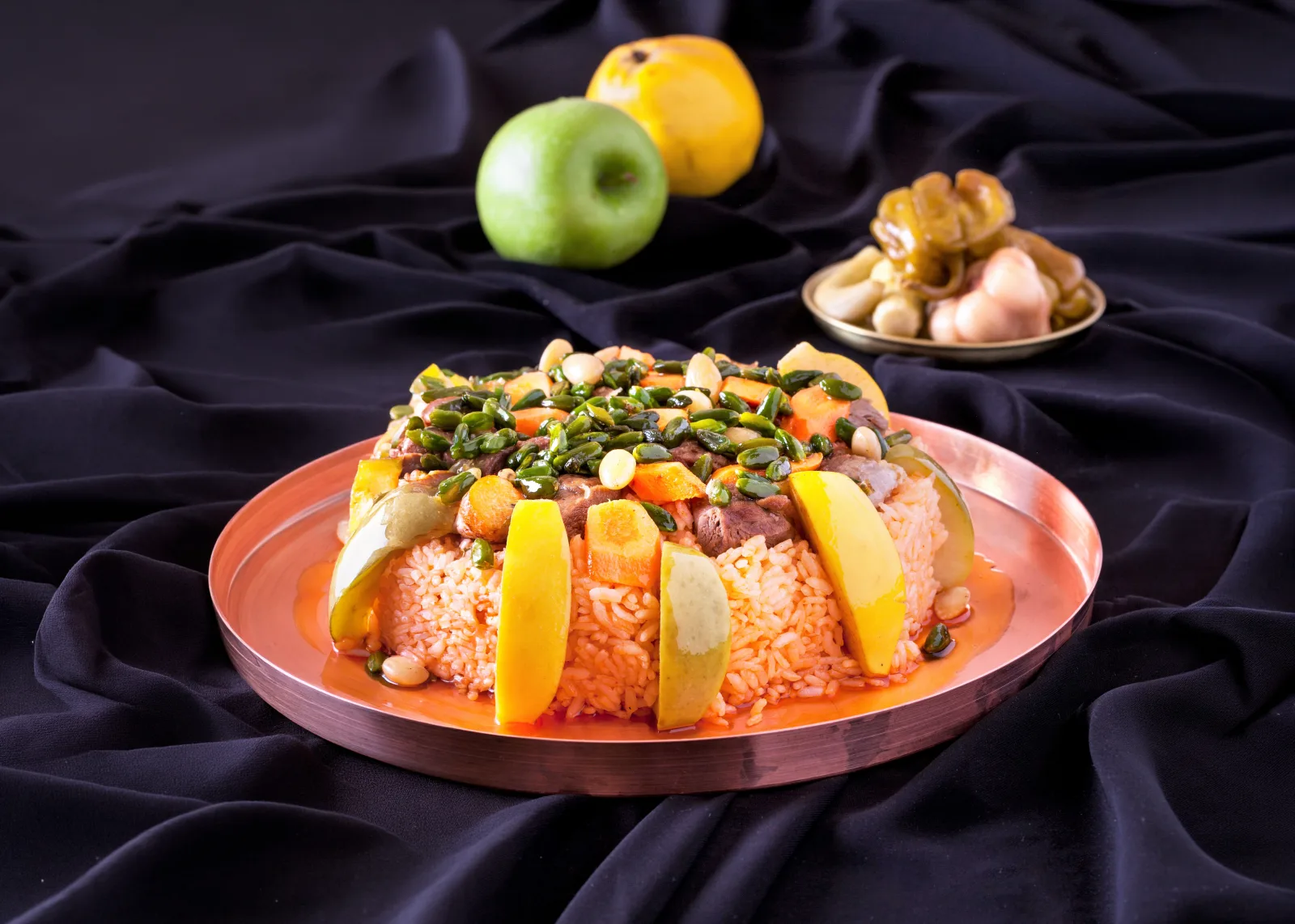
A festive molded "dome" pilaf of rice with lamb, carrot, quince, sour apple, almonds and Antep pistachios; a registered Gaziantep celebration dish.
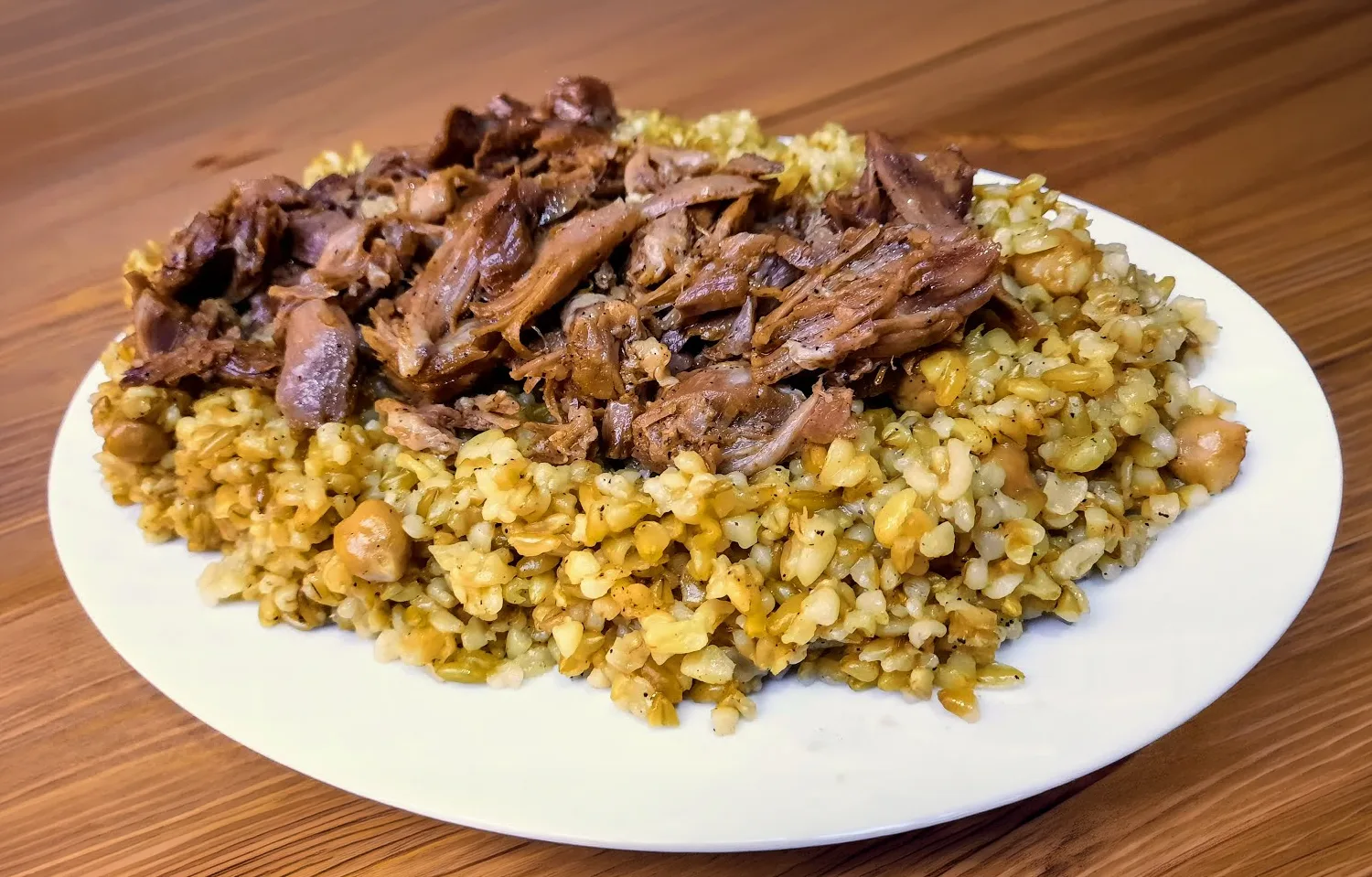
Smoky firik (freekeh) blended with Antep bulgur, cooked with meat and often topped with boiled lamb; registered.
Dolmas & Wraps
Vegetables, leaves and casings stuffed with a meat-and-rice or bulgur filling and cooked in the pot; most are registered, while some are deep-rooted home-kitchen heritage.
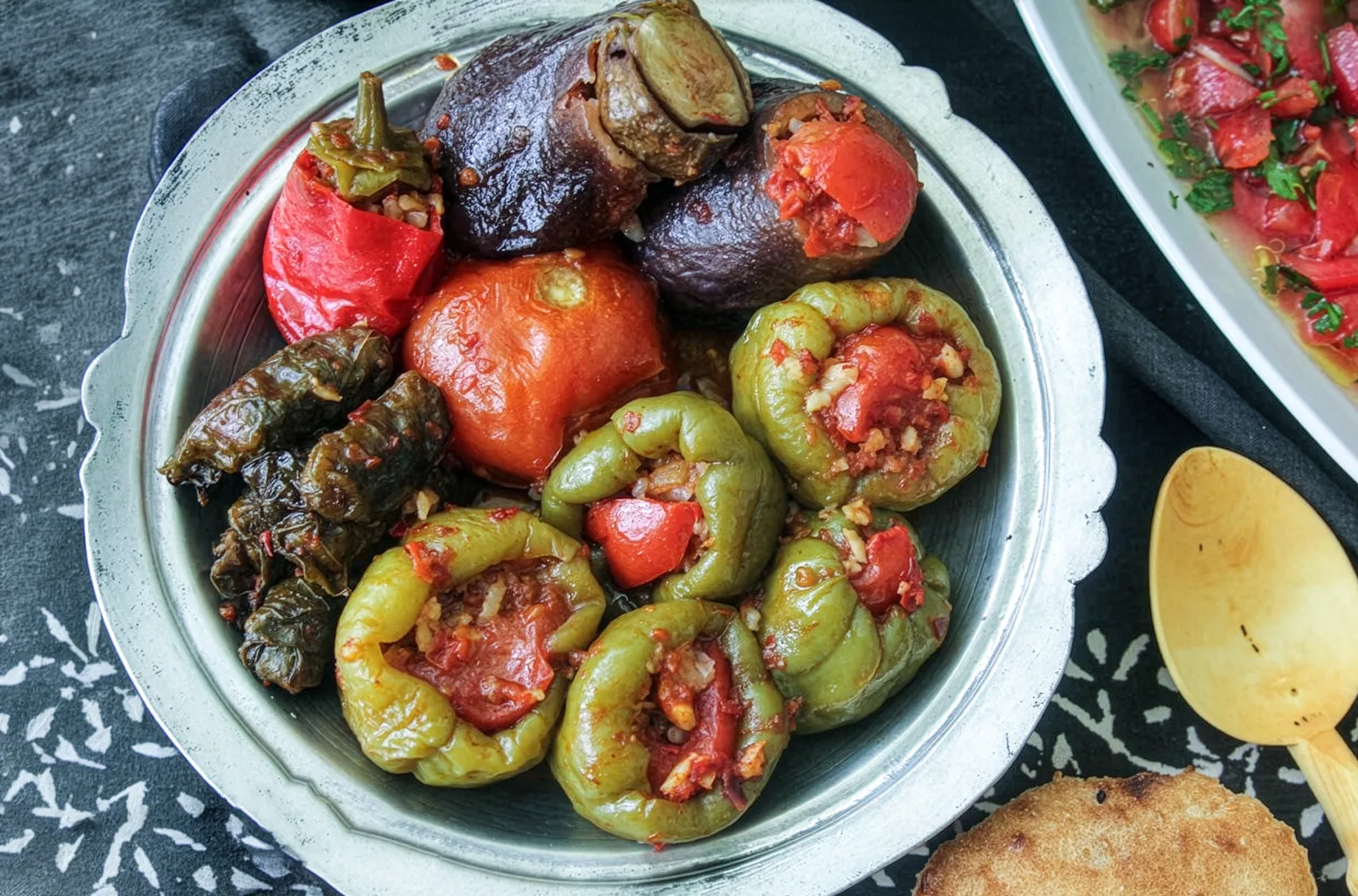
Colorful mixed summer vegetables stuffed with a meat-and-rice filling and cooked together in one pot; registered (also called Allı Yeşilli / Antep Summer Dolma).
The local haylan bottle-gourd, fresh or dried-and-reconstituted, stuffed with a spiced meat-and-rice filling; registered.
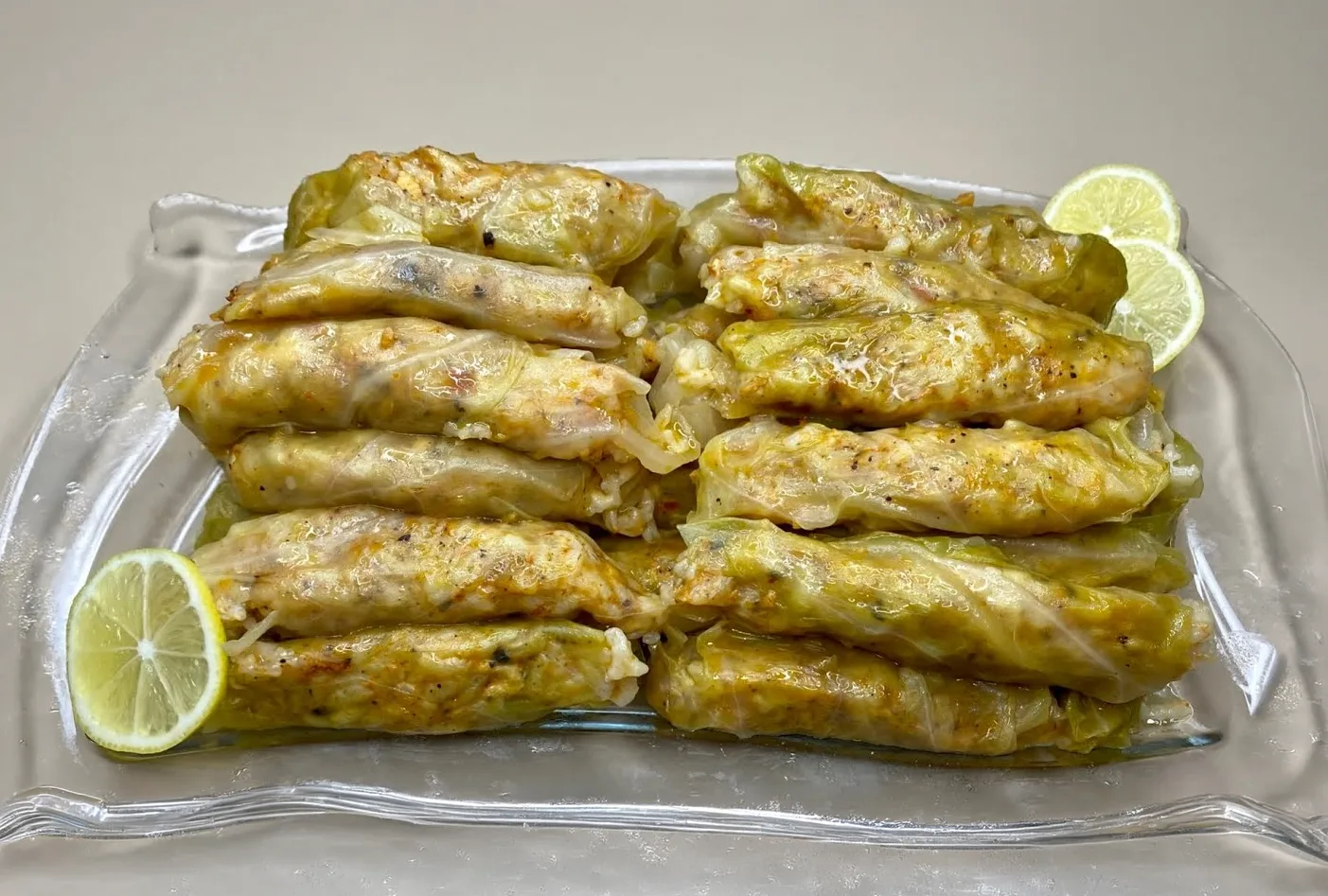
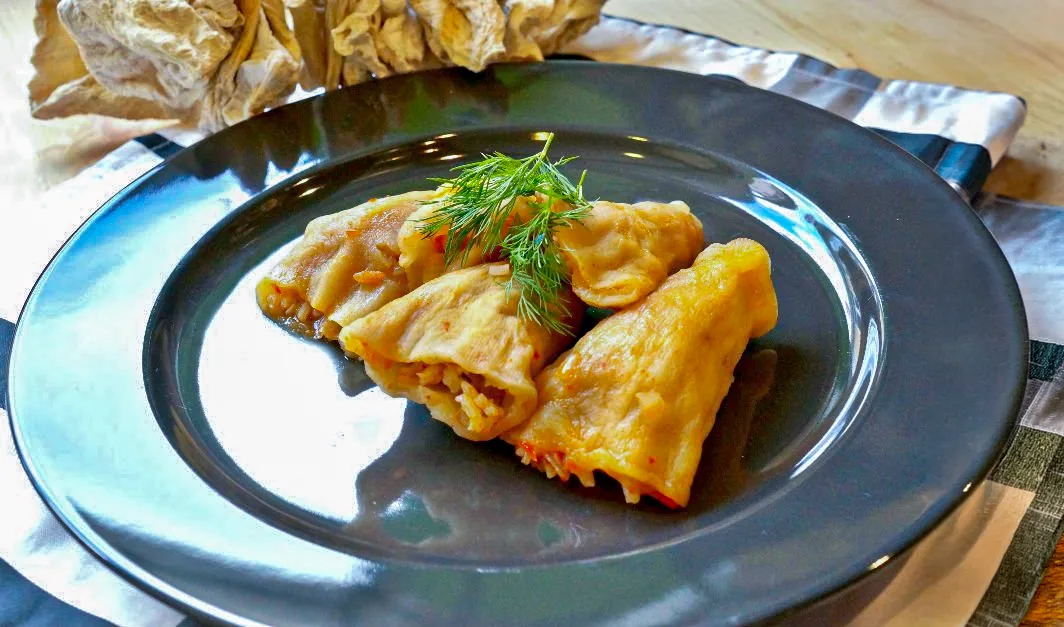
Small, tightly rolled cabbage leaves in the Antep sour-and-spicy style finished with pomegranate molasses; a heritage winter dish (meat and meatless versions).
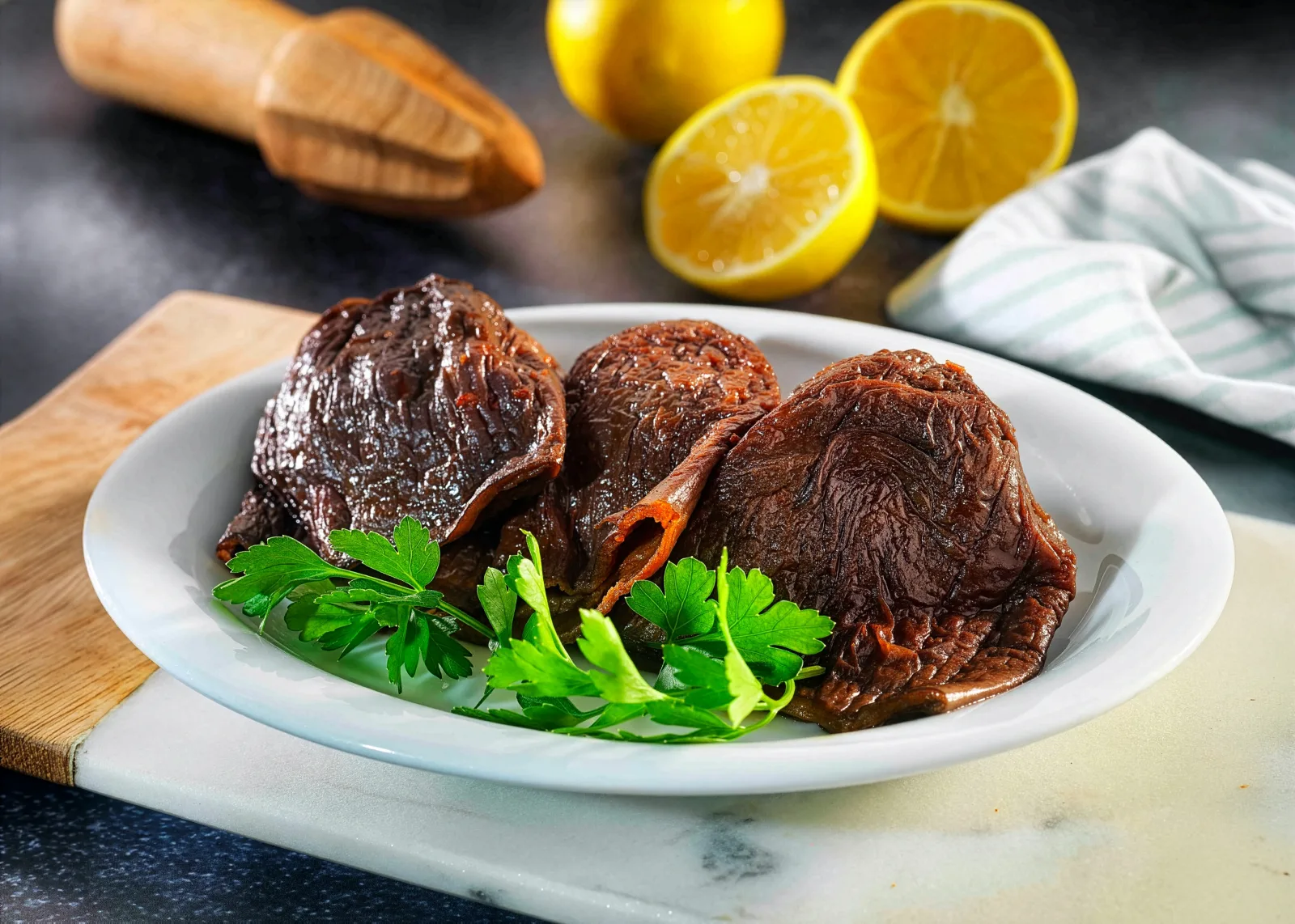
Antep's dried-eggplant "kuru dolma", sour and spicy, a winter classic; a heritage dish (meat and olive-oil versions).
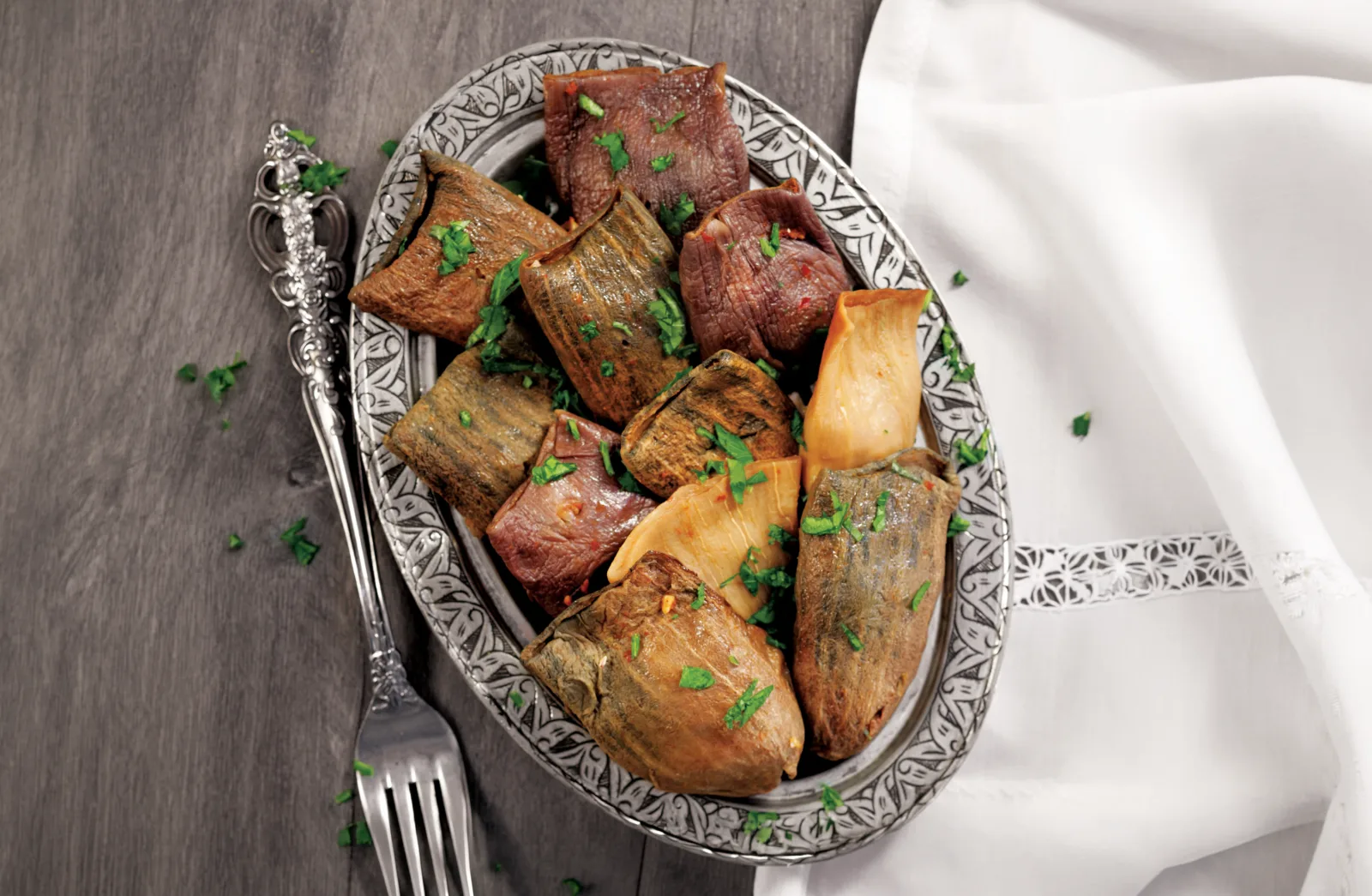
The firm acur gourd stuffed with smoky firik, bulgur and meat; a registered summer dolma.
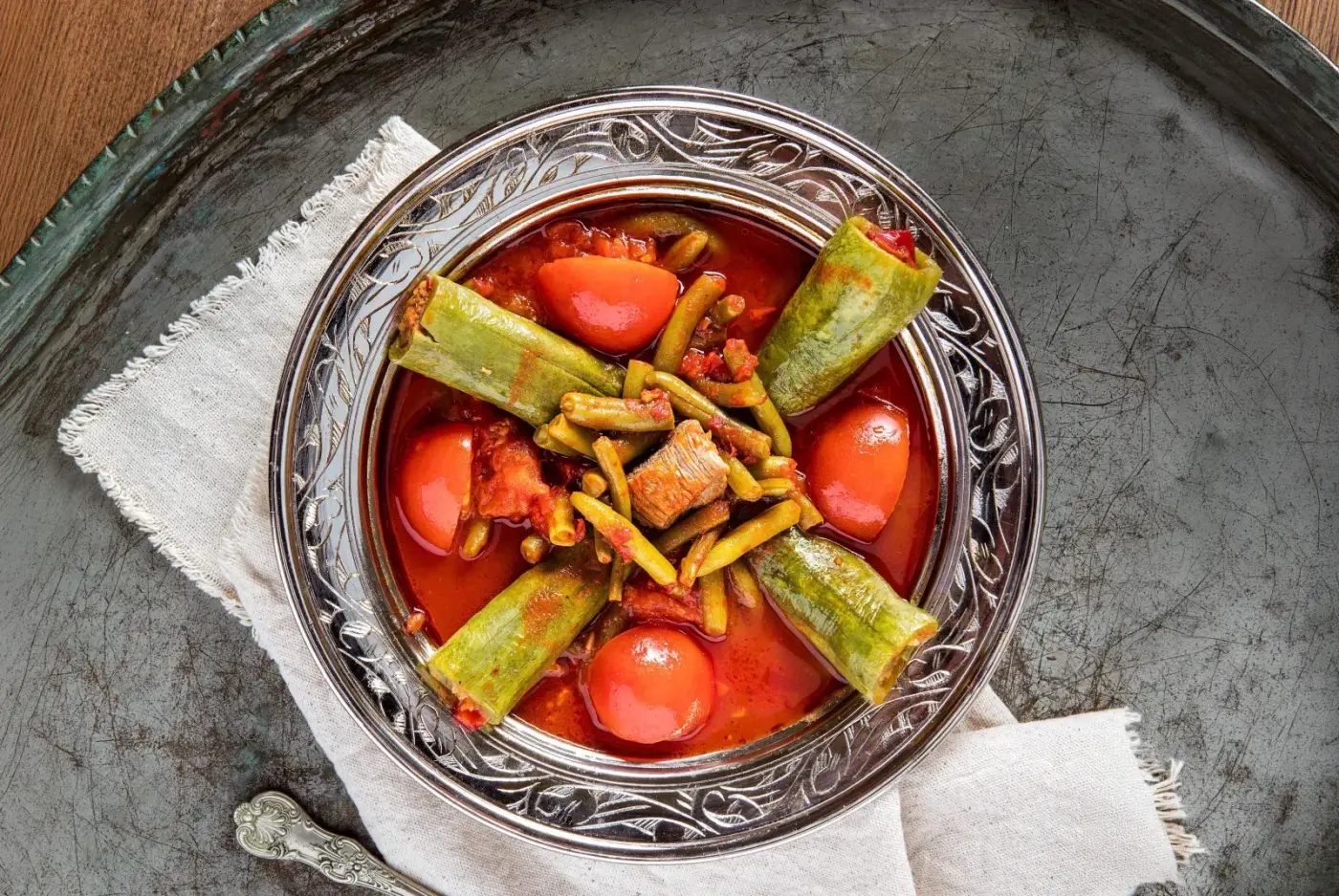
Rice-stuffed squash braised in one pot with cubed lamb and fresh green beans; registered.
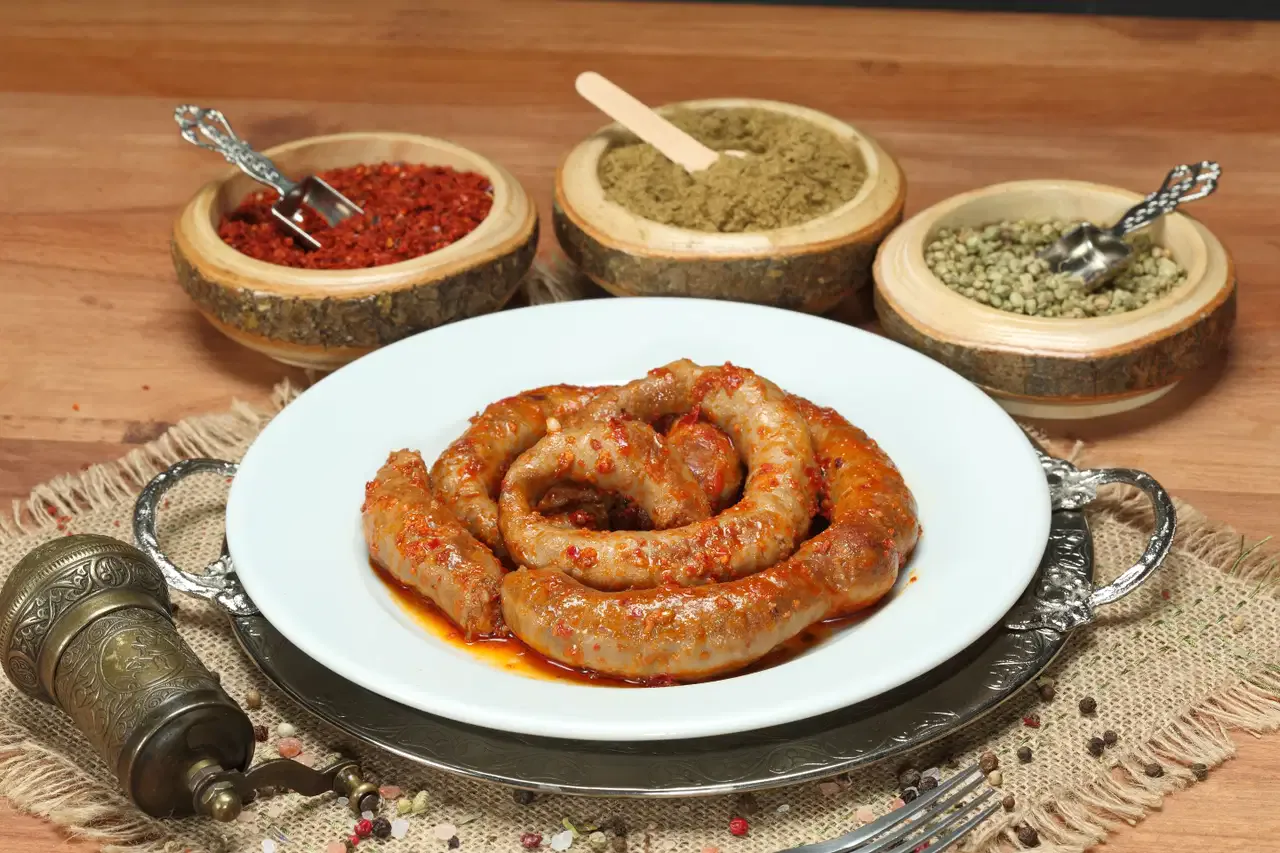
Lamb intestine stuffed with spiced bulgur-or-rice and meat, boiled then fried and sliced; a registered Kurban Bayramı dish.
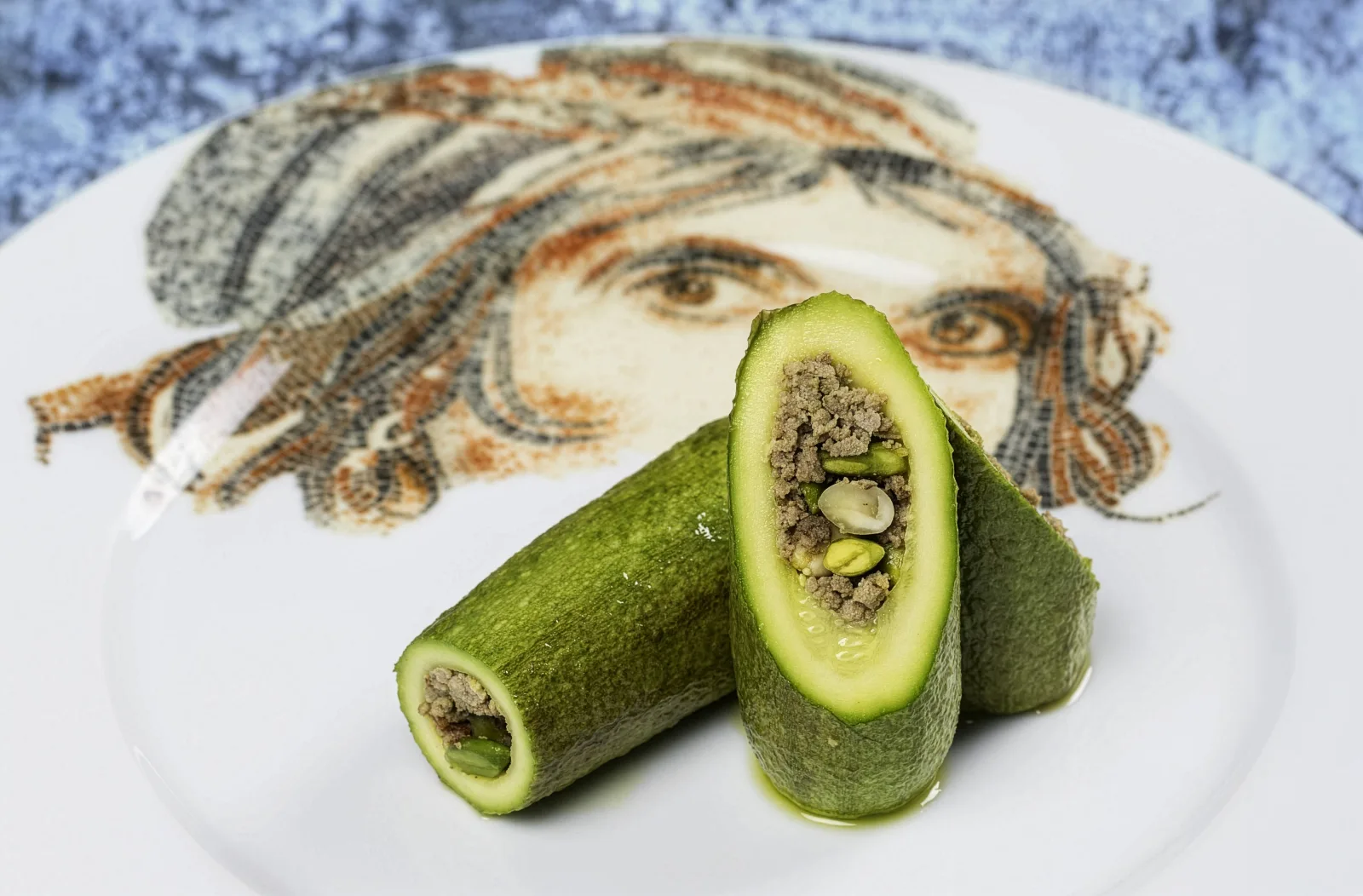
Squash stuffed with a rich minced-lamb, pistachio and almond filling scented with cinnamon and allspice; registered (Kuzu İçli Kabak Dolma).
Every dish on this page contains meat or meat broth; none is vegetarian. Cabbage roll and stuffed eggplant have meatless/olive-oil home versions, but their registered/signature forms are meat-based. For vegetarian Antep flavours, see options such as muhammara, mung bean salad and olive salad on the Appetizers & Salads page.
Gaziantep's Pilaf and Dolma Culture
In Gaziantep, dolma and sarma are the patient, labour-intensive work of the home kitchen. Hollowing each vegetable, preparing the filling and rolling the leaves one by one takes hours; this is why dolma is so often a tradition prepared communally for large gatherings, celebrations and religious holidays. The pilafs, meanwhile, are the splendid centre of the table: the pistachio-and-quince dome of Buhara pilaf, or the smoky grain aroma of firik pilaf, are regarded as the crown of a feast.
Another cornerstone of the Antep kitchen is the kuruluk tradition — the larder dried for winter. Eggplant, peppers, squash and haylan sun-dried through the summer are soaked and stuffed in the cold months, carrying the season back to the table. Most dolma fillings are meat-forward, balanced by sour notes such as pomegranate molasses and sumac; this gives the Antep dolma its distinctive character. To see the city's cuisine beyond its pilafs and dolmas all in one place, visit the Gastronomy page.
Frequently Asked Questions
Which dishes are on this page?
Two pilafs (Buhara pilaf, firik pilaf) and eight dolmas/wraps (nakışlı dolma, haylan squash dolma, cabbage roll, stuffed eggplant, firik stuffed acur, bean-stuffed zucchini, mumbar dolması, damat dolması) are listed under two headings.
Are any of them vegetarian?
No; all contain meat or meat broth. Cabbage roll (lahana sarması) and stuffed eggplant (patlıcan dolması) have meatless/olive-oil home versions; for vegetarian Antep flavours see the Appetizers & Salads page.
What is the difference between a pilav and a dolma?
A pilav is a rice or grain dish (such as rice or firik) cooked with meat and spices. A dolma is a vegetable, leaf or casing stuffed with a meat filling and cooked.
Which of these are registered geographical indications?
Eight of the ten: Buhara pilaf, firik pilaf, nakışlı dolma, haylan squash dolma, firik stuffed acur, bean-stuffed zucchini, mumbar dolması and damat dolması. Cabbage roll and stuffed eggplant are unregistered heritage dishes.
What makes Antep dolmas distinctive?
Their meat-forward fillings, sour notes such as pomegranate molasses and sumac, and the dried-vegetable (kuruluk) winter tradition that carries summer produce into the cold months.