Gaziantep may be best known for its gastronomy and history, but the city is surprisingly rich in natural beauty too. From the eastern shore traced by the Euphrates River — the lifeblood of Mesopotamia — to the vast Natural Life Park spread across Burç Forest, and the hand-planted red-pine woods of Dülükbaba to the north, water, forest and wildlife form a lesser-known but equally powerful side of this ancient city.
Below we have grouped the main nature stops in and around Gaziantep under two headings — the Euphrates and the waterside, and forest, park and wildlife. By going to each stop's own page you can read its history, geography and most distinctive features in full.
The Euphrates and the Waterside
The Euphrates, the lifeblood of Mesopotamia, and the heritage sunk along its banks: the watery face of the region.
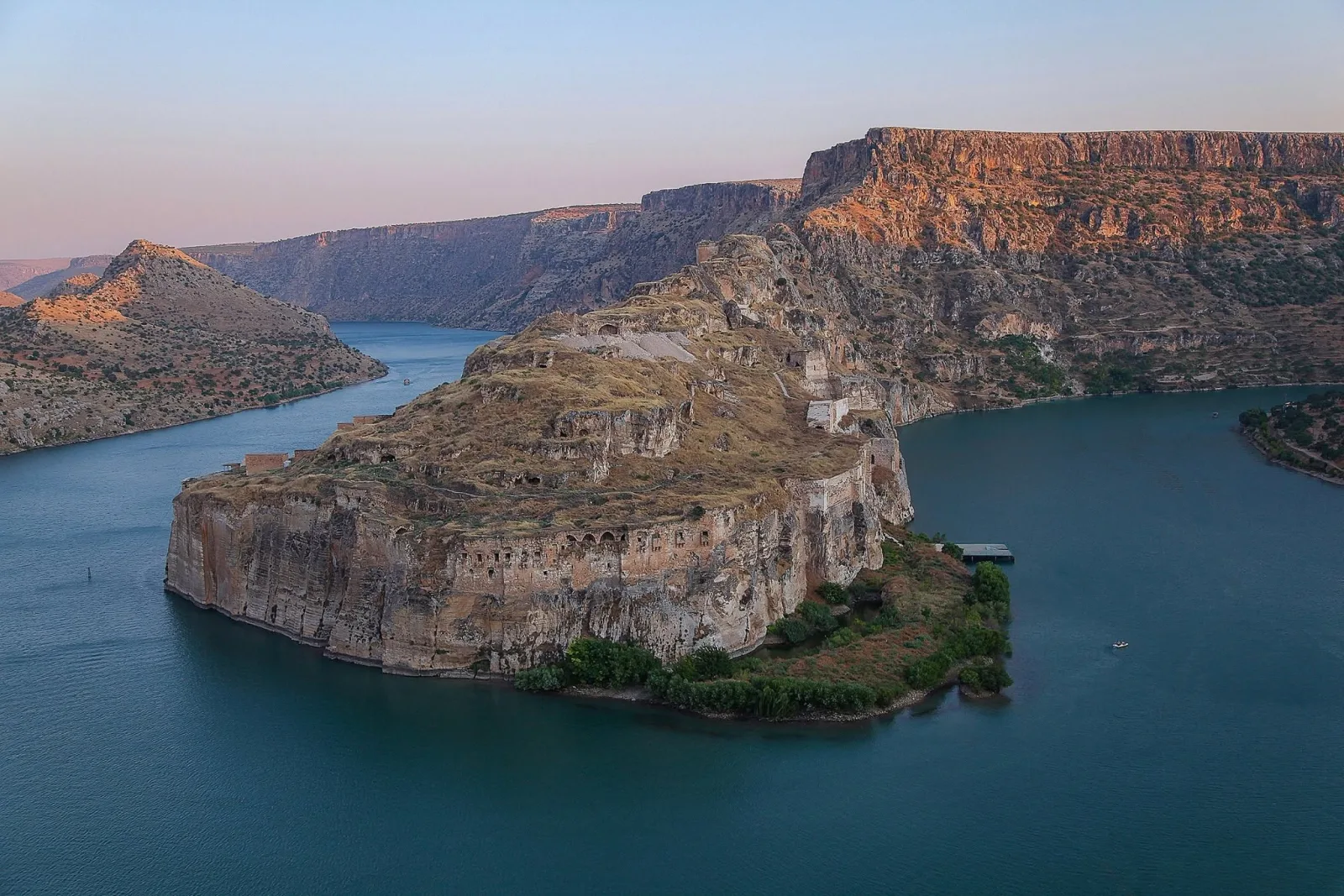
The lifeblood of Mesopotamia; flowing along Gaziantep's eastern edge past the west bank of Nizip, Yavuzeli and Karkamış, a ribbon of history linking ancient stops such as Zeugma and Rumkale.
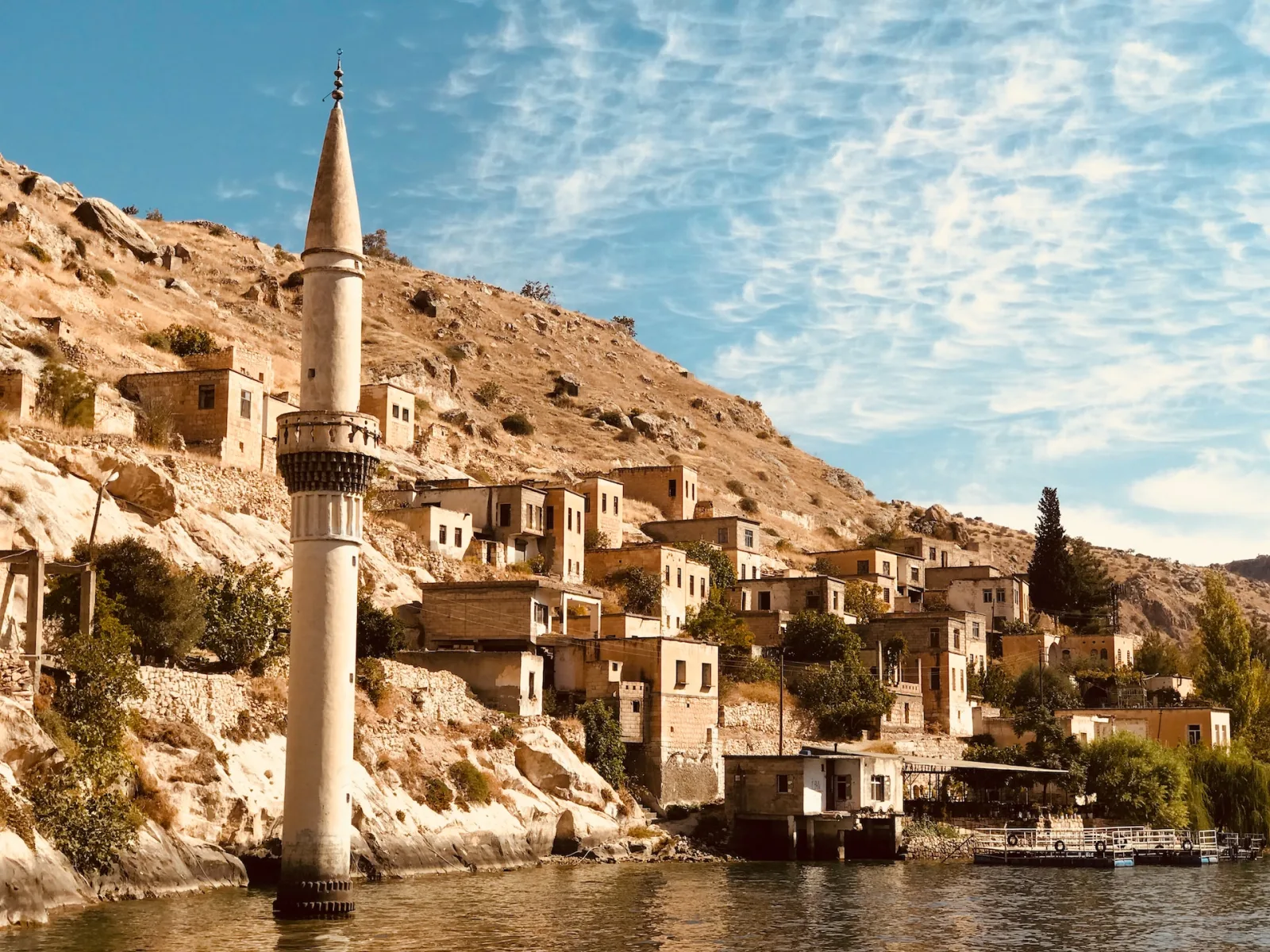
On the Euphrates (Birecik reservoir) in neighbouring Şanlıurfa; a "sunken city" whose old centre was flooded in 2000, known for its black rose and as the gateway to Rumkale boat tours.
Forest, Park and Wildlife
From Burç Forest to the red pines of Dülükbaba: the city's forests, parks and wildlife.
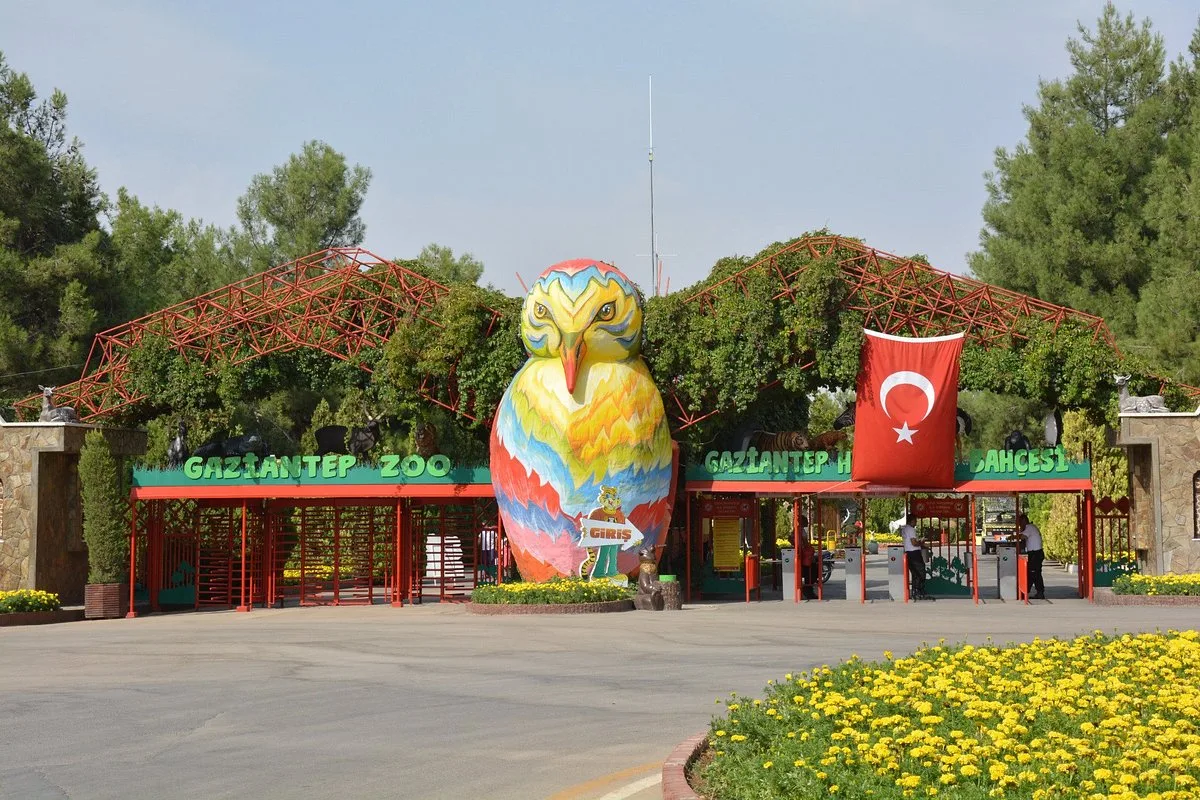
In Burç Forest, the largest zoo in Türkiye by area; with a safari park, bird sanctuary, aquarium and nature museum, the city's leading family destination.
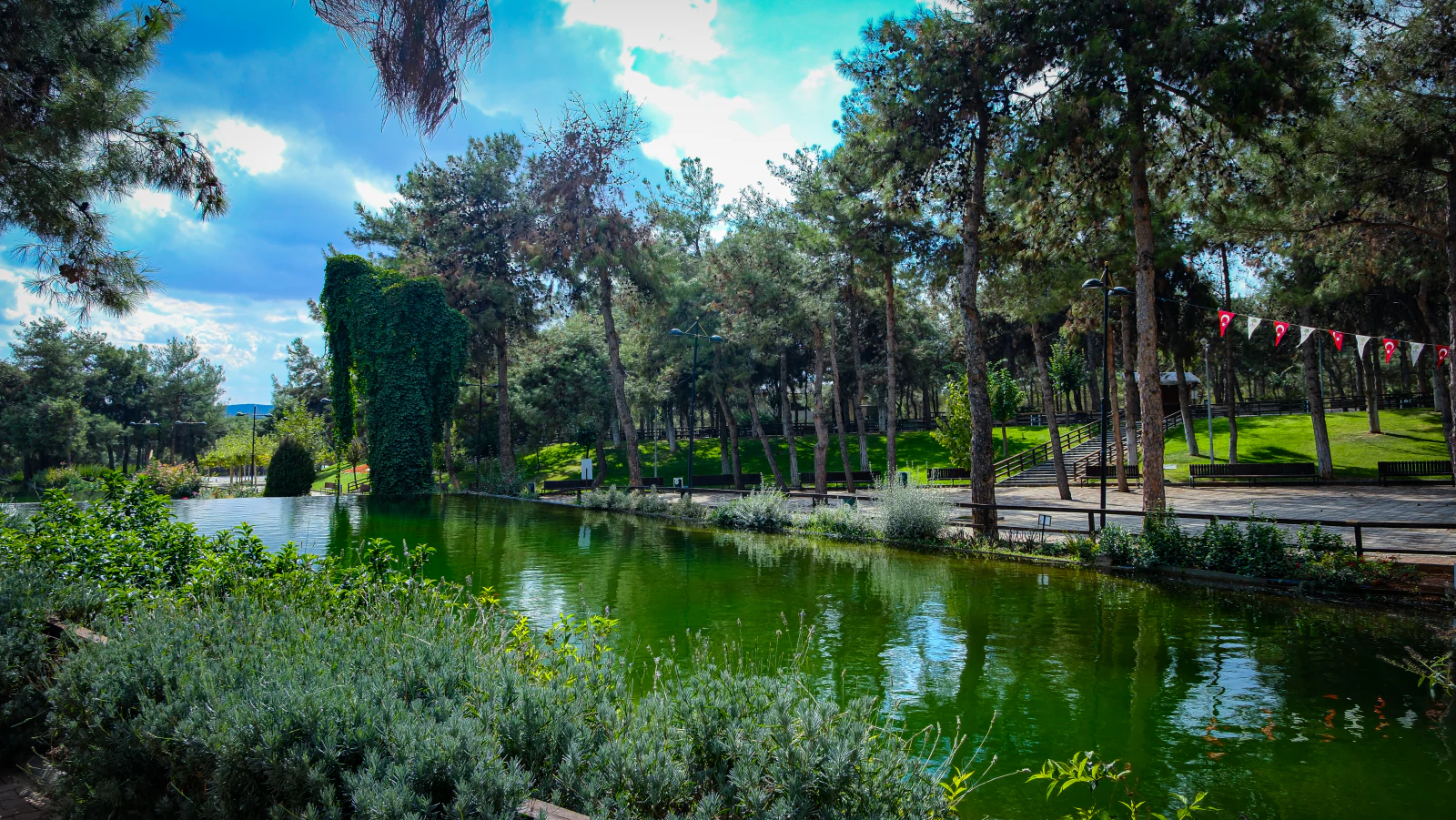
A ~306-hectare nature park north of the city; a hand-planted red-pine forest with a pond and picnic grounds, neighbouring the ancient settlement of Dülük.
Gaziantep's nature gathers around three axes: the water of the Euphrates and its reservoir lakes; the forests of Burç and Dülükbaba; and family-friendly nature spots such as the zoo. These stops are most often planned not on their own, but as a "nature break" added to the city's history and gastronomy trail.
Nature and History Intertwined
In Gaziantep, nature is almost always intertwined with history. A boat tour on the Euphrates carries you at once to the steep fortress of Rumkale and the sunken streets of Halfeti; a walk in the Dülükbaba forest merges with the ancient Dülük (Doliche) settlement and the Roman-era cult centre right beside it. To see the mosaics that the Euphrates once threatened, the Zeugma Mosaic Museum in the city centre is a complementary stop.
In this sense, Gaziantep's nature is visited not only for its scenery, but to see how water, forest and millennia of settlement weave together. To explore all of the city's culture and nature stops, take a look at the Culture Atlas.
Frequently Asked Questions
What are the nature spots to visit in Gaziantep?
The main nature stops in and around Gaziantep are the Euphrates River and its shores, the Gaziantep Zoo (Natural Life Park) in Burç Forest, Halfeti & the Sunken City on the Euphrates, and Dülükbaba Nature Park to the north of the city.
What is Gaziantep's largest nature and family destination?
The Gaziantep Zoo / Natural Life Park, within Burç Forest, is the largest zoo in Türkiye by area and — with its safari park, bird sanctuary and aquarium — the city's leading family destination.
Is Halfeti in Gaziantep?
Halfeti is administratively part of Şanlıurfa province, but it neighbours Gaziantep and is a main stop on day trips along the Euphrates from the city. Rumkale, on the opposite bank, lies within Gaziantep's Yavuzeli district.
Does the Euphrates flow through Gaziantep?
The Euphrates flows along the east of Gaziantep, forming a kind of natural boundary where the province borders Şanlıurfa. Gaziantep's Nizip, Yavuzeli and Karkamış districts lie on the western bank; Zeugma, Rumkale and Carchemish are on this shore.