Halfeti is a small district on the banks of the Euphrates River (the Birecik Dam reservoir), in the west of Şanlıurfa province, which borders Gaziantep. When the waters of the Birecik Dam swallowed most of the old district centre in 2000, Halfeti became one of the most talked-about travel spots in Türkiye, defined by its identity as a "sunken city." From Gaziantep's perspective, Halfeti is both the departure point for Euphrates boat tours and the main gateway for reaching Rumkale, which lies within Gaziantep's borders.
With its submerged houses, its half-sunken minaret, the black rose that grows only here, and its "slow city" identity, Halfeti offers a sense of time slowing down over still water. This page introduces Halfeti, the essential stop on Euphrates trips made from Gaziantep, in all its aspects.
The District That Sank Underwater
The event that shaped Halfeti's present-day identity was the Birecik Dam coming into operation in 2000. The rising waters of the reservoir left most of the historic district centre — its houses, gardens, marketplace and places of worship — underwater. Part of the population moved to the new settlement (New Halfeti / Karaotlak) some 15 kilometres away; the section that was not submerged welcomes visitors today under the name Old Halfeti.
As painful a loss as this transformation was, it also gave the region a completely different appearance. Streets that once ran along the riverbank now rise out of the water; boats moored at the shore can approach as close as the windows of the old houses. The "sunken city" tableau turned Halfeti into one of Türkiye's most distinctive landscapes for lovers of photography and nature.
Savaşan Village and the Sunken Mosque
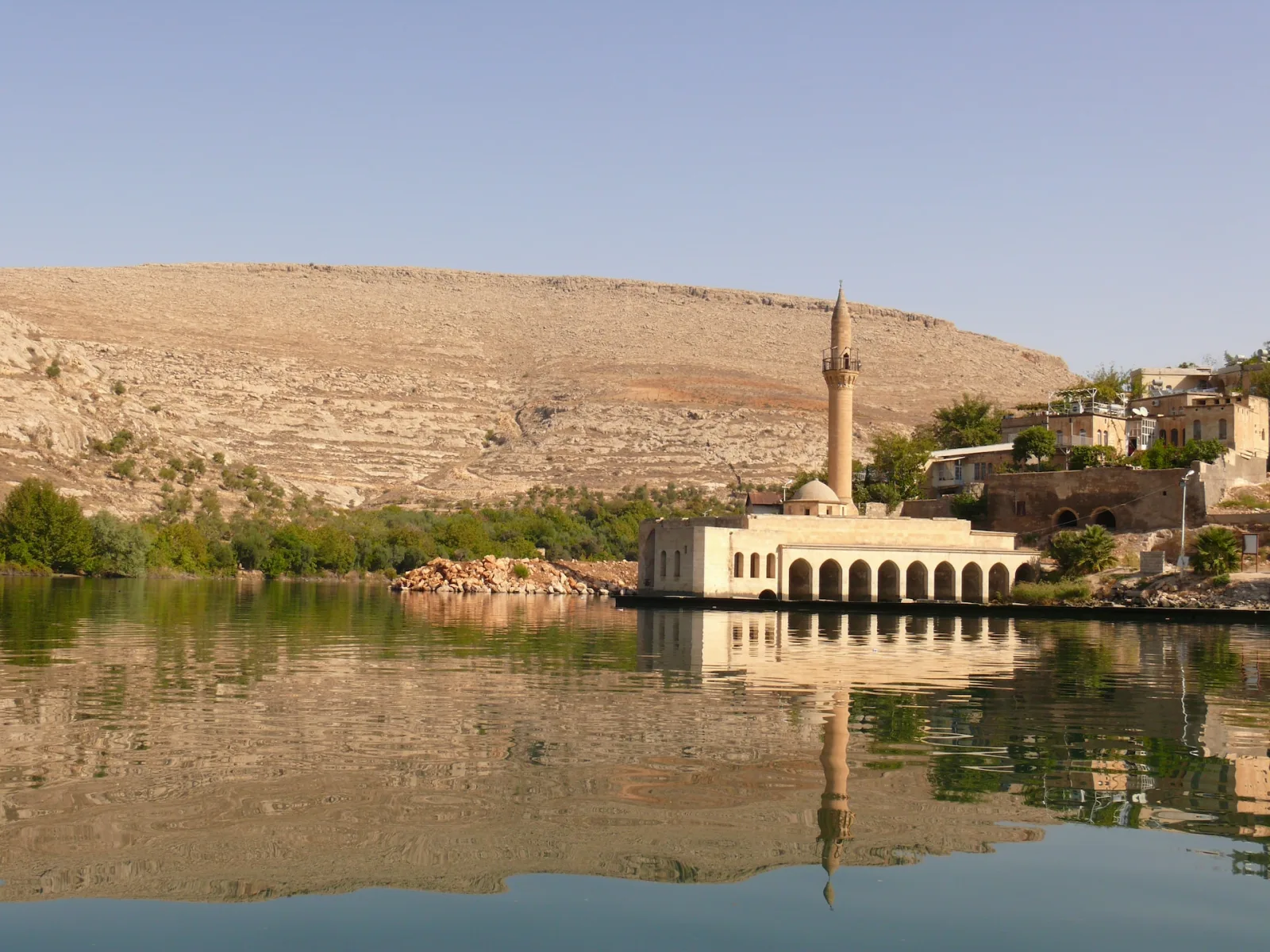
The first image that comes to mind at the mention of Halfeti is a minaret rising alone in the middle of the water. This minaret is what remains of the submerged part of the mosque in Savaşan Village, on the shore of the reservoir. Most of the mosque was sunk underwater, and only its minaret stayed above the surface; over the years this image has become almost the emblem of Halfeti.
Savaşan Village is the most important stop on the boat tours. The point where boats pass beside the sunken minaret and visitors gaze at the structures beneath the water is the most memorable moment of a trip to Halfeti.
Halfeti is administratively part of Şanlıurfa province; however, it borders Gaziantep and is the main stop on day trips along the Euphrates made from the city. Rumkale, on the opposite (western) bank of the Euphrates, lies within the borders of Gaziantep's Yavuzeli district and is usually visited by boats setting out from Halfeti. In other words, Halfeti and Rumkale form a complementary pair of stops on the two banks of the Euphrates.
Euphrates Boat Tours and Rumkale
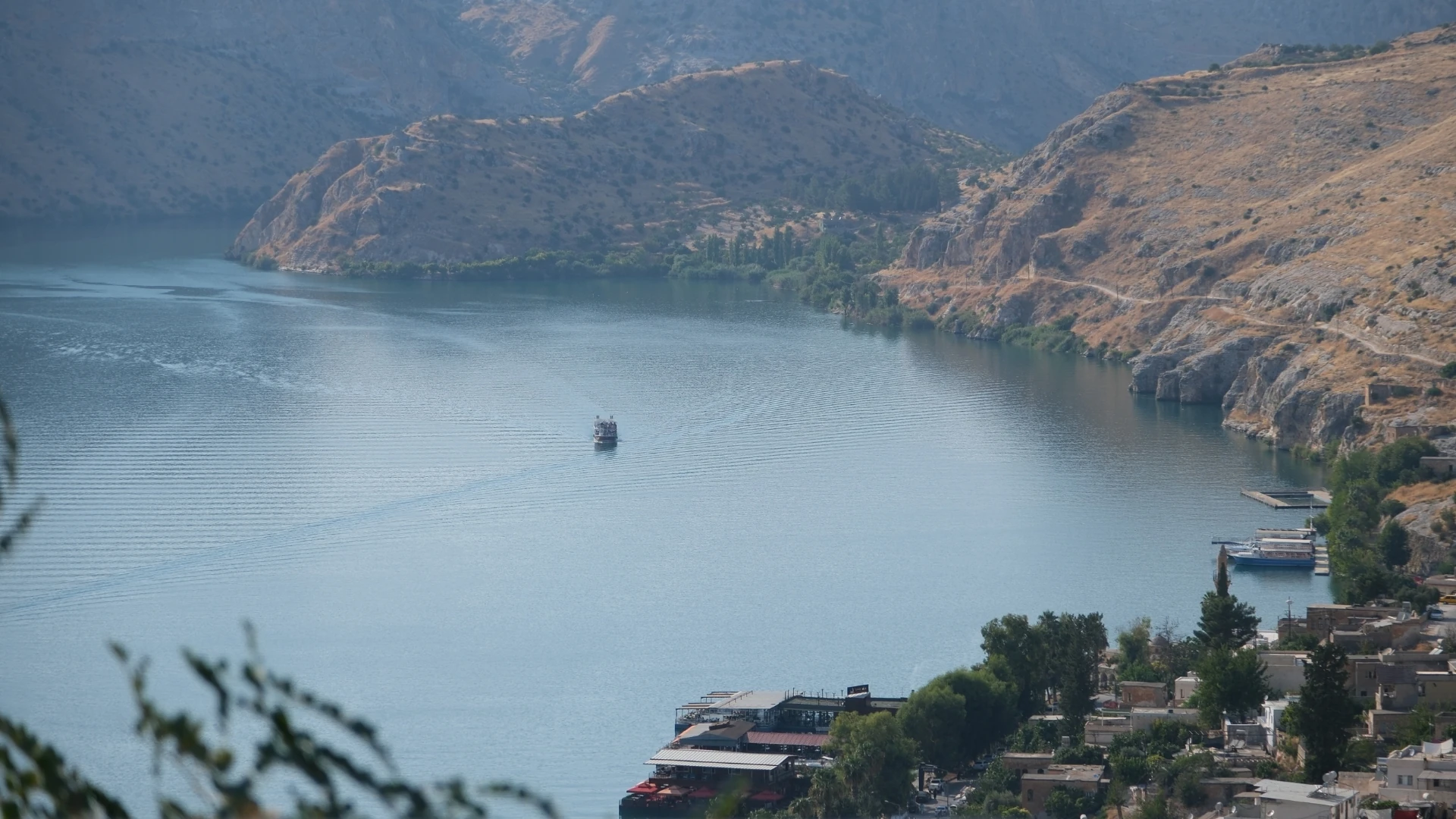
The finest way to explore Halfeti is by the boat tours on the Birecik Dam reservoir. Setting out from the Old Halfeti shore, the boats follow a route taking in the Çekem area, the sunken mosque in Savaşan Village, and Rumkale. Along this route, besides the houses submerged beneath the water, you can also see historic structures such as Saint Nerses Church, the Barşavma Monastery and water cisterns carved into the rock.
At the junction of the Euphrates and the Merzimen Stream, rising on a steep mass of rock, Rumkale is the high point of this route. With its layered history reaching from Rome to Byzantium, from the Crusaders to the Islamic period, Rumkale turns the Halfeti boat tour into far more than a nature outing. For the river's complete story in the region, the Euphrates River page offers complementary reading.
The Black Rose of Halfeti
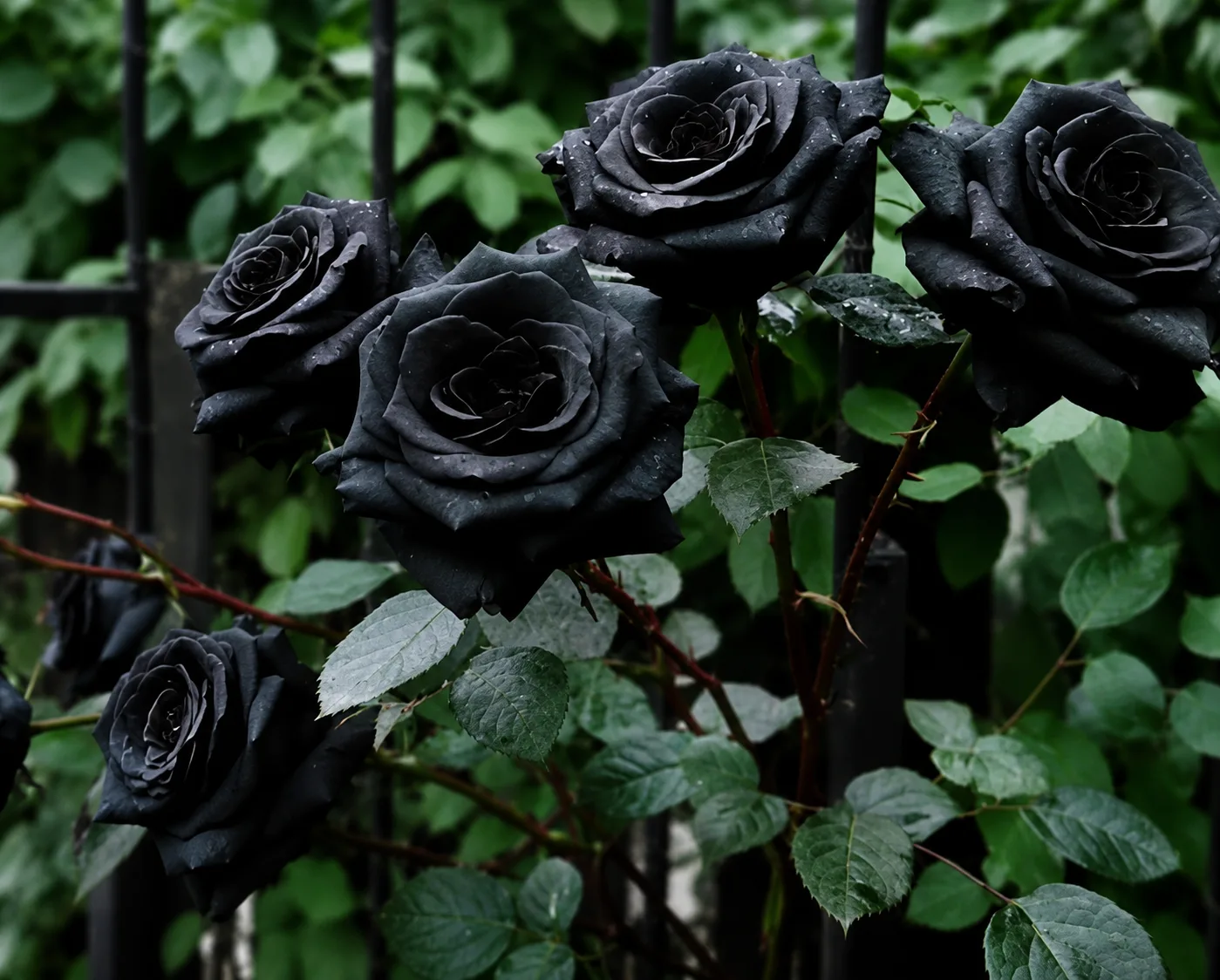
Another element that makes Halfeti unique is the black rose that grows only in this area. Actually a deep crimson colour, this rose darkens so much in the special soil and climate conditions of Old Halfeti that it appears almost black to the eye. Blooming in spring, the black rose is one of the area's best-known symbols and counts among the natural beauties that have made Halfeti's name known around the world.
The colour and texture of the black rose emerge in this form only in the microclimate of Old Halfeti; when moved elsewhere it does not show the same darkness. This rarity makes the rose one of the small but unforgettable details of a trip to Halfeti.
Halfeti, the Slow City (Cittaslow)
With its peaceful, unhurried fabric, Halfeti was admitted in 2013 to the international Cittaslow (Slow City) network. This identity is granted to settlements that protect local life, nature and the traditional fabric against rapid urbanisation. In Halfeti, time flows slowly like the still waters of the reservoir; the tea gardens along the shore, the simple restaurants and the boat jetties all nourish this calm.
For those who want to add a calm break amid nature to Gaziantep's intense gastronomy and history trip, Halfeti is an ideal stop. To plan the city's other nature and culture spots, you can take a look at the Culture Atlas.
Frequently Asked Questions
Where is Halfeti, and how far is it from Gaziantep?
Halfeti is a district of Şanlıurfa province and lies on the banks of the Euphrates River (the Birecik Dam reservoir), neighbouring Gaziantep. It is one of the most popular stops on the day trips along the Euphrates made from Gaziantep.
Why is Halfeti called the "sunken city"?
When the waters of the Birecik Dam rose in 2000, most of the old Halfeti district centre was left underwater. Because of the submerged houses and structures, the district is known as the "sunken city"; part of the population moved to the new settlement some 15 km away.
Where is the sunken mosque minaret in Halfeti?
The famous minaret rising in the middle of the water is what remains of the submerged part of the mosque in Savaşan Village. Most of the mosque was sunk underwater, and this image has become the emblem of Halfeti. It is the main stop on the boat tours.
Can Rumkale be visited on a Halfeti boat tour?
Yes. The boat tours on the Birecik Dam reservoir set out from Old Halfeti and take in the sunken mosque at Savaşan and Rumkale on the opposite bank of the Euphrates. Rumkale lies within the borders of Gaziantep's Yavuzeli district and is usually visited by boats setting out from Halfeti.
What is the black rose of Halfeti?
The black rose is a deep-crimson rose that darkens so much only in the special soil and climate conditions of Old Halfeti that it appears almost black to the eye. When moved elsewhere it does not show the same darkness, and it is one of the area's best-known symbols.
Why is Halfeti known as a "slow city"?
Halfeti was admitted in 2013 to the international Cittaslow (Slow City) network for its peaceful fabric and its protection of natural life. The slow, unhurried atmosphere along the reservoir shore is the basis of this identity.