The Saklı Konak Copper Art Museum is a private museum set in an Antep mansion within Gaziantep's historic urban fabric, displaying the roughly 1,060-piece copper collection brought together by the collector Ali Atalar. Alongside plates, ewers, cauldrons, bowls, trays and pitchers — most of them made by coppersmith masters who lived in the Ottoman period — the museum houses many ethnographic objects, and is remembered as the first museum in Türkiye founded from a private collection. It takes its name (saklı konak, "the hidden mansion") from the historic house tucked away among the city's narrow streets.
This article covers the museum's founding story, the traditional Antep mansion in which it sits, the standout groups of works in the collection and a discovery guide for visitors. For those who wish to read Gaziantep's centuries-old coppersmithing tradition through tangible objects, the museum is one of the stops representing the city's crafts within its museums atlas.
Saklı Konak: From a Historic Antep Mansion to a Museum
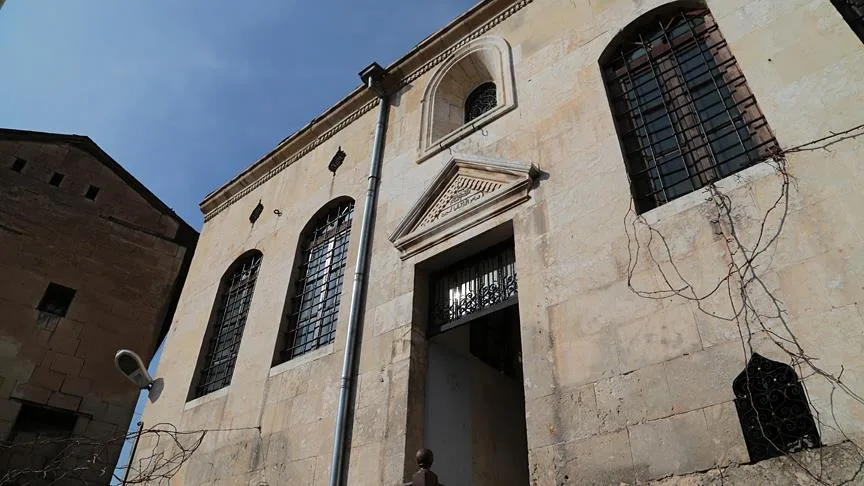
The building that houses the museum is a traditional Antep mansion set within the old urban fabric around the castle in Gaziantep's historic centre. Tucked away among narrow streets and made up of two adjoining sections, the mansion reflects the region's tradition of civil architecture with its cut-stone walls and courtyard layout. In this respect the building is an exhibit as noteworthy as the works it contains.
The museum grew out of the collector Ali Atalar's wish to bring together the copper works he had gathered over many years. Atalar restored the historic mansion he purchased in 2010 and opened his arranged collection to visitors in 2011. In this way, copper works that had largely changed hands in scattered fashion were brought together under a single roof as a preserved whole. Saklı Konak is one of those examples in which a derelict or disused structure is brought into the city's collective memory through private effort.
Works and Sections You Must See
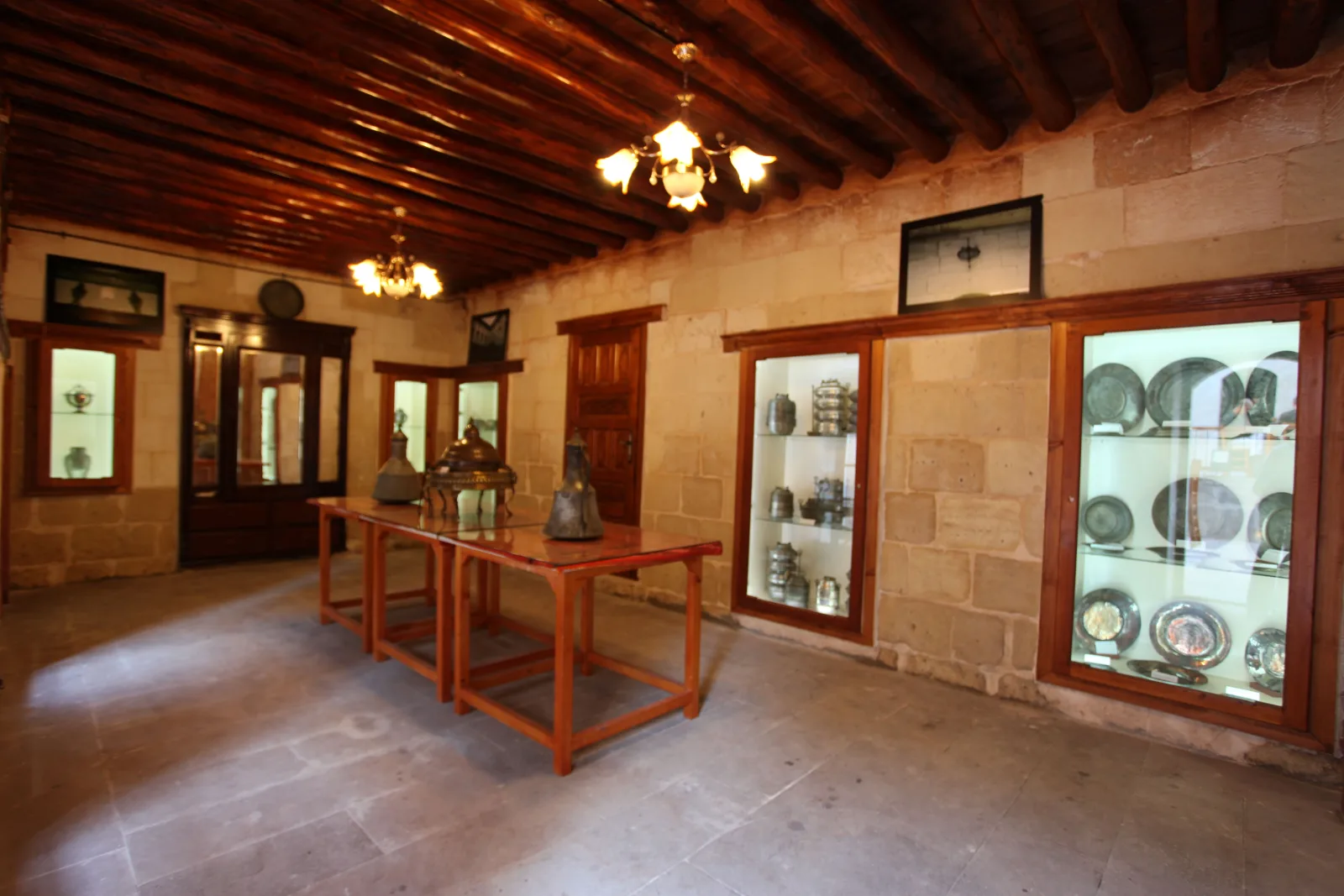
The backbone of the museum is its collection of roughly 1,060 copper pieces. Most of the works are everyday and household objects made by coppersmith masters who lived in the Ottoman period; these are not merely kitchen implements but craft objects on which techniques such as forging, tinning and engraved ornamentation were applied with great skill.
Copper Kitchen and Household Objects
The largest group in the collection consists of objects that once filled the kitchen and table of the traditional Antep home: plates, ewers, cauldrons, bowls, trays, water vessels and pitchers. These works show both the functional and the ornamental character of the copper sets once found in every home; many carry ornamentation worked by the master's chisel. This group reveals the everyday counterpart of the city's centuries-old coppersmithing tradition.
Scales, Measures and Ethnographic Pieces
The museum also displays weighing and measuring instruments such as steelyard scales, along with various ethnographic objects. More recent items of daily life, such as old radios, are also part of the collection; these pieces show that the museum turns not only towards copper but towards the everyday life of the past as a whole. Some of these sets were part of a bride's dowry; you can see the place of copper and silver craftsmanship in the dowry chest at the Hasan Süzer Marriage and Life Culture Museum.
Ottoman-Period Weapons
Another striking section of the collection consists of weapons from the Ottoman period. Pieces such as swords and daggers add to the museum's ethnographic variety alongside the copper works and open a different window onto the metalworking of the era.
Gaziantep has for centuries been one of the leading centres of copperware production; the city's historic Coppersmiths' Bazaar is a living place where the craft is still carried on in the masters' hands. By bringing together the finest past examples of this tradition — born amid the sound of hammers in the bazaar — Saklı Konak builds a bridge between the bazaar where production continues and the museum where the collection is preserved.
A Visitor's Discovery Guide
- Read the mansion as a work too: The cut-stone walls and courtyard layout of the traditional Antep mansion are as noteworthy as the copper works inside; as you tour, remember that the building itself is part of the exhibition.
- Look closely at the ornamentation: The forged and engraved decoration on the ewers, trays and pitchers shows that each piece came from a master's hand; looking at the works up close reveals the refinement of the craft.
- Notice the variety: Reaching from kitchen objects to weighing instruments, from radios to Ottoman weapons, the collection shows that the museum focuses not only on copper but on a whole culture of daily life.
- Match it to the bazaar: By matching the works you see in the museum with the living production in the city's historic Coppersmiths' Bazaar, you can map out a tour — seeing the works of the past side by side with today's masters.
Summary and Cultural Value
The Saklı Konak Copper Art Museum is a place born of one private collection's personal passion, yet one that has become part of the city's collective memory. With its roughly 1,060-piece collection it documents Gaziantep's centuries-old coppersmithing tradition through tangible objects; with a variety reaching from plates to ewers, from scales to Ottoman weapons, it lays bare not merely a metal but a whole culture of daily life. Being the first museum in Türkiye founded from a private collection makes it a special example for both Gaziantep and Turkish museology. Its repurposing of a historic mansion for this end is a successful reflection of the city's tradition of safeguarding its cultural heritage. To view from a wider frame the city where the same craft is still carried on in the masters' hands, the Coppersmiths Bazaar, where copper is still hammered, and the Museums of Gaziantep page are good places to continue.
Frequently Asked Questions
When was the Saklı Konak Copper Art Museum founded?
The collector Ali Atalar restored a historic Antep mansion he purchased in 2010 and opened his arranged copper collection to visitors in 2011.
What works are on display in the museum?
The museum holds a copper collection of roughly 1,060 pieces: plates, ewers, cauldrons, bowls, trays, water vessels and pitchers, along with steelyard scales, old radios, and weapons such as swords and daggers from the Ottoman period.
From which period do the works date?
Most of the collection consists of works made by coppersmith masters who lived in the Ottoman period, gathered largely from Gaziantep and its surroundings.
Why is the museum considered important?
It is remembered as the first museum in Türkiye founded from a private collection, and it fills an important gap by documenting Gaziantep's deep-rooted coppersmithing tradition under a single roof.
What is the museum's link to the Coppersmiths' Bazaar?
Gaziantep has for centuries been a centre of copperware production, and the city's historic Coppersmiths' Bazaar is where the craft is still carried on. The museum preserves the past examples of a tradition born in the bazaar, bridging production and collection.