 Vegetarian
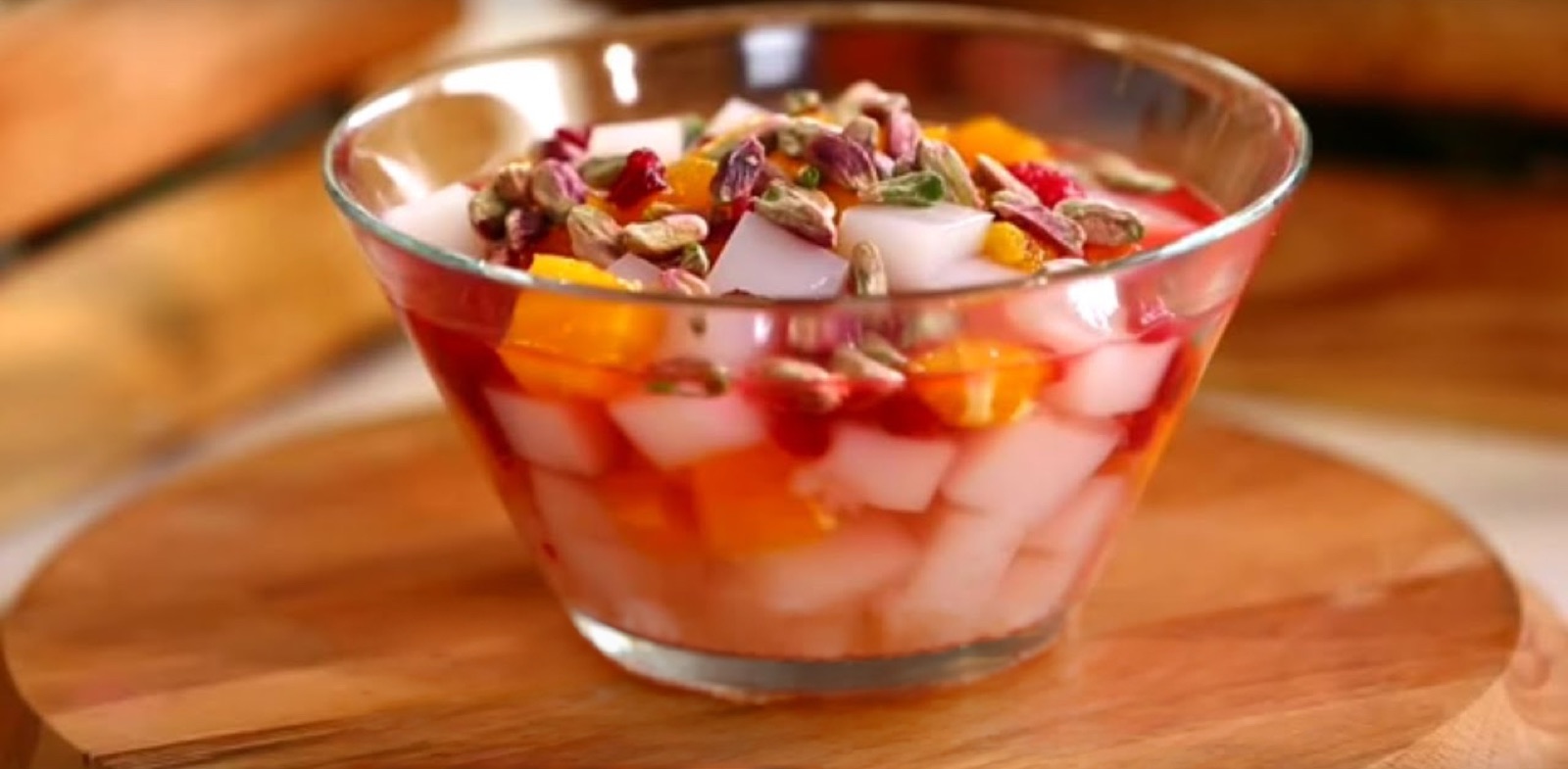
Haytalya is Gaziantep's refreshing summer dessert: a starch pudding cooked to a thick set, cooled, cut into small cubes, then dipped into ice-cold syrup scented with rose water and served. The gelatinous cubes left in the syrup, the gentle aroma of rose and the coolness of crushed ice added on top come together in a single bowl. Known locally also as haytalı and hıtaplı, the dessert stands apart from heavy syrup-soaked sweets through its lightness and cold service; in Gaziantep's hot summer days it is traditionally eaten to cool down in the afternoon.
The identity of the dessert springs from the harmony of a few plain essentials: a starch pudding cooked with milk and water, a clear syrup made with sugar, rose water or rose syrup, and the crushed ice added at the moment of serving. Behind these lies not a process spread over days but a simple cycle that requires timing — cooking the pudding and leaving it to cool, then cutting it and bringing it together with cold syrup. In some presentations, crushed Antep pistachio and pomegranate seeds are scattered over the cubes.
This article explores the world of ingredients that shapes haytalya, its traditional pudding-and-syrup technique, its origins in the cuisine of Gaziantep and its surroundings, and its ceremonial place at the city's summer table.
What Is Haytalya and What Is in It?
Haytalya is a cold dessert made by cooking milk, water and starch until they reach a thick pudding consistency, pouring the mixture into a tray, cutting it into small cubes once it has cooled and set, and serving it dropped into cold syrup scented with rose water and topped with ice. What sets it apart from hot, heavily syruped pastries such as baklava is both that it is served cold and the lightness of its pudding texture: the sweetness has soaked not into the cubes but into the clear syrup around them. Cold desserts prepared on a similar logic are known in Turkish cuisine by different regional names — "bici bici," "haytalı" or "fazıla"; haytalya is the form of this family of refreshing sweets that lives on in and around Gaziantep.
Core Components
- Starch Pudding: The body of the dessert is a starch pudding cooked with milk and water. Wheat or corn starch is stirred constantly until it reaches a pudding consistency thick enough to coat the bowl; once cooled, it sets into a gelatinous, slightly trembling texture firm enough to cut with a knife. This texture is haytalya's signature: it is soft to the bite and holds its shape in the syrup without dissolving.
- Rose Water and Rose Syrup: It is rose that gives haytalya its scent and its refreshing character. Rose water or rose syrup is added to the clear syrup made with sugar and water; this gives the dessert a floral, light aroma instead of a heavy sugary taste. The balanced — rather than dominant — use of rose is among the chief things that make haytalya refreshing.
- Sugar and Syrup: Haytalya's sweetness comes from the cold syrup into which the cubes are dipped. Sugar is dissolved in water and boiled into a clear syrup, then cooled; this syrup is both the sweetener and the liquid bed of the dessert. Because the pudding itself is left unsweetened, the balance of the dessert depends entirely on the consistency of the syrup and the proportion of rose.
- Ice: One of the most distinctive elements that define haytalya is the crushed or shaved ice added to the bowl at the moment of serving. The ice chills the syrup intensely and gives the dessert the coolness sought in the summer heat; in this respect haytalya stands directly opposite desserts eaten hot.
- Antep Pistachio and Pomegranate: In many presentations, crushed Antep pistachio is scattered over the cubes; in season, pomegranate seeds may be added too. These additions give the dessert both colour and texture; the oily aroma of the pistachio and the tart freshness of the pomegranate play a balancing role alongside the rose-scented syrup.
The Geography of Its Service
Haytalya is a dessert eaten immediately and ice-cold once prepared; it is not a dessert meant to keep its warmth but, on the contrary, a refresher that must be served before it loses its chill. In Gaziantep it is served in bowls during the summer at dessert benches and at venues offering summer sweets. Because of its syrupy, icy nature it is hard to carry far; in this respect haytalya — unlike gift sweets such as baklava or pistachio paste — has largely remained a flavour tasted on the spot and in season.
The History and Cultural Origins of Haytalya
The origins of haytalya rest both on Anatolia's deep-rooted tradition of starch and pudding and on the hot summer climate of Gaziantep and its surroundings. Although similar desserts that bring a starch pudding together with cold syrup are known by various names in different regions, in its rose-scented, iced form haytalya gained a distinctive identity in Gaziantep.
A Deep-Rooted Cold-Dessert Tradition
Pudding-like sweets prepared by cooking starch with milk and cooling it are part of the centuries-old accumulation of Anatolian cuisine. Local accounts and artisan memory position haytalya as one of the region's deep-rooted summer desserts; it is regarded as a natural result of the search for a refreshing sweet in hot climates. While these accounts show the dessert's deep cultural place, a precise starting date is not documented; for this reason haytalya is best regarded as part of the region's deep-rooted heritage of cold desserts.
Its Name and Local Pronunciations
As well as being called haytalya in the Gaziantep region, the dessert appears in local speech as haytalı and hıtaplı. Cold desserts prepared on the same logic are known across different parts of Türkiye by names such as "bici bici" or "fazıla"; this variety shows that a dessert bringing starch pudding together with cold syrup is shared across a wide geography. In Gaziantep, the name haytalya and its rose-scented, iced presentation define the dessert's locally specific form.
How It Became a Regional Summer Dessert
What identifies haytalya with Gaziantep is its place in the city's summer cuisine and the importance given to refreshing desserts. The region's search for an iced, light sweet on hot summer days has made haytalya — which unites a starch pudding with rose-scented cold syrup — a part of the area's summer tables. The Antep pistachio added on top also draws the dessert closer to the city's strong bond with the pistachio.
The Haytalya Tradition and Ritual in Gaziantep
In Gaziantep, haytalya is not merely a dessert; it is part of the summer, of cooling down and of coping with hot days. It holds a place of its own within the city's seasonal culinary rhythm, especially in the summer months.
A Refresher for the Summer Heat
Haytalya's best-known place in Gaziantep culture concerns the summer season. With its ice-cold syrup and light pudding, haytalya is a dessert preferred for cooling down in the afternoons when the heat rises. In the period when hot and heavy desserts recede during summer, cold and light sweets such as haytalya come to the fore; in this respect the dessert is a typical example of the city's dessert habits that shift with the season.
The Craft of the Pudding and the Syrup
Haytalya is defined as much by the balance of its syrup as by cooking the pudding to the right consistency. The starch pudding must be cooked so that it can be cut once cooled yet still feel soft to the bite; the syrup must be adjusted so that it is neither too heavy nor flat. The measured use of rose, the addition of ice at the moment of serving and cutting the cubes so they do not fall apart are details that depend on the experience of the maker. The handing down through generations of techniques for preparing cold desserts is also part of the diversity of crafts that was one reason for Gaziantep's admission to the UNESCO Creative Cities Network in the field of gastronomy in 2015.
Its Place at the Table
In Gaziantep, haytalya is often eaten after summer meals or in the middle of the day to cool down; it is preferred when a light, cold close is sought rather than a heavy dessert. Those curious about the relationship Gaziantep cuisine builds with the pistachio and with cold desserts can follow the city's range of sweets in signature flavours such as katmer and Gaziantep baklava.
Why You Should Try It
A single bowl of ice-cold haytalya carries Gaziantep's summer cuisine and its culture of refreshing desserts to the palate in one bite: the coolness of the rose-scented clear syrup, the soft and slightly trembling texture of the starch pudding and the chill of the crushed ice all arrive at once. Rather than being drowned in heavy syrup, it offers a light and balanced sweetness; with the Antep pistachio added on top, it takes on a character particular to the city. And because it loses its effect once it loses its chill, the truest way to taste haytalya is to eat it in the summer, freshly prepared and while the ice has not yet melted.
Frequently Asked Questions
What is haytalya and where is it from?
It is a refreshing summer dessert particular to the Gaziantep region: a starch pudding cut into cubes and served in rose-scented cold syrup with ice.
What is in haytalya?
It uses a starch pudding cooked with milk and water, a clear syrup made with sugar, rose water or rose syrup, and crushed ice added at serving. Antep pistachio and pomegranate are often scattered on top.
What other names is haytalya known by?
Locally it is also called haytalı and hıtaplı. Similar cold desserts are known in other regions as "bici bici" or "fazıla."
How and when is haytalya eaten?
It is eaten ice-cold and fresh, preferred especially in the summer months to cool down in the hot afternoons. It loses its effect once it loses its chill.
Why is haytalya considered a light dessert?
Because its sweetness soaks into the clear syrup around the cubes rather than into them, and it contains no hot fat or heavy syrup, it is light and refreshing compared with heavy desserts.