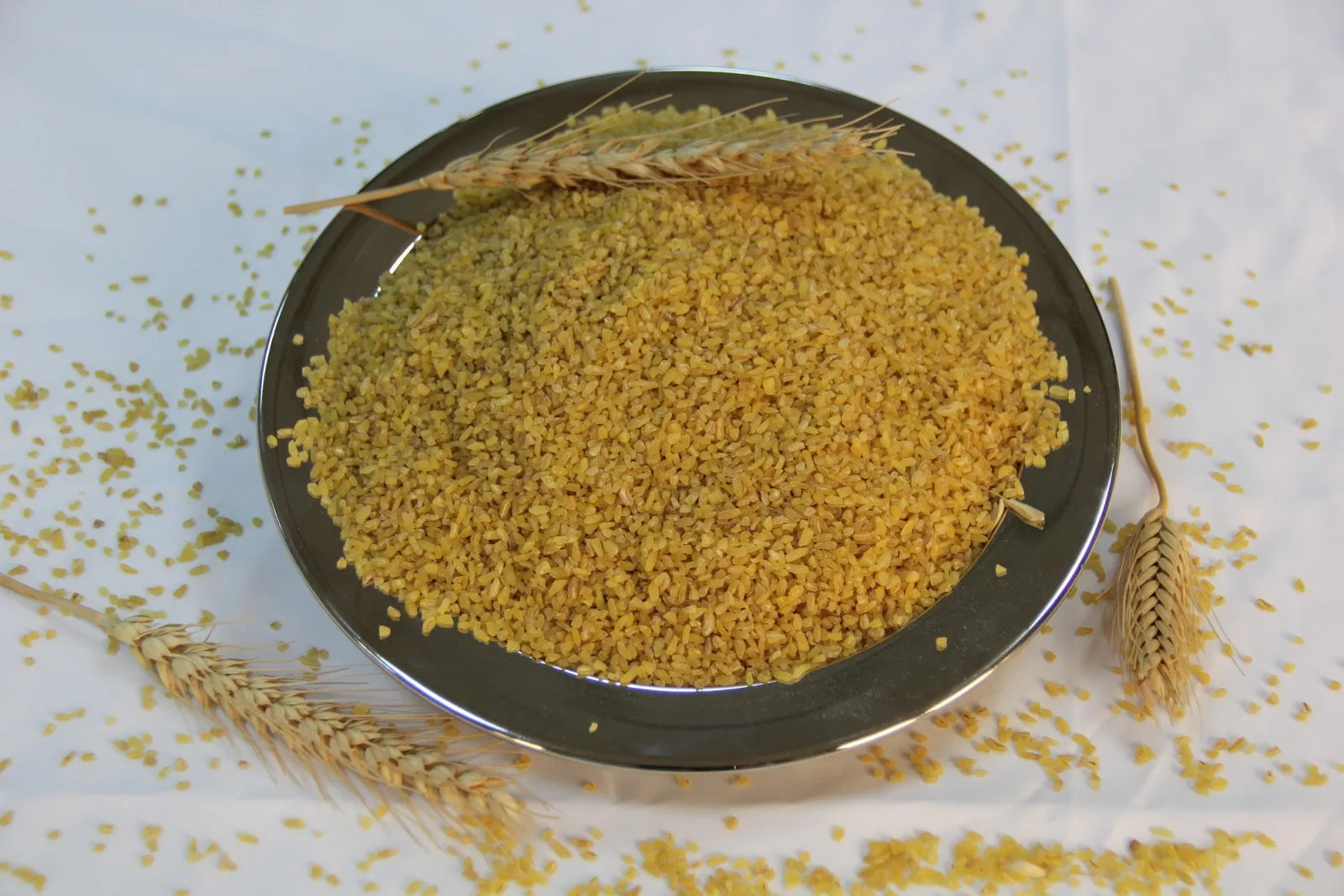
Antep Bulgur (Antep Bulguru) is Gaziantep's registered cracked wheat, made from durum (hard) wheat that is boiled, dried and then cracked. With its bright or matte yellow colour, angular grain and high protein content, it is the invisible yet indispensable carrier of the city's cuisine. From the finely cracked shell of içli köfte to the firm grain of kısır, and from pilaf to stuffing mixtures, many dishes of the Antep table are built on this grain.
Antep Bulgur is registered by TÜRKPATENT as a Geographical Indication (No 289); in the official record it appears under the name "Antep Bulguru / Gaziantep Bulguru." This registration shows that bulgur is not merely a grain but a product with a defined identity, tied to a specific wheat, a specific processing method, and the geography of Gaziantep. Below we look at what this grain is, how it is made, which dishes use it, and why it differs from firik, with which it is often confused.
What Is Antep Bulgur?
Bulgur, at its simplest, is wheat that is boiled, dried and then cracked. Antep Bulgur is this process carried out with the region's hard durum wheat in a traditional sequence: the wheat is cleaned, washed, boiled (cooked), dried, tempered, polished, classified by grain size, and packaged. Cracking the boiled grain after it has dried makes bulgur a more durable, more nourishing and easier-to-cook grain product than raw wheat flour. Antep Bulgur is recognised by its angular grain, smooth surface, and bright or matte yellow colour.
Defining Characteristics
- From Durum (Hard) Wheat: Antep Bulgur is produced from the hard durum wheat grown in the arid climate of Southeastern Anatolia. This wheat has a high protein content (around 12–16% on a dry basis) and a marked yellow pigment; the firm texture and golden colour of the bulgur come from this raw material.
- The Boil–Dry–Crack Method: Boiling and cooking the grain first, then drying and cracking it, is the essence of bulgur. In Gaziantep, this boiled and cooked wheat is called "hedik"; the same word lives on in the name of diş hediği, the dish cooked for a baby's first tooth. This method yields a product that retains most of the wheat's nutritional value, can be stored for a long time, and cooks quickly.
- Different Grinds: Antep Bulgur is classified by grain size. Fine (köftelik) bulgur is used for kneaded dishes such as içli köfte and çiğ köfte-style meatballs; coarse (pilavlık) bulgur is preferred for pilafs that cook grain by grain and for stuffing mixtures. The same grain becomes the base of different dishes depending on how finely it is ground.
Bulgur vs Firik
In Antep cuisine, bulgur and firik are often mentioned together, but they are different grains. Bulgur is made from fully ripe wheat that is boiled, dried and then cracked, and it is yellow. Firik, by contrast, is wheat harvested while still green, before it ripens, and fire-roasted (charred); this is why it has a greenish colour and a distinct smoky (roasted) aroma. In short, the difference lies in the harvest time and the processing method: bulgur is ripe and boiled, while firik is unripe (green) and roasted. Both are separately registered products of Gaziantep's grain culture.
History and Geographic Origins
Bulgur is one of the world's oldest processed grain products; boiling and drying the grain to make it storable is a very old method that turned wheat into a food usable throughout the year. Because Gaziantep and its surroundings lie in a fertile geography where hard durum wheat grows, bulgur here became not just a food but a cornerstone of the cuisine. The city's meatballs, pilafs, kısır and stuffed dishes all took shape around this grain.
From Wheat to Grain
The identity of Antep Bulgur depends on the wheat used and the processing method. The hard wheat grown in the region's arid climate, during the protein-forming stage when rainfall is scarce, contains high protein and high yellow pigment; this gives the bulgur its firm texture and golden colour. Under the registration, the production stages are carried out in Gaziantep, and this geographic link is the basis of the assurance the product's name carries. Thus "Antep Bulgur" is not merely a place name but an identity defining a particular quality and way of production.
Antep Bulgur is registered by the Turkish Patent and Trademark Office (TÜRKPATENT) as a Geographical Indication (mahreç işareti); its name in the official record is "Antep Bulguru / Gaziantep Bulguru," and its registration number is No 289. This type of geographical indication protects the qualities and production conditions of a product identified with a particular region.
Antep Bulgur in Gaziantep Cuisine
Antep Bulgur is the often-overlooked yet ever-present foundation of Gaziantep cuisine. From meatballs to pilaf, from kısır to stuffed dishes, this grain is the building block of many dishes. Which grind is chosen depends on the dish being made: fine köftelik bulgur can be kneaded and shaped like a dough, while coarse pilavlık bulgur cooks grain by grain and stays intact without turning mushy.
Which Dishes Use It?
Fine (köftelik) Antep Bulgur plays the leading role in the thin, elastic shell of içli köfte and in çiğ köfte-style kneaded meatballs; the firm, spiced grain of kısır is also made from this bulgur. Coarse (pilavlık) bulgur, on the other hand, is the base of bulgur pilaf and of many stuffing mixtures; in the filling of mumbar dolması, for instance, bulgur provides the texture that holds the meat and spices together. The same grain, depending on whether it is ground fine or coarse, enters very different dishes of the Antep table.
Why It Matters
Antep Bulgur is the quiet backbone of the city's gastronomy: it is rarely named in a dish, yet it is always there in texture, flavour and nourishment. Its firm grain gives a dish body, its yellow colour brings warmth to the plate, and its high protein content makes it a filling base. What is tasted in a plate of içli köfte, a bowl of kısır or a grain-by-grain bulgur pilaf is, in fact, this registered grain that carries Gaziantep's wheat and the deep-rooted tradition that processes it.
Frequently Asked Questions
What is Antep Bulgur?
It is Gaziantep's registered cracked wheat, made from durum (hard) wheat that is boiled, dried and then cracked; it is recognised by its bright or matte yellow colour, angular grain and high protein content.
Does Antep Bulgur have a geographical indication?
Yes. It is registered by TÜRKPATENT as a Geographical Indication (No 289) and appears in the official record under the name "Antep Bulguru / Gaziantep Bulguru."
What is the difference between fine and coarse bulgur?
Fine bulgur is finely ground and used for kneaded dishes such as içli köfte and çiğ köfte-style meatballs. Coarse bulgur is more coarsely ground and preferred for grain-by-grain pilafs and stuffing mixtures.
Are bulgur and firik the same thing?
No. Bulgur is made from ripe wheat that is boiled, dried and cracked, and it is yellow. Firik is made from wheat harvested while green and fire-roasted; it is green in colour and has a smoky aroma.