The Gaziantep Zoology and Nature Museum is Türkiye's first zoology museum, set inside a zoo and telling the story of natural history through taxidermy specimens and fossil skeletons. Opened in 2017 within the Gaziantep Natural Life Park, the museum presents, across some 750 square metres, the reconstructed skeletons of extinct species alongside a great many taxidermied mammals, birds and marine creatures. Operated by the Gaziantep Metropolitan Municipality, the museum turns a trip to the zoo into a lesson in natural history.
The museum's distinguishing feature is that, rather than a single masterpiece, it lets visitors read both the diversity of species and the depth of geological time under one roof: skeletons reaching from a mammoth dating to the 1700s back to a whale ancestor some 33 million years old are displayed side by side with taxidermied examples of dozens of species still living today. This article covers the museum's founding and exhibition logic, the skeleton and taxidermy collections worth seeing, its educational role and a discovery guide for visitors. To consider it alongside the city's other specialist museums, the Museums of Gaziantep page is a good starting point.
Founding and Exhibition Logic
The museum opened in 2017 inside the Gaziantep Natural Life Park, one of the largest zoos in Türkiye by area. Being the first zoology and nature museum established within a zoo in Türkiye makes it not merely a display space but a natural history centre that completes the park's living collection. Hundreds of specimens are exhibited across roughly 750 square metres of indoor space.
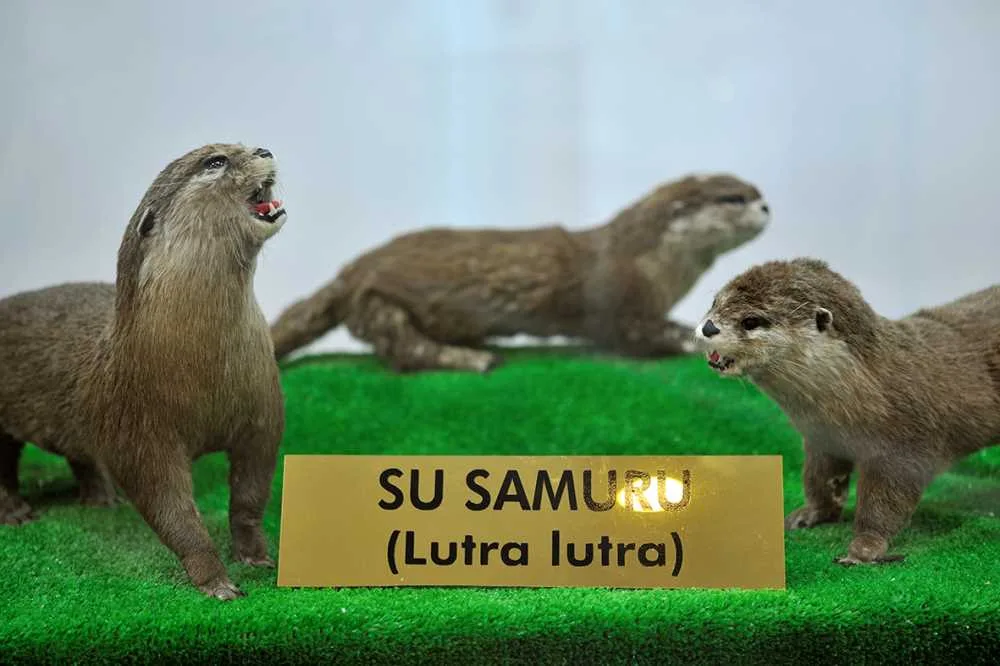
At the heart of the exhibition lies the art of taxidermy. The animals in the museum are prepared from individuals that completed their natural lifespan in the wild or in the zoo, without any living creature being harmed; specialists position each specimen so as to reflect the species' behaviour and posture in nature. Mammals, birds and marine creatures are often presented within décor that recalls their natural surroundings, with mountain, forest, steppe and aquatic-life scenes recreated. In this way the visitor sees the animals not merely behind a display case but in connection with the environments in which they lived.
The second layer of the museum is deep time: alongside today's species, a natural-history narrative reaching back millions of years is built with reconstructed skeletons. This arrangement turns the museum, especially for children and students, into a place where the knowledge in a textbook takes concrete form.
Collections You Must See
The Skeletons of Extinct Species
The museum's most striking section is the area where reconstructed skeletons from different ages of natural history are displayed. Here, a mammoth (Mammuthus) skeleton roughly 4.5 metres long brings the visitor face to face with the giant mammals of the ice age. Examples from far older ages make the depth of time tangible: Dorudon, regarded as an ancestor of whales and dating back about 33 million years; Dimetrodon, counted among the precursors of the dinosaurs and reaching back millions of years; Machairodus, a sabre-toothed cat; and a Tyrannosaurus (T-Rex) skull are the standout pieces of this collection. The skeletons of species closer to our own time, such as a rhinoceros and a gorilla, complete this deep-time line.
These skeletons present visitors with the evolution of species and the living diversity of the earth's past on a tangible scale; seeing the true size of a mammoth alongside other specimens turns natural history from a narrative into a physical experience.
Taxidermied Mammals, Birds and Marine Creatures
The main body of the museum is made up of taxidermied examples of species living today. Hundreds of animals are displayed in the collection: a rich bird collection reaching from songbirds to raptors and web-footed water birds is presented within recreated natural nests. The mammals section holds mountain, forest and steppe species, while the aquatic-life section contains marine creatures preserved by drying. Reptiles and fish are also exhibited as specimens kept in preservative fluid.
This diversity gives visitors the chance to examine far-flung ecosystems side by side in a single visit; in the same hall it is possible to see the wingspan of a bird of prey, the structure of a marine creature, and the posture of a steppe mammal all at once.
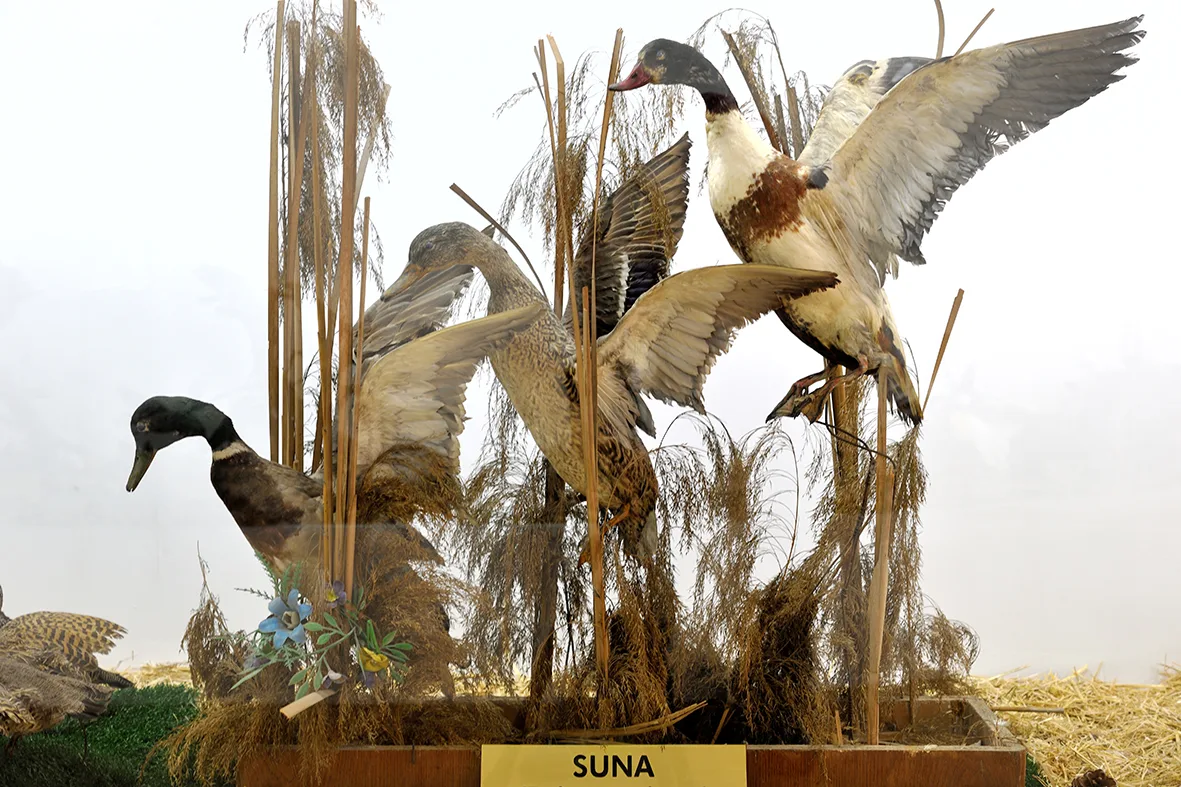
Taxidermy is the practice of treating the skin of a dead animal by special methods and reshaping it so as to reflect the species' living posture in nature. The specimens in the museum are prepared from animals that completed their natural lifespan in the wild or in the zoo; the aim is to introduce the species to future generations without harm and to give nature education a lasting tool.
A Place for Nature Education
Beyond being a mere display space, the museum is designed as an educational venue. Seminars, documentaries and educational films on wildlife, natural habitats and endangered species accompany the programme. Especially during visits by school groups, the museum becomes a classroom that conveys awareness of biodiversity and nature conservation through concrete examples. Considered together with the living animal collection of the Natural Life Park, the visitor experiences both the living species and the past ages of natural history in the same place.
A Visitor's Discovery Guide
- Plan it with the park: The museum lies inside the Gaziantep Natural Life Park; combining the park, where you see live animals, with the museum that tells the natural history of those species in a single visit completes the experience.
- Look at deep time first: Beginning with the skeleton section and seeing examples such as the mammoth, Dorudon and Dimetrodon builds a timeline; this then makes the evolutionary context clearer as you examine today's species.
- Read the habitat décor: The taxidermy specimens are presented within scenes that recall their natural surroundings; following which ecosystem each animal lived in through the décor turns the collection into a kind of map of species.
- Ideal for visiting with children: Because the museum shows textbook species on a tangible scale, it is an instructive stop for families and school groups; the mammoth skeleton in particular makes children's first encounter with natural history memorable.
Summary and Cultural Value
The Gaziantep Zoology and Nature Museum is the first of its kind in Türkiye, turning a zoo into a comprehensive centre of science and education that also tells the story of natural history. With a collection reaching from a mammoth to a whale ancestor, and from songbirds to steppe mammals, it lets visitors read both the depth of geological time and the biodiversity of today in a single visit. That the taxidermy specimens are prepared from animals that completed their natural lifespan, without harm to any living creature, also reflects the museum's approach of placing conservation awareness at its centre. For families and nature lovers visiting the city, the museum is the most direct way among Gaziantep's museums to experience natural history in a tangible and striking form. To discover the city's natural heritage on site, the Nature page is the natural continuation of this narrative.
Frequently Asked Questions
Where is the Gaziantep Zoology and Nature Museum, and when did it open?
The museum lies inside the Gaziantep Natural Life Park and opened to visitors in 2017. It is operated by the Gaziantep Metropolitan Municipality.
Why is the museum important?
It holds a special place as Türkiye's first zoology and nature museum, established within a zoo and telling the story of natural history through taxidermy specimens and fossil skeletons.
Which skeletons are displayed in the museum?
Standouts include a mammoth (Mammuthus) skeleton about 4.5 metres long, the whale ancestor Dorudon dating back 33 million years, Dimetrodon, the sabre-toothed cat Machairodus, a Tyrannosaurus skull, and the reconstructed skeletons of species such as a rhinoceros and a gorilla.
How are the animals in the museum prepared?
The animals are prepared by taxidermy from individuals that completed their natural lifespan in the wild or in the zoo, without any living creature being harmed, and are displayed so as to reflect the species' posture in nature.
What else is there to see in the museum?
Besides the skeletons, there is a wide bird collection reaching from songbirds to raptors and water birds, mountain-forest-steppe mammals, marine creatures preserved by drying, and reptile and fish specimens kept in preservative fluid.