 Vegetarian
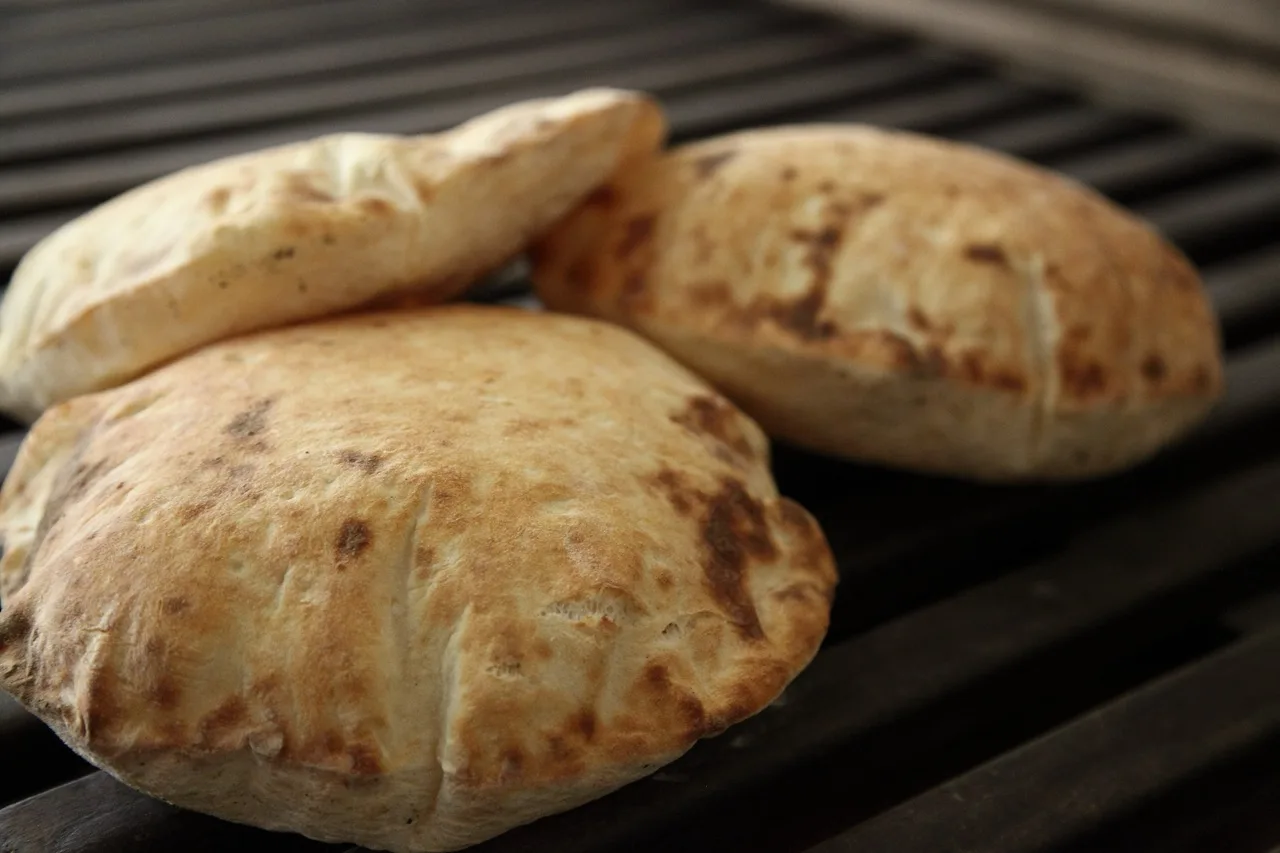
Antep kübban bread (kübban ekmeği) is a traditional Gaziantep bread shaped against the inner surface of stone-floored, wood-fired ovens. It is browned on top, rough underneath where it meets the stone base, and soft and white inside. Baking quickly at high heat, its middle swells like a dome and then flattens; this rising-and-hollowing structure makes it suitable both as a table bread and as a wrap. Made only of flour, water, salt and yeast, it is a plain, simple bread.
The identity of kübban bread springs from the simplicity of its ingredients and the mastery of its baking method: bread flour or wholewheat flour, water, salt, yeast, and the high heat of a stone-floored wood oven. This plainness, joined with Gaziantep's centuries-old stone-oven tradition, turns it into an indispensable part of the everyday table. Antep kübban bread was registered as a geographical indication by TÜRKPATENT in 2022.
What Is Kübban Bread and What Is in It?
Kübban bread is a traditional bread made by baking a dough of bread or wholewheat flour, water, salt and yeast against the inner surface of a stone-floored wood oven at high heat. Because the dough is in direct contact with the oven's stone base, its underside is rough and stone-marked, while its top browns under the heat. During baking the middle of the bread swells like a dome and then flattens; the interior stays soft and white. Its plain content makes it a bread free of meat and dairy, suited to every table.
Core Components
- Flour: The body of kübban bread is built from bread or wholewheat flour. The flour gives the bread its soft, white interior; when wholewheat is used, a denser, fuller flavour emerges.
- Water, Salt and Yeast: The dough is kneaded only with water, salt and yeast. This plain mixture leaves the taste to the flour and the baking method; it contains no additives, oil or animal ingredient.
- Stone-Floored Wood Oven: What makes kübban bread unique is the place it is baked as much as its ingredients. The dough is shaped against the inner surface of a stone-floored wood oven; the bread's rough underside, browned top and domed form all come from the oven's high heat.
- Plain and Natural Content: It contains no meat, dairy or animal fat.
The History and Cultural Origins of Kübban Bread
Kübban bread is a product of Gaziantep's centuries-old stone-oven tradition. The city's bread culture is built on wood ovens that bring the dough into direct contact with the stone; kübban bread is one of the clearest examples of this tradition. Carried from generation to generation as a staple of the everyday table, it has over time taken its place among the recognised breads of Gaziantep cuisine.
The Stone-Oven Tradition
What makes kübban bread particular to Gaziantep is that it is baked in a stone-floored wood oven. The dough is laid onto the oven's stone base, heated red-hot; there it bakes quickly, its middle swelling like a dome before flattening. The bread's rough underside and browned top are the direct imprint of this stone base and high heat. The name "kübban" is associated with the way the bread rises like a dome (kubbe) as it bakes; the precise origin of the name, however, remains unclear within the tradition.
Antep Kübban Bread (Antep Kübban Ekmeği) was entered into the TÜRKPATENT geographical indications register in 2022 as a Geographical Indication (Mahreç İşareti) with No 1042. The registration guarantees the bread's plain content (flour, water, salt, yeast), its baking at high heat in a stone-floored wood oven, and that production remains tied to Gaziantep.
Kübban bread is the second product registered with a geographical indication in the bread category in Gaziantep. The first registered product in this category is Antep tırnaklı pide. This shows the place stone-oven breads hold within Gaziantep's registered culinary heritage.
The Kübban Bread Tradition and Ritual in Gaziantep
In Gaziantep, kübban bread is one of the staple breads of the everyday table; it is served hot and eaten especially with meat dishes. The bread, fresh from the stone oven with its browned top and soft interior, is at its most delicious when it reaches the table without losing its warmth and texture.
With Kebab and as a Wrap
At the Gaziantep table, kübban bread is eaten especially with kebab varieties; the hot bread takes in the fat and flavour of the kebab. Because its middle swells like a dome and hollows out as it bakes, it can also be eaten as a wrap, with meat or kebab placed inside. This quality makes kübban bread both a table bread served alongside and, in itself, a carrier.
Why You Should Try It
Kübban bread reflects Gaziantep's stone-oven tradition in its plainest form. Its content of only flour, water, salt and yeast, and its dome-swelling structure, make it suitable both as a table bread and as a wrap. With its browned top crust, stone-marked underside and soft white interior, eaten hot and alongside a kebab, it is one of the plainest yet most deep-rooted tastes of Gaziantep's bread culture. The truest way to taste it is in the city where it was born, fresh from the stone oven.
Frequently Asked Questions
What is kübban bread and where is it from?
It is a traditional Gaziantep bread shaped against the inner surface of stone-floored wood ovens — browned on top and white inside.
What is in kübban bread?
Bread or wholewheat flour, water, salt and yeast. It contains no additives, oil or animal ingredient.
Does kübban bread have a geographical indication?
Yes. Antep Kübban Bread was registered as a Geographical Indication (Mahreç İşareti) with No 1042 by TÜRKPATENT in 2022.
How is kübban bread eaten?
It is served hot and eaten especially with kebab varieties. Because its middle swells like a dome and hollows out, it can also be eaten as a wrap.