The Gaziantep Digital Museum (Gaziantep Dijital Müze, GDM) brings Gaziantep's millennia of history to life through image and sound. It is located in Gaziantep Millet Bahçesi (Kamil Ocak Millet Bahçesi), a public park in the city centre, and opened on 14 July 2026 under the name Digital Art Museum (Dijital Sanat Müzesi). Its signage and current official announcements use the name Gaziantep Dijital Müze, or GDM for short; both names refer to the same museum. The museum was established by the Gaziantep Metropolitan Municipality, and its main feature is a 250-square-metre digital display space. Projections cover the walls and floor, accompanied by 3D sound, while the city's history unfolds in chronological order.
Many of Gaziantep's museums are housed in historic mansions, caravanserais and bathhouses, where visitors move from room to room and examine objects individually. At the Digital Museum, the city's story unfolds from beginning to end within a single display space. It is a useful first stop for visitors who are new to Gaziantep. Those who have already explored the city's museums can use it to place what they have seen within a broader chronological narrative.
What Is the Gaziantep Digital Museum?
The Gaziantep Digital Museum uses visual and audio content to present the city's history in a purpose-built digital display space. At its opening, it was introduced as a venue for both new examples of digital art and a chronological account of Gaziantep's past. Alongside its main historical presentation, the museum also hosts thematic and artistic shows that change periodically.
How Does Gaziantep's History Become a Digital Narrative?
Exploring Gaziantep's history at its archaeological sites, castles and museums can take several days. The Digital Museum brings that history together in a single chronological presentation, helping visitors understand how one period leads into the next.
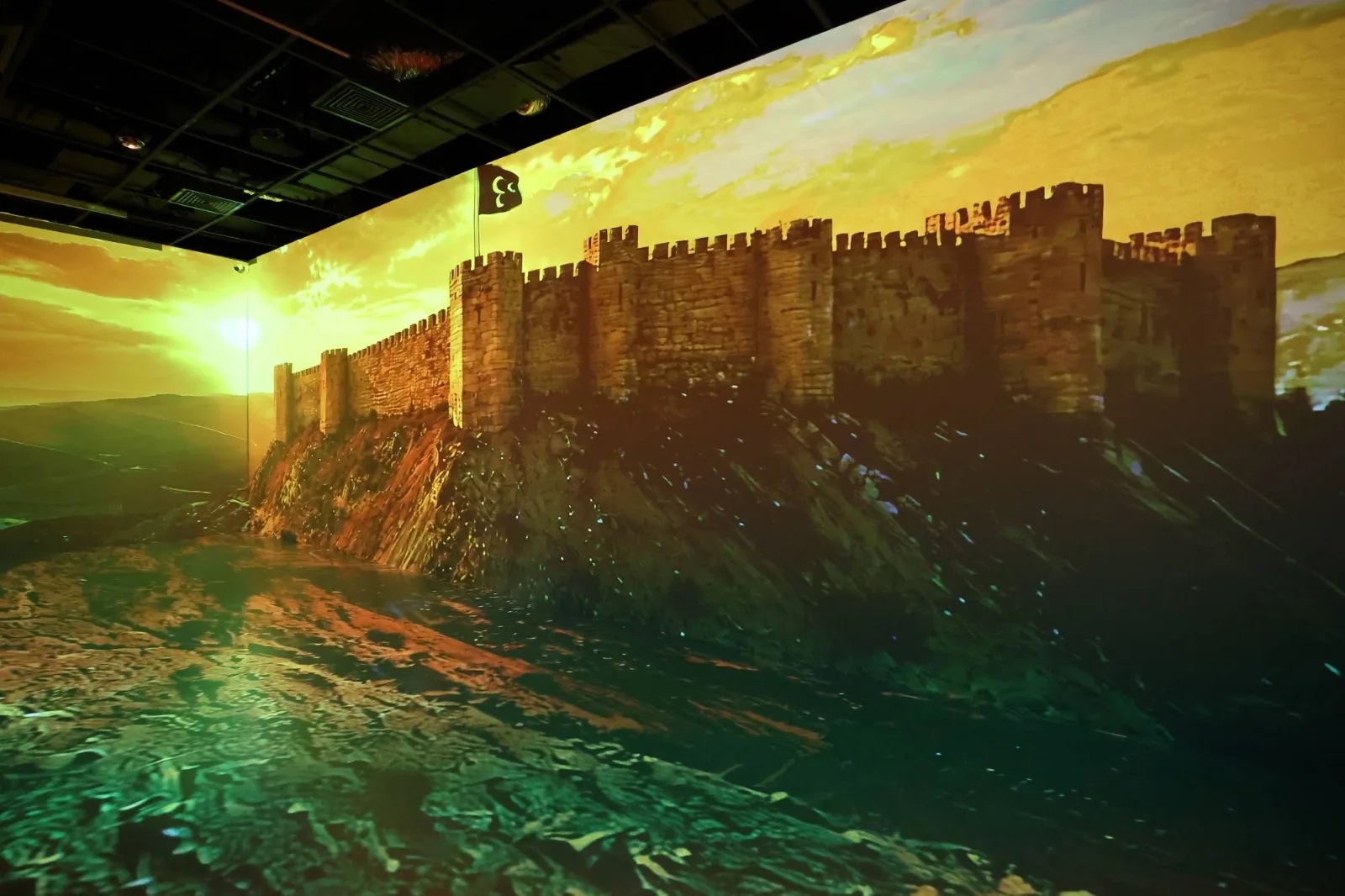
Image and sound work together to carry the narrative. Because the projection extends onto the floor, visitors stand within the image and may feel part of the story. Designed as an educational experience for all ages, the museum is particularly popular with young people and children.
What the Programme Shows and How It Is Curated
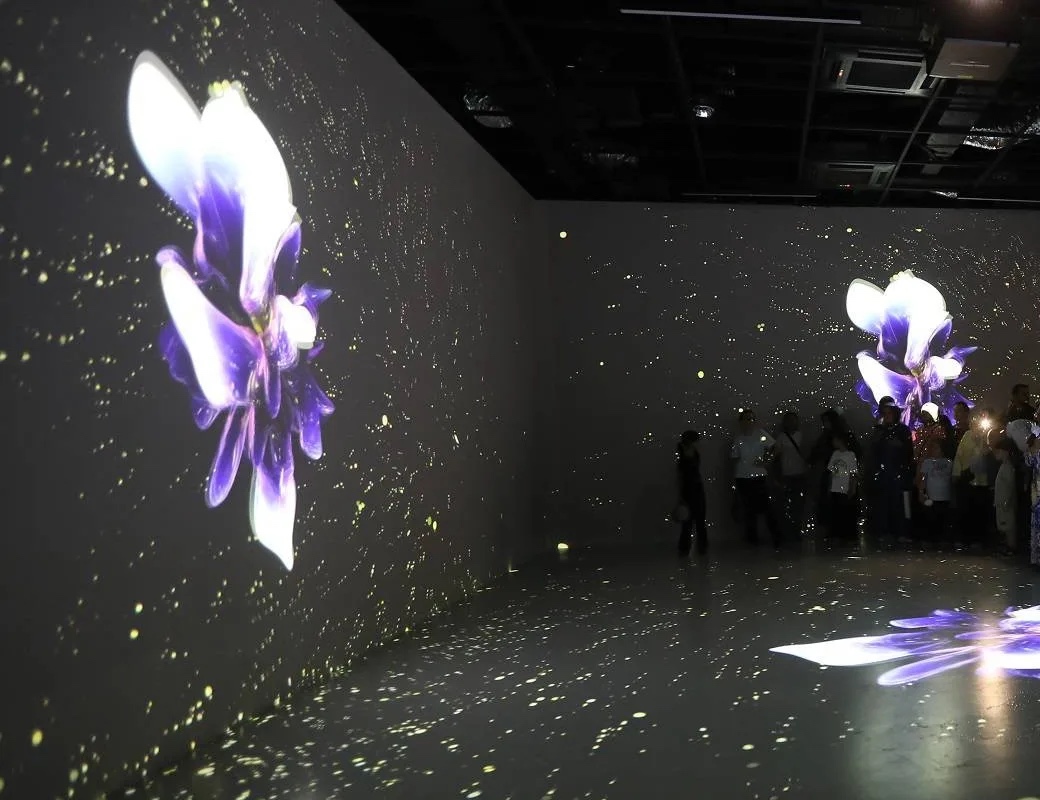
Alongside the show that tells the city's history in chronological order, the programme includes thematic and artistic shows that change periodically. The thematic films cover Gaziantep's cultural heritage, the spirit of the National Struggle, the city's gastronomy and traditional way of life, and stories from its different periods.
As the programme changes, the same space may focus on Gaziantep's cuisine during one visit and the years of the National Struggle during another. Returning visitors may therefore encounter a different film.
How Does the 250-Square-Metre Display Space Work?
Eight 4K projectors produce the image. They run in sync, and their separate projections merge into a single panorama with a resolution of roughly 32K.
The projections spread across the walls and the floor to form a panoramic image. Because the floor is part of the image too, visitors can feel as if they are inside the show. A 3D surround sound system accompanies the content.
Themes from the National Struggle to Gastronomy
In Gaziantep, the phrase ‘National Struggle’ first brings to mind the 1920–1921 Defence of Antep. The Panorama 25 December Museum tells this period through a 120-metre panoramic painting. When a National Struggle-themed film is part of the programme, visitors who see both museums on the same day can compare a panoramic painting with a digital projection-based account of the same period.
Gaziantep has been part of the UNESCO Creative Cities Network as a City of Gastronomy since 2015, making cuisine a natural subject for the museum's films. Other thematic films explore traditional life and stories from different periods in the city's history.
Anyone who wants to explore Gaziantep's cuisine through its utensils and tools can visit the Emine Göğüş Culinary Museum. The Gaziantep Museum of Cultural History, which presents the city's daily life, dialect and crafts through objects, is a good next stop for anyone following the theme of traditional life.
Before You Visit
- Location: The museum is inside Gaziantep Millet Bahçesi in the city centre. The park was built on the former site of Kamil Ocak Stadium, and it is easy to continue the visit with a walk after leaving the museum.
- Show length: About 17 minutes. Because the programme changes periodically, the length may vary with the content, and returning visitors may find a new film.
- Hours and admission: Screening times and admission terms may change. Before visiting, it is best to check the latest announcements from the Gaziantep Metropolitan Municipality.
- For families: Families with children can start here with a short, visual introduction to the city's history.
Cultural Significance
The Digital Museum brings Gaziantep's different periods together in a single chronological narrative. This overall framework helps visitors place the objects they encounter in the city's other museums and archaeological sites in their historical context.
Frequently Asked Questions
Where is the Gaziantep Digital Museum?
It is inside Gaziantep Millet Bahçesi (Kamil Ocak Millet Bahçesi) in the city centre.
Are the Digital Art Museum and the Gaziantep Digital Museum the same place?
Yes. The museum opened on 14 July 2026 under the name Digital Art Museum (Dijital Sanat Müzesi). Its signage and current official announcements use the name Gaziantep Dijital Müze, or GDM for short.
How long is the show?
About 17 minutes. Because the programme changes periodically, the length may vary with the content.
What topics does the show cover?
The museum presents Gaziantep's history in a chronological narrative. Thematic films, which change periodically, cover cultural heritage, the spirit of the National Struggle, gastronomy, traditional life and stories from different periods of the city.
What technology is used in the display space?
In the 250-square-metre space, eight synchronised 4K projectors create a panoramic image of roughly 32K resolution. Sound comes through a 3D surround system.
Is the museum suitable for children?
Yes. The show appeals to visitors of all ages, and the museum draws particular interest from young people and children.