The Gaziantep Museum of Cultural History is a university museum set on the Gaziantep University campus, presenting the city's culture through a narrative rather than a collection of masterpieces. Its aim is to introduce the culture of the city to the young people studying there and to make it their own, while also showing the visitor Gaziantep's cultural phases — from daily life to handicrafts — within a single curation. Rather than a single famous object, it offers a complete portrait of the city's culture woven from its dialect, its games, its crafts and its everyday life.
The museum holds a distinctive place among the city's specialist museums: rather than a single period such as archaeology or mosaics, it focuses directly on cultural history. This article covers the museum's founding story and location, its exhibition logic, its standout sections and a discovery guide for visitors. To see the city's museum map as a whole, the Museums of Gaziantep page is a good starting point.
Founding and Location
The founding of the museum rests on Gaziantep University's resolve to gather the city's cultural memory in one place. The decision to establish it was taken by the university board of management in 2004, the necessary permission was obtained from the Ministry of Culture and Tourism in 2005, and after the preparatory work the museum opened to visitors on 25 December 2009. The museum is located on the ground floor of the university's Library and Documentation Department building, within the campus in the Şehitkamil district.
Its location also defines the museum's identity: it sits not in a city square or a historic inn, but directly within a university campus. In this respect the museum is designed as a cultural stop for both students and visitors from outside; it functions as a memory space that teaches the city's past, keeps it alive and passes it on to coming generations.
Exhibition Logic
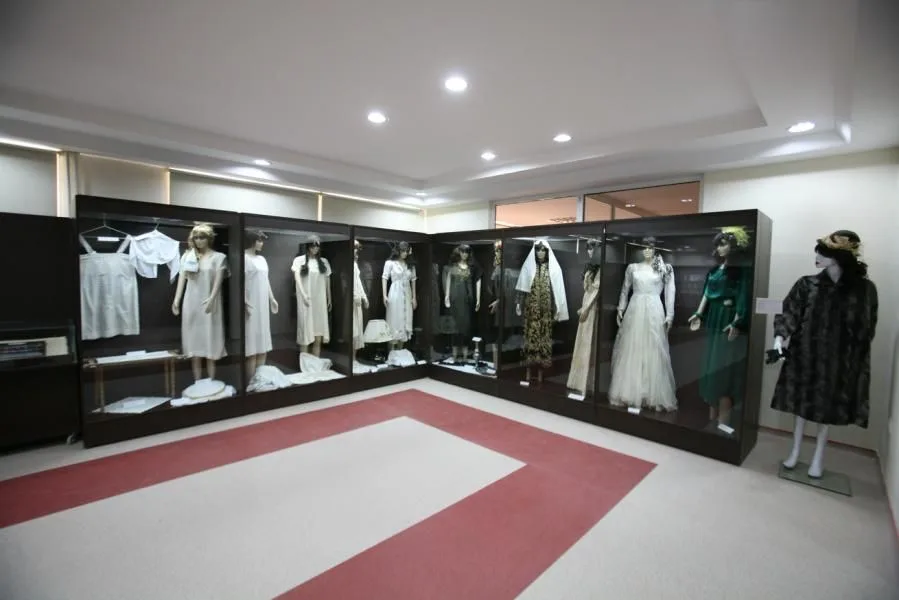
The museum's exhibition logic is thematic: the visitor tours the city's culture not period by period but theme by theme. Beginning with the notable figures the city has raised, the flow continues with sections such as the Antep dialect and its linguistic features, the important events that marked the city's life, family life, daily life and special occasions, children's games and toys, entertainment life, photography and Karagöz shadow play. Each section presents one layer of the city's culture in its own display.
The exhibition presents tangible cultural artefacts together with scenes of daily life; it aims to make visible not individual objects but the tradition in which those objects lived. The museum also holds a fossil collection and a laboratory/workshop area set aside for archaeology training; in this way the museum treats the city's cultural history alongside both human-made objects and the region's natural past.
Sections You Must See
The Antep Dialect and the City's Life
One of the museum's distinctive sections is devoted to Gaziantep's own dialect and linguistic features. The words, sayings and modes of speech of the local dialect are displayed as a tangible part of the city's cultural identity. In neighbouring sections, the important events that marked the city's life, the notable figures it has raised and the flow of daily life are addressed. These themes introduce the visitor to Gaziantep not only through its objects but through its own language and its people.
Handicrafts and Craft Culture
One of the museum's richest sections is devoted to the city's traditional crafts. Examples of handicrafts such as Antep needlework, mother-of-pearl inlay, filigree (telkâri) and silver working, coppersmithing, kilim weaving and woodwork make the city's production culture visible complements the Hasan Süzer Marriage and Life Culture Museum, which shows the place of the same crafts in the dowry and home life.
Children's Games, Entertainment and Karagöz
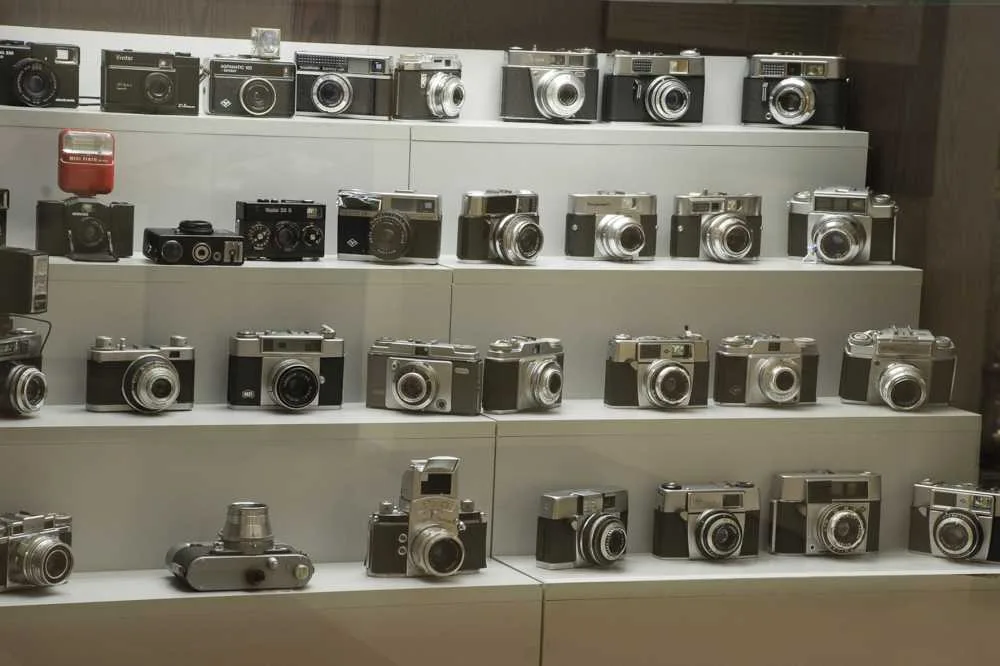
The museum tells the city's culture not only through production and language but also through games and entertainment. Children's games and toys, traditional entertainment life, photography and Karagöz shadow play — one of the masters of the shadow theatre — are addressed in separate sections. These themes are a reminder that the city's everyday joy and social memory are also a cultural heritage. Culinary culture is part of this narrative too; to explore the city's table in detail, the Gastronomy Atlas is a complementary resource.
Because the Gaziantep Museum of Cultural History brings together the city's culture through its dialect, its crafts, its games and its everyday life, it is a valuable stop for the visitor who wants to know Gaziantep not only through its monuments and ancient artefacts but through its living culture. Thanks to its location on a university campus, it also stands out as a memory space that teaches culture and passes it on to younger generations.
A Visitor's Discovery Guide
- Follow the thematic flow: The museum is arranged theme by theme rather than period by period; following the thematic order — moving from notable figures to dialect, handicrafts and games — is the best way to read the city's cultural layers as a whole.
- Make time for the handicrafts: Studying craft examples such as Antep needlework, mother-of-pearl inlay, filigree and coppersmithing helps you know what to look for as you tour the city's bazaar culture.
- Don't overlook local life: Sections such as the Antep dialect, children's games and Karagöz are the themes that convey the city's living culture most directly; put them at the centre of your visit.
- Connect it to the other museums: By considering the craft and culture themes you see here alongside the city's specialist museums such as the Archaeology Museum, you can map out a cultural route.
Summary and Cultural Value
The Gaziantep Museum of Cultural History is a memory space that gathers, teaches and passes on the city's culture within a university campus. With its thematic curation reaching from the Antep dialect to handicrafts, from children's games to Karagöz and culinary culture, it brings Gaziantep together in a single cultural narrative. For a university to record and exhibit the culture of its own city is a valuable example of the effort to preserve cultural memory. For descending into the city's ancient past, the Ancient Cities page is the natural continuation of this narrative.
Frequently Asked Questions
Where is the Gaziantep Museum of Cultural History?
The museum is located on the Gaziantep University campus in the Şehitkamil district, on the ground floor of the university's Library and Documentation Department building.
When did the museum open?
The decision to establish it was taken by the university board of management in 2004, permission was obtained from the Ministry of Culture and Tourism in 2005, and the museum opened to visitors on 25 December 2009.
What is exhibited in the museum?
The city's culture is told in thematic sections: notable figures, the Antep dialect, important events, family and daily life, children's games and toys, entertainment life, photography, Karagöz shadow play and handicrafts (Antep needlework, mother-of-pearl inlay, filigree, coppersmithing, kilim, woodwork). There is also a fossil collection and an archaeology workshop.
Why is it called a "cultural history" museum?
Because it focuses not on a single period or a single type of object but directly on the city's cultural phases, it is a museum of cultural history; it presents its language, its crafts, its games and its everyday life together.
Which institution does the museum belong to?
It is a university museum founded within Gaziantep University and operates inside the campus.