 Vegetarian
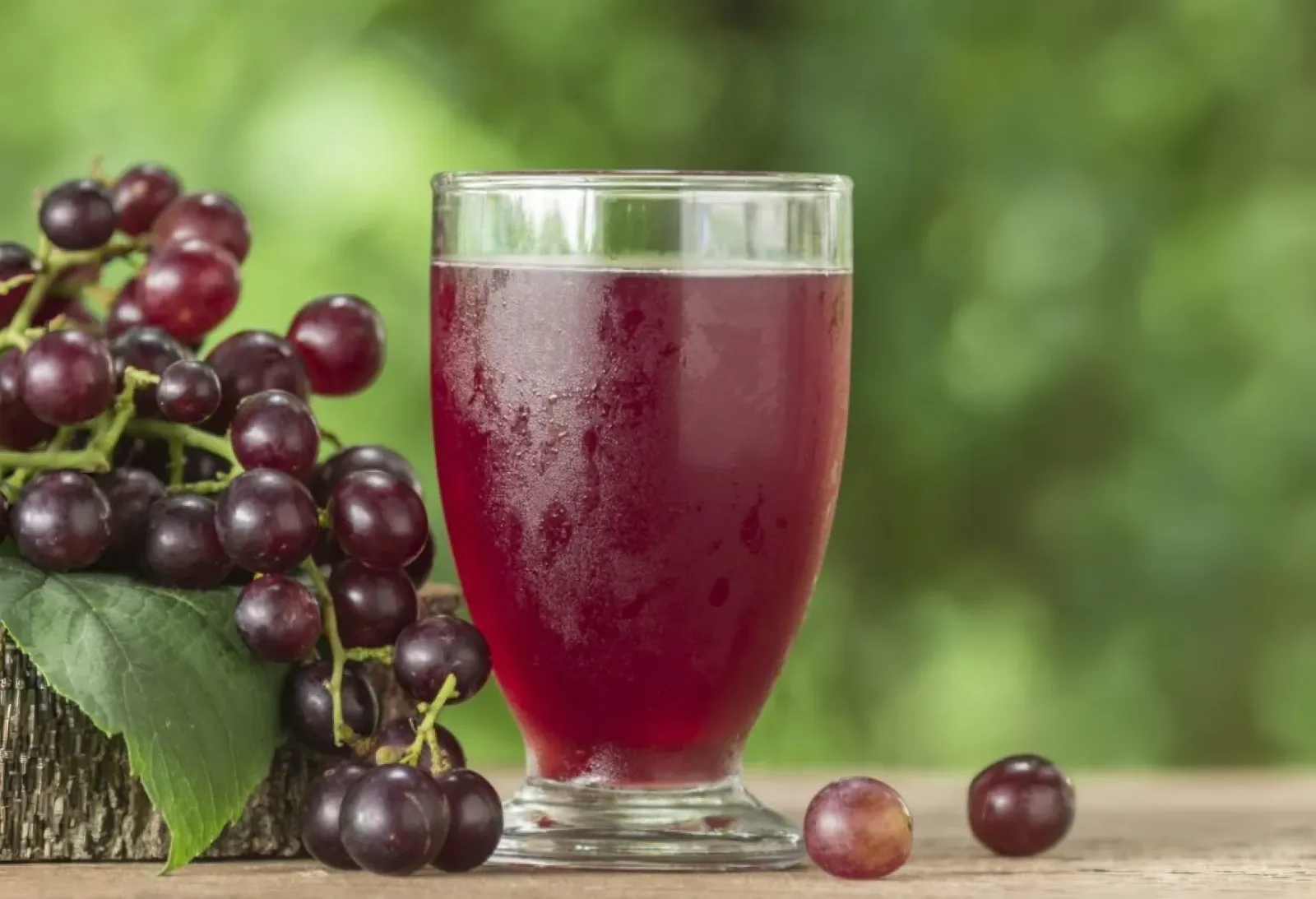
Grape must drink, known in Turkish as şıra, is the fresh, non-alcoholic grape must pressed from grapes during Gaziantep's grape harvest. At its simplest it is little more than grapes and water; this clear liquid, extracted by crushing and pressing the fruit and not yet boiled down, is the starting point of the city's chain of grape products. During the harvest days some of it is drunk fresh, while most is boiled down into pekmez (grape molasses) and other winter stores. In this sense grape must is a seasonal, living symbol of Antep's deep-rooted vineyard culture.
The identity of grape must springs from a plainness born of the grape's own sweetness: the crushed fruit, the clear strained liquid, and the scent of the grape harvest. Behind it lies Gaziantep's viticulture, reaching back thousands of years, and the custom of working the must at home in copper cauldrons. Though less visible than the city's registered grape products, grape must is a seasonal heritage of the Antep table — both a drink in its own right and the first liquid on which many winter delicacies are built.
What Is Şıra (Grape Must)?
Şıra is the fresh grape must obtained by washing, crushing and pressing ripe grapes — a liquid that has not yet fermented and has not yet been boiled down. It is the non-alcoholic drink of the grape-harvest season; a glass of grape must carries the grape's sweetness and the freshness of the season directly. In Gaziantep the must is often clarified: the cloudy pressed liquid is left to settle with a natural mineral earth known as "beyaz toprak" (white earth) or "pekmez toprağı," which sinks the sediment to the bottom so the liquid can be strained off clear. This yields both a clear drink and a clean base liquid for pekmez and other products.
Core Components
- Grapes: The essence of grape must is the ripe grape. Local varieties grown in Gaziantep's vineyards — such as Antep Karası, Dökülgen and Hatun Parmağı — give the must its colour, sweetness and character. Grapes high in sugar and aroma are preferred both for drinking and for the turn into pekmez.
- Water: The sweet liquid that comes out of the crushed grapes forms the body of the drink. Most of the time nothing further is needed; the drink is simply the grape's own juice.
- Clarifying (White Earth): In the traditional practice the cloudy must is left to settle with a natural mineral earth called "pekmez toprağı / beyaz toprak"; the earth balances the acidity and sinks the sediment, letting the liquid run clear. This is not an additive but a traditional clarifying method used to strain the liquid.
Şıra and the Grape Harvest
Grape must takes its calendar from the grape harvest (bağ bozumu). In Gaziantep the harvest is a period running from late summer into mid-autumn; in these weeks of gathering the vineyards, fresh grapes become abundant and the must season opens. The grape harvest is not merely a farming task but a part of the city's social life: families head out to the vineyards, the grapes are gathered, and processing begins at once. The first fresh must that is pressed is drunk as the herald of the season, while the rest is turned, over days of labour, into winter stores. One reason grape must is enjoyed fresh is this: raw, unprocessed grape juice can begin to ferment if left on its own over time, so the custom is to drink it fresh or to boil it down at once.
The History and Cultural Origins of Şıra
Grape must is a deep-rooted Anatolian grape-harvest drink, resting on Gaziantep's deep viticulture heritage. It has no single documented inventor and no fixed founding date; crushing grapes and drinking and working their juice has been a natural part of vineyard culture for centuries. Gaziantep has long been an important viticulture region; vineyard districts such as İslahiye and local grape varieties like Antep Karası, Dökülgen and Hatun Parmağı have carried this heritage to the present. Grape must is one of the foundational seasonal drinks that emerges from this rich grape culture — both consumed and turned into other products.
From Şıra to Pekmez
The real importance of grape must in Gaziantep cuisine goes beyond its being a drink on its own: the clarified must is the starting material for many of the city's grape products. The same fresh, clear must, when boiled down for hours in copper cauldrons, becomes pekmez (grape molasses). Winter delicacies such as pestil (fruit leather), grape sucuk and bulama are likewise made starting from this must. In this respect grape must is the first link in Antep's grape-product chain — the direct precursor of pekmez, pestil and many other winter sweets. The difference between a glass of fresh grape must and a thick bowl of pekmez is often only how long the same liquid has been boiled.
Grape must does not carry a geographical indication under Gaziantep's name; in the city it is kept alive as an unregistered but deep-rooted grape-harvest drink and the base liquid of its grape products. The only registered "şıra" in Türkiye is Bursa Üzüm Şırası (Bursa Grape Must), a different product belonging to the province of Bursa (TÜRKPATENT geographical indication No 838). That registration belongs to Bursa and cannot be claimed for Gaziantep's grape must; no invented Gaziantep registration is claimed for grape must on this page, and the drink is treated as one form of Antep's living vineyard culture.
The Şıra Tradition and Ritual in Gaziantep
In Gaziantep, grape must is from start to finish the drink of the grape harvest. In the weeks when the harvest opens, families begin to process at home the grapes they bring from the vineyard; the fruit is washed, crushed and pressed. After the resulting must has been left to settle with white earth and has run clear, some of it goes into a glass and most of it into the copper cauldron. These processing days are a seasonal ritual shared in the neighbourhood and at home and passed from generation to generation. Grape must is both the first fruit of this ritual and the starting point of the long boiling in the cauldron.
How It Is Drunk
Grape must is at its truest drunk fresh and cold. Once pressed and clarified, it is best enjoyed without being kept long, while the grape's sweetness is still fresh; in this respect it is a sweet, non-alcoholic and natural grape-harvest drink. A glass of cold grape must brings the coolness of the harvest season and the grape's direct taste to the table. Besides being drunk fresh, it is also common for the same must to be boiled down at once into pekmez, so that the taste of the season is carried into winter.
Why You Should Try It
A glass of fresh grape must carries Gaziantep's grape-harvest season straight to the palate: the pure sweetness of the grape, the softness of the clarified liquid and the freshness of the harvest days come together. Grape must is also part of the same culture — the natural, seasonal drinking custom — as the city's other traditional beverages such as pekmez, Urmu Mulberry Syrup and Licorice Sherbet. The truest way to taste it is in the grape-harvest season, freshly pressed and served cold.
Frequently Asked Questions
Is grape must (şıra) alcoholic?
No. In Gaziantep şıra is fresh, unfermented and non-alcoholic grape must pressed from grapes during the grape harvest; it is drunk while its sweetness is still fresh, in non-alcoholic form.
Does grape must have a Gaziantep geographical indication?
No. Grape must is an unregistered but deep-rooted grape-harvest drink in Gaziantep. The only registered "şıra" in Türkiye is Bursa Üzüm Şırası, a product of a different province; that registration does not apply to Gaziantep.
How is grape must related to pekmez?
Grape must is the starting material for pekmez. Clarified fresh must, boiled down for hours in copper cauldrons until thick, becomes pekmez (grape molasses); products such as pestil and sucuk are also made from the must.
When is grape must made?
Grape must is made during the grape-harvest season; it is pressed from fresh grapes during the harvest period running from late summer into mid-autumn and is enjoyed fresh.