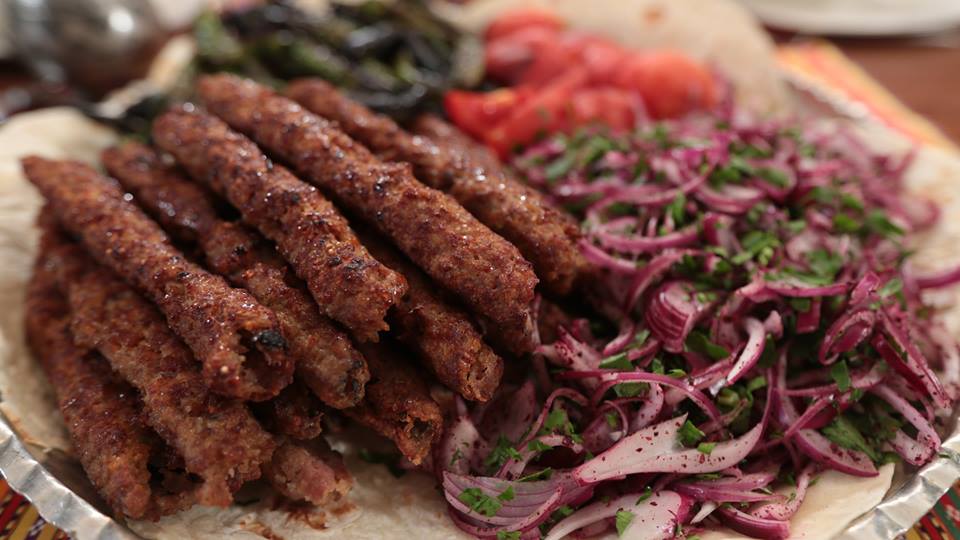
Simit Kebab is one of Gaziantep's deeply rooted bulgur kebabs, in which fine bulgur (locally called "simit") is kneaded with mince and moulded onto flat kebab skewers before cooking. It takes its name from the fine bulgur, called "simit" in the Antep dialect, that goes into it. The fullness of the bulgur and the flavour of the mince reflect Antep cuisine's mastery of setting a filling table with little meat. In 2021 it received a Geographical Indication (mahreç işareti) registration from TÜRKPATENT (No: 729), placing its regional identity under official protection.
The character of the dish springs from the harmony of two essentials: fine bulgur softened in water and well-balanced fatty mince. This pair creates a balanced bulgur kebab that stands out not through spice, but through texture.
This article explores the world of ingredients that shapes the identity of simit kebab, the meaning of its name, its origins in Gaziantep cuisine and its place at the table.
What Is Simit Kebab and What Is in It?
Simit Kebab is a bulgur kebab made not of meat alone, but of meat and bulgur kneaded together. The "simit" here has nothing to do with the sesame-crusted bread of Istanbul; in the Antep dialect it is the regional name for fine bulgur, that is, the bulgur used for köfte. The kneaded mixture is moulded onto flat kebab skewers and cooked; when drawn off the skewer, a hollow left by the skewer remains in the centre. The name of the dish, however, comes not from this shape but from the fine bulgur within it.
Core Components
- Fine Bulgur (Simit): The fine bulgur that forms the body of the dish is softened by soaking in warm water. Regional bulgur such as the geographically indicated Antep bulgur of Gaziantep and its surroundings, with its firm texture and aroma, gives this kebab its most suitable foundation. The bulgur both lends fullness to the mixture and makes it possible to obtain a filling plate from little meat.
- Mince: Well-balanced fatty lamb or mutton mince is kneaded together with the soaked bulgur. When the meat is hand-chopped with the zırh (curved rocker blade) technique also used in Gaziantep lahmacun, it gives the mixture a fuller texture.
- The Kneading Mix: Garlic, salt, black pepper and plenty of dried mint are added to the bulgur and mince; no onion is used in this kebab, and the dominant aroma comes from the garlic and dried mint. The mixture is kneaded long and thoroughly until it reaches a homogeneous, mouldable consistency; this kneading is the most critical stage that determines the texture of the kebab.
The prepared mixture is moulded onto flat kebab skewers and cooked over the grill or in the oven; the kebab drawn off the skewer keeps its characteristic hollow. The cooked kebab is most often served with a tart salad of raw onion, parsley and sumac; the sourness of the sumac balances the fullness of the bulgur kebab.
In the Gaziantep dialect, "simit" is the regional name for fine köftelik bulgur. So the name of simit kebab has to do not with sesame bread, but with the type of bulgur used. The moulding of the mixture onto a flat kebab skewer, and the hollow left in the centre when it is drawn off, give the dish its visual identity.
The History and Cultural Origins of Simit Kebab
The origins of simit kebab rest on Gaziantep's bulgur culture and on the tradition of multiplying meat by joining it with grain. Bulgur is the cornerstone of Southeastern Anatolian cuisine; being cheap, durable and nourishing, it has held its place at the centre of the table for centuries.
The Place of Bulgur in Antep Cuisine
In Antep cuisine bulgur is a far more widespread grain than rice; it is the foundation of dozens of dishes, from köfte to çiğ köfte, from stuffed vegetables to pilafs. Simit kebab is one of the plainest examples of this bulgur tradition meeting meat. Turning a small amount of meat into a filling plate by kneading it with plenty of bulgur is a typical demonstration of Antep cuisine's skill at creating abundance from scarce ingredients.
A Regional Köfte Tradition
Simit kebab is part of Antep's rich köfte and bulgur culture. It shares the same craft understanding as the city's other bulgur-shaped products: soaking the bulgur in the right proportion, kneading the mixture long and thoroughly, and moulding it onto the skewer in a balanced form. In this respect simit kebab is a dish that demands handwork and a mastery of texture rather than show.
The Official Registration Process
Simit kebab received a Geographical Indication (mahreç işareti) registration from TÜRKPATENT in 2021 in order to protect its region-specific ingredients and method of production. The registration number is 729, and the applying body is the Gaziantep Metropolitan Municipality. This registration protects the bulgur-to-mince ratio of the dish, its kneading method and the form of the kebab, within the framework of regional standards.
The Tradition and Ritual of Simit Kebab in Gaziantep
In Gaziantep, simit kebab is an everyday but labour-loving home and restaurant dish. Because kneading the mixture and moulding it onto the skewers one by one takes time, it is a shared plate prepared with patience.
The Filling Dish of the Family Table
Simit kebab is preferred in Antep homes especially at crowded family tables; thanks to the bulgur, a filling plate that serves many people with little meat is obtained. It appears often at the welcoming of guests and at meals eaten together.
Its Balance with a Tart Salad
A tart salad of raw onion, parsley and sumac is traditionally served alongside simit kebab. The sourness of the sumac balances the full and filling structure of the bulgur kebab; this is an example of Antep cuisine's tradition of letting sour flavours accompany a dish. A glass of ayran or a simple soup may also have their place beside it.
A Part of Köfte Culture
Simit kebab shares the table, within Antep's broad köfte and kebab repertoire, with other mince-based kebabs such as pistachio kebab. Yet what sets it apart is that bulgur enters as an equal partner alongside the meat; this makes it a lighter but more filling alternative.
Why You Should Try It
A single bite of simit kebab carries to the palate Antep cuisine's mastery of joining grain with meat: the gently chewy fullness of the bulgur, the deep taste of the mince and the sour freshness of the sumac salad come together. This is not a heavy feast of meat; it is a balanced, filling flavour drawn from the heart of everyday life. For anyone who wishes to know Gaziantep's bulgur culture and köfte craft on a simple plate, simit kebab is a starting point that must be tried.
Frequently Asked Questions
What is simit kebab and where does it belong?
It is a deeply rooted bulgur kebab native to Gaziantep, in which fine bulgur (locally called "simit") is kneaded with mince and moulded onto flat kebab skewers before cooking.
What does "simit" mean in simit kebab?
It is not sesame bread but the Antep dialect name for fine köftelik bulgur; the dish takes its name from this bulgur within it.
What is in simit kebab?
Fine bulgur, well-balanced lamb or mutton mince, garlic, salt, black pepper and plenty of dried mint are used; no onion goes into this kebab.
Does simit kebab have a geographical indication?
Yes. Simit kebab was registered as a Geographical Indication (mahreç işareti) by TÜRKPATENT in 2021 (Registration No: 729).
What is simit kebab served with?
It is traditionally served with a tart salad of raw onion, parsley and sumac; a glass of ayran or a simple soup may have their place beside it.