 Vegetarian
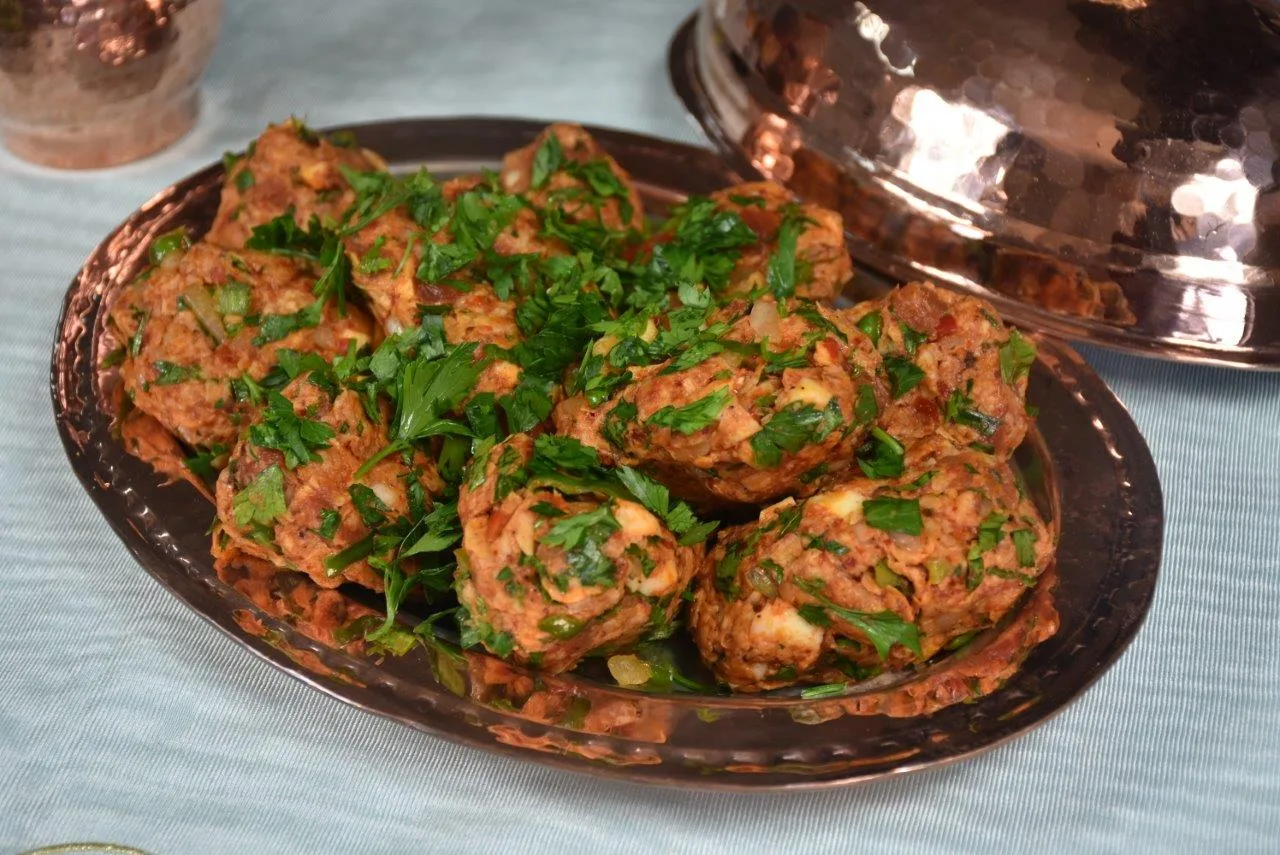
The omaç köftesi is a tradition particular to Gaziantep: a meatless bread köfte in which dry yufka bread or crumbled tırnaklı pide is kneaded with Antep cheese, tomato, onion, pepper and oil, then hand-shaped and served cold, without any cooking. Known locally also as "pisik köftesi," omaç is a light, practical dish made without standing over a stove, especially in the hot summer months. The crumbled bread meets cheese, tomato and spices and takes shape when pressed in the palm of the hand; with its raw-köfte-like look, omaç comes to the table alongside pickles and ayran.
The identity of omaç springs from the harmony of a few essentials: crumbled dry yufka or tırnaklı pide, plenty of Antep cheese, ripe tomato, onion, fresh pepper and local oil. Behind it lies a kitchen wisdom that dislikes waste and makes flavour from what is at hand; born from not throwing away dried, broken sheets of yufka but putting them to use, omaç in time turned into a dish sought after in its own right. Omaç was registered as a geographical indication under the name "Gaziantep Omacı / Antep Omacı / Pisik Köftesi" by TÜRKPATENT in 2022.
What Is the Omaç Köftesi and What Is in It?
The omaç köftesi is a meatless köfte in which dry yufka bread or crumbled tırnaklı pide comes together with plenty of Antep cheese, tomato, onion, pepper, paste and spices, never touching the stove, and is kneaded and pressed by hand into shape and served cold. Often called simply "bread köfte" in everyday speech, omaç finds its consistency as the crumbled bread softens by drawing in the juice of the vegetables and cheese; as with çiğ köfte, it is shaped in the palm of the hand and can also be eaten wrapped in a sheet of yufka or a lettuce leaf.
Core Components
- Dry Yufka / Tırnaklı Pide: The body of omaç is formed by dried, crumbled yufka bread or stale tırnaklı pide. The bread is crumbled finely by hand; this crumbled bread gives the köfte its texture and substance.
- Antep Cheese: The signature taste of omaç comes from the Antep cheese added generously to it. Added in its brined, fresh or pressed form, the cheese gives the köfte body and its characteristic flavour as it is kneaded with the bread.
- Tomato and Paste: Grated or finely chopped ripe tomato, together with tomato/pepper paste, provides both the juice that softens the bread and omaç's reddish colour and its slightly sour taste.
- Onion, Garlic and Pepper: Finely chopped dry or fresh onion, garlic to taste, and fresh green/red pepper give omaç sharpness and freshness. Red chilli flakes adjust the heat to the local palate.
- Greens: Fresh herbs such as parsley and mint give omaç a fresh note; depending on the locale, vine leaves may join the mixture or be used to wrap the köfte.
- Oil: Traditionally suet/clarified butter (sadeyağ), butter or olive oil is used; the oil holds the crumbled bread together and gives omaç its softness.
The Geography of the Serving
With its no-cooking nature, omaç is a "fireless" köfte; all the skill lies in bringing the ingredients together in the right proportions and in patiently kneading the bread until it finds its consistency with the vegetable juices. The mixture is pressed in the palm into small köftes and placed on the plate cold. At the traditional table, omaç is accompanied by pickles and ayran; the köftes are sometimes wrapped in lettuce or vine leaves and offered in a way that recalls the presentation of çiğ köfte.
The History and Cultural Origins of the Omaç Köftesi
The origin of omaç rests on the practical wisdom of Gaziantep cuisine, which dislikes waste and makes use of what is at hand. The idea of not throwing away dried, broken sheets of yufka but turning them back into flavour with cheese, tomato and spices gave birth to omaç as a "make-good dish." In time it became so loved that today crumbled dry yufka is sold in the market specifically for omaç; in other words, a dish that first arose out of necessity later became a flavour sought for its own sake.
Its Names and the Origin of the Name
Omaç is an old name given across many regions of Anatolia to dough or small-köfte dishes made with flour or bread; that it is also called oğmaç, umaç, övelemeç, övmeç shows how deep-rooted and widespread the word is among the people. The shared sense of these names is "to crumble, to rub, to knead" — which expresses the very essence of omaç, namely the crumbling and kneading of bread by hand. In Gaziantep the dish's best-known second name is "pisik köftesi"; "pisik" means cat in the Antep dialect. Although various folk tales are told about why the köfte came to bear this name, the name lives on today as a fond, locally specific nickname for omaç.
A Flavour Born of Scarcity
Among the people it is told that omaç comes from the tradition of making a filling meal out of whatever is at hand in times of scarcity and want. Setting a table out of almost nothing — dry bread, a little cheese, a tomato or two and some spices — makes omaç a symbol of Gaziantep's culinary intelligence that did not compromise on taste even in hard days. In this respect omaç is counted among the finest local examples of producing great flavour from simple ingredients.
Omaç was entered into the TÜRKPATENT geographical indications register on 18.04.2022 with No 1085 under the name "Gaziantep Omacı / Antep Omacı / Pisik Köftesi" as a Geographical Indication (Mahreç İşareti). The application was made under file no C2021/000336 by the Gaziantep Development Foundation. The registration guarantees that this name may be used only for a product tied to Gaziantep and made with the defined ingredients and method.
The Omaç Köftesi Tradition and Ritual in Gaziantep
In Gaziantep, omaç is a practical, refreshing home dish associated with the months when the heat sets in and standing long over a stove becomes hard. That it requires no cooking makes it a favourite köfte of summer tables and crowded gatherings in particular; it is prepared in large quantities in a short time and served cold.
The Köfte of the Summer Table
Omaç is mostly preferred in the spring and summer months, at times when cooking hot food is a chore. With its light nature and fresh taste it is a filling but not heavy option in the midday heat; in this way it has been carried from generation to generation as a seasonal habit in Gaziantep home cooking. Once the köftes are made and have cooled, they are usually shared and eaten as a family from a single plate.
Its Place at the Table
Omaç comes to the table cold, with pickles and ayran beside it — the flavour not of a hot meat dish but of a refreshing interlude. The köftes can also be eaten wrapped in lettuce or vine leaves; this presentation brings omaç close to çiğ köfte in both look and taste. Those curious about Gaziantep's kitchen wisdom of making use of what is at hand, and about its variety of köftes, can follow the other flavours of the same tradition in signature köftes such as içli köfte and lentil (malhıtalı) köfte.
Why You Should Try It
A plate of omaç carries Gaziantep's kitchen intelligence — making flavour from what is at hand — to the palate in a single köfte: the softness of crumbled bread, the salty fullness of Antep cheese, the tartness of tomato and the sharpness of spices are balanced by the freshness of its cold serving. The truest way to taste this filling köfte born of simple ingredients is to share it in the city where it was born, on a summer noon, with pickles and ayran.
Frequently Asked Questions
What is the omaç köftesi and where is it from?
It is a meatless bread köfte particular to Gaziantep, in which dry yufka or tırnaklı pide is kneaded with Antep cheese, tomato, onion and pepper, hand-shaped and served cold without cooking.
Is there meat in the omaç köftesi?
No. Omaç is a meatless köfte; its body is dry yufka/tırnaklı pide bread, with plenty of Antep cheese, tomato, onion, pepper and oil added.
Why is omaç called "pisik köftesi"?
"Pisik" means cat in the Antep dialect; various folk tales are told about why omaç bears this name, and it lives on as the dish's fond local nickname.
Does the omaç köftesi have a geographical indication?
Yes. "Gaziantep Omacı / Antep Omacı / Pisik Köftesi" was registered as a Geographical Indication (Mahreç İşareti) with No 1085 by TÜRKPATENT on 18.04.2022.
When is omaç eaten?
Mostly in the spring and summer months, when cooking hot food is a chore; with its practical, refreshing nature it is eaten cold, alongside pickles and ayran.