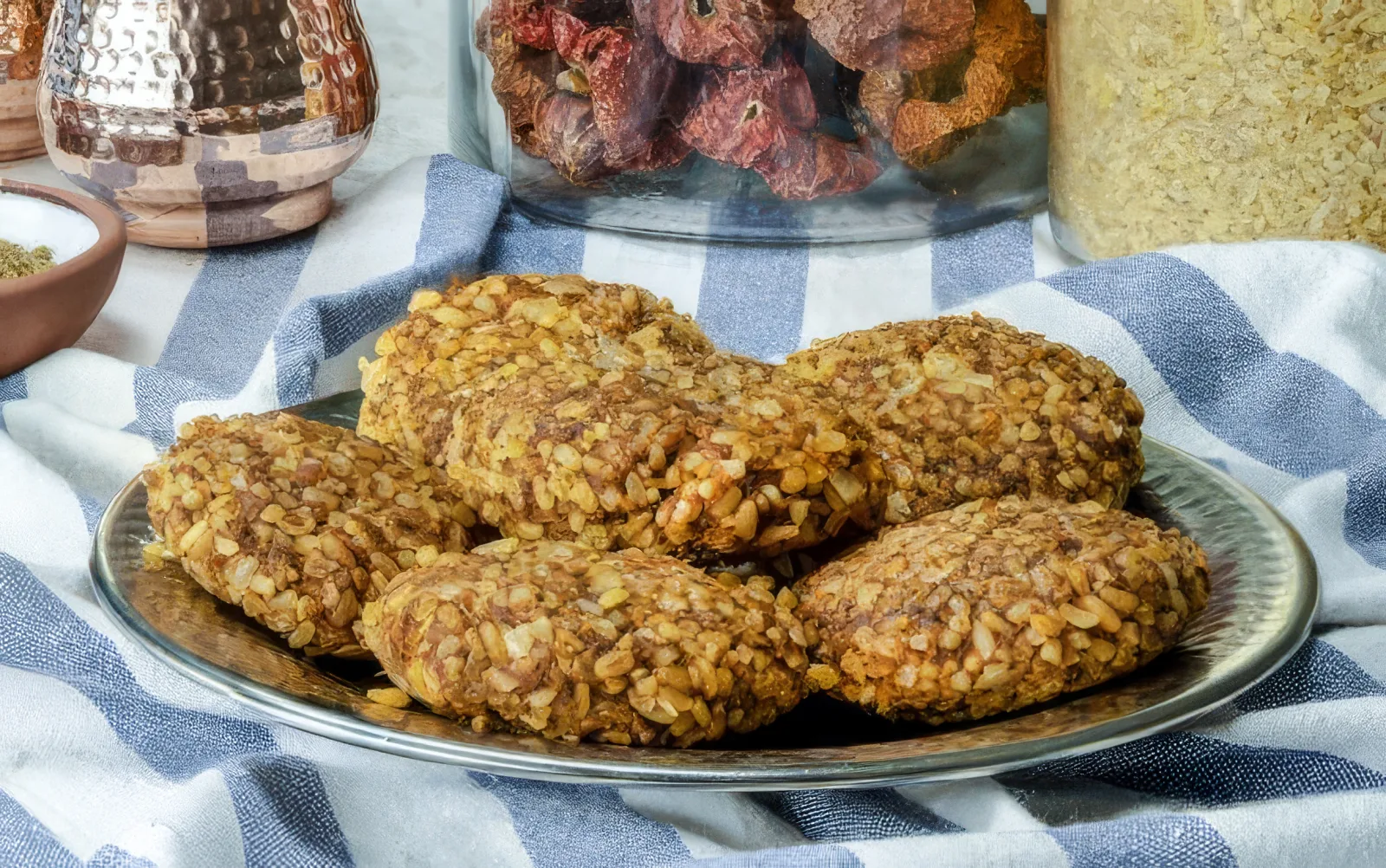
Süzek yapması is one of the registered köfte of Gaziantep cuisine set apart by a distinctive cooking method: a köfte in which bulgur and minced meat are kneaded without water, shaped into small köfte, and then steamed over a perforated tray called a "süzek" placed above boiling water. Because the köfte cook without ever touching the water — only in the rising steam — they take on a light, moist texture; the dish even takes its name from this very tool, the süzek.
Süzek yapması is a lesser-known but deep-rooted member of the köfte family. Although it was long mislabelled outside the region as "süzek börek," it is neither a pastry nor a börek; it is a köfte kneaded from bulgur and minced meat and then steamed. This regional delicacy was registered as a geographical indication under the name "Gaziantep Süzek Yapması / Antep Süzek Yapması" by TÜRKPATENT; the registration highlights the region-specific method of steaming over a süzek as the köfte's distinctive feature.
What Is Süzek Yapması and What Is in It?
Süzek yapması is a köfte made from a dough of bulgur and minced meat kneaded together without water, divided into walnut-sized köfte that are lightly flattened, then arranged on a süzek — a perforated tray — and steamed. The köfte are placed not in the boiling water but on the süzek above it, so they cook only in the steam without falling apart. What defines the dish is this contact-free steaming method and the firm, neatly held texture it gives the köfte.
Core Components
- Pilaf Bulgur: The body of the köfte is coarse pilaf bulgur. Kneaded with the minced meat without water, the bulgur gives the köfte both cohesion and a structure sturdy enough to hold up to steaming.
- Fatty Lamb Mince: The main component that lends the köfte substance and flavour is fatty lamb mince. The fat in the meat melds with the bulgur during steaming, keeping the köfte moist and tender.
- Onion and Garlic: Finely chopped onion and garlic add depth and aroma to the mixture, carrying the köfte's scent and taste into a region-specific character.
- Tomato/Pepper Paste: The paste worked into the mixture gives the köfte both colour and a faint sweet-sour balance, lending the steamed köfte a warm tone at the surface.
- Black Pepper, Red Pepper and Salt: The spiced balance of the köfte is built with black pepper, red pepper and salt. These spices give the mixture a warm, aromatic character typical of Gaziantep cuisine.
The Logic of Steaming over a Süzek
What sets süzek yapması apart from other köfte is less its ingredients than its way of cooking. The waterless bulgur-and-mince dough is divided into walnut-sized köfte and lightly flattened in the palm. These köfte are arranged on a perforated süzek tray set over a pot of boiling water, and cooked, lid closed, in the rising steam. Because the köfte never enter the water, they neither fall apart nor become waterlogged; the steam cooks the bulgur and meat evenly from within. The result is a köfte that is firm on the outside, moist and light inside — this contact-free cooking is the signature of süzek yapması.
The History and Cultural Origins of Süzek Yapması
Süzek yapması belongs to a deep-rooted Anatolian and Eastern Mediterranean köfte tradition in which bulgur and meat are turned into köfte together. In this geography, where bulgur grows abundantly, köfte combining pounded or minced meat with bulgur have lived on in various forms for centuries. Gaziantep enriched this deep-rooted köfte culture with a distinctive cooking method — steaming over a süzek rather than frying or boiling — and carried süzek yapması into a regional identity of its own.
The Origin of the Name
The name "süzek yapması" comes directly from the tool in which the köfte is cooked. In the region, the perforated tray used for draining water and for steaming is called a "süzek," and because the köfte are steamed on this tray the dish came to be called "süzek yapması." In this sense the name describes the cooking technique rather than the ingredients. The dish's long-standing label of "süzek börek" is a misnaming; it is not a pastry but a bulgur-and-mince köfte, and its correct name is süzek yapması.
A Tradition Kept Alive by Hand
Süzek yapması lives on in Gaziantep homes as a plain yet carefully made köfte. Shaping the köfte one by one by hand and steaming them over a süzek takes the dish out of everyday haste and makes it a köfte prepared with care for the table. In this respect süzek yapması is one of the köfte that carry Gaziantep's distinctive cooking techniques and table tradition into the present.
Gaziantep Süzek Yapması was entered into the TÜRKPATENT geographical indications register on 15.05.2021 as a Geographical Indication (Mahreç İşareti) with No 754. The application was made by the Gaziantep Metropolitan Municipality. The registration records, as the product's distinctive feature, that köfte prepared from bulgur and minced meat are steamed over a region-specific perforated tray called a "süzek," and guarantees that the name "Gaziantep Süzek Yapması / Antep Süzek Yapması" may be used only for a product made with the defined ingredients and method.
The Süzek Yapması Tradition and Ritual in Gaziantep
In Gaziantep, süzek yapması holds a place of its own at the table thanks to its lightness and its different way of cooking. Being a köfte cooked only in steam, without being fried in oil, it stands out as a lighter, moister delicacy.
Its Place at the Table
Süzek yapması is usually served piping hot, with its own moist texture; it is commonly offered alongside yoghurt or ayran. The plain, light character of the steamed köfte makes it a balanced option, especially next to richer fried dishes.
Within the Antep Köfte Tradition
Süzek yapması is part of Gaziantep's rich world of köfte; those curious about how the same tradition is reflected in different methods and textures can follow its trail in the city's other signature köfte. İçli köfte, with its thin shell and pistachio-and-walnut filling; Yağlı Köfte, which represents the meatless kneaded-bulgur köfte tradition; and Sini Köftesi, cooked all together in a wide tray, each show a different face of Antep köfte culture.
Why You Should Try It
A single plate of süzek yapması shows, in one bite, just how many methods and textures Gaziantep keeps alive within its köfte: a light, moist köfte cooked only in steam, rather than fried or boiled. The truest way to taste it is to eat köfte properly steamed over a süzek, piping hot, with a bowl of yoghurt beside it, in the city where it was born.
Frequently Asked Questions
What is süzek yapması and where is it from?
It is a registered köfte particular to Gaziantep, in which bulgur and minced meat are kneaded without water, shaped into köfte and steamed over a perforated tray called a "süzek."
Is süzek yapması a börek (pastry)?
No. Although it was long mislabelled "süzek börek," it is not a pastry but a köfte made of bulgur and minced meat; its correct name is süzek yapması.
How is süzek yapması cooked?
The köfte are placed not in the boiling water but on a perforated süzek tray above it, and cooked in the rising steam without touching the water.
What does "süzek" mean?
A süzek is a perforated tray used for draining water and for steaming; because the köfte are steamed on this tray, the dish is called süzek yapması.
Does süzek yapması have a geographical indication?
Yes. Gaziantep Süzek Yapması was registered as a Geographical Indication (Mahreç İşareti) with No 754 by TÜRKPATENT on 15.05.2021.