 Vegetarian
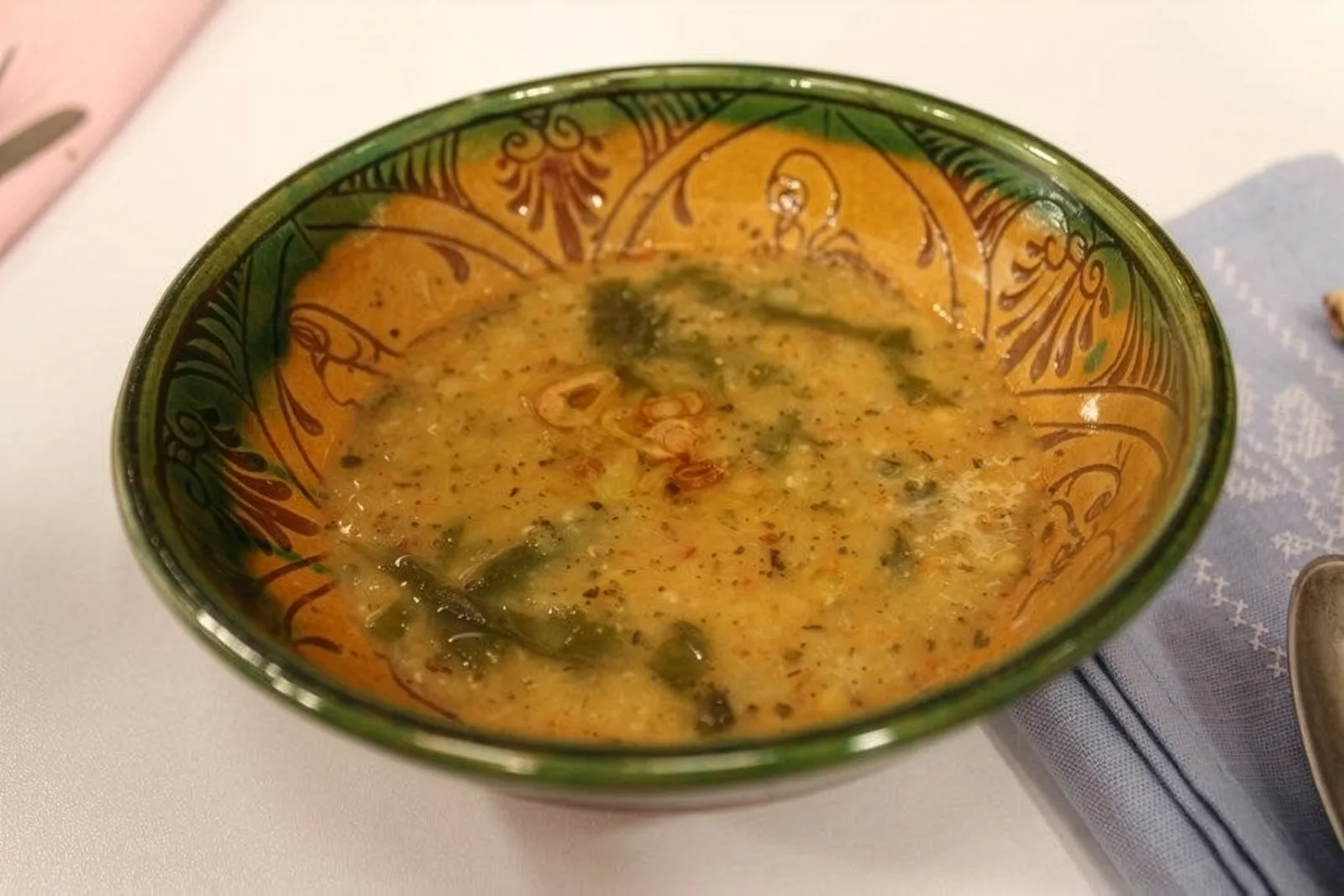
Malhıta is the word for red lentils in the Gaziantep dialect, and "ekşili malhıta" (sour malhıta) is a traditional Antep dish cooked with these lentils and given a tang. Red lentils are simmered until soft, met with plenty of garlic and dried mint, and lightly soured with pomegranate molasses, koruk (the juice of unripe grapes) or lemon. Despite its plain and humble ingredients, malhıta is one of the deep-rooted, filling and much-loved tastes of the Gaziantep table. It is eaten piping hot, with chilli-infused oil drizzled over it, scooped up with a spoon alongside bread.
The identity of malhıta springs from the harmony of a few plain elements: red lentils cooked down to a soft, porridge-like consistency, plenty of pounded garlic, dried mint rubbed in by hand, red chilli flakes for heat, and the sourness that gives the dish its name. That sourness comes, at some tables, from pomegranate molasses, and at others from koruk or lemon; in season, greens such as pirpirim (purslane) or chard (pazı) may also be added. Humble yet nourishing, malhıta is an economical, practical dish cooked in every season in Gaziantep's everyday kitchen.
What Is Malhıta and What Is in It?
Malhıta (sour) is a Gaziantep dish in which red lentils are boiled in water until soft and brought to a porridge-like consistency, seasoned with plenty of pounded garlic and dried mint, made hot with red chilli flakes, and soured with pomegranate molasses, koruk or lemon. Because the word "malhıta" means lentils outright in the local dialect, the dish takes its name from this core ingredient. Although it is also called "sour lentil soup" in everyday speech, in Gaziantep it is usually prepared as a thicker, more porridge-like dish.
Core Components
- Red Lentils (Malhıta): The body of the dish is built from red lentils. Because lentils are called "malhıta" locally, the dish takes the same name. Cooked for a good while, they break down and give a soft, full, porridge-like consistency; this is the source of the dish's filling nature and tender texture.
- Plenty of Garlic: One of malhıta's defining tastes comes from plenty of crushed and pounded garlic. The garlic lends the dish a sharp, dominant aroma; as in many of Gaziantep's sour dishes, it is a signature element in malhıta too.
- Dried Mint: Dried mint, rubbed in by hand, gives the dish both fragrance and a fresh depth that marks its regional identity. Together with the sourness, it completes the taste of malhıta as it opens on the palate.
- Sour Agent (Pomegranate Molasses · Koruk · Lemon): This is what earns the dish the adjective "ekşili" (sour) in its name. The tang comes, in some homes, from pomegranate molasses, in others from koruk (the juice of unripe grapes), and in others from lemon. This sourness balances the full body of the lentils and brings freshness to the dish.
- Red Chilli Flakes: Red chilli flakes provide malhıta's heat. Most often prepared as chilli-infused oil, they are drizzled over the dish at serving, adding both colour and a sharp taste.
- Oil (Clarified Butter · Olive Oil): The oil in which the onion and chilli flakes are heated is traditionally clarified butter (sadeyağ) or olive oil. Drizzled over the top, this oil lends richness and body to a dish made from humble ingredients.
- Seasonal Greens (Purslane · Chard): If desired and in season, greens such as pirpirim (purslane) or chard (pazı) may be added to the dish. These greens give malhıta both freshness and a fuller body.
The Humble Dish of the Table
What defines malhıta is not so much a showy ingredient as plainness and balance. The cheapness and year-round availability of red lentils make malhıta a practical, economical dish of Gaziantep's everyday table. Yet the dish is far from bland: the sharpness of plenty of garlic, the freshness of dried mint, the heat of chilli flakes and the tang of pomegranate molasses or koruk come together to turn a humble lentil porridge into a lively, characterful Antep taste. The souring is the most defining feature that sets malhıta apart from a plain lentil soup.
The History and Cultural Origins of Malhıta
Malhıta is one of the deep-rooted, everyday dishes of Gaziantep cuisine. In a kitchen where lentils, bulgur and garlic are used generously and where the tradition of soured dishes runs wide, malhıta has become, with its plain yet filling character, one of the constants of the home table. The abundance of lentils grown in fertile soil has made this dish an economical, nourishing meal carried on for generations.
The Origin of the Name
The word "malhıta" means lentils outright in the local dialect; in regions such as Gaziantep, Kilis and Malatya, lentils are called "malhıta" or "mahluta." The word rests on a term of Arabic origin used for lentils. The dish, therefore, takes its name from its core ingredient — the lentils — and "ekşili malhıta" carries the sense of a "soured lentil dish." The same naming, from the same root, also appears in Gaziantep's other lentil dishes such as malhıtalı köfte (lentil köfte) and malhıtalı aş cooked with bulgur.
The Tradition of Soured Dishes
Malhıta is part of Gaziantep cuisine's deep-rooted tradition of "soured dishes" (ekşili aş). In this kitchen, dishes soured with pomegranate molasses, koruk and lemon are a widespread taste; the sourness both balances rich, full bodies and brings freshness to dishes. Malhıta is a humble yet deep-rooted example of this tradition adapted to lentils.
While there is no separate geographical indication for the "sour" form of malhıta, "Gaziantep Malhıtalı Aşı / Lapası" — from the same malhıta (lentil) family — was entered into the TÜRKPATENT geographical indications register on 19.12.2022 as a Geographical Indication (Mahreç İşareti) with No 1292. Made with red lentils and bulgur, the registration of this dish also officially documents malhıta's place in Gaziantep's culinary culture.
Because the word "malhıta" alone means lentils in the Gaziantep dialect, many dishes derive from this name: sour malhıta soup, malhıtalı (lentil) köfte, and malhıtalı aş cooked with bulgur. Their common denominator is the lentil — malhıta — as it is known locally.
The Malhıta Tradition and Ritual in Gaziantep
In Gaziantep, malhıta is less a showy banquet dish than the warm, filling fare of the home and the everyday table. Because it is made from cheap, year-round lentils, it is cooked throughout the year; it is loved especially on cold days as a meal that warms you from within and whets the appetite with its garlic and tang.
On the Everyday Home Table
Malhıta is a practical, economical dish cooked often in Gaziantep homes. With its plain ingredients and easy preparation, it becomes a filling part of both daily meals and crowded tables. That a humble lentil dish gains such character from garlic, mint and sourness is what has made malhıta a deep-rooted favourite among the people.
Malhıta in Popular Belief
In popular belief, lentil dishes are held to be filling and nourishing and to warm the body on cold days; with its tang and garlic, malhıta too is said to be appetising and refreshing. These are not a documented medical fact but a widespread folk belief and hearsay; even so, they help explain why malhıta is sought out as a warm meal especially in the winter months.
Its Place at the Table
Malhıta is eaten piping hot, with chilli-infused oil drizzled over it, scooped up with a spoon alongside bread. It is commonly served with pickles or ayran on the side; its tang and garlic bring flavour to the plain bread that accompanies it. Those curious about Gaziantep cuisine's other deep-rooted lentil dishes can find a similar texture in signature dishes such as ezogelin soup; and all the city's soupy flavours can be reached from the Gaziantep gastronomy page.
Why You Should Try It
A single bowl of malhıta carries Gaziantep's humble yet skilful home cooking to the palate in one dish: the full softness of red lentils, the sharpness of plenty of garlic, the freshness of dried mint and the heat of chilli flakes are balanced by the tang of pomegranate molasses or koruk. That a plain legume turns into such a characterful taste is one of the finest examples of Antep cuisine's gift for drawing great flavour from simple ingredients.
Frequently Asked Questions
What is malhıta?
Malhıta means red lentils in the Gaziantep dialect; "ekşili malhıta" is a traditional Gaziantep dish cooked with these lentils and soured with pomegranate molasses, koruk or lemon.
What is in malhıta?
Red lentils, plenty of garlic, dried mint, red chilli flakes, a sour agent (pomegranate molasses, koruk or lemon) and chilli-infused oil drizzled over it; in season, purslane or chard may also be added.
Why is malhıta called "ekşili" (sour)?
Because the dish is given a light tang with pomegranate molasses, koruk juice or lemon. This sourness balances the full body of the lentils and brings freshness to the dish.
Does malhıta have a geographical indication?
There is no separate registration for sour malhıta; however, "Gaziantep Malhıtalı Aşı / Lapası," from the same lentil family, was registered by TÜRKPATENT as a Geographical Indication (Mahreç İşareti) with No 1292 on 19.12.2022.
When is malhıta eaten?
It is an economical, filling home dish cooked in every season; it is loved especially on cold days as a warm meal that heats you from within.