There is no single right answer to the question of when to visit Gaziantep; every season shows the city in a different light. Even so, the climate data paints a clear picture: spring and autumn are the most comfortable times to explore the historic centre on foot. In this guide we look at Gaziantep's climate season by season, explaining what each period offers the visitor and how you should plan your trip.
In Short: The Best Time
Gaziantep has a climate of hot, dry summers and cool, rainy winters. Because the city sits on a plateau with semi-arid, transitional continental–Mediterranean characteristics, the temperature swing between seasons is pronounced. For that reason, the ideal times to visit are spring (April–May) and autumn (September–October), when the weather is neither too hot nor too cold.
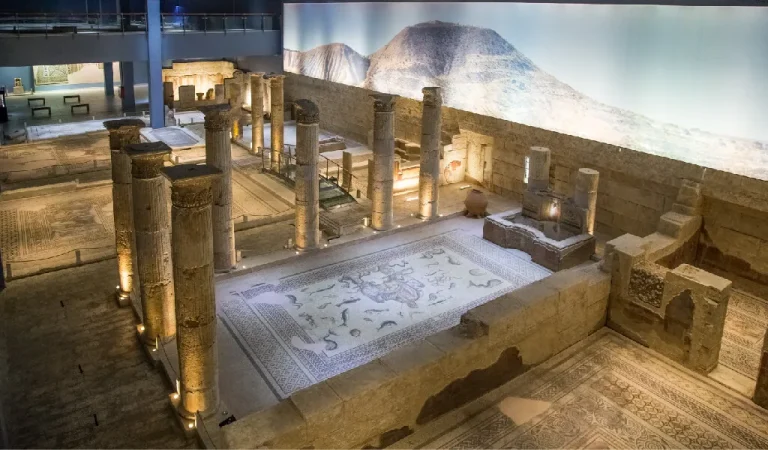
In these two periods daytime temperatures generally hover between 20 and 28°C; rainfall is scarce, the skies are clear, and it is a pleasure to spend hours wandering the compact, walkable centre made up of Gaziantep Castle, the Coppersmiths' Bazaar, the historic caravanserais and the museums. If you are aiming for an intensive two-day itinerary, our Gaziantep in 48 hours guide is especially rewarding in these seasons.
Summer and winter each carry their own advantages: summer, with its long and sunny days, suits early-morning and evening outings; winter, with its quiet calm and museum-friendly weather, is ideal for exploring away from the crowds. Below we take a closer look at each season in turn.
Spring (April–May)
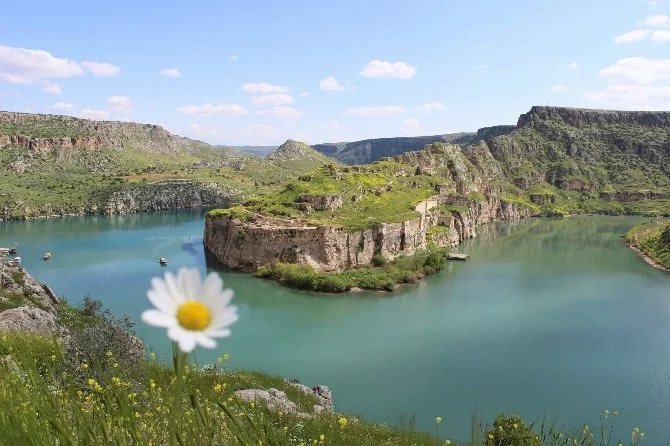
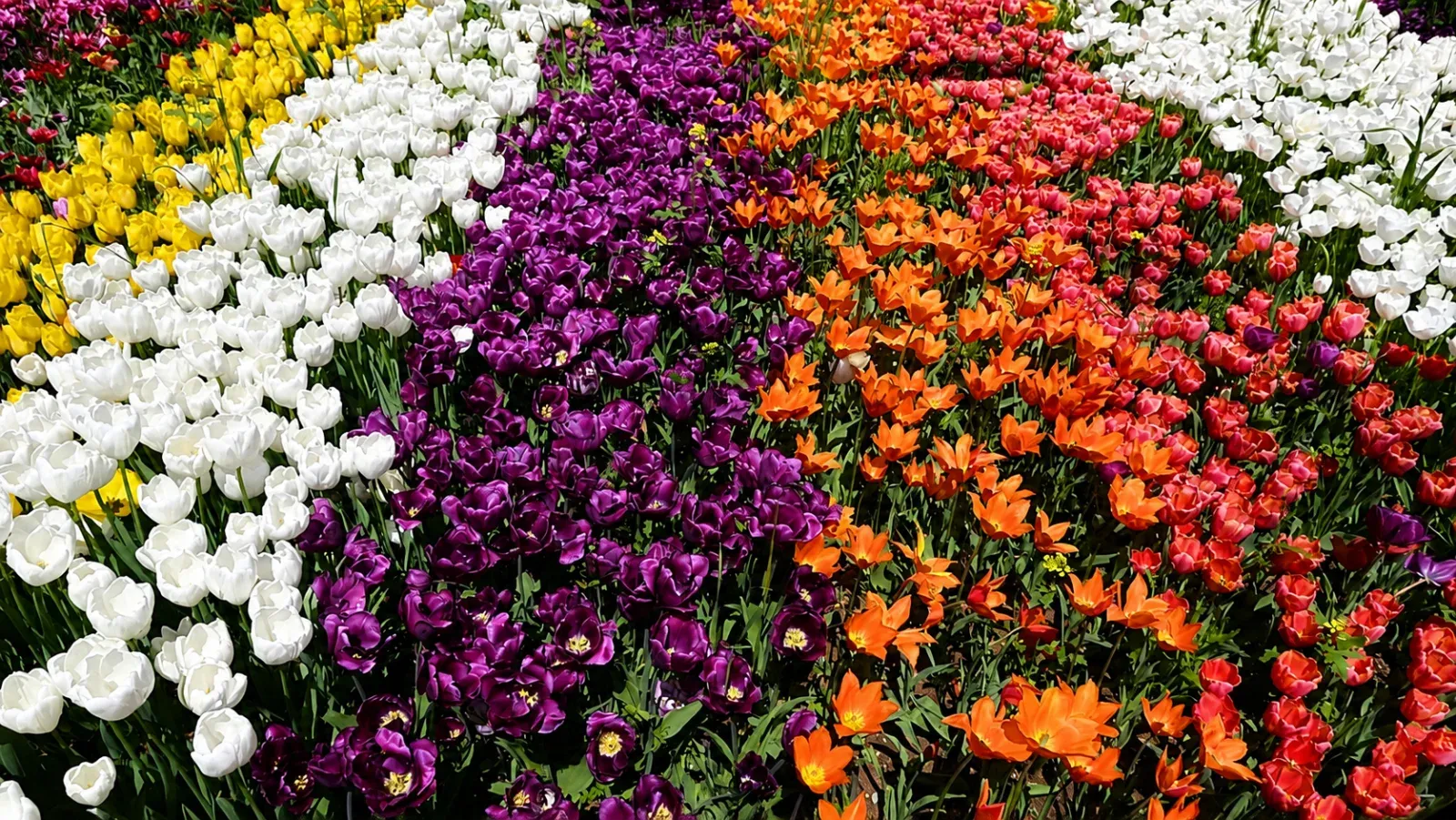
Spring is one of the most balanced times of year to visit Gaziantep. The surrounding countryside, greened by the winter rains, comes alive from late March onwards; daytime temperatures climb to average highs of around 20°C in April and rise higher still in May. Rainfall gradually eases during this period, though occasional showers can still occur, so it is wise to keep a light raincoat with you.
The mild weather is ideal for long walks along the stone streets of the historic centre, for exploring around the castle and for lingering in the courtyards of the old caravanserais. For those who want to take photographs outdoors, the clear skies and soft light are another gift of this season. Since the crowds have not yet reached summer levels, the museums and bazaars are also easier to enjoy.
Summer (June–August)
Summer in Gaziantep is hot and dry. In July and August daytime highs reach averages of around 36°C, and during heatwaves the figures can climb above 40°C. Rainfall in these months is almost non-existent and humidity is low, so the air is dry and sunny.
If you want to come in summer, you will need to build your itinerary around the cooler hours of the day. Early mornings and late afternoons are the best times for outdoor sightseeing; during the midday heat, air-conditioned museums, covered bazaars and shaded caravanserai courtyards will keep you far more comfortable. Drinking plenty of water, wearing a hat and sunglasses, and choosing light-coloured, lightweight clothing are the golden rules of a summer visit. To plan how to reach the city and how to move around the centre during the hottest hours, take a look at our Gaziantep transport guide.
Autumn (September–October)
For many travellers, autumn is Gaziantep's most appealing season. The summer heat begins to break in September; daytime averages soften, and by October daytime temperatures drop to around 25°C. The weather remains largely clear and dry, which makes planning your outings easy.
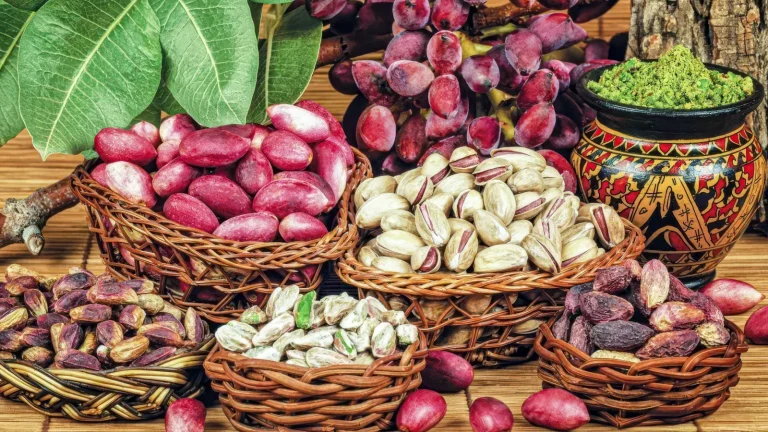
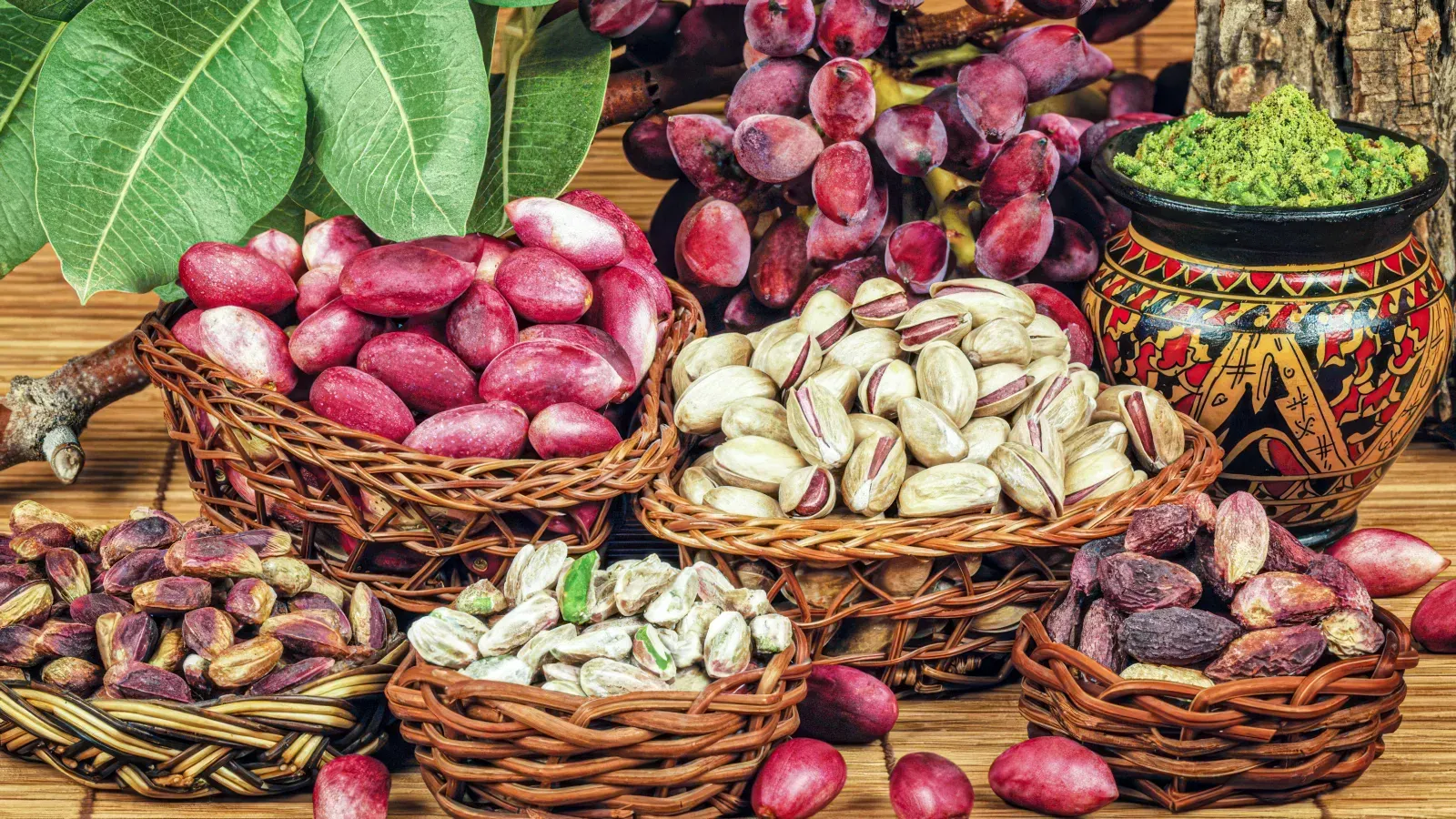
Autumn carries a special meaning in this city: the pistachio harvest falls between late August and September. During this period the region takes on an atmosphere of abundance, with pistachios in the leading role. For those keen to discover the city's culinary identity in this season, our Gaziantep gastronomy page is a great starting point. The city's international gastronomy festival is also usually held in the autumn months; since the dates shift from year to year, we recommend checking the current calendar as you plan your visit.
Winter (December–February)
Winter in Gaziantep is cool to cold and the rainiest time of year. The coldest month is January; daytime temperatures average around 8°C, while at night they approach freezing or can drop below it. Most of the rainfall is spread across winter and spring; snow, though not every year, appears from time to time and can linger for a few days.
Winter is a peaceful alternative for those who dislike crowds. On cold, rainy days it makes sense to weight your programme towards museums and indoor venues; this is exactly the season when the city's rich collection of museums comes into its own. If you want to deepen your cultural exploration, our Gaziantep culture page will point the way. If you plan to be outdoors, waterproof shoes, a coat and an umbrella at hand will add to your comfort.
What to Do in Each Season
Spring: Explore the historic centre on foot, take long strolls around the castle and through the Bey district, and make the most of the softer light of morning and evening for outdoor photography.
Summer: Split the day in two; outdoors in the early morning and late afternoon, and museums and covered bazaars at midday. Take care to stay hydrated and rest in the shade.
Autumn: Savour the pistachio harvest and the lively gastronomic atmosphere; in the mild weather, tour the centre and focus on local flavours alike.
Winter: Plan a quiet, museum-focused programme; if it snows, you will see the historic fabric of the city take on an entirely different atmosphere. To read up on the city's deep-rooted past in this season, our Gaziantep history content makes fine company.
Frequently Asked Questions
What is the best season to explore Gaziantep?
Generally speaking, spring (April–May) and autumn (September–October) are the most suitable periods. In these months the weather is mild and largely dry, so it is comfortable to explore the historic centre on foot.
Is Gaziantep very hot in summer?
Yes. In July and August daytime highs reach averages of around 36°C and can climb above 40°C during heatwaves. If you are coming in summer, it is best to plan outdoor sightseeing for the early morning and evening hours, and to opt for indoor venues during the midday heat.
What is winter like in Gaziantep, and does it snow?
Winter is cool to cold and the rainiest time of year. In January, the coldest month, daytime temperatures average around 8°C and approach freezing at night. Snow, though not every year, appears from time to time and can linger for a few days.
In which season does the pistachio harvest take place?
The pistachio harvest generally falls between late August and September, that is, at the end of summer and the start of autumn. For that reason, autumn is one of the best times to experience the city's culinary identity at its most vibrant.
How many days should you set aside for Gaziantep?
Two full days is a good start for seeing the main historic and gastronomic stops in the city centre. Whatever the season, arranging your programme around the hours that suit the day's weather noticeably improves the experience.