Gaziantep is one of those rare cities that can fill both your plate and your mind in just two days. A castle thousands of years old on the hilltop, bazaars ringing with the sound of hammered copper at its feet, mosaics lifted from the banks of the Euphrates, and one of the richest cuisines in the world… This Gaziantep travel guide lays out a day-by-day, morning-to-evening rhythm for travellers who want to make every one of their 48 hours count — with every fact checked against reliable sources.
Treat the programme below not as a fixed timetable but as a flexible skeleton. Shift the hours to suit your own pace. What matters is splitting the two days into two themes: day one for the historic centre, the castle and the museums; day two for Zeugma, gastronomy and shopping. Museum opening hours, ticketing policies and transport schedules change over time, so we recommend confirming the latest details from the relevant institutions' official sources before you visit.
Gaziantep at a Glance
The most populous city of Southeastern Anatolia, Gaziantep has always stood at the crossroads of the trade and culture routes linking the Mediterranean to Mesopotamia. That position gave the city both a deep-rooted craft tradition and a cuisine built up layer by layer. In 2015 the city joined the UNESCO Creative Cities Network in the field of gastronomy — international recognition that Antep cooking rests not on a single dish, but on an entire culture of production and the shared table.
The most tangible measure of this wealth is the city's count of products with geographical indication registration: Gaziantep ranks first in Türkiye in this field, and according to official statements the number of registered products stands at more than 100. Many of the flavours in this guide — from Antep baklava to beyran, from yuvalama to katmer — belong to that registered list. A geographical indication certifies that a product belongs to a specific region and carries qualities unique to it; the figure is therefore not just a point of pride but an official record of the authenticity of Antep cuisine.
Even the city's name points to its past: known for centuries as Ayıntab (Antep), the city earned the title "Gazi" after its resistance in the War of Independence — a story we will come to shortly, at the castle. For history lovers, Gaziantep offers an unbroken memory running from Roman and Byzantine layers through the Seljuk, Mamluk and Ottoman eras to the years of the National Struggle; this two-day route touches only the most visible of those layers.
Day 1: The Castle, the Bazaars and the Museums
Devote the first day to the historic centre. The beauty of it is that almost everything sits within walking distance: the castle, the bazaars, the caravanserais and most of the museums are only a few streets apart.
Morning — Starting the day the Antep way
If you want to begin the day like a local, the early morning hours belong to beyran. This regional dish — lamb, rice, garlic and red pepper brimming with rich meat broth — is traditionally eaten in the morning, and Antep beyran holds a geographical indication registration. For a lighter start, katmer is a fine alternative: paper-thin dough folded around Antep pistachios and kaymak (clotted cream), this registered pastry is most often eaten in Antep as a breakfast sweet.
After breakfast, set off on foot towards the centre; the smell of warm bread drifting from the bakeries and the distant ring of hammers will lead you naturally to the bazaars.
Late morning — The Coppersmiths' Bazaar, caravanserais and covered markets
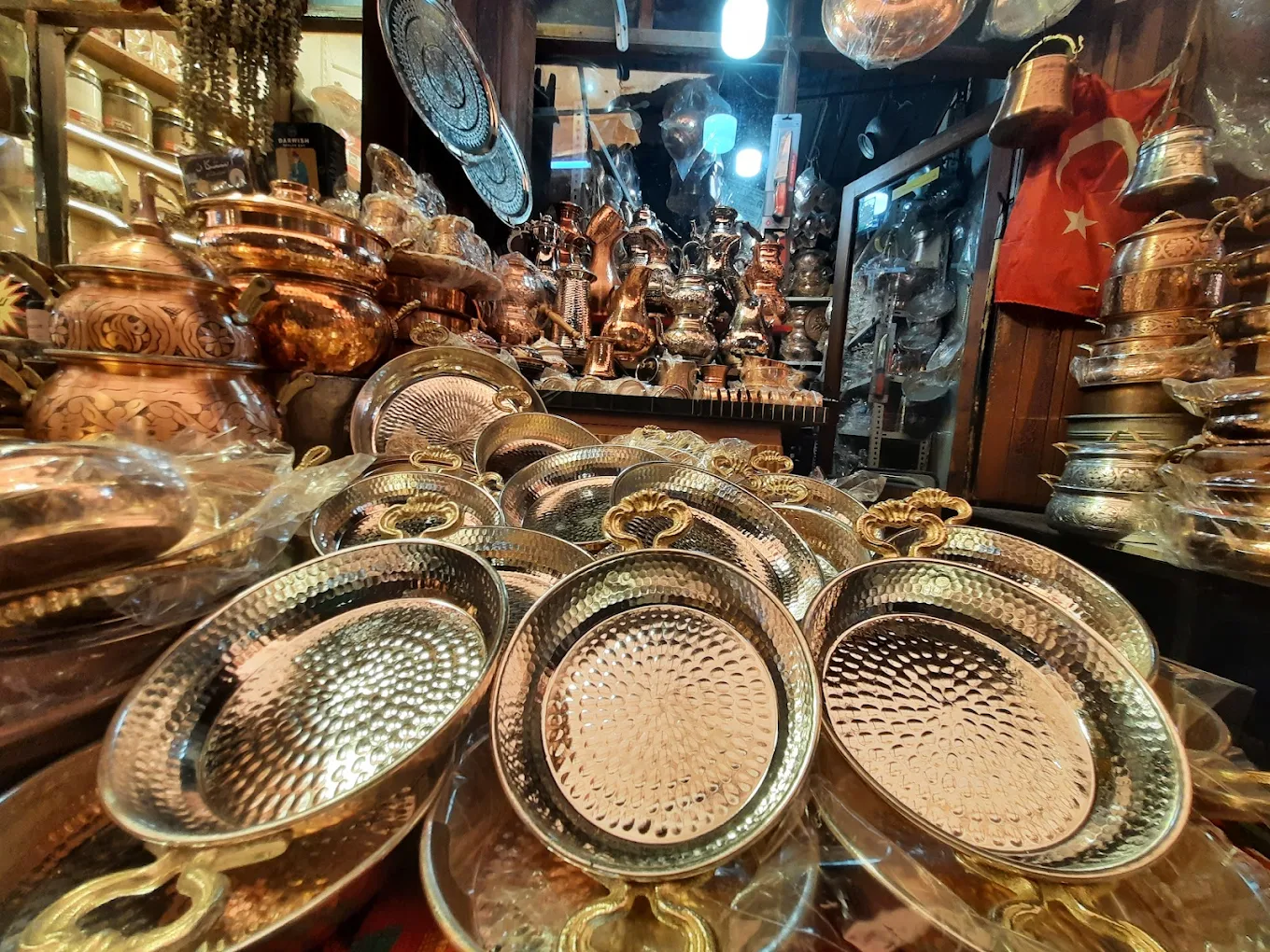
The Coppersmiths' Bazaar is Gaziantep's liveliest street of craft. Walking among the benches where masters hammer and shape copper, you see a handcraft that has survived from the Silk Road era to the present day; everything from coffee pots to trays and cauldrons is still made here. The historic caravanserais and bedestens — covered market halls — adjoining the bazaar carry the city's trading past. In the dim cool of the covered markets you can browse stalls of carpets, spices and antiques, and in the narrow lanes you may come across increasingly rare crafts such as yemeni shoemaking. If you are curious about the full breadth of Antep's craft and cultural heritage, our culture section is a good place to start.
Midday — The first kebab break
When midday arrives, it is time for Antep's true speciality: kebab. The city has a remarkable range of kebabs, each set apart by its own technique, the texture of the meat and what comes alongside it; depending on the season you might try eggplant kebab, onion kebab or ali nazik, served over yogurt and smoky roasted eggplant. In Antep a kebab rarely arrives alone: charred tomatoes and peppers, fresh greens, onions and the region's own bread are the table's natural companions.
The secret here is to eat a little of many things. Sharing portions is the most practical way to fit several flavours into one meal — the dessert course still awaits you this evening, and lahmacun and slow-cooked stews are lined up for tomorrow. For a well-organised overview of Antep cuisine as a whole, its varieties and its origins, browse our gastronomy section.
Afternoon — Gaziantep Castle and the Defence Museum
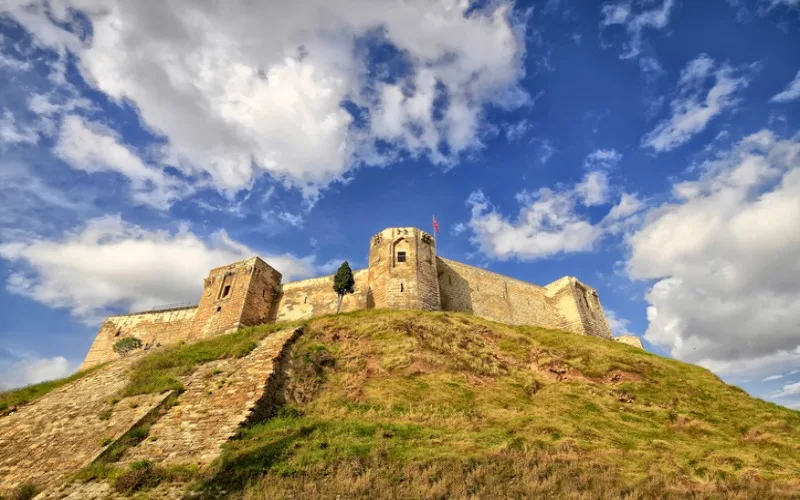
The first stop of the afternoon is the city's landmark, Gaziantep Castle. The castle rises on a settlement mound thousands of years old. First established as a Roman watchtower and fortification, the structure gained its present circular form of walls and bastions largely in the 6th century AD, under the Eastern Roman (Byzantine) Emperor Justinian I (527–565). In the centuries that followed it was kept standing through repairs under the Seljuks, Ayyubids, Mamluks, Dulkadirids and Ottomans. The circular rampart measures roughly 1,200 metres around, with bastions lined along the walls. (As visiting conditions change from time to time, it is worth confirming the current situation before you go.)
The castle is more than a fortification; it is a place of memory, home to the Gaziantep Castle and Defence Museum. The museum tells the story of the Defence of Antep, the resistance the city's people mounted against the French occupation during the War of Independence. That resistance, which lasted some ten months, changed the city's history for good: on 6 February 1921 the Grand National Assembly granted Ayıntab the title "Gazi", renaming the city Gazi Ayıntab — later Gaziantep. You can read the full story of the resistance on our War of Independence page.
Afternoon — The museum route
Once you come down from the castle, the museums within walking distance of the centre can be visited one after another. Seeing them all in a single day can be tiring; pick the ones that appeal most and leave the rest for day two.
Emine Göğüş Culinary Museum: Known as Türkiye's first culinary museum. In a traditional Antep mansion from the early 20th century, it displays the tools, cooking techniques and table culture of the regional kitchen — a good stop for understanding why this city of gastronomy carries the title it does.
Hasan Süzer Marriage and Life Culture Museum: Housed in a historic Antep mansion, it was bought and restored by Hasan Süzer, then donated to the Ministry of Culture and served for many years as an ethnography museum. Renovated and reopened under its current name in 2026, the museum tells the story of Gaziantep's marriage traditions and family life culture floor by floor within its courtyard mansion architecture.
Panorama 25 December Museum: Opened in 2020, the museum recounts the Defence of Antep through a 120-metre panoramic painting, dioramas and documents, inside the historic Ayntâb Redif Depot building. It is the visual companion to the story you heard up at the castle.
Bayazhan City Museum: Set inside a historic caravanserai, this city museum weaves together Gaziantep's history, economy and everyday life in a richly layered narrative.
Evening — Dessert, historic streets and menengiç coffee
The early evening should be given to the city's dessert tradition. Leaving Gaziantep without tasting Antep baklava is simply not done: layer upon layer of hand-rolled pastry, plenty of Antep pistachios and a well-balanced syrup… This baklava is registered as a geographical indication with TÜRKPATENT, and it carries a further distinction as the first Turkish product to be registered with the European Union. Alongside it, try şöbiyet or burma kadayıf, shredded kadayıf pastry rolled around pistachios.
Under the evening lights, strolling the historic quarters of restored stone streets and courtyard mansions is the most pleasant way to round off the day. The mansions behind high stone walls, the shaded courtyards and the narrow passages show a calmer face of the city after the daytime rush of the bazaars — and these hours also offer the day's most beautiful light for photographs.
You can close the night at Tahmis Kahvesi, a centuries-old meeting place: this historic coffeehouse, accepted as having been founded in 1635, is one of the city's most deeply rooted institutions. It takes its name from "tahmis", the word for a place where coffee is pounded and ground. End the first day here with a cup of menengiç coffee, made from the fruit of the wild pistachio (terebinth) tree, or a cooling glass of licorice sherbet. (Menengiç coffee, too, is among Antep's products registered with the European Union.)
Day 2: Zeugma, Ancient Heritage and Culinary Discovery
The second day belongs to the ancient landscape surrounding the city and to the deeper reaches of its cuisine. Give the morning to the most important stop of all: Zeugma.
Morning — The Zeugma Mosaic Museum
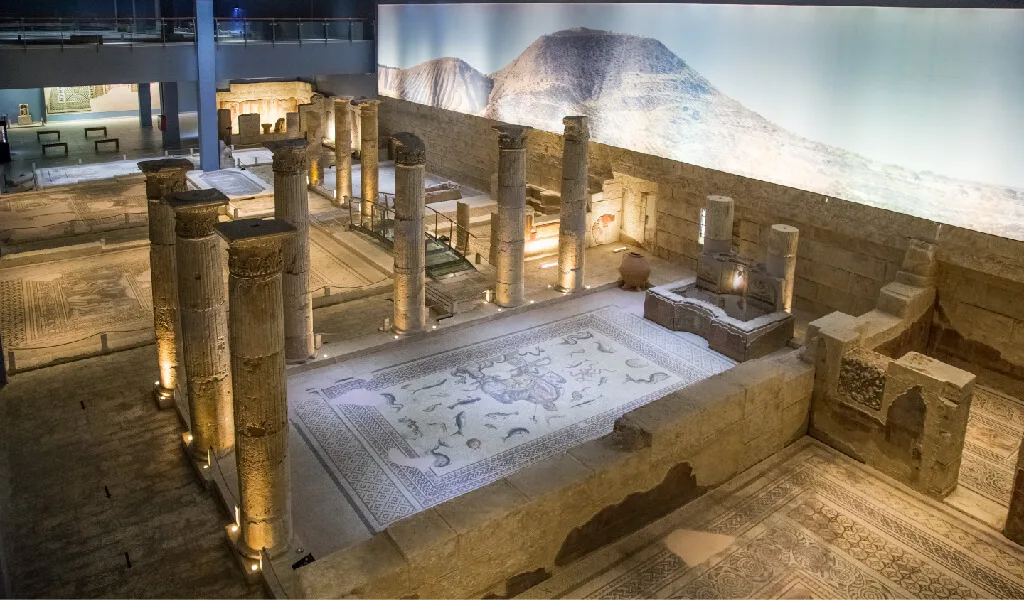
The Zeugma Mosaic Museum is counted among the largest mosaic museums in the world. The works here come from the ancient city of Zeugma on the banks of the Euphrates. Founded on both sides of the river by Seleucus I Nicator around 300 BC, the city flourished in the Roman age as a frontier garrison town guarding the principal crossing of the Euphrates. Its name comes from that role: Zeugma is Greek for "bridge" or "crossing".
The museum's emblem is the Gypsy Girl mosaic, displayed in a special section of its own; famed for a gaze that seems to follow you wherever you stand, this face has become Gaziantep's globally recognised image. Most of the mosaics were brought to light in rescue excavations carried out around the year 2000, before the waters of the Birecik Dam rose; in that sense the museum also tells the story of a heritage saved in a race against the flood. As you move through the halls, you can trace mythological scenes, depictions of gods and heroes, and details of everyday life in the floor and wall mosaics that once adorned the wealthy houses of a Roman city.
Since Zeugma sits a little outside the city centre, planning your transport in advance makes things easier; going in the first hours of the day, before the crowds build up, lets you see the mosaics in comfort and keeps the rest of the day free for the centre. Allow a generous stretch of time for the museum — it is not a place to be rushed.
Midday — Street flavours
Back in the centre, give lunch over to street food. Antep lahmacun is a must: with its thin dough, onion-free minced-meat topping and a squeeze of lemon over the top, it is nothing like the lahmacun of other cities. This lahmacun is registered with TÜRKPATENT; moreover, in 2025 it completed the geographical indication process in the European Union as well, published in the EU's Official Journal. Alongside it, chickpea wrap (nohut dürüm) — spiced boiled chickpeas rolled in thin flatbread — or içli köfte, a bulgur shell filled with minced meat and walnuts, make lighter alternatives.
Afternoon — The Archaeology Museum and thematic museums
Gaziantep Archaeology Museum: A long-established museum that tells the region's deep past through finds from settlements such as Carchemish and Dülük. For a time it housed Zeugma's famous mosaics; when the exhibition space proved too small, however, the mosaics were moved in 2011 to the Zeugma Mosaic Museum, built specifically for them. So you have already met the Gypsy Girl at Zeugma this morning; visit the Archaeology Museum instead to follow the region's broader archaeological story.
Depending on your interests, you can also call in at the city's other thematic museums; those devoted to glass art and to the Antep pistachio speak to lovers of gastronomy and craft alike. You can equally balance your programme with the museums you could not fit into the first day.
Late afternoon — Spice and gift shopping
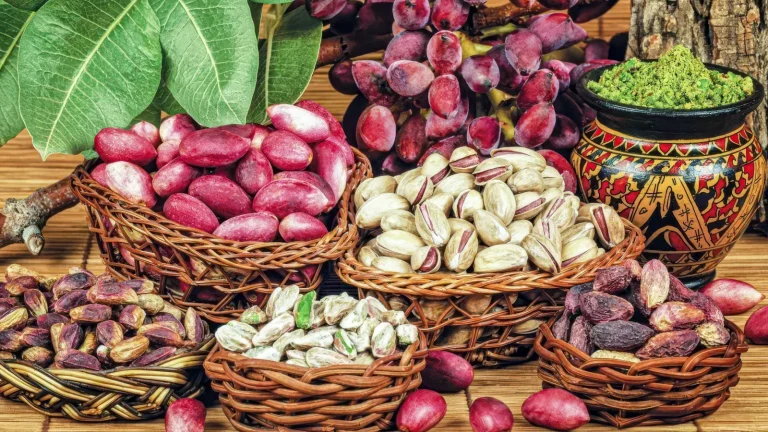
For gifts to take home, the district of the spice sellers and dried-fruit merchants is the right address. Here you will find Antep pistachios, pistachio paste, red pepper flakes, pepper paste and all manner of spices. As gifts, Antep pistachios, pistachio paste, craft items such as copper coffee pots, and the region's distinctive handwoven fabrics stand out in particular. The Antep pistachio is registered as a geographical indication with TÜRKPATENT, while pistachio paste (Antep fıstık ezmesi) is registered both with TÜRKPATENT and in the European Union — so you shop knowing that what you are buying is the "real Antep".
Evening — The farewell table
Give your final dinner to Antep's tradition of slow-cooked, brothy dishes. Yuvalama (also called yuvarlama) is a registered dish of tiny meatballs cooked with chickpeas and yogurt, and it takes pride of place on festive tables in particular; Antep yuvalama holds a geographical indication registration. Depending on the season you can round out the table with other stews and meze, then close the dessert course once more with a slice of baklava or a katmer. And so your 48-hour Gaziantep adventure ends the way it began — in the company of pistachios and syrup.
Where to Stay
The most practical choice in Gaziantep is to stay within walking distance of the historic centre. Boutique hotels operating in restored stone mansions are a delightful option for anyone who wants to experience traditional Antep architecture; the historic quarters and their surroundings stand out in this respect. Those looking for more modern comforts and a wider choice of hotels can look to the city's newly developing business and commercial districts and the areas towards Şehitkâmil.
Two criteria make choosing a location easier: first, walking distance to the castle, the bazaars and the museums; second, proximity to the small local eateries where you can have beyran or katmer in the morning. Staying near the centre lets you cover almost the entire day-one route in this guide on foot.
Practical Tips
The centre is explored on foot. The castle, the bazaars, the caravanserais and most of the museums sit close together, which makes Gaziantep a walker's city. You will be covering a lot of narrow, occasionally steep stone streets, so comfortable shoes are essential.
Plan around the summer heat. Summers in Gaziantep run very hot. Scheduling your outings for the cool of early morning and evening, and spending the hottest midday hours in cool museum halls or caravanserai courtyards, will make the trip far more comfortable. What to expect in each season is covered in the best time to visit Gaziantep guide.
Müze Kart for museum visits. Museums run by the Ministry of Culture and Tourism accept the nationwide Müze Kart programme, which covers entry to many state museums. Bear in mind that practice may differ at museums belonging to the municipality or to private foundations. The safest course is to check from official sources which museums are covered and what the current conditions are.
History beneath your feet: the kastels. Walking through the historic centre, you will now and then come across water structures descending below street level. Gaziantep's kastels and livas — underground water channels (livas) and the distribution and resting pools they feed (kastels) — form a distinctive underground water system dating back centuries, and they have been on the UNESCO World Heritage Tentative List since 2018.
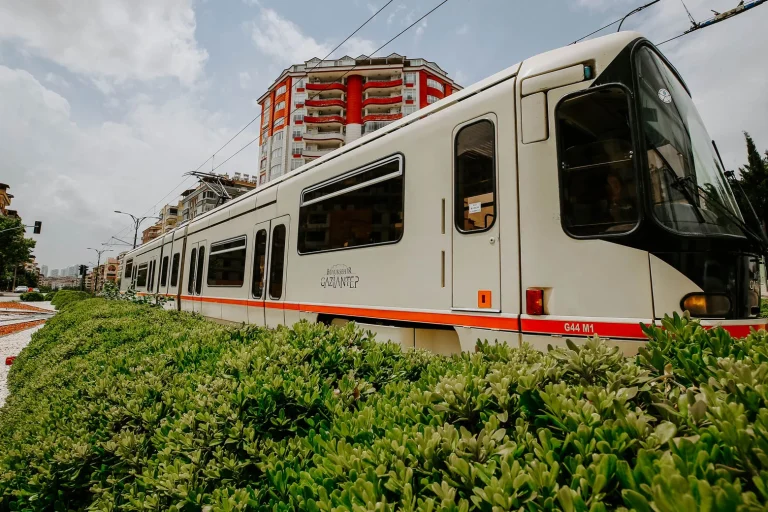
Sort out transport in advance. How to reach the city and how to get around once there (airport, tram, bus) is covered in detail in the Gaziantep transport guide. And if you want to see how the stops sit in relation to one another, our interactive map will help you plan your route.
Beyond the 48 Hours
If you have extra time in hand, three routes beyond the city centre deepen the Gaziantep experience considerably.
Yesemek Open-Air Museum: Spread across a hillside by the village of Yesemek in the İslahiye district, this site served in the Hittite and Late Hittite periods as the region's largest basalt quarry and open-air sculpture workshop. The unfinished gate lions and sculpture drafts scattered down the slope show how an ancient workshop operated — like a moment frozen in stone.
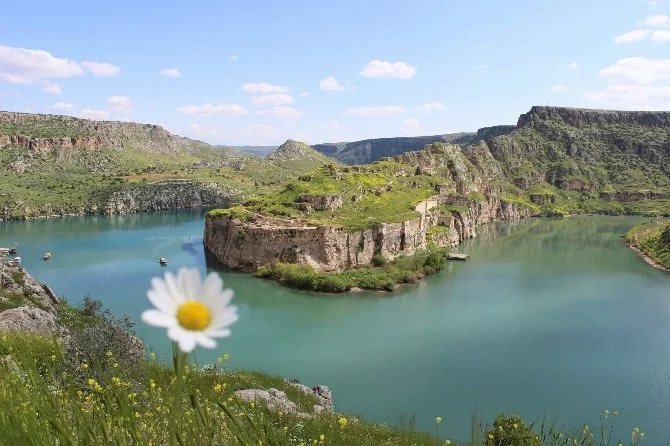
Halfeti and Rumkale: Rising on a rocky promontory where the Merzimen Stream meets the Euphrates in Gaziantep's Yavuzeli district, Rumkale is usually visited on boat tours departing from Halfeti. The green waters of the Euphrates, the sheer cliffs and the reservoir resting against the shoreline offer the region's most striking union of nature and history.
Dülük (Doliche) Ancient City: Set around Keber Tepe just north of the city, Dülük is known as the centre where the cult of Jupiter Dolichenus was born in the Roman age. With the sanctuary on Dülük Baba Hill and its rock-cut spaces, it holds a history reaching down to very early layers of settlement.
Frequently Asked Questions
Can you see Gaziantep in 48 hours?
Yes — because the historic centre is compact and walkable, 48 hours is enough to see the castle, the main museums, the bazaars and the Zeugma Mosaic Museum, and to taste the highlights of Antep cuisine. Splitting the two days into two themes works well: day one for the historic centre and museums, day two for Zeugma plus gastronomy and shopping.
What should you see on your first day in Gaziantep?
The first day belongs to the historic centre: Gaziantep Castle and the Defence Museum inside it, the Coppersmiths' Bazaar with the historic caravanserais and covered markets, and then — all within walking distance — the Emine Göğüş Culinary Museum, the Hasan Süzer Ethnography Museum, the Bayazhan City Museum and the Panorama 25 December Museum.
Where is the Gypsy Girl mosaic on display?
The Gypsy Girl mosaic is displayed not at the Gaziantep Archaeology Museum but at the Zeugma Mosaic Museum, one of the largest mosaic museums in the world. The mosaics were moved in 2011 to the new building constructed for this museum; the piece itself was unearthed at the ancient city of Zeugma on the banks of the Euphrates.
How many geographically indicated products does Gaziantep have?
According to official statements, Gaziantep ranks first in Türkiye for the number of products with geographical indication registration; the figure is above 100. Some of these are also registered with the European Union: Antep (Gaziantep) baklava, Antep pistachio paste, Gaziantep menengiç coffee, Araban garlic and Antep (Gaziantep) lahmacun. The Antep pistachio itself is registered with TÜRKPATENT; what holds EU registration is the processed product, pistachio paste.
What is the best season to visit Gaziantep?
Because it is a city explored on foot, spring and autumn are the most comfortable seasons. Summers run hot, so it is better to plan outings for the cool of early morning and evening, and to spend the midday heat in museums or caravanserai courtyards. For a detailed season-by-season comparison, see the best time to visit Gaziantep guide.
Where should you go if you have an extra day in Gaziantep?
For those with time beyond the two days, three routes outside the city stand out: the Yesemek Open-Air Museum in İslahiye, Rumkale reached by boat from Halfeti, and the ancient city of Dülük (Doliche) just north of the city. These places offer history and nature side by side.