The Gaziantep table was not set in a single day. Today counted among the world's few gastronomic capitals, this cuisine was formed by the slow accumulation of thousands of years of farming knowledge, the spices carried by Silk Road caravans, and the palates of peoples who lived here one after another. This article traces the long journey behind every bite on the Antep plate — the story that runs from ancient wheat fields to pistachio trees, from pepper paste to geographical-indication registrations, and finally to a UNESCO title.
Gaziantep is counted among the oldest continuously inhabited cities in the world. The area around Dülük (Doliche), just north of the city, is regarded as one of the oldest known settlement and worship centers in the Near East, while the roots of agricultural life in the region reach back thousands of years before the Common Era. This is precisely where a cuisine's claim to being "6,000 years old" comes from: the individual recipes are, of course, not that ancient, but the soil, water, grain, and trees that nourish those recipes have shown remarkable continuity. In the same valley, wheat has been sown, grapes grown, and pistachios gathered for thousands of years. Antep cuisine is the culinary expression of this unbroken agricultural memory.
The Legacy of the Land: Ancient Farming and the First Flavors
The character of a cuisine is shaped by the soil it is built upon. The plains surrounding Gaziantep are part of a fertile belt watered by the Euphrates; this region lies at the very heart of the geography where humankind first turned to agriculture. In this land, where wheat itself was domesticated, grain culture is the oldest and most solid foundation of the cuisine. Bulgur, the backbone of the Antep table, is the direct heir of this ancient wheat tradition.
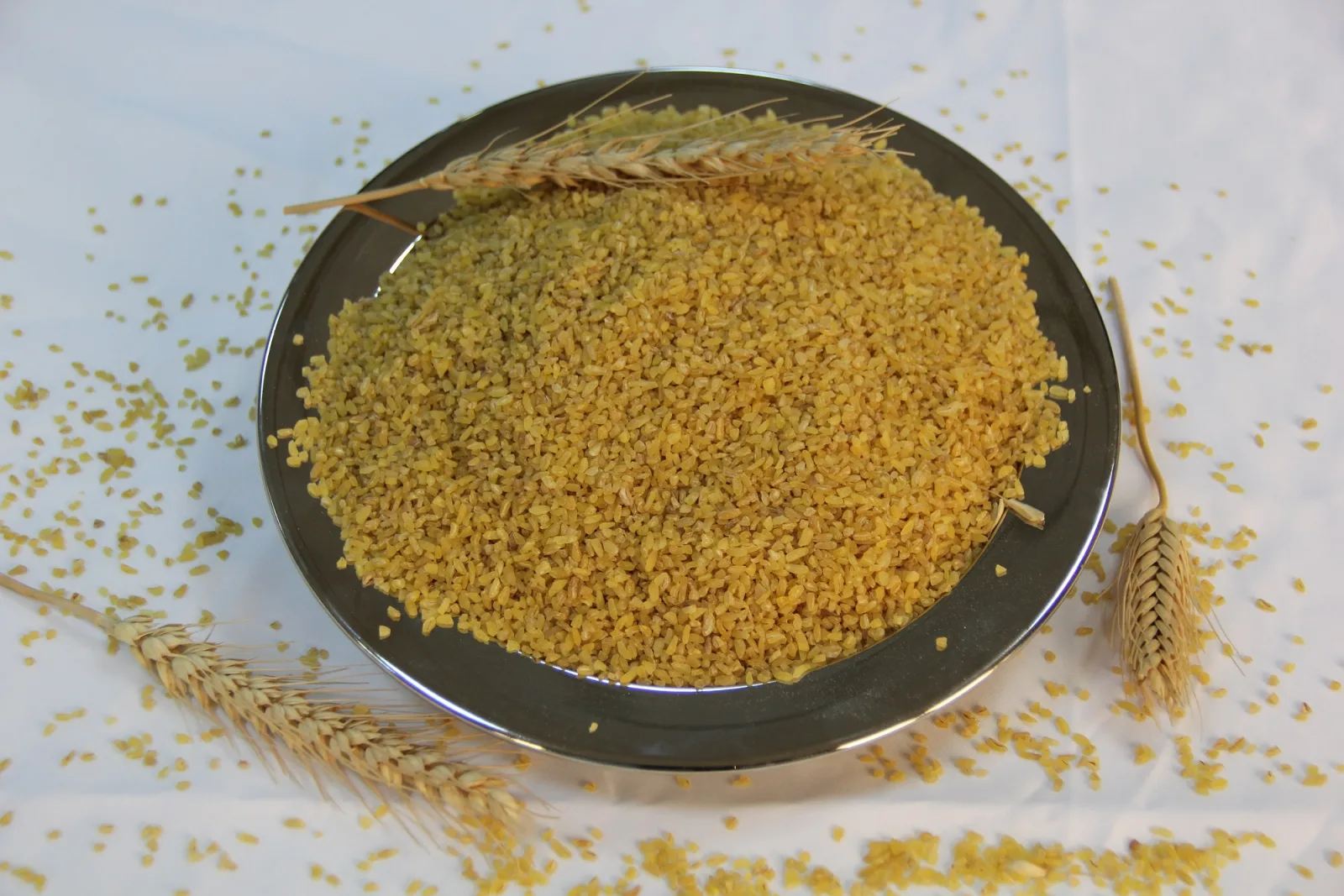
Bulgur is wheat that is boiled, dried, and then cracked; thanks to its durability and nourishment, it was a winter provision that could be stored from season to season. In Antep cuisine, bulgur is almost more central than rice: it binds the filling of köfte, forms the body of çiğ köfte (raw meatballs), becomes pilaf, and enters soups. Antep bulgur is therefore not merely an ingredient but the continuation of a civilization's habit at the table.
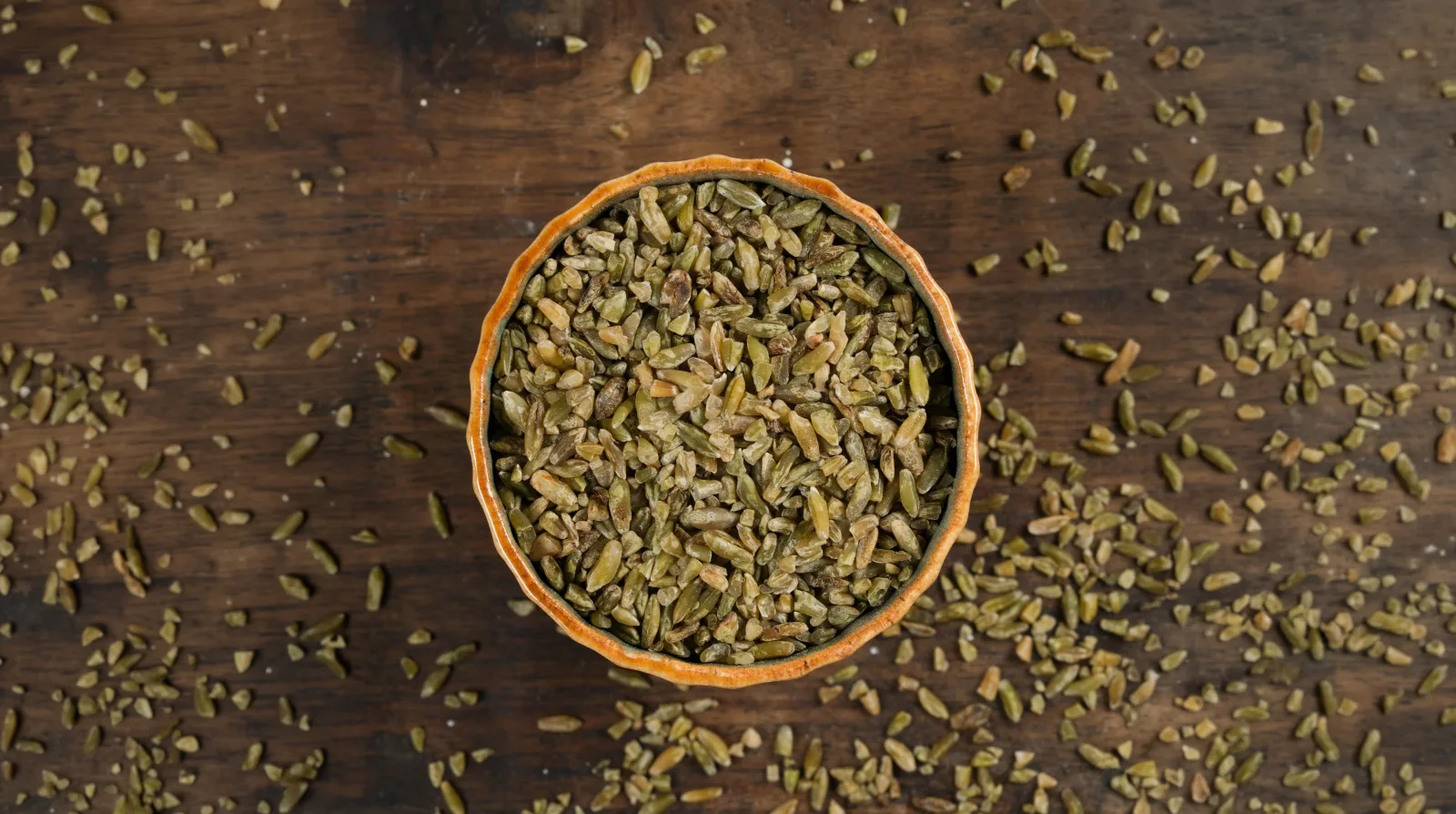
Another face of this ancient grain culture is firik: wheat harvested while still green and unripe, then roasted over fire. The smoky aroma of the roasted grain still lives on today in Antep's firik pilaf and soups. Grain products like bulgur and firik were flavors that filled the table in times when meat and vegetables were scarce, shaped by the region's agricultural rhythm; this is where Antep cuisine's genius for "making much out of little" begins.
The Reign of the Pistachio: How a Tree Gave the City Its Name
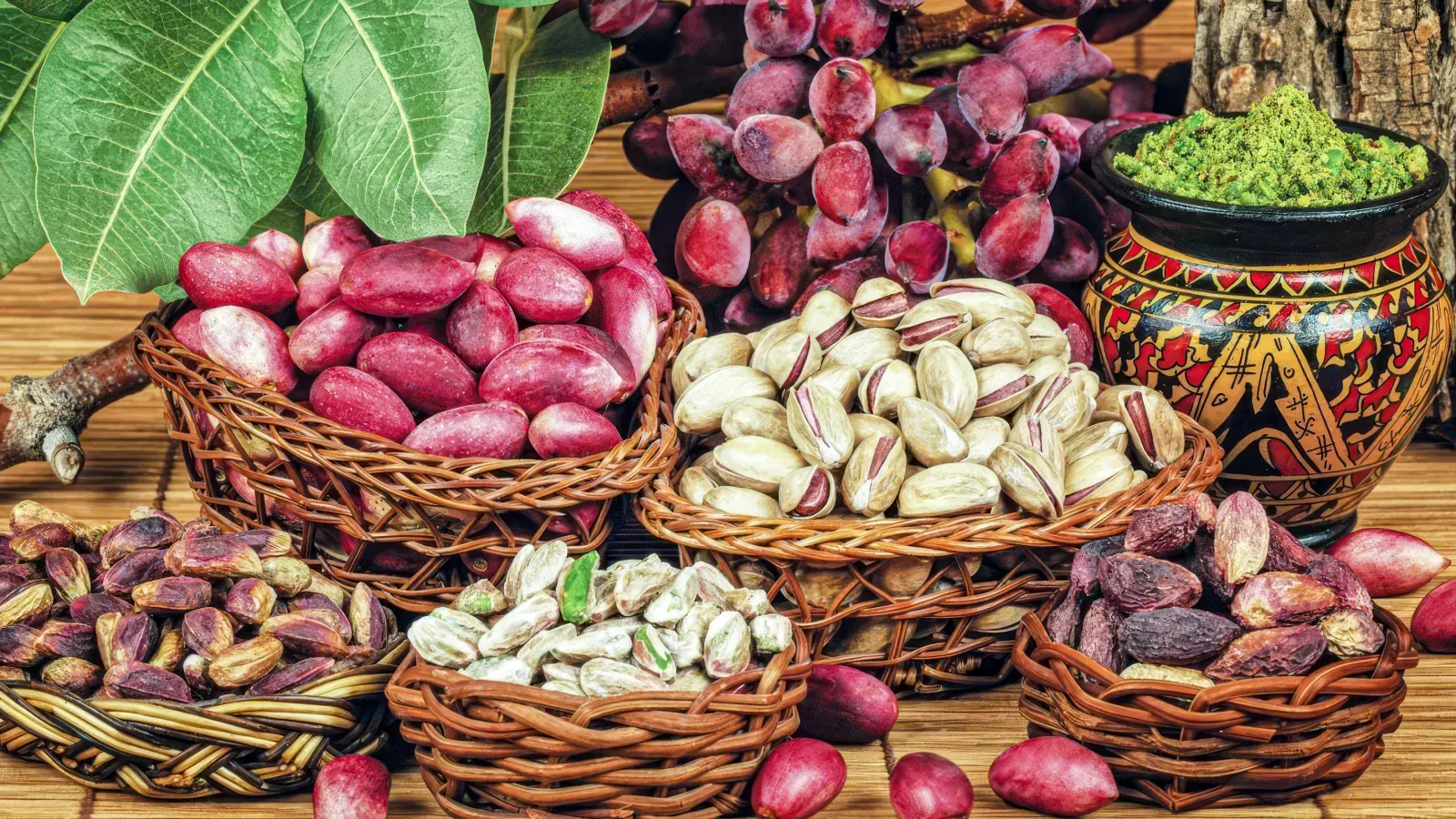
If there is a single ingredient that makes Gaziantep cuisine unique in the world, it is the Antep pistachio. The region's hot, arid climate and calcareous soil make an almost perfect home for this tree — so much so that the Turkish name for the pistachio comes directly from the city: "Antep fıstığı" (Antep pistachio). The small, emerald-green kernel harvested early in the area is called "boz iç," and it is this that is most prized in confectionery.
The history of pistachio cultivation in the region reaches back not hundreds but thousands of years; pistachio remains dating to the millennia before the Common Era have been found in excavations nearby. This long continuity has turned the pistachio from a mere crop into a cultural symbol. In Antep cuisine, the pistachio seeps in everywhere: it is the green heart of baklava, it is minced into the filling of kebabs, it is the sole ingredient of pistachio paste, and it even goes inside köfte. You can find the fuller story of this tree on our Antep pistachio page.
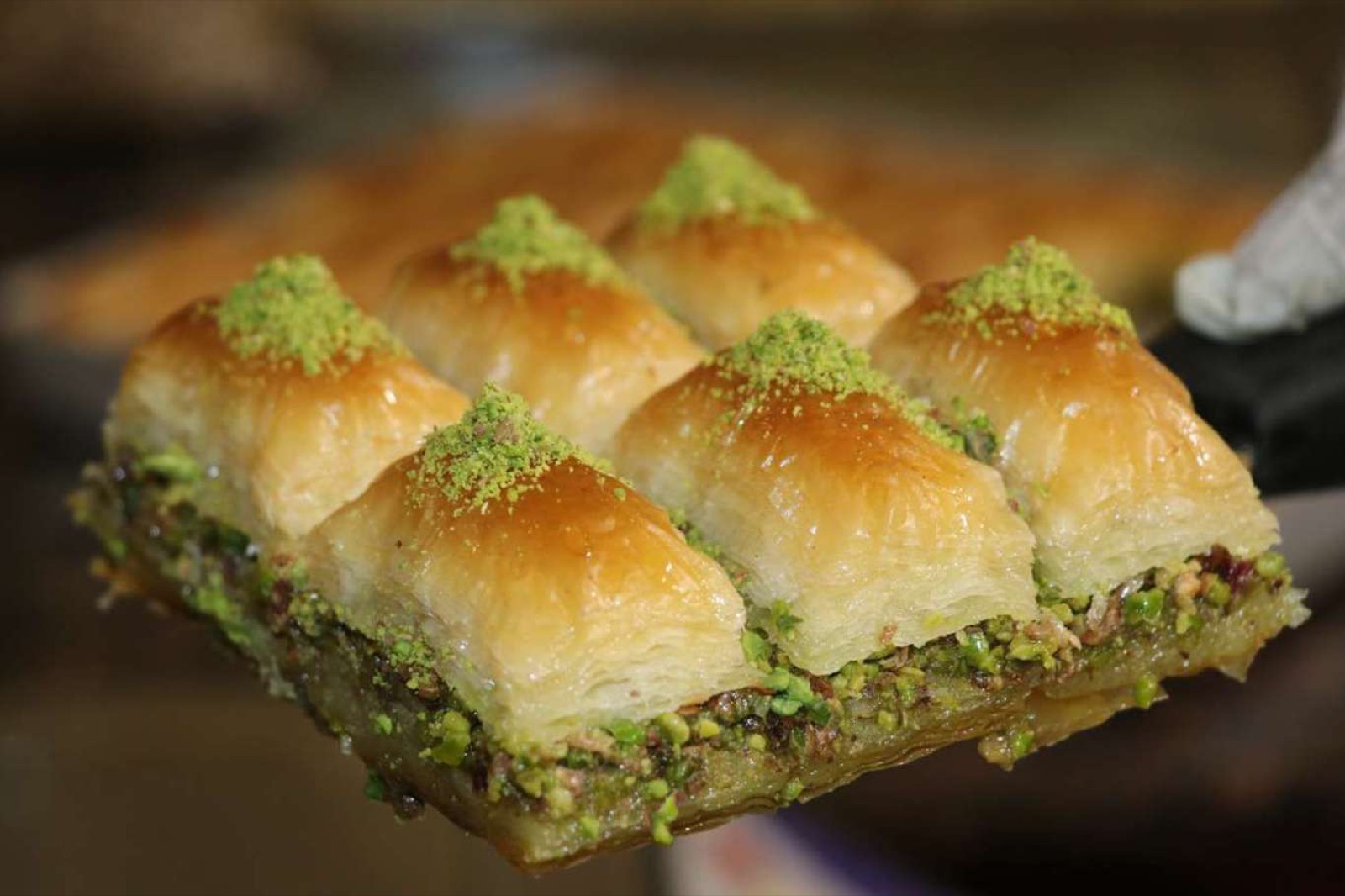
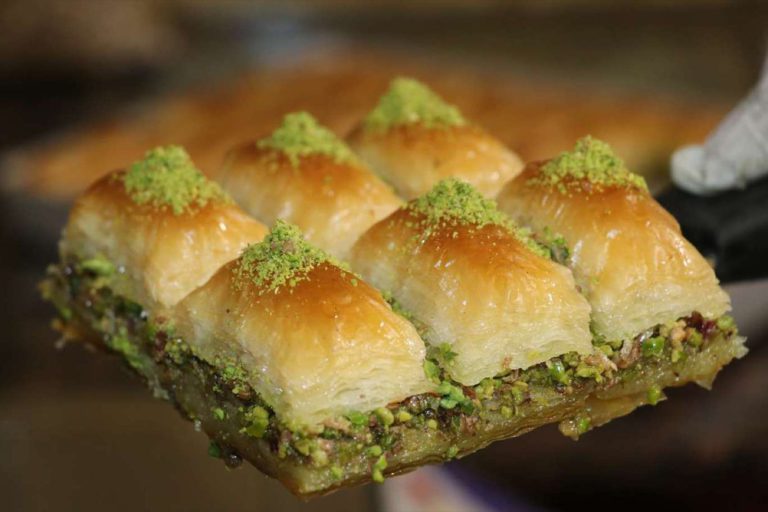
The pistachio's most magnificent stage is, without doubt, baklava. Dozens of paper-thin sheets of pastry, generous boz iç pistachios scattered between them, clarified butter, and a measured syrup — this is the peak of the centuries-old mastery Antep has built around the pistachio. Those curious about the pistachio's journey through the savory kitchen can look at our Gaziantep kebab guide, while those who wish to discover the world of sweets beyond baklava can turn to our Antep desserts article.
The Harvest: Grapes, Molasses, and a Sweet Memory
In Antep's flavor memory there is another vein as deep-rooted as grain and pistachio: grapes and pekmez (grape molasses). In ages before sugar became widespread, the region's vineyards produced the table's principal sweetener. After the grape harvest, the grapes were pressed and their juice boiled down into a thick, nourishing syrup (pekmez), and in this way the abundance of the season was carried into winter.
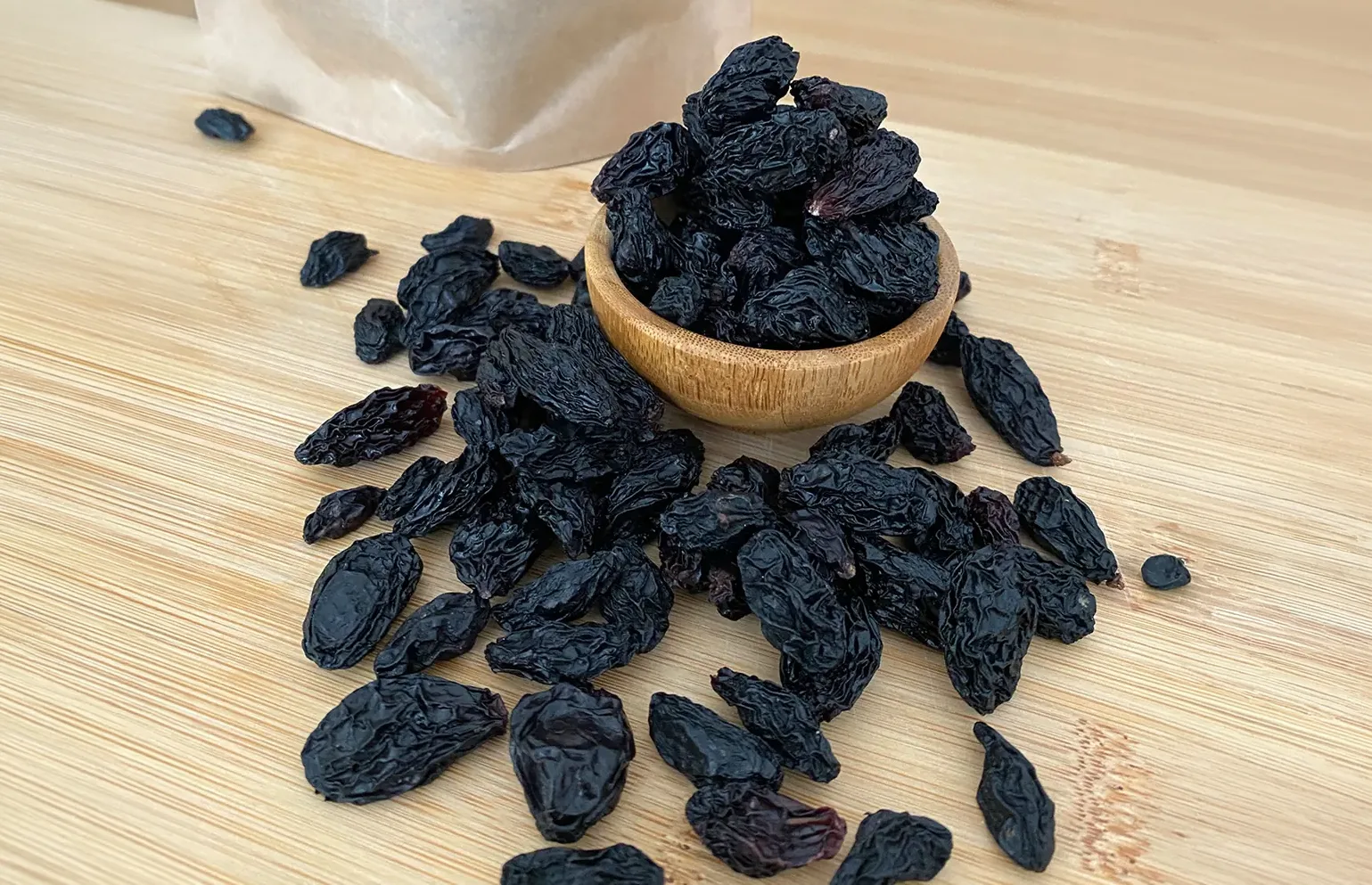
Pekmez culture gave Antep confectionery a whole new branch. Cevizli sucuk (walnut sausage) is its finest example: walnut halves are strung on a thread, dipped into a dense pudding made from grape molasses, and left to dry. Sweetening and souring liquids obtained from grapes and fruit — şıra (grape must), unripe-grape sourness, and pomegranate sour — also establish that balanced, gently tart character of Antep cuisine. To see all of these ingredients together, you can visit our raw materials and ingredients section.
At the Crossroads of the Silk Road: Spices, Peppers, and Paste
The most important factor that deepened Gaziantep's cuisine is the city's geographical position. For centuries, Antep stood at an important crossroads of the Silk Road, the route that linked East and West, the Mediterranean and Mesopotamia. The inns and caravanserais where caravans halted formed a lively exchange network through which passed not only silk and cloth but also spices, nuts, grain, and new cooking techniques. The city was a knot of trade, and so its cuisine, too, was a meeting point.
This crossroads position brought to the Antep table the flavors we now consider indispensable. Hot and sweet red pepper, sumac, thyme (zahter), mint, and many more spices defined the cuisine's color and aroma. But Antep did not simply take every ingredient as it came; it reinterpreted them according to its own climate and palate. Pepper paste is the finest proof of this.
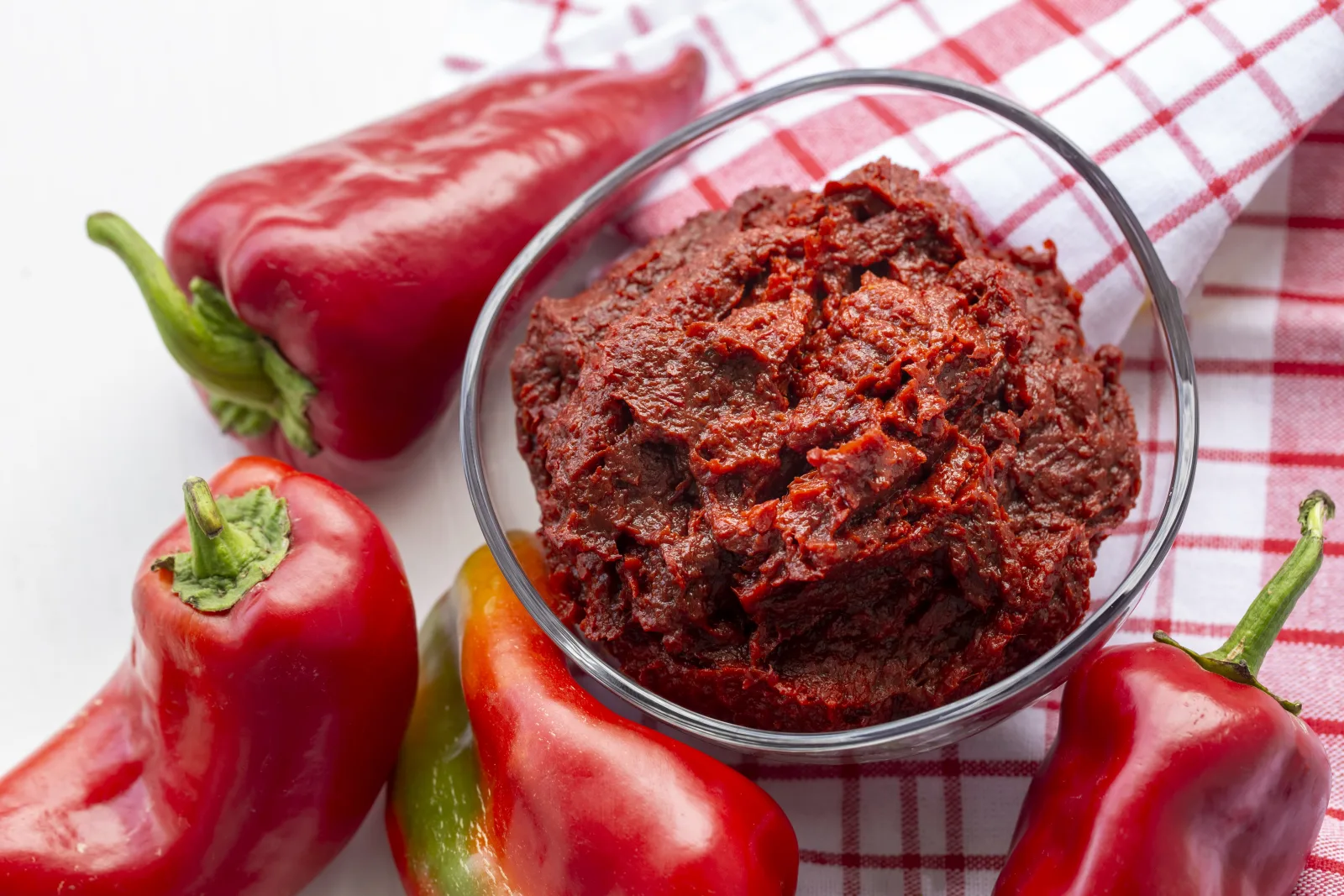
In Antep cuisine, pepper paste is almost as basic a flavor as salt. Red peppers ripened under the region's abundant sun are traditionally sun-dried and crushed into a dark, aromatic paste. This paste adds depth and color to the kebab mixture, to the base of a soup, to the kneading of köfte. Together with pepper paste, the pistachio, bulgur, and spices form the four cornerstones of Antep cuisine: the flavor that emerges when these four come together cannot be reproduced exactly anywhere else in the world.
A Table Built Layer by Layer: The Shared Heritage of Peoples
Gaziantep cuisine is not the product of a single culture; it is the shared memory at the table of peoples who lived here one after another. For centuries, different languages were spoken on this land, different festivals were celebrated, and each community left its own recipe and its own way of cooking on the table. The extraordinary variety of Antep cuisine — a richness that reaches hundreds of distinct dishes — is the result of this layered coexistence.
This is why on the Antep table you will find dozens of varieties of soup, köfte, and stuffed and wrapped vegetables. Laborious dishes reserved for festival mornings, such as yuvalama; hearty soups belonging to the pre-dawn and early hours, such as beyran; and ancient recipes demanding fine handwork, such as içli köfte, each represent a different branch of this polyphonic cuisine. Every one is tied to a particular season, a particular ceremony, a particular custom of sharing. Antep cuisine is the answer not only to the question "what is eaten," but also to the question "when, with whom, and on what occasion it is eaten."
From Registration to UNESCO: The Heritage Today
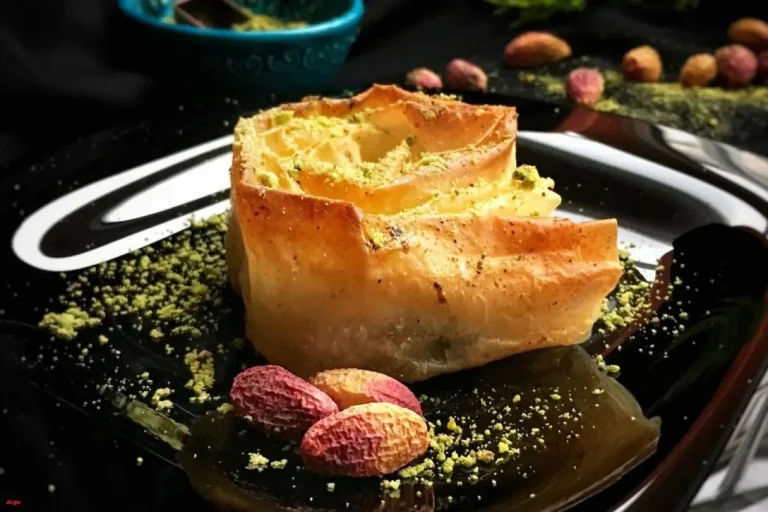
The present-day expression of this long journey is the registration of Antep cuisine at both national and international levels. Dozens of Antep flavors, their production methods and regional identities documented, have been placed under geographical indication protection; from baklava to katmer, from pistachio paste to kaymak, many products are registered in their own name with TÜRKPATENT (the Turkish Patent Office). These registrations safeguard not only the flavor of a recipe but also the geography it belongs to and its master-apprentice tradition.
The moment this accumulation was crowned came in 2015: Gaziantep was admitted to the UNESCO Creative Cities Network in the field of gastronomy, earning the title of "UNESCO City of Gastronomy." In its assessment, UNESCO emphasized that the city's gastronomic past lies at the center of its cultural identity and that its roots reach far back in time. We told the story of this title and Antep's identity as a gastronomic capital in detail in our UNESCO City of Gastronomy Gaziantep article.
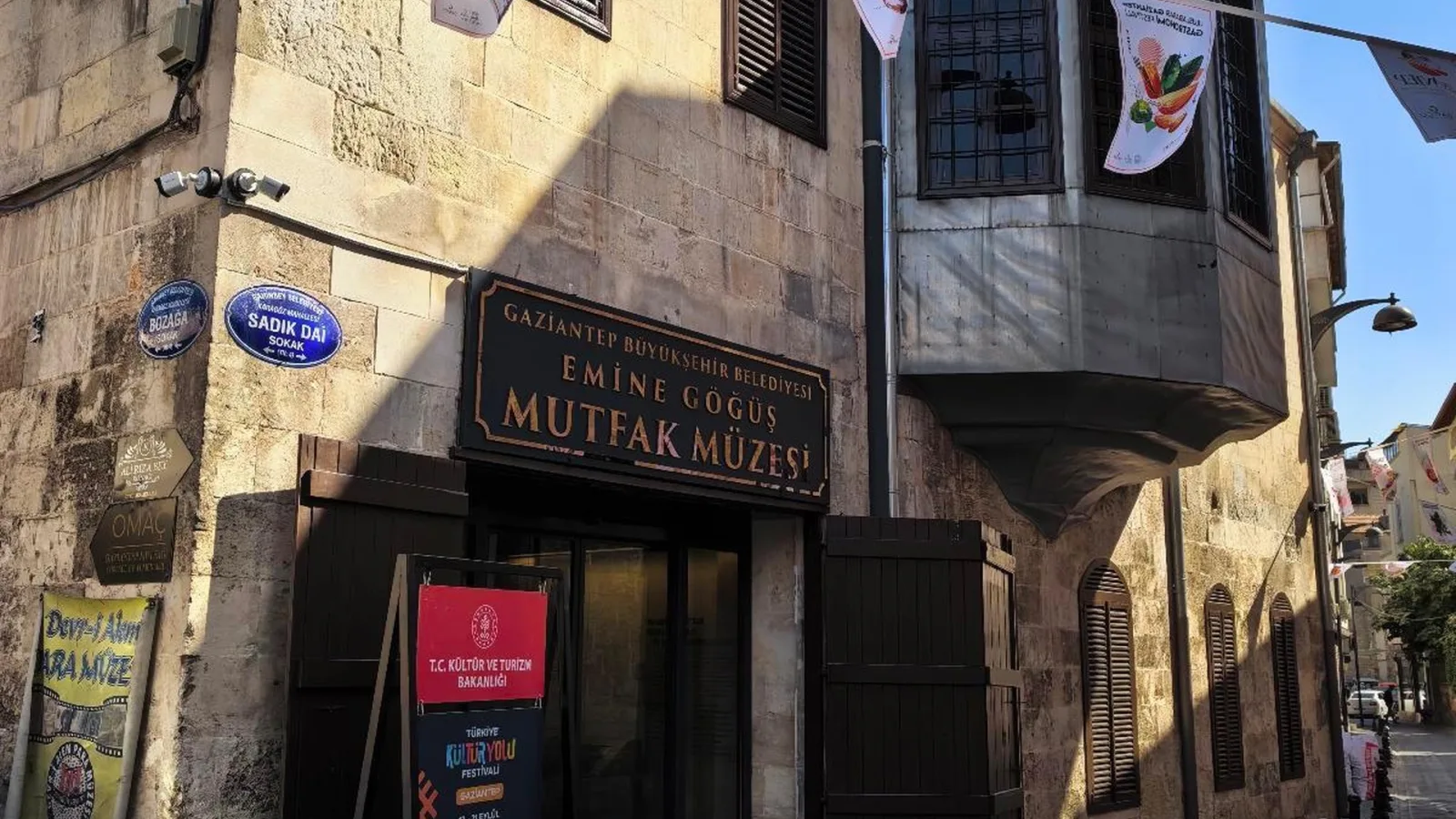
For those who wish to see the living memory of this heritage on-site, the city's museums are also a fine starting point. The Emine Göğüş Culinary Museum, where traditional culinary tools and table customs are exhibited, tells the history of Antep cuisine through tangible objects. Those who wish to tour the city's other museums as a route can turn to our Gaziantep museum route article, while those who want to explore the whole gastronomic world can look at our gastronomy guide.
Tasting Thousands of Years in a Single Bite
The history of Gaziantep cuisine is, in truth, a history of patience and continuity. The land where wheat was domesticated, the vineyards where the pistachio took root, the spices carried by caravans, and the palates of peoples who lived here one after another were all distilled at the same table over thousands of years. When you eat a plate of Antep food today, you are tasting not merely a delicious meal but an unbroken civilizational memory.
For those who wish to explore the city through its cuisine, Gaziantep can turn from beginning to end into a gastronomic route. If you are planning a short visit, our 48 hours in Gaziantep guide is a good point of departure; those who wish to see the culture and history stops interwoven with the cuisine together can set out from our culture guide.
Frequently Asked Questions
How old is Gaziantep cuisine?
It is not possible to give a precise age for individual recipes; however, Gaziantep is counted among the oldest continuously inhabited cities in the world, and the roots of agricultural life in the region reach back thousands of years before the Common Era. The phrase "6,000 years" is used to convey this ancient settlement and unbroken agricultural continuity: the fact that wheat, grapes, and pistachios have been grown on the same land for thousands of years has given the cuisine its continuity.
What are the basic raw materials of Antep cuisine?
Four cornerstones stand out: the Antep pistachio, bulgur (the ancient wheat tradition), red pepper, and pepper paste. To these are added the grape-pekmez culture, clarified butter, kaymak from water-buffalo milk, and spices that came to the region along the Silk Road. The coming together of these ingredients gives Antep cuisine a character unmatched anywhere in the world.
Why is the Antep pistachio so important?
The region's hot, arid climate and calcareous soil are almost perfect for the pistachio; the Turkish name "Antep fıstığı" (Antep pistachio) also comes directly from the city. The emerald-green "boz iç" kernel, harvested early in the area, is the most prized in confectionery. The pistachio is an inseparable part of baklava, pistachio paste, and many kebabs.
What is the Silk Road's influence on Gaziantep cuisine?
For centuries, Antep stood at an important crossroads of the Silk Road route that linked East and West. The inns where caravans halted formed a lively exchange network through which passed spices, nuts, and new cooking techniques. By reinterpreting the arriving ingredients according to its own climate and palate, the city created an original cuisine.
When did Gaziantep become a UNESCO City of Gastronomy?
Gaziantep was admitted to the UNESCO Creative Cities Network in the field of gastronomy in 2015, earning the title of "UNESCO City of Gastronomy." This title registered, at an international level, the city's deep-rooted culinary tradition and its structure that places gastronomy at the center of its cultural identity.
Why are there so many kinds of dishes in Antep cuisine?
Because Antep cuisine is the shared heritage not of a single culture but of communities that lived here one after another. Each community left its own recipe and cooking habit on the table; hundreds of distinct dishes tied to seasons, ceremonies, and customs of sharing emerged as the result of this layered coexistence.