Gaziantep is one of the richest cities in Türkiye when it comes to the sheer number of museums, and most of them are gathered in the historic neighborhoods that ring the castle, within easy walking distance of one another. That density gives a well-organized visitor the rare chance to fit nine museums into a single day. In this guide you will find a logical, geography-driven route: a morning spent on foot along the stone streets below the castle, and an afternoon reserved for two large museums in the city's newer center, reached by a short drive. The distances are short and the transitions feel natural, with the breaks in between offering a chance to catch your breath over Gaziantep's food and its streets.
The Logic of the Route: Historic Center First, New City Second
Gaziantep's museums fall into two main clusters. The first is the historic-center cluster, tucked into the narrow stone streets and old Antep mansions of the Bey, Eyüboğlu, and Karagöz neighborhoods that surround the castle. Because nearly all of these museums sit just a few hundred meters apart, it is entirely possible to spend the whole morning walking from one to the next. The second cluster consists of the larger-scale museums in the newer center to the city's northeast, toward İncilipınar and Mithatpaşa; these are best reached by car or a short minibus ride.
The route in this guide follows exactly that geography: in the morning we cover seven museums in the historic center on foot; in the afternoon we visit two large museums in the new city by car. This keeps needless back-and-forth out of the day and balances the fatigue. If you want to adjust the pace to your own liking, never skip the castle and panorama at the top of the list or the Zeugma Mosaic Museum at the very end; the mansion museums in between can be trimmed according to your interests. To see the city's full cultural map, you can browse our museums page and our culture guide.
Morning: A Walking Route Below the Castle
Beginning the day at the city's highest and most iconic point, the castle, lets the route flow naturally from the top down and gives you the widest possible view of Gaziantep's history. We recommend heading up to the castle early, before the crowds gather.
1. Gaziantep Castle and Defense Museum (around 09:00)
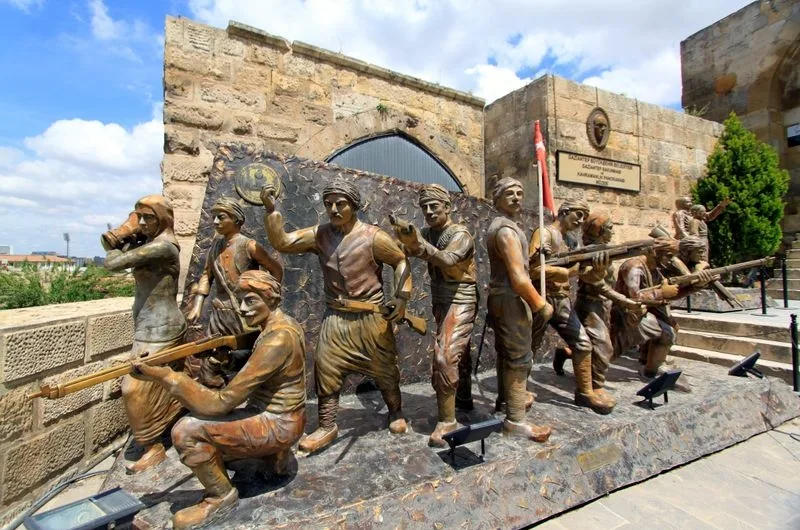
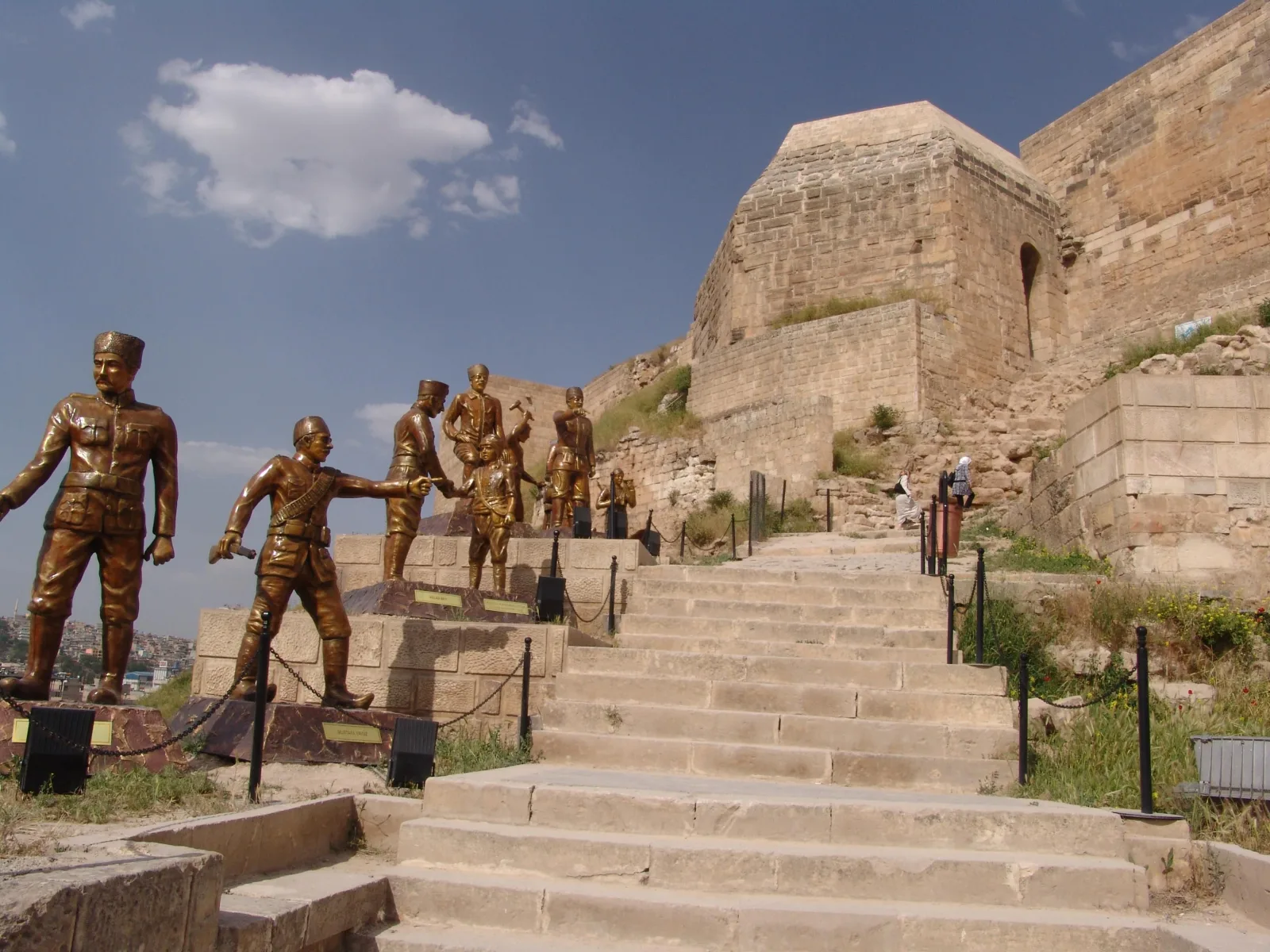
The route begins at the castle, which rises on a mound that commands the city center. The hill, whose foundations reach back to the Chalcolithic age, took shape as a Roman watchtower and acquired its monumental form under the Byzantine emperor Justinian I, in the 6th century AD. Inside the castle stands a Heroism Panorama Museum that brings the 1920–1921 Defense of Antep to life; a single hill thus carries both an ancient defensive architecture and the memory of a resistance from a century ago. For more detail on the castle's historical layers and the museum within it, see our Gaziantep Castle and Defense Museum page.
What you see here connects directly with the national-struggle museums you will visit later in the day. If you are curious about the complete story of the Defense of Antep and the War of Independence, our War of Independence page deepens this tale of heroism.
2. Panorama December 25 Museum (around 10:00)
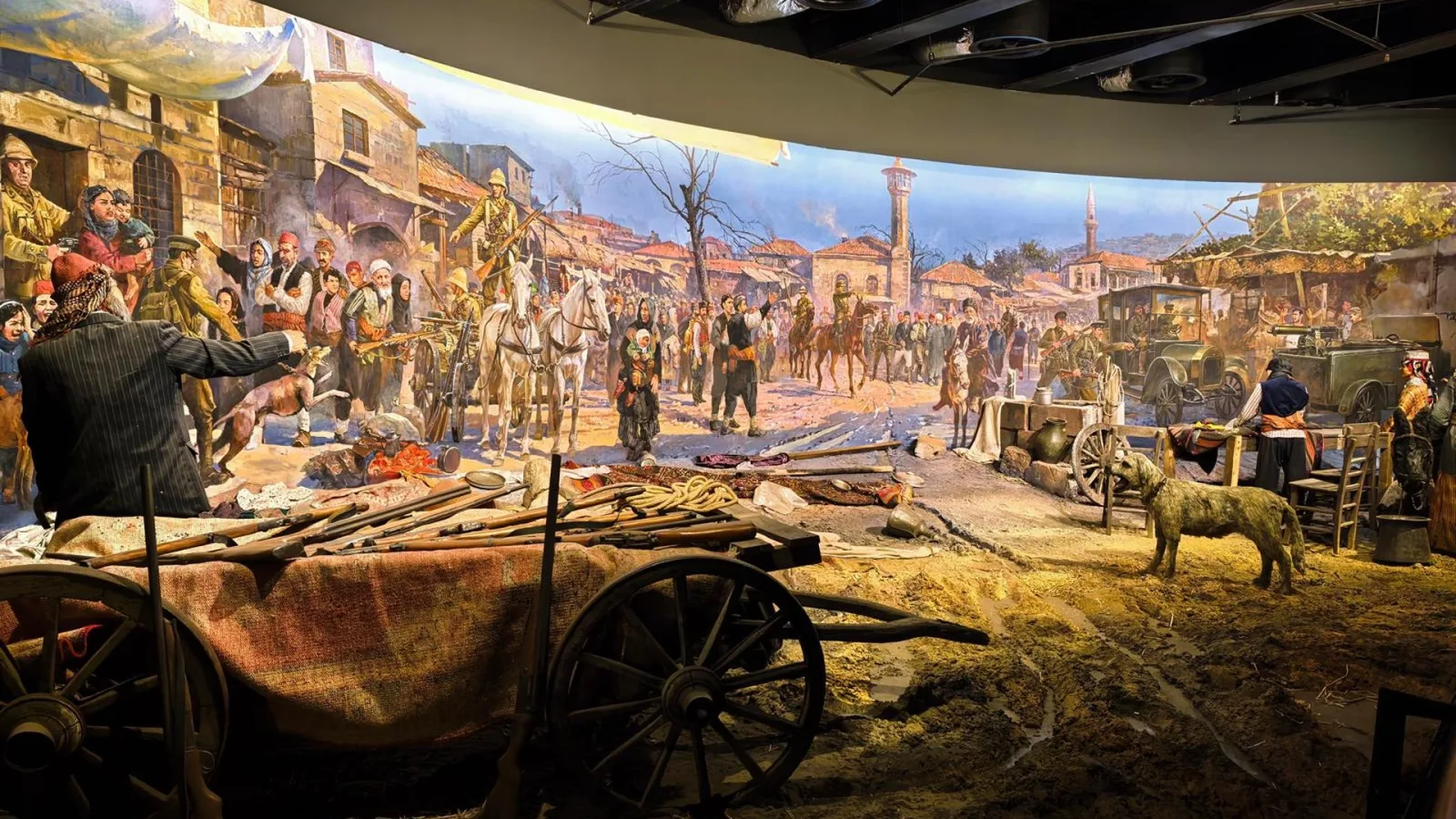
Coming down from the castle, a short walk brings you to the Panorama December 25 Museum, housed in the historic Ayntâb Reserve Depot building right beside the castle. This is a heroism museum that opened in 2020, recounting the 1920–1921 Defense of Antep through a giant 120-meter-long panoramic painting, dioramas, and period documents. The "December 25" in its name refers to the day the city was liberated from occupation. Rather than a single moment of battle, the museum turns the whole of a months-long resistance into one uninterrupted visual narrative. For the museum's design and the details of its enormous panorama, take a look at our Panorama December 25 Museum page.
3. Bayazhan Gaziantep City Museum (around 11:00)
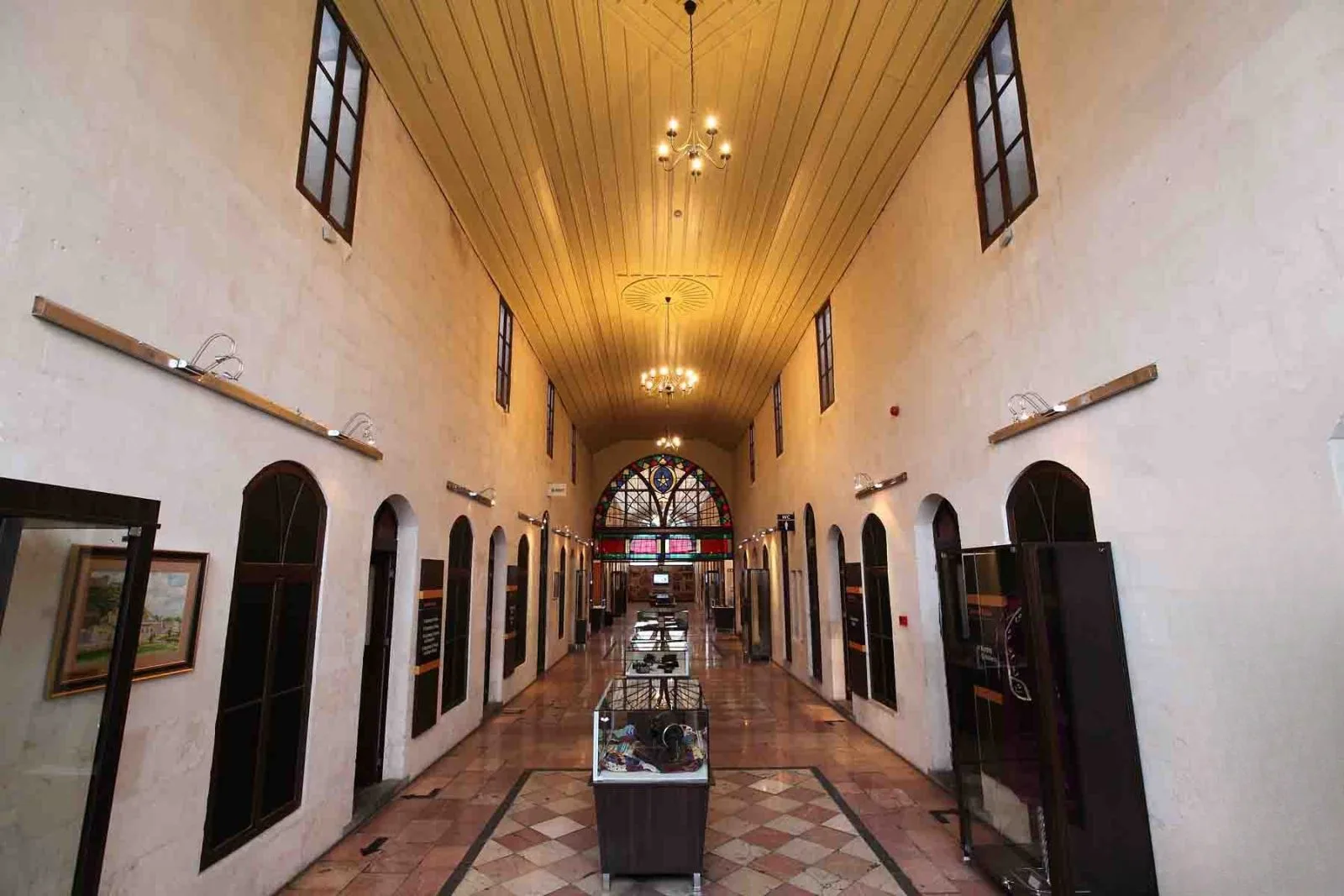
On the road that descends from the castle toward the historic bazaar, the City Museum greets you inside Bayaz Han, a tobacco han completed in 1909. Restored by the Gaziantep Metropolitan Municipality and turned into a museum in 2009, this space gathers the city's history, economy, crafts, cuisine, and natural beauty under a single roof. With its audio guide, documentary films, and mannequin reenactments, it offers something like a small preview of the entire city, which makes it one of the most illuminating stops of the day for a first-time visitor to Gaziantep. You can find out more about the museum's sections on our Bayazhan City Museum page.
4. Gaziantep Hamam Museum (around 12:00)
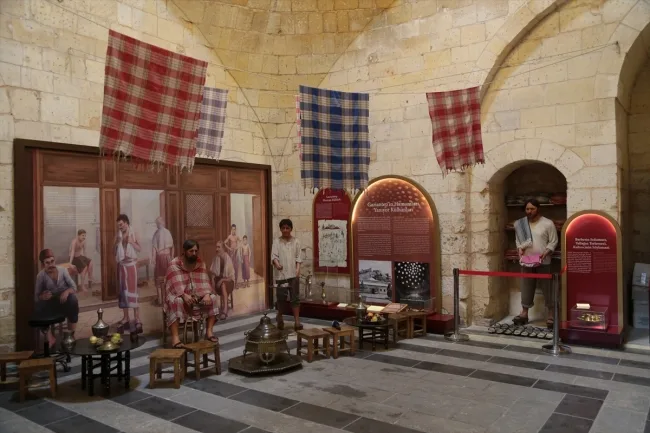
In the historic center, this is a thematic museum set inside the 16th-century Paşa Hamamı. Built according to its endowment deed in 1577 as the bath unit of a complex commissioned by Lala Mustafa Pasha, the building served for centuries as a working Turkish bath before being restored and converted into a museum in 2015. Preserving the authentic architecture of an Ottoman bath through its cold, warm, and hot rooms, the museum brings traditional bath customs to life with wax figures and models. To see Antep's bath culture in detail, take a look at our Hamam Museum page.
By the time you reach midday, the kebab houses and dessert shops inside the historic bazaar are right at hand for a short break. If you would like to explore this neighborhood at a relaxed pace, our 48 Hours in Gaziantep guide offers tips that will come in handy while you wander the historic center.
5. Saklı Konak Copper Works Museum (around 13:30)
We continue into the afternoon in an Antep mansion almost hidden away in the narrow streets of the bazaar. The Saklı Konak Copper Works Museum displays more than a thousand copper pieces brought together by collector Ali Atalar; most of the plates, ewers, cauldrons, bowls, and pitchers came from the hands of coppersmiths who lived in the Ottoman era. Built from a private collection, this museum offers a tangible view of Gaziantep's deep-rooted coppersmithing tradition and connects directly with the craft still practiced in the nearby historic Coppersmiths' Bazaar. For details of the collection, you can explore our Copper Works Museum page.
6. Hasan Süzer Ethnography Museum (around 14:15)
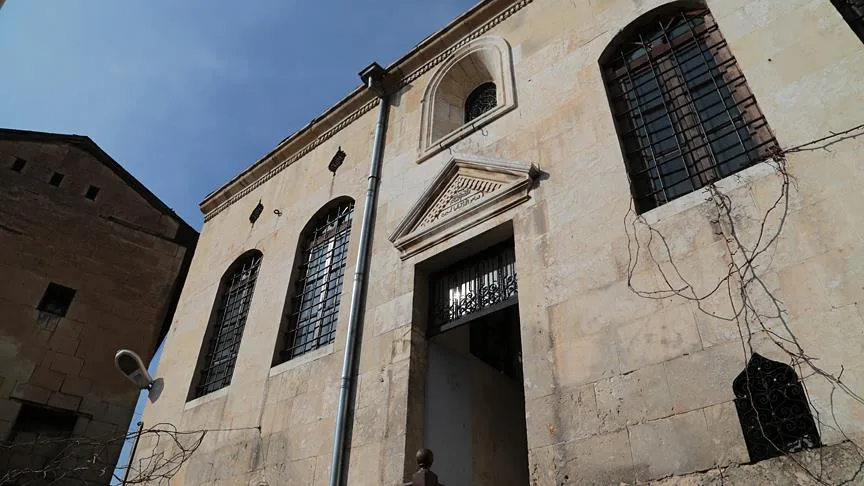
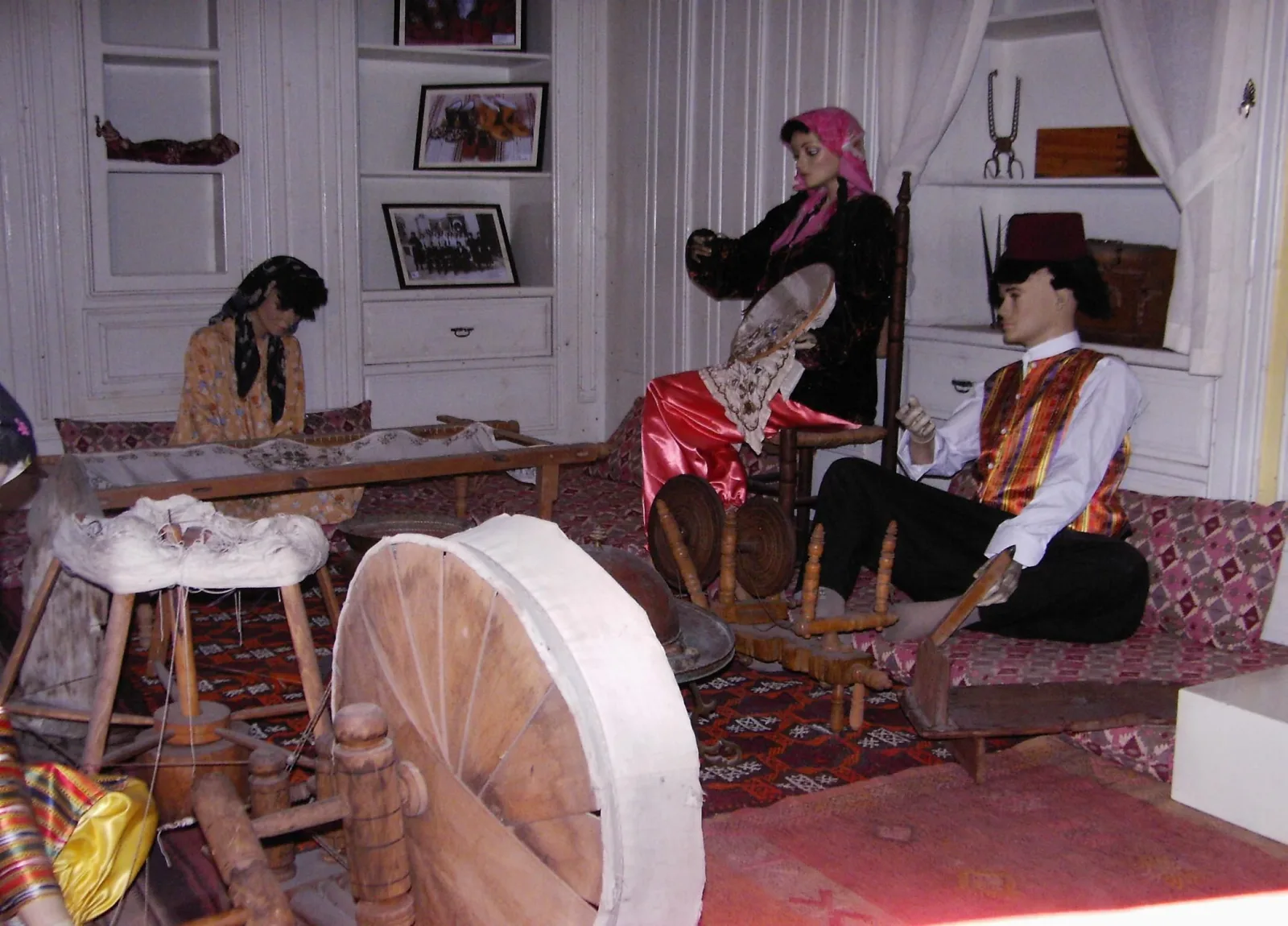
Set in a traditional Antep mansion dating to the early 1900s in the Bey neighborhood, this museum recreates old Antep home life through mannequin scenes. The once-derelict historic house was purchased in 1985 by Gaziantep businessman Hasan Süzer, faithfully restored, and donated on the condition that it be used as an ethnography museum. The museum shows the life of an Antep mansion as a whole, from weaving to baking bread, from welcoming guests to everyday household chores. To get to know the mansion's rooms and scenes in detail, you can visit our Hasan Süzer Ethnography Museum page.
7. Emine Göğüş Culinary Museum (around 15:00)
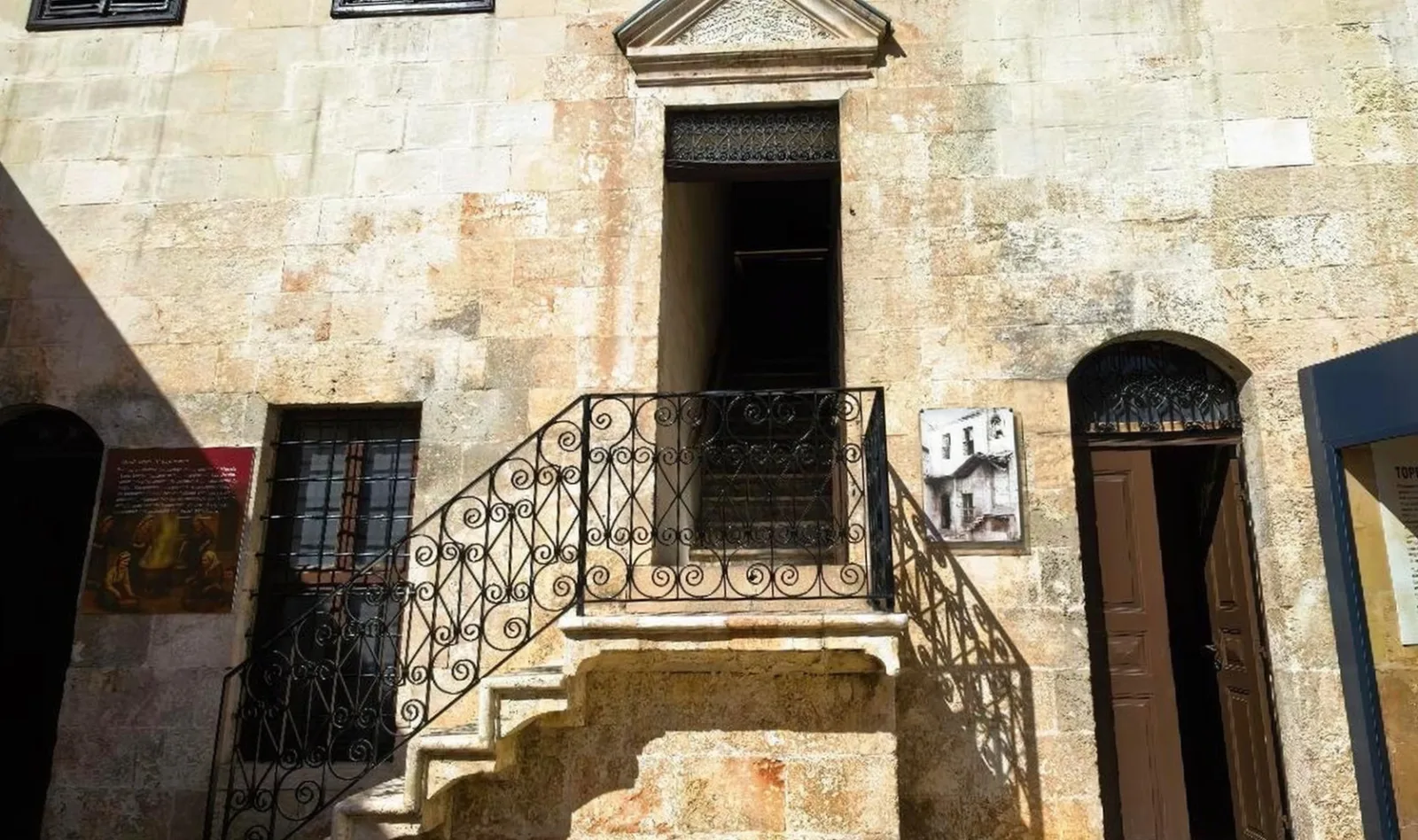
The last stop of the walking cluster in the historic center is the Emine Göğüş Culinary Museum, which opened in 2008 in the historic Göğüş Mansion south of the castle and is remembered as Türkiye's first culinary museum. The museum tells the story of Gaziantep's world-famous food culture through wax mannequins and traditional tools, showing not only what the city ate but how it prepared, preserved, and ritualized its food. In this sense it gathers in one place the centuries of accumulated knowledge behind Gaziantep's admission to the UNESCO Creative Cities Network in the field of gastronomy in 2015. For the details of this culinary culture, you can visit our Emine Göğüş Culinary Museum page.
Afternoon: Two Great Museums in the New City by Car
After completing the walking cluster in the historic center, we move in the second half of the day to the city's newer center, toward İncilipınar and Mithatpaşa. Since these two large museums are close to each other, a short trip by taxi or minibus is the most practical way to get there. The drive from the historic bazaar takes about 10–15 minutes.
8. Gaziantep Archaeology Museum (around 16:00)
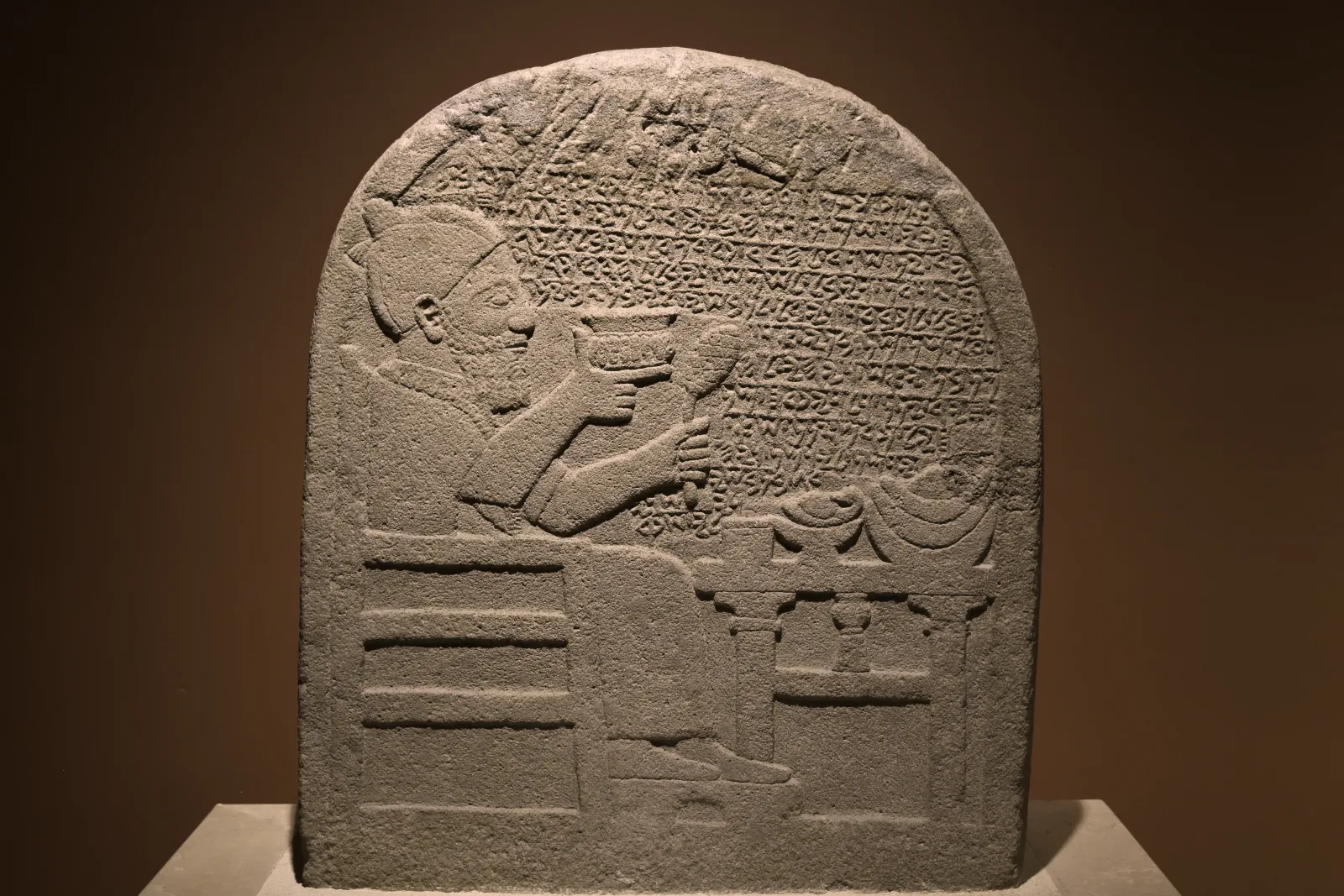
On İstasyon Avenue in the İncilipınar neighborhood, the Archaeology Museum is the city's oldest-established museum. Its founding work began in 1944, and the growing collection settled into its current building in 1969. After the Zeugma mosaics were moved to a separate museum in 2011, this institution took on its true identity as the region's core archaeology museum, spanning from prehistory to the Ottoman era. With its unbroken chronology beginning in the geological ages, it lays a historical foundation for the Zeugma mosaics you will see right afterward. For the scope of the collection, you can take a look at our Gaziantep Archaeology Museum page.
9. Zeugma Mosaic Museum (around 17:00)
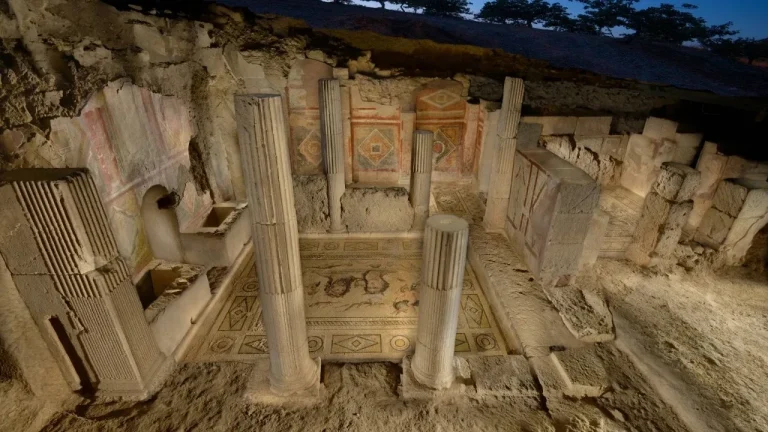
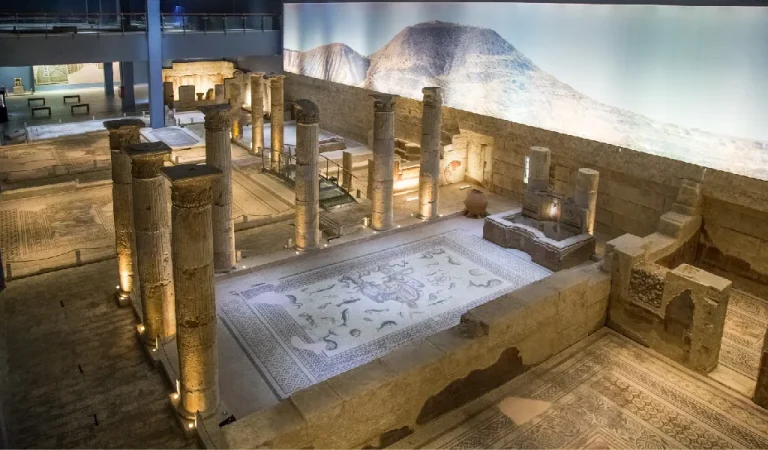
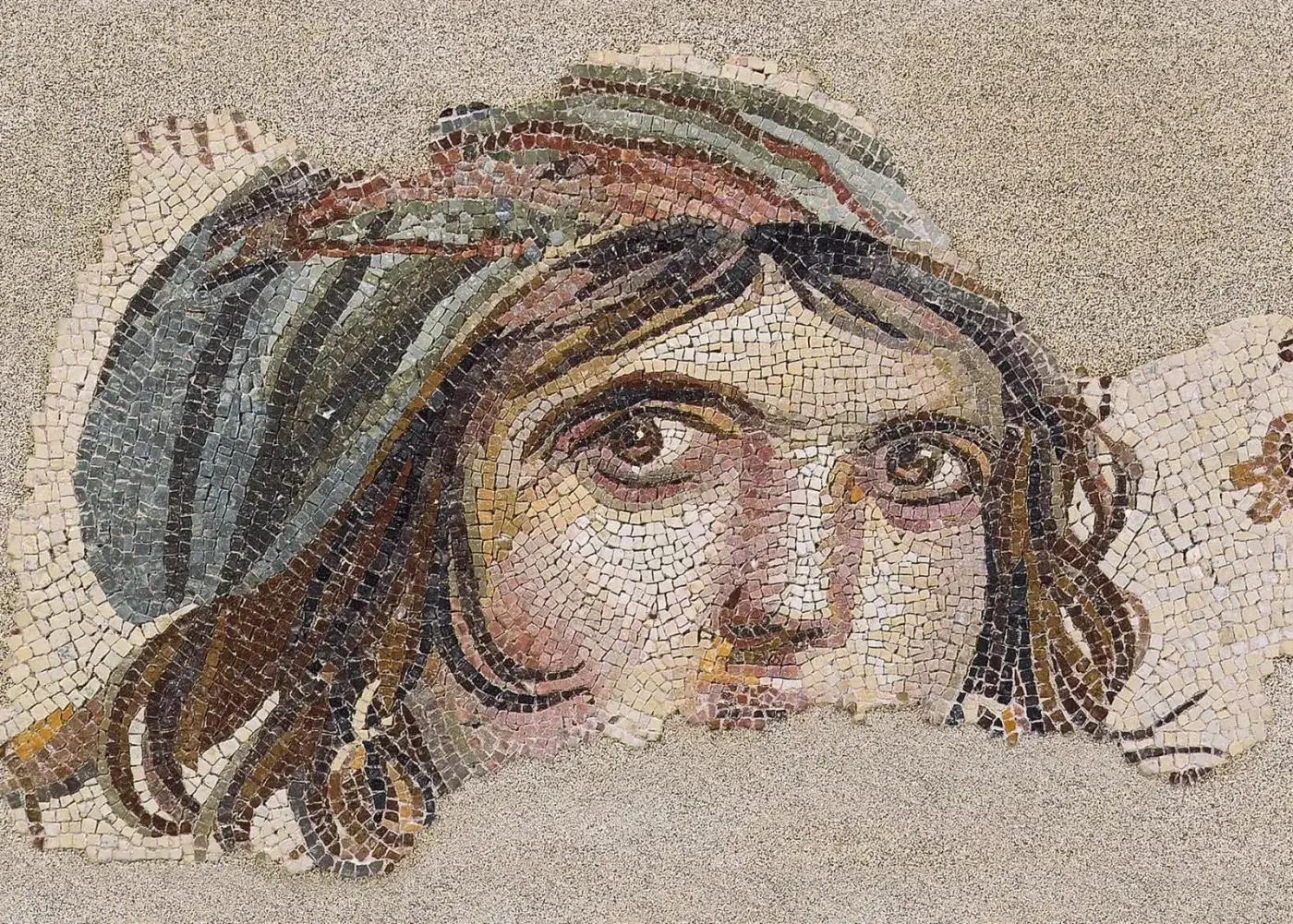
The finale of the day is the Zeugma Mosaic Museum, home to one of the world's most comprehensive collections of Roman mosaics, which opened on September 9, 2011. Here are gathered the floor mosaics lifted through rescue excavations from the ancient city of Zeugma on the banks of the Euphrates, before it was submerged beneath the waters of the Birecik Dam. The museum's most famous work is the mosaic of a Maenad's head, known as the "Gypsy Girl"; because it was made with a three-quarter gaze technique, it meets the viewer's eyes from whatever angle you look at it. You can find the story of each mosaic and the museum's design on our Zeugma Mosaic Museum page.
If you are curious to go deeper into the Gypsy Girl's mythological background, the secret of the three-quarter gaze, and the story of the mosaic's discovery, our Zeugma guide article focuses on this single work. And for those who want to see the ancient city these mosaics came from and the other ancient settlements around it in person, our tour of the Zeugma, Dülük, and Yesemek ancient cities is an ideal continuation route for a separate day.
Stretching the Route: If Time Remains or on Another Day
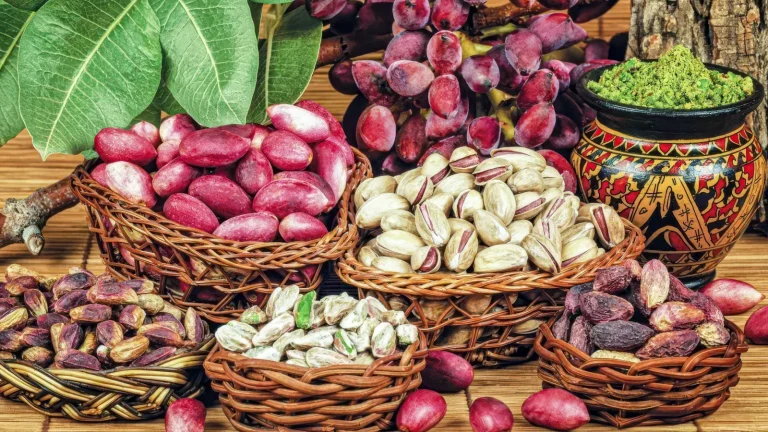
This nine-museum program makes for a full day; if you want to ease the pace, you can skip one of the mansion museums in the historic center and add a thematic museum that catches your interest instead. In the city, the Şahinbey National Struggle Museum near the castle, along with the Atatürk Memorial Museum and the Game and Toy Museum in the Bey neighborhood, are nearby stops that can easily be added to the morning cluster. Thematic venues such as the Pistachio Museum dedicated to Antep pistachios, the Baklava Museum, and the Museum of the History of Islamic Science make strong options for a second day.
Whichever museums you choose, Gaziantep's museums say the most when they are read not one by one but as a complementary narrative: the history that begins at the castle opens onto craft in the bazaar, everyday life in the mansions, and finally an ancient world in the hall of Zeugma. You can reach all of the city's museum and ancient-city guides through our museums page and our ancient cities page.
Frequently Asked Questions
How many museums can you visit in a day in Gaziantep?
With a well-planned program, you can comfortably visit nine museums in a single day. The secret is that most of the museums are gathered within walking distance of one another in the historic neighborhoods below the castle; only the last two large museums require a short trip by car.
Which museum makes the most sense to start the route with?
To take in the city and its history from the widest angle, it makes the most sense to begin the day at the Gaziantep Castle and Defense Museum. The castle is both the highest point of the route and a place that lays out at a single glance the themes of history, defense, and everyday life you will see throughout the rest of the day.
Are the museums in the historic center really within walking distance of each other?
Yes. The castle, Panorama December 25, Bayazhan City Museum, Hamam Museum, Copper Works Museum, Hasan Süzer Ethnography Museum, and Emine Göğüş Culinary Museum are all located in the historic neighborhoods surrounding the castle, most just a few hundred meters apart. The entire morning can be spent walking within this cluster.
Is the Zeugma Mosaic Museum close to the historic center?
The Zeugma Mosaic Museum is in the new city center, about 10–15 minutes northeast of the historic bazaar. That is why it is best to place it at the end of the route, in the afternoon cluster reached by car; visiting it together with the Archaeology Museum in the same area saves time.
Which museum holds the Gypsy Girl mosaic?
The Maenad mosaic known as the "Gypsy Girl" is exhibited at the Zeugma Mosaic Museum. Unearthed during rescue excavations at the ancient city of Zeugma, this work is the museum's most famous piece and greets you at the finale of the route.
Where can I find current information before visiting the museums?
Because opening and closing hours and admission conditions can change over time, we recommend confirming the latest information through the relevant museum's official channels before your visit. For the history and content of each museum, you can consult the relevant museum pages on our site and our museums guide.