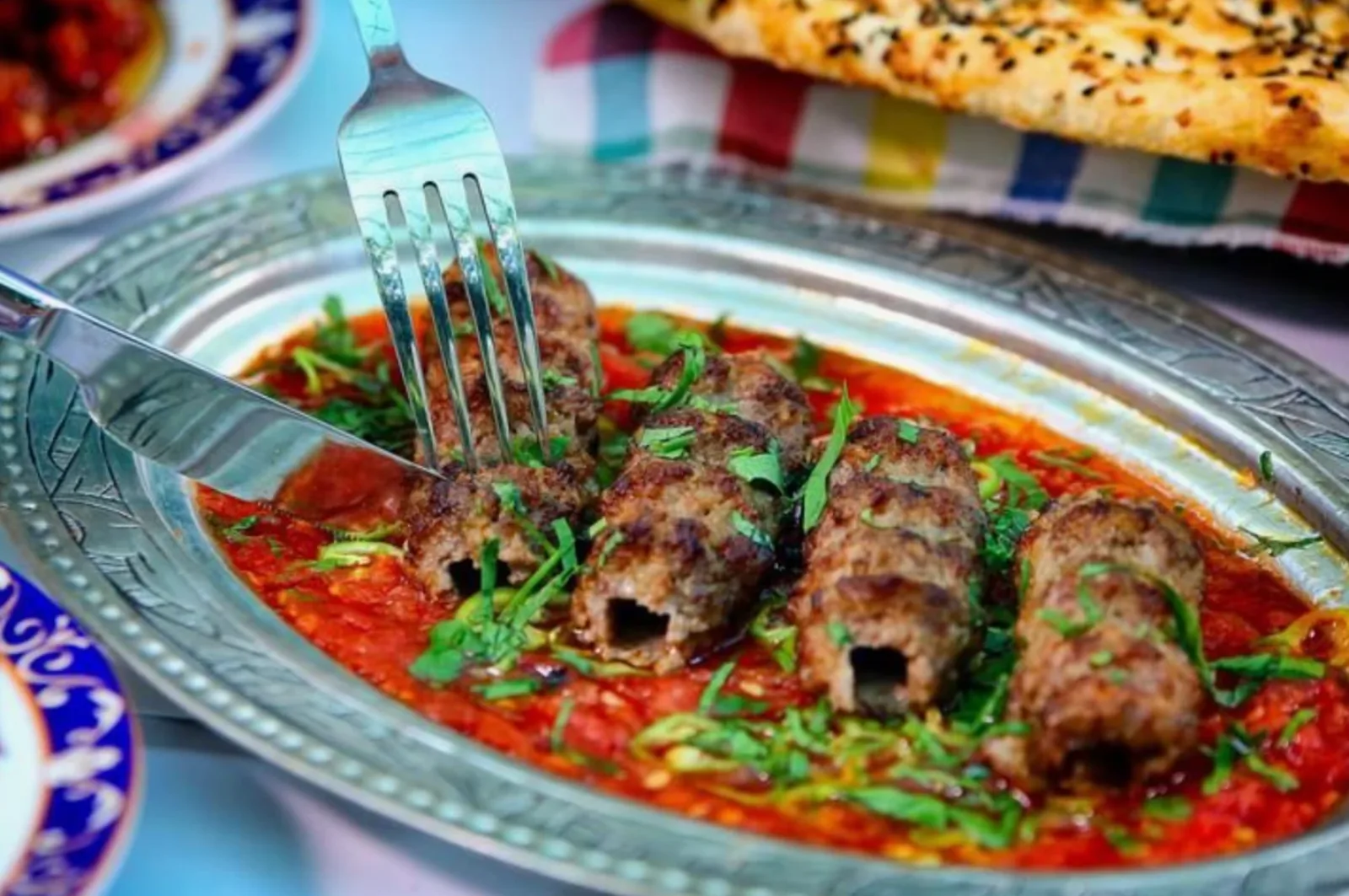
In Gaziantep, "kebab" is not the name of a single dish but of an entire culture. From the quality of the meat threaded onto the skewer to the way the embers are managed, from the charred vegetables served alongside to the ayran and the şalgam juice, this is a table where every detail is set with craft — and dozens of kebab varieties live within it. From the seventeen Antep kebabs featured on our site, we have chosen five signature kebabs that reveal the city's kebab culture from its most distinct angles. Each one carries a different technique, a different season and a different character; together, these five show how Gaziantep balances meat with fire, with vegetables and with tang, all in one place.
There is a simple logic to why we narrowed the list down to five rather than ten: the Antep kebab repertoire is so vast that merely counting the minced-meat kebabs alone could wear a reader out. Instead, we chose kebabs cooked with entirely different techniques — one where pistachios are worked into the mince, one that brings charred eggplant together with yogurt, one that cooks the meat and the vegetable on the same skewer, one that steeps onion in pomegranate molasses, and one that cooks offal to perfection over the embers. This way, five plates let you see five separate faces of Antep cuisine. For those who want to explore further, you can find the full selection on our kebabs page.
Gaziantep's Kebab Culture: The Balance of Meat, Embers and the Table
The first thing that sets a Gaziantep kebab apart from the kebabs of other cities is the meat itself. Here the meat is usually chopped by hand rather than by machine, using a wide, heavy blade called a zırh; this technique gives the mince a grainy, full-bodied texture that a machine can never produce. The second is the fire: the Antep master cooks not over open flame but over the fierce embers that remain after the flame has passed — meaning the meat is not scorched but seared shut. The third is balance — a kebab never arrives on its own.
At the Antep table, a plate of kebab is almost always accompanied by the same companions: charred tomatoes and peppers, plenty of thin yufka or pide bread, onion-and-parsley dressed with sumac, a glass of ayran and, especially in the winter months, şalgam juice (a tangy fermented turnip drink). This simple but deliberate surround lightens the fat of the meat, completes the smokiness of the embers and balances every bite. It is precisely this integrated table culture that lies behind Gaziantep's admission to the UNESCO Creative Cities Network for gastronomy in 2015. For those curious to delve into the city's culinary memory, the Emine Göğüş Culinary Museum is a good starting point to see how this tradition has been passed down from one generation to the next.
Now let us look, in turn, at the five kebabs that best represent this culture. And if you would like to discover Antep cuisine as a whole, our gastronomy page is the doorway to every category.
1. Pistachio Kebab: Where the Pistachio Crosses from Sweet to Savory
Pistachio Kebab
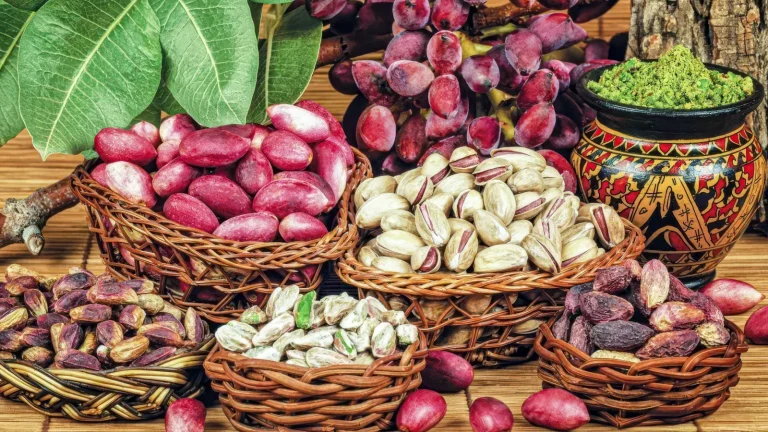
In most kitchens the Antep pistachio is a dessert ingredient — the crown of baklava and of pistachio paste. In Gaziantep, however, pistachios are abundant enough to become a meat component that goes straight into the kebab mixture. Pistachio kebab is precisely the savory expression of that abundance: lamb mince with a balanced fat ratio is blended with coarsely chopped fresh Antep pistachios and cooked on the skewer or in the oven at a measured heat. The pistachio is not a garnish scattered on top; blended into the mixture, it works its way into the texture of the meat, releases its oil as it cooks, and gives the kebab a rich, faintly sweet depth found in no other kebab.
The trick of the technique is to leave the pistachios coarse. Pistachios ground as fine as flour burn easily over the embers and lose their sweet aroma; coarse pieces, on the other hand, are felt bite by bite and keep their flavor. For this reason pistachio kebab is cooked not over a high flame but at a measured heat that will not turn the pistachios bitter. You can find the technique, the world of ingredients and the origin of this showpiece dish of guest tables and celebrations, told in full, on our pistachio kebab page.
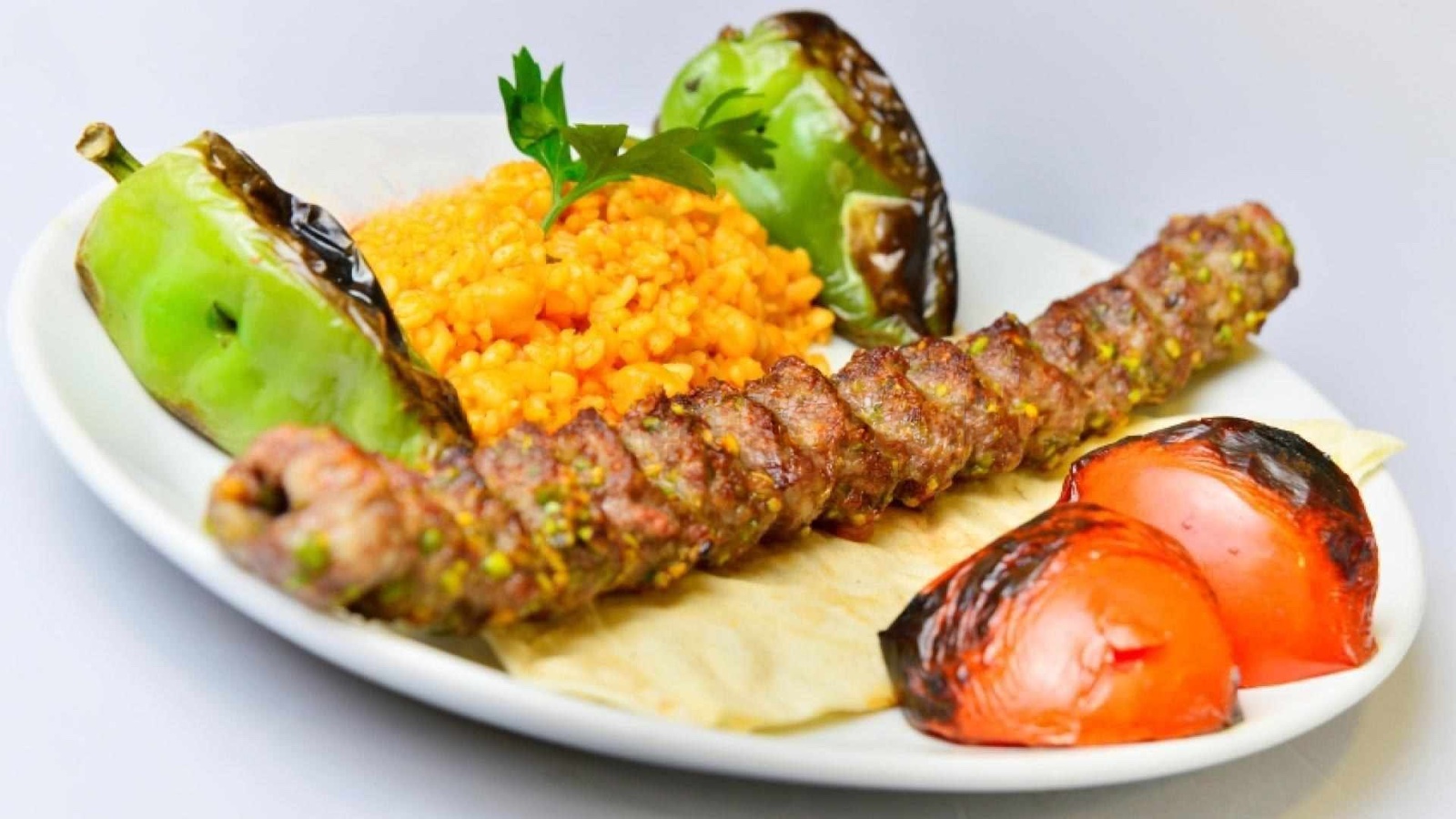
2. Ali Nazik: Three Layers of Embers, Yogurt and Meat
Ali Nazik Kebab
Ali Nazik — known locally as Alenazığı — is one of the most elegant dishes in Antep cuisine, and one of the rare kebabs "not built on the grill." The body of the plate is formed not by fire but by a bed where charred eggplant meets strained garlic yogurt; over this is drawn lamb chopped with the zırh or cut into cubes, and melted butter is poured on top. In a single spoonful, warm yogurt, the smoky eggplant of the embers and the fat of the hot meat come together. The signature taste is that of the embers; oven-baked eggplant cannot give this aroma.
The fine detail of the technique is to warm the yogurt-and-eggplant bed slightly over the stove; otherwise the hot butter poured over it will set within seconds. In the traditional preparation, Araban garlic is added to the yogurt. The dish received Geographical Indication registration (Mahreç İşareti) from TÜRKPATENT in 2021, its official registered name being "Gaziantep Alenaziği / Antep Alenaziği"; the widely used name "Ali Nazik" is the colloquial equivalent of this registration. You can read the legends behind the name and its layered technique in detail on our ali nazik kebab page.
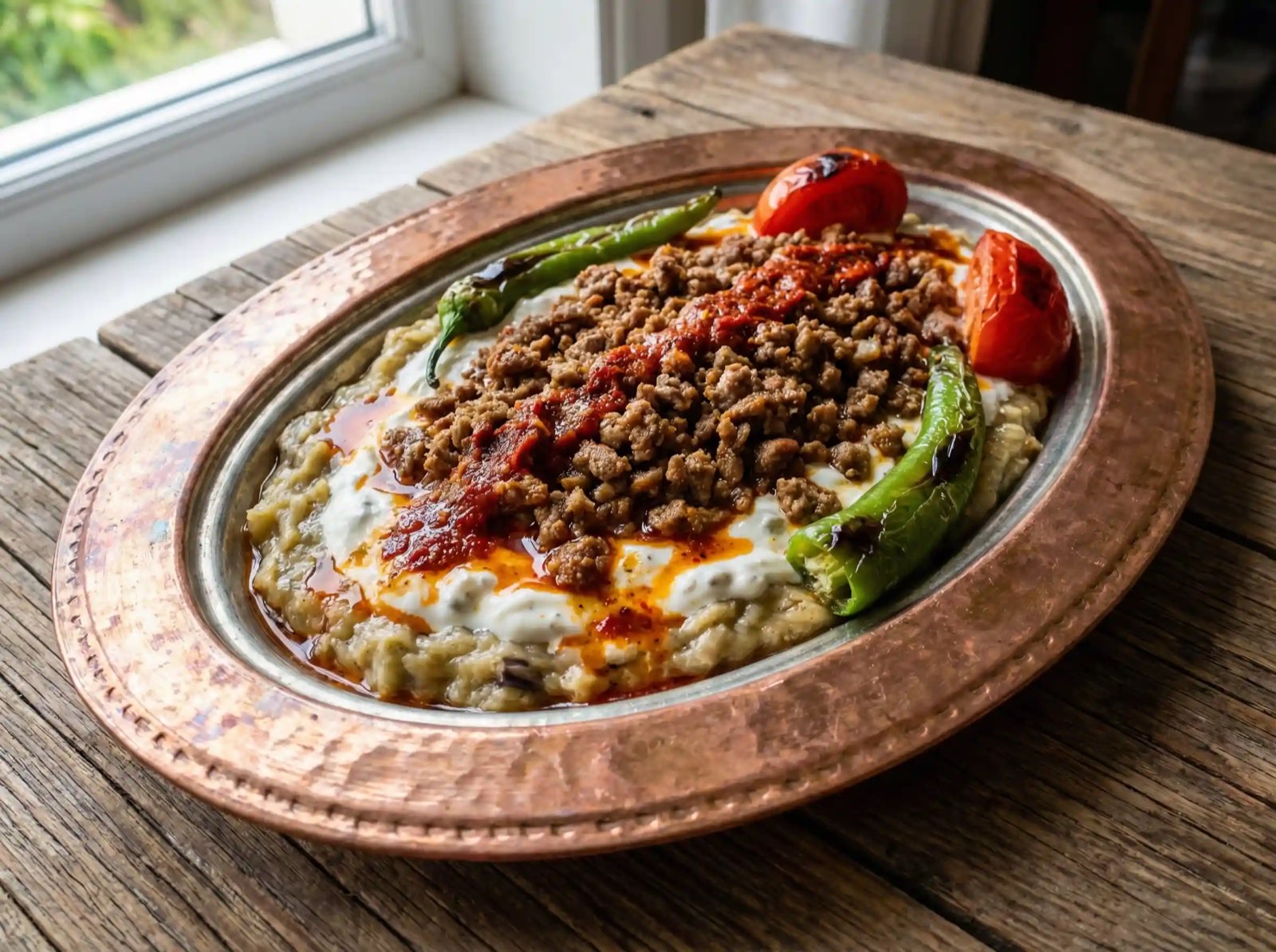
3. Eggplant Kebab: Cooking Meat and Vegetable on the Same Skewer
Eggplant Kebab
In Antep cuisine the eggplant is the chief vegetable of summer, and eggplant kebab is the most direct expression of bringing meat and vegetable together on one skewer. A wide, flat skewer is loaded in alternation with a slice of eggplant and a piece of spiced mince; thanks to this arrangement, the meat and the eggplant cook in each other's juices. The fat dripping from the meat softens the eggplant, and the smoky taste of the eggplant passes into the meat. Because eggplant is called "balcan" in the local dialect, in Gaziantep the kebab is often known as balcan kebab as well.
The mince here is kept plain: seasoned with only salt and black pepper, it takes no onion or garlic — the aim is to bring out the taste of the meat and the smoky sweetness of the eggplant. Firm-fleshed local eggplants such as the Nizip eggplant are ideal for this kebab. There are versions cooked both on the skewer over charcoal and baked in a tray in the oven. This is not an expensive meat feast but a summer-table solution that cleverly balances the meat with a seasonal vegetable; you can find all the details on our eggplant kebab page.
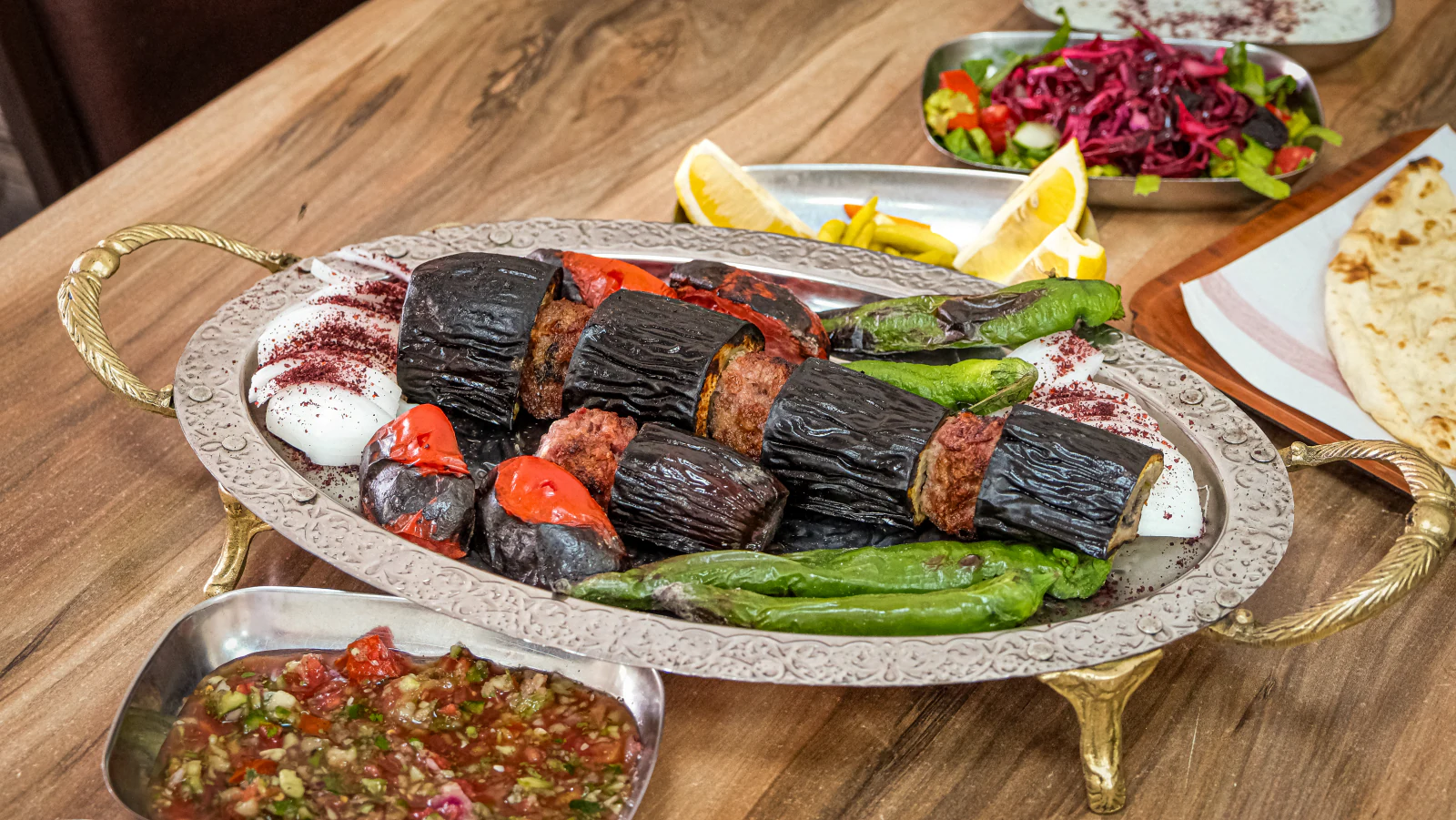
4. Onion Kebab: The Sweet-Sour Patience of Pomegranate Molasses
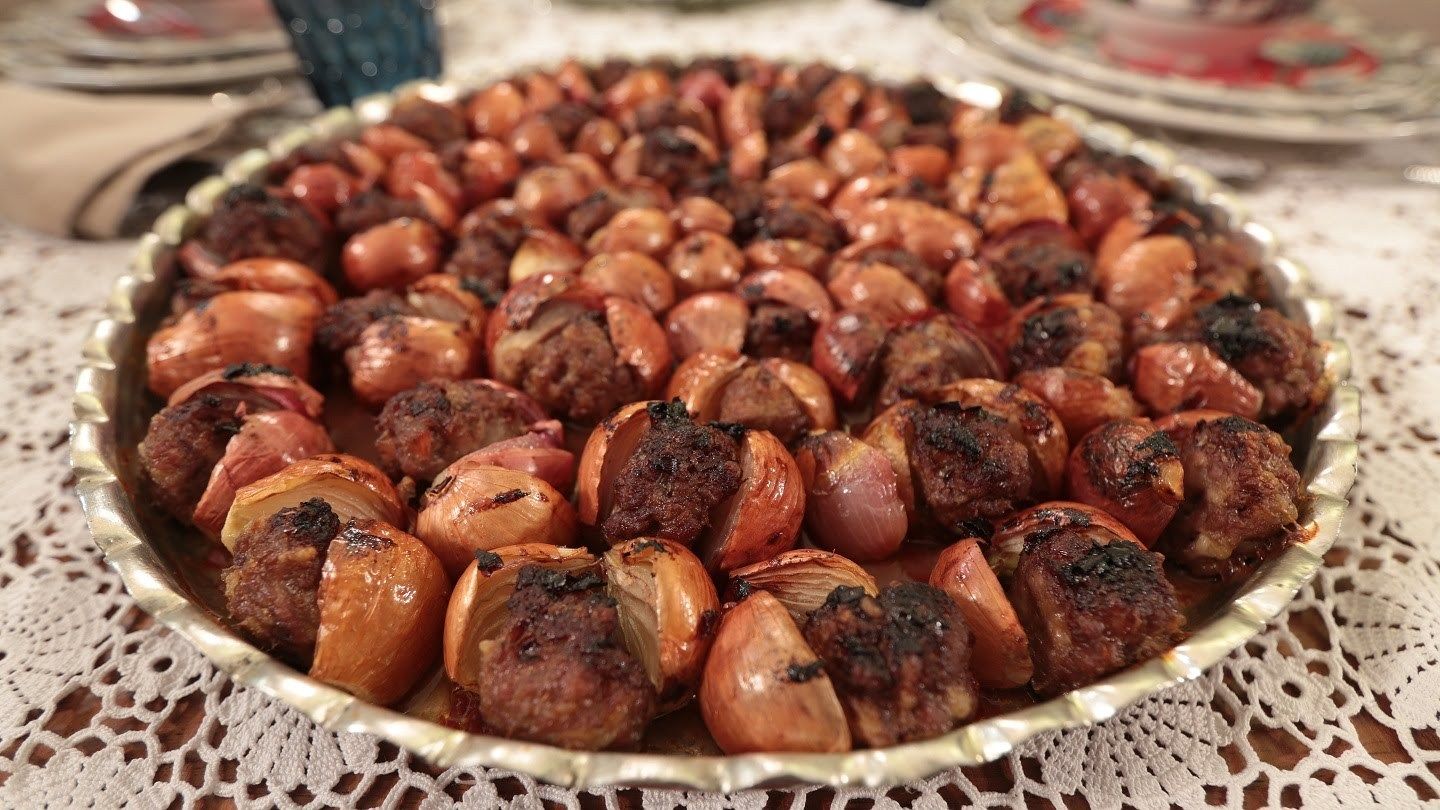
Onion Kebab
Onion kebab is a dish of the slow fire, particular to Antep's winter months. Contrary to what its name suggests, the onion here is not a garnish but the very body of the dish: small shallots are opened up so that mince can be tucked inside, first seared on skewers over charcoal, then transferred to a copper tray and left to steep in the oven over a slow fire. During this patient cooking the sharpness of the onion fades and turns to an almost caramelized sweetness.
The decisive element that sets the Antep style apart from the other onion kebabs of the Southeast is pomegranate molasses. A syrup of pomegranate molasses thinned with water is drizzled over the kebab, and as it steeps the tartness works its way into the onion and the meat; the sweetness of the onion, the fat of the meat and the tartness of the pomegranate are balanced on the same plate. Wiping up the dark pomegranate-tinged sauce that collects at the bottom of the plate with bread is an inseparable part of the dish. When geographically indicated products such as Oğuzeli pomegranate molasses are used in the region, the aroma of the sauce grows noticeably richer. We covered the slow-fire technique of this seasonal kebab and its registration process on our onion kebab page.
5. Liver Kebab (Cağırtlak): A Morning Ritual at the Embers
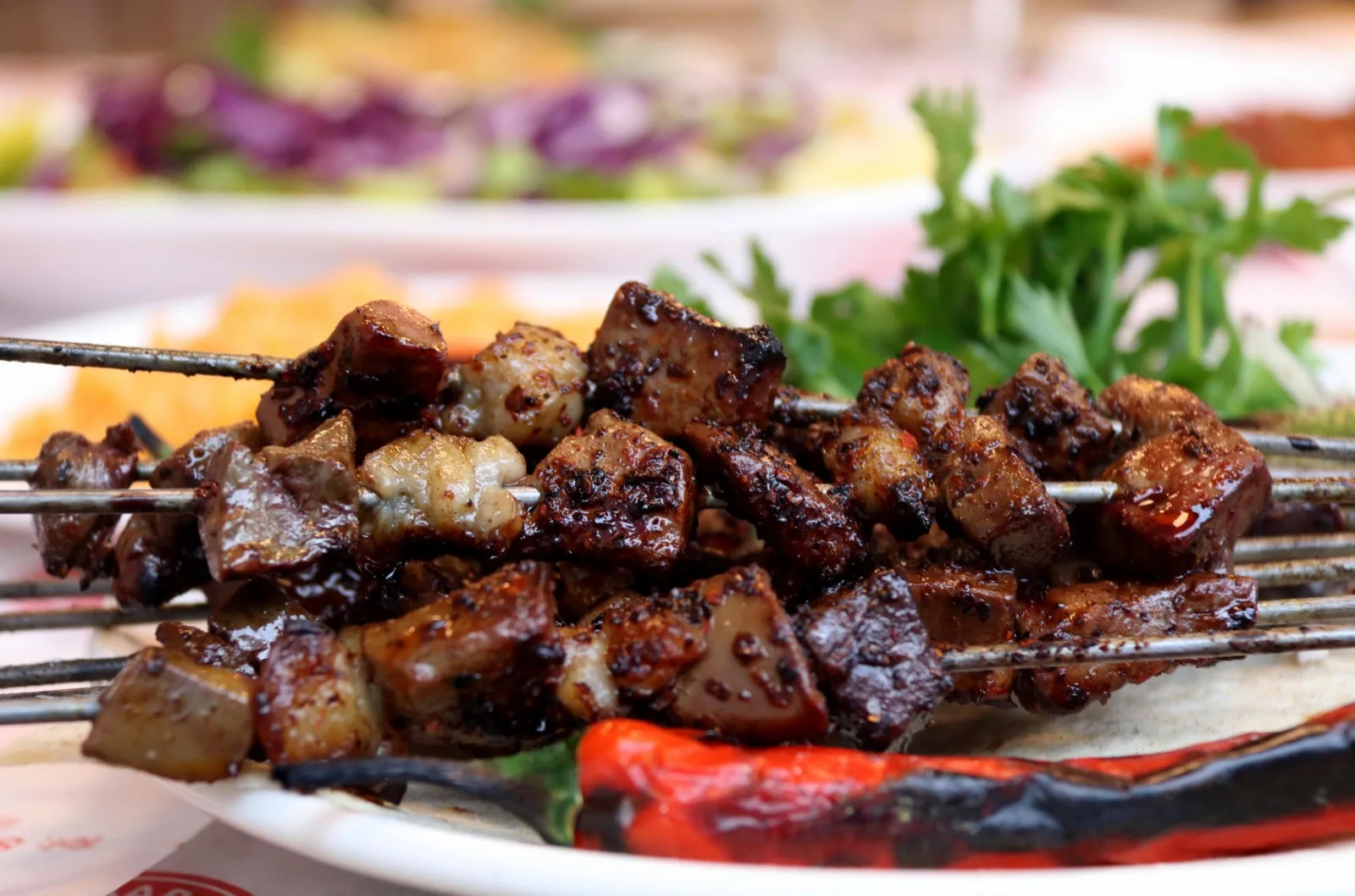
Liver Kebab (Cağırtlak)
The most different kebab on our list is not a dinner but a breakfast kebab. Liver kebab — known locally as cağırtlak or cartlak — is, contrary to common belief, not made of liver alone. The lamb's liver, heart, lung and kidney, together with tail fat, are threaded onto thin liver skewers (tike şişi) without any prior marinating and cooked over the embers. The official geographical-indication registration document defines these four kinds of offal together as well; cağırtlak is a layered whole of offal in which different internal organs are balanced with tail fat.
The heart of the technique lies in managing the "spent embers": over embers whose flame has died but whose heat remains, the skewers are turned constantly and cooked quickly in a short time. Liver left too long over low heat loses its juices and turns tough; the tail fat, meanwhile, moistens the offal as it melts. Salt is added at the end of cooking, together with cumin and sumac, so as not to toughen the texture. You can read about the tradesman's past and the morning ritual of cağırtlak — which received Geographical Indication registration (Mahreç İşareti) from TÜRKPATENT in 2021 — on our liver kebab page. Along with dishes such as beyran (a fiery, garlicky lamb-and-rice soup) that share the same early-hour tradition, it is part of Antep's culture of starting the day strong.
Five Kebabs, Five Different Anteps
These five kebabs show how Gaziantep exalts meat in different ways: mince enriched with pistachio, meat leaning on yogurt with charred eggplant, a kebab cooked with vegetable on the same skewer, onion steeped in pomegranate molasses, and offal cooked at the embers. Each belongs to a different season, a different hour and a different technique. If you are charting a kebab route, starting the morning with cağırtlak and moving on to eggplant or pistachio kebab in summer and onion kebab in winter carries the city's culinary calendar to the palate in a single trip.
Antep cuisine is of course not limited to kebab. If you are curious about meat-free flavors, take a look at our article on vegetarian Gaziantep flavors, and if you would like to explore the world of sweets beyond baklava, our guide to Antep desserts beyond baklava. And for the whole of our kebab selection, our kebabs page awaits you.
Frequently Asked Questions
What are Gaziantep's best-known kebab varieties?
Pistachio kebab, ali nazik, eggplant kebab, onion kebab and liver kebab (cağırtlak) are among the signature kebabs that represent the city's kebab culture through their different techniques.
What sets pistachio kebab apart from other kebabs?
It is the use of coarsely chopped Antep pistachios not as a decoration but as a core meat component that goes into the mince mixture; this gives the kebab a rich, faintly sweet aroma.
Does Ali Nazik kebab have a geographical indication?
Yes. It was registered as a Geographical Indication (Mahreç İşareti) by TÜRKPATENT in 2021 under the name "Gaziantep Alenaziği / Antep Alenaziği."
What makes the Antep-style onion kebab different?
It is the pomegranate molasses. By adding a tart, fruity depth that balances the sweetness of the onion and the fat of the meat, it gives the kebab its character unique to Antep.
Is cağırtlak only liver?
No. Cağırtlak is an offal kebab that combines heart, lung and kidney alongside the liver, together with tail fat, and it is eaten in the morning.
What is Gaziantep kebab served with?
It is usually served with charred tomatoes and peppers, plenty of yufka or pide bread, sumac-dressed onion and parsley, and ayran alongside — or şalgam juice in winter.