There is a phrase you hear again and again in front of Gaziantep's name: "UNESCO City of Gastronomy." It sounds appealing, but it is not a tourism slogan; it is an international designation. So what exactly does it mean, why and how did Gaziantep earn the title, and what did it bring to the city? In this article, we explain it step by step, backed by verified facts.
In short: Gaziantep was admitted to the UNESCO Creative Cities Network in the field of gastronomy in 2015. This was a global acknowledgment that the city's cuisine rests not on a single flavor but on an entire culture of production, cooking, and gathering at the table. Below, we unpack every part of that sentence, one piece at a time.
What Is the UNESCO Creative Cities Network?
The UNESCO Creative Cities Network (Creative Cities Network) is an international program established in 2004. Its aim is to bring together cities that place creativity at the heart of sustainable urban development and to encourage the exchange of experience among them. The network evaluates cities in one of seven creative fields: crafts and folk art, design, film, gastronomy, literature, media arts, and music.
A city's admission to this network cannot be explained simply by being "good" in the relevant field. The assessment looks at how deeply that field is rooted in the city's identity, economy, and daily life; whether the heritage is being passed on to future generations; and whether the city is willing to share this accumulated knowledge with others. In other words, what matters is not only the quality of the flavor, but the fact that this flavor has become a way of life.
When and in Which Field Was Gaziantep Admitted?
Gaziantep was included in the network in December 2015, in the field of gastronomy. That date was the tangible reward for the city's long-standing effort to introduce its culinary heritage to the world and pass it on to future generations. Gaziantep also stands out as the first city in Türkiye to join the network in gastronomy; in the years that followed, other cities in Türkiye joined the network in different fields as well.
The key word here is "gastronomy." Because Gaziantep is not merely a city with good food; it is one of those rare places where cuisine sits at the very center of the city's identity. Here, food ceases to be a matter of mere sustenance and becomes a cultural language where production, trade, craftsmanship, hospitality, and belonging all meet.
Why Was Gaziantep Named a UNESCO City of Gastronomy?
There is not a single reason behind this title, but several strong, mutually reinforcing foundations. Consider them all together and it becomes clear why Gaziantep stood out.
Culinary diversity
Antep cuisine has a vast repertoire made up of hundreds of different dishes. From varieties of kebab to stews, from pastries to desserts, from soups to pickles, this diversity is far too rich to be summed up by a single "signature dish." The city's position on the Silk Road brought the flavors of many different cultures here over the centuries; passed down from one generation to the next, this accumulated knowledge shaped the layered cuisine we know today.
A wealth of geographical indications
Gaziantep is among the leading cities in Türkiye in terms of the number of products registered with a geographical indication. A geographical indication is an official form of protection certifying that a product belongs to a specific region and possesses qualities distinctive to that region. From Antep baklava to beyran, from katmer to Antep pistachios, many flavors fall under this registration; this abundance therefore shows that the cuisine's authenticity is not merely a claim but a documented fact.
A culture of production and the table
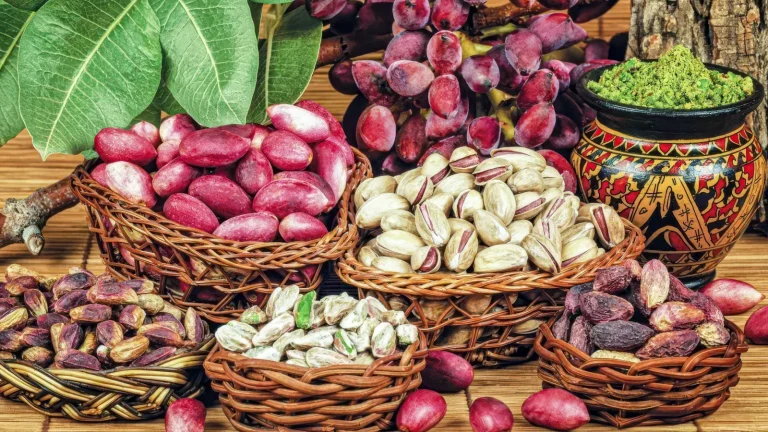
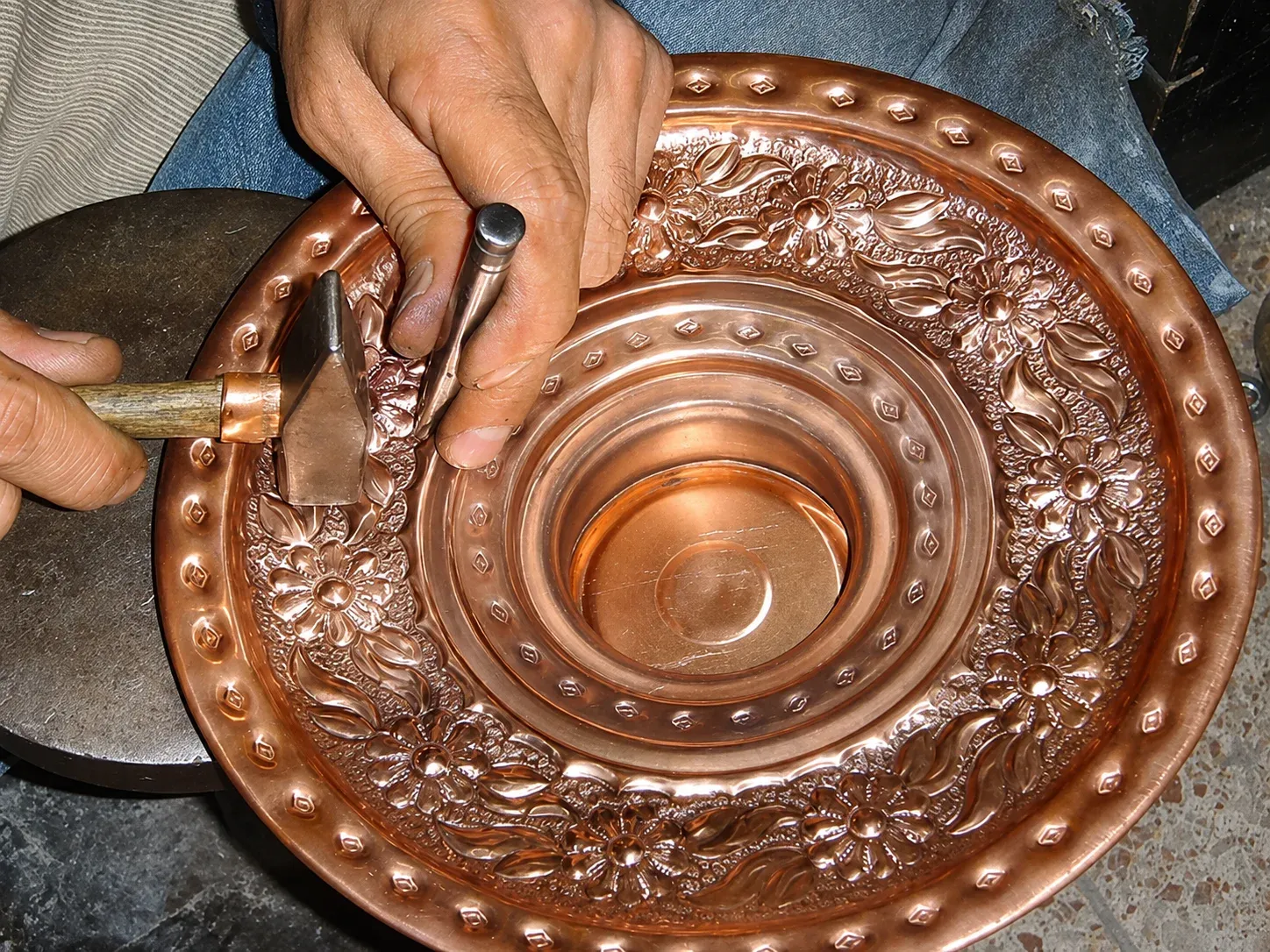
In Gaziantep, gastronomy begins long before the plate. The production of staple goods such as Antep pistachios, bulgur, pepper paste, dried vegetables, and spices holds an important place in the city's economy and daily life. Even the coffee pots, trays, and cauldrons hammered out in the Coppersmiths' Bazaar are part of this culinary culture. UNESCO's criterion that "a field must take root in the city" finds its exact match in Gaziantep: food is an entire chain that stretches from production all the way to the table.
The Dishes That Symbolize the Title
A few dishes in particular represent this identity as a city of gastronomy. They stand out both for holding official registrations and for reflecting the very spirit of the Antep table.
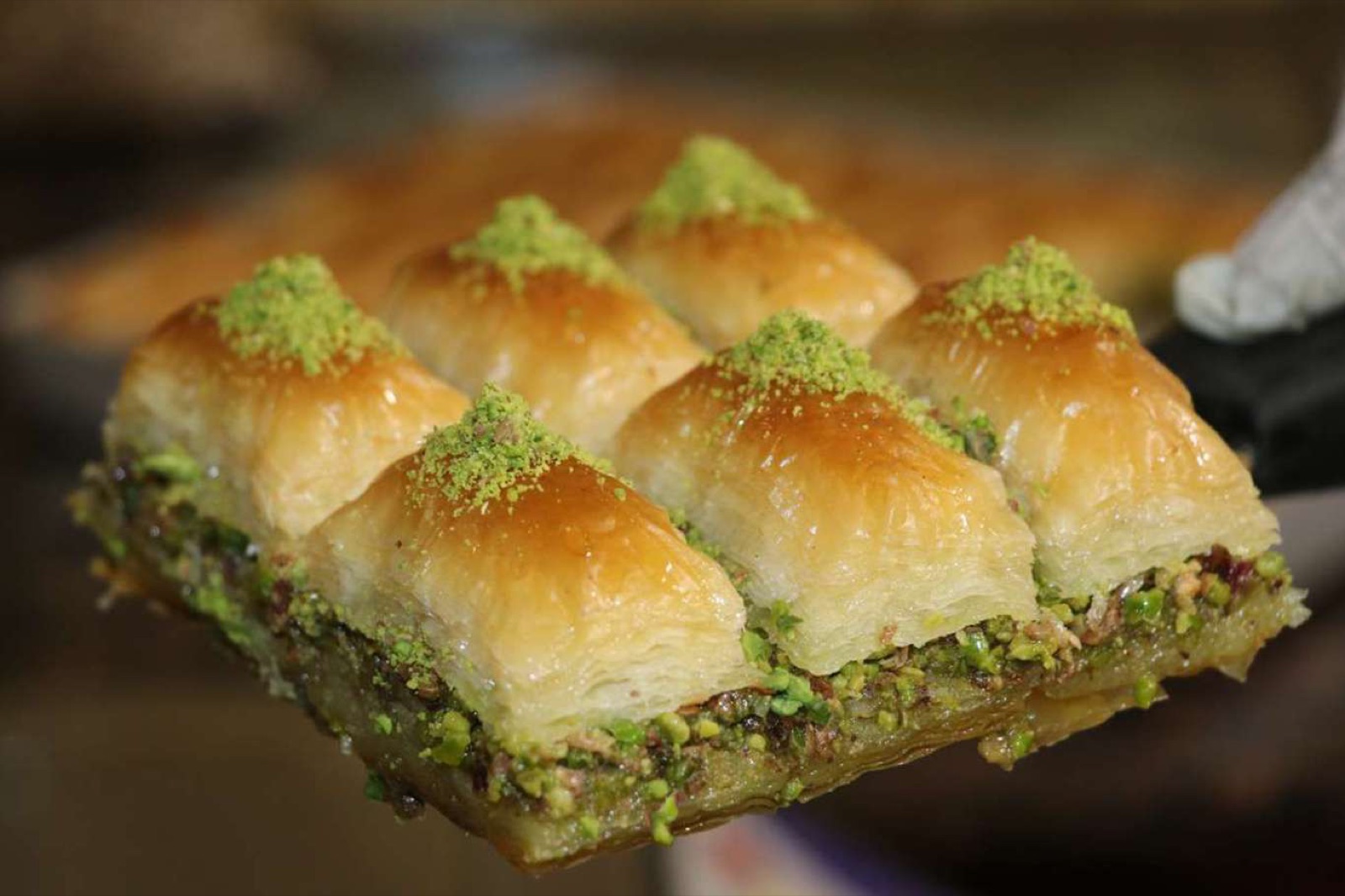
Antep baklava is perhaps the best-known symbol of this identity. With its paper-thin layers of dough rolled out one by one, the generous scattering of Antep pistachios between them, and its balanced syrup, baklava is not merely a dessert but a demonstration of mastery. Antep baklava also holds a special place as the first Turkish product to receive a geographical indication registration in the European Union. You can explore the finer points and story of Antep baklava more closely in our gastronomy section.
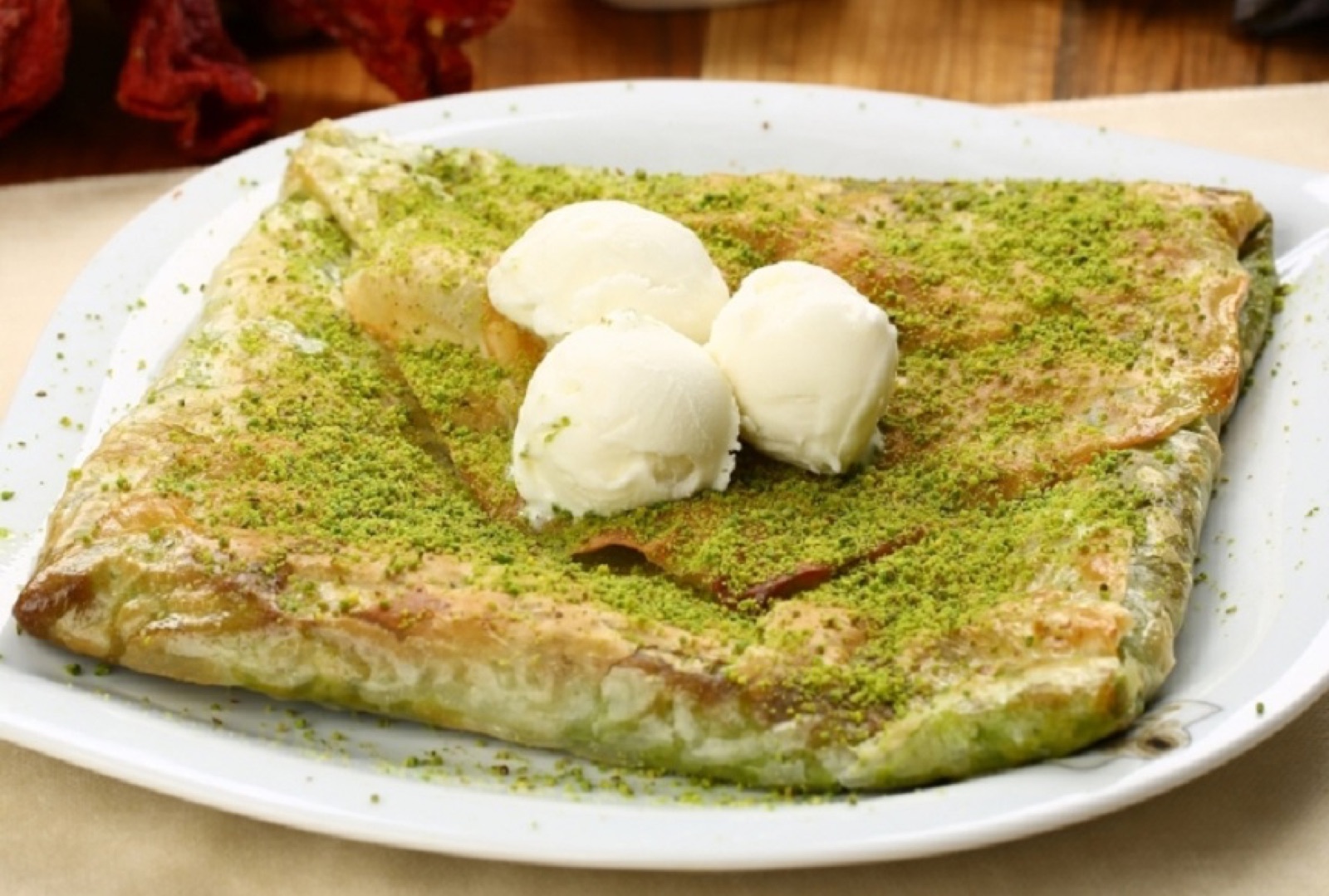
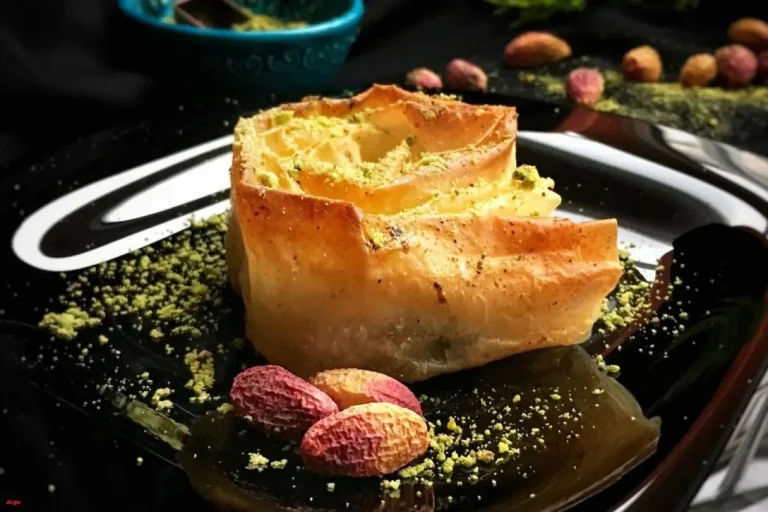
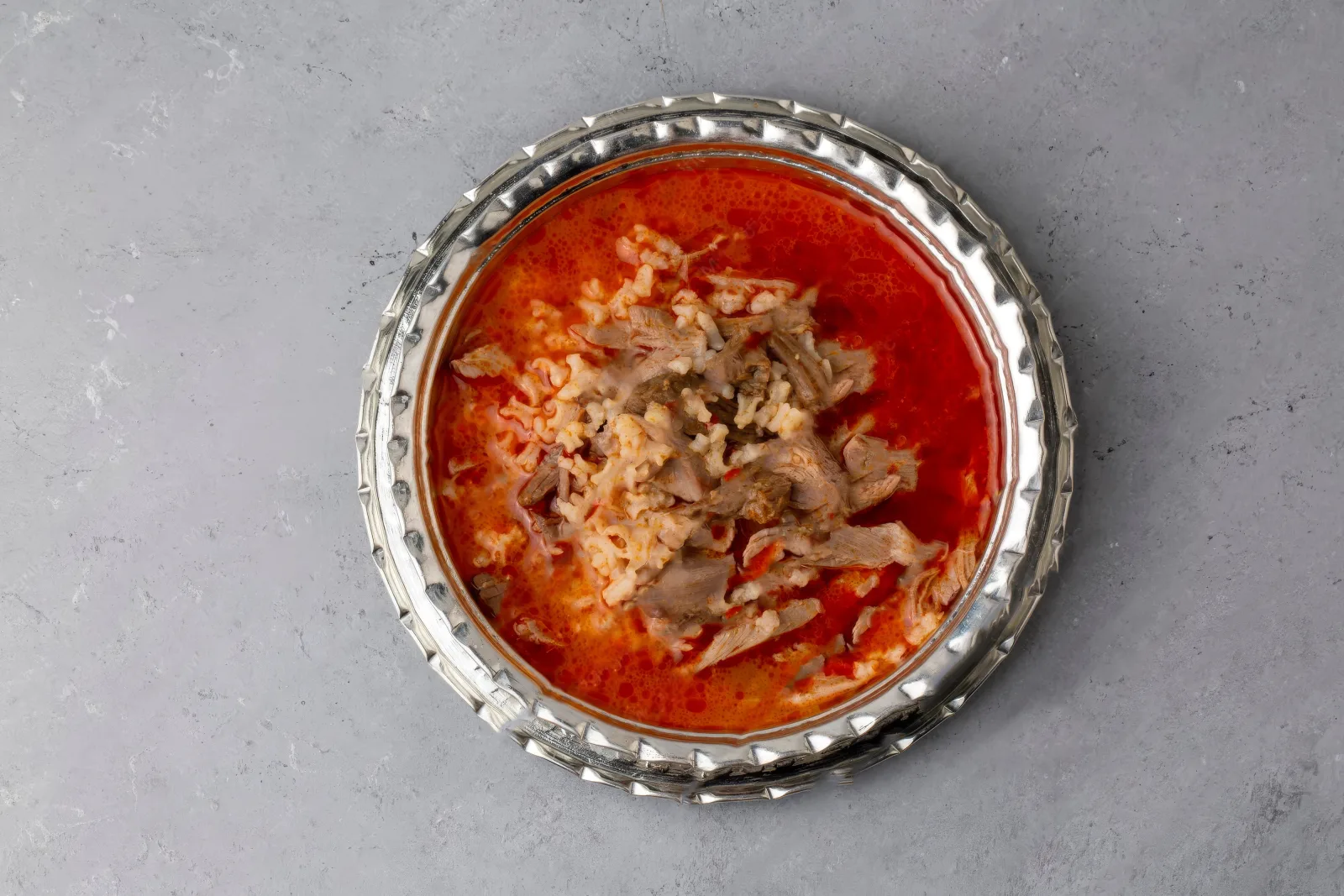
Beyran is Antep's morning ritual. Prepared with lamb, rice, garlic, and red pepper and brimming with meat broth, this regional dish is traditionally eaten in the early hours of the day and carries a geographical indication registration. Katmer, meanwhile, is another registered pastry, cooked by placing Antep pistachios and kaymak between thinly rolled layers of dough and often eaten like a breakfast dessert. When these three flavors come together, it becomes self-evident why Antep cuisine cannot be captured by a single dish.
The Title's Impact on the City
For Gaziantep, the UNESCO City of Gastronomy title was not a finish line but a responsibility. This recognition made the city's efforts to protect, document, and share its culinary heritage with the world more visible; gastronomy-themed events, festivals, and cultural exchanges grew even stronger around this identity. By sharing experience with the other cities of gastronomy in the network, the city found the opportunity both to showcase its own cuisine and to learn from other traditions.
Most importantly, this title positioned Antep cuisine as a "heritage." That is, the aim is not merely to praise today's table, but to pass this accumulated knowledge on to future generations intact. If you are curious about the origins of Antep cuisine and how it came to be what it is, you can take a look at our article on the history of Gaziantep cuisine.
The memory of the cuisine: the Emine Göğüş Cuisine Museum
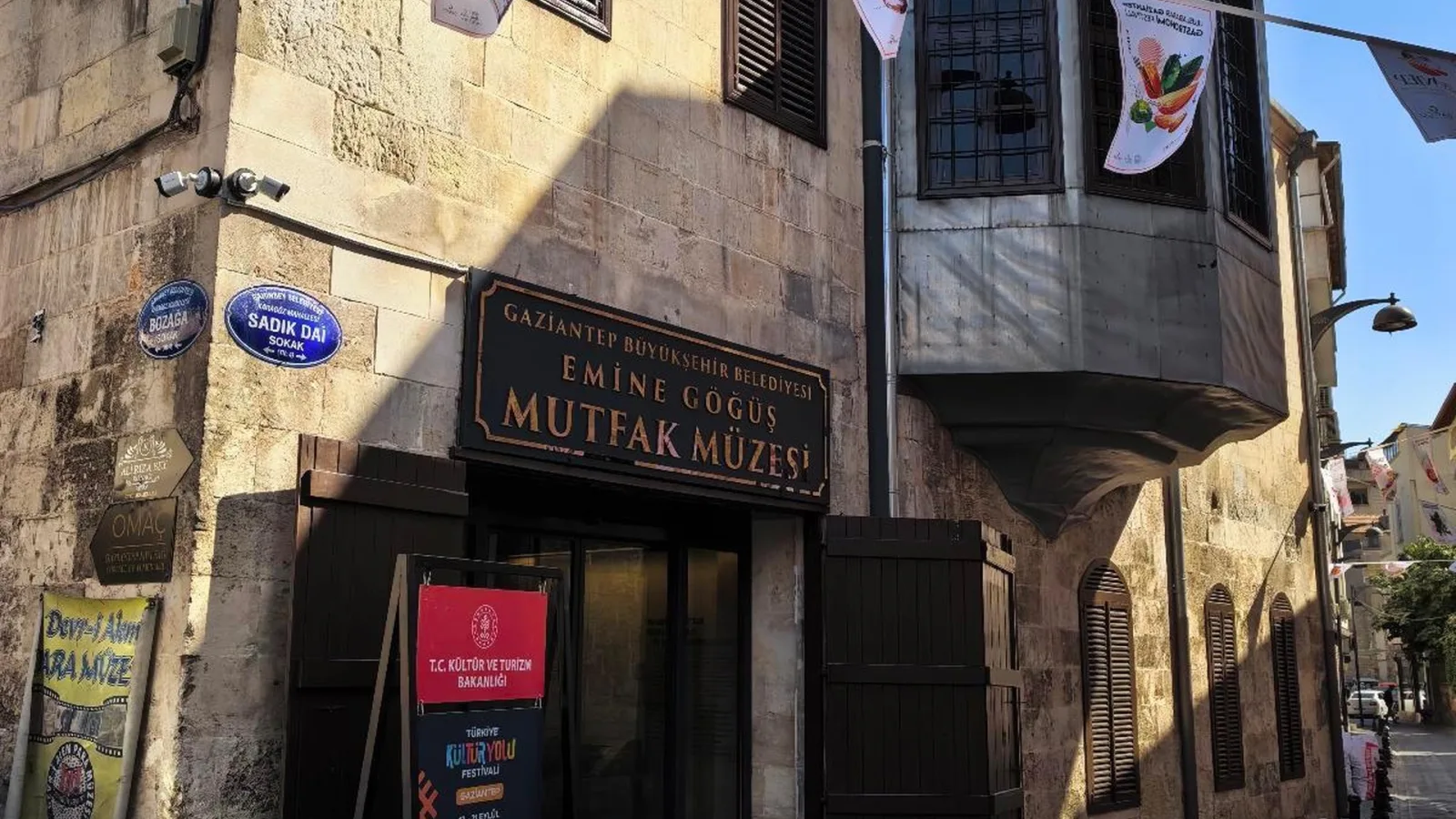
The place where you see a city's gastronomic identity most concretely is often a museum. In Gaziantep, this role is played by the Emine Göğüş Cuisine Museum, known as the first cuisine museum in Türkiye. Housed in a traditional Antep mansion dating from the early 20th century, it displays the tools and utensils of the regional cuisine, its cooking techniques, and its culture of the table. It is one of the best stops for understanding, on the spot, why the city of gastronomy carries this title.
After touring the cuisine museum, if you would like to spend a day immersed in gastronomy in the city's historic center, our 48 Hours in Gaziantep guide can point the way. And to take in the full breadth of the city's cultural richness, our culture section is a good starting point.
Frequently Asked Questions
When did Gaziantep become a UNESCO City of Gastronomy?
Gaziantep was admitted to the UNESCO Creative Cities Network in the field of gastronomy in December 2015. This means the city's culinary heritage received international recognition.
What is the UNESCO Creative Cities Network?
It is an international program established in 2004 that brings together cities placing creativity at the heart of urban development. It evaluates cities in one of seven fields: crafts, design, film, gastronomy, literature, media arts, and music.
Why was Gaziantep chosen in the field of gastronomy?
Because of its culinary diversity, the wealth of its products registered with geographical indications, and its strong culture of production and the table, ranging from pistachios to spices. In Gaziantep, gastronomy is a way of life that stretches from production to the table and stands at the center of the city's identity.
Which dishes symbolize this title?
Antep baklava, beyran, and katmer are the standout symbols. All three carry geographical indication registrations; Antep baklava also holds a distinct significance as the first Turkish product to receive a geographical indication registration in the European Union.
Why is Antep baklava's European Union registration important?
Antep baklava is the first Turkish product to receive a geographical indication registration within the European Union. This registration protects baklava's qualities distinctive to Gaziantep at an international level and strengthens the city's gastronomic identity.
Where should I visit to get to know Gaziantep cuisine firsthand?
The Emine Göğüş Cuisine Museum, the first cuisine museum in Türkiye, is one of the best stops to see the tools and utensils, cooking techniques, and table culture of Antep cuisine. For a day immersed in gastronomy in the historic center, the 48 Hours in Gaziantep guide also points the way.