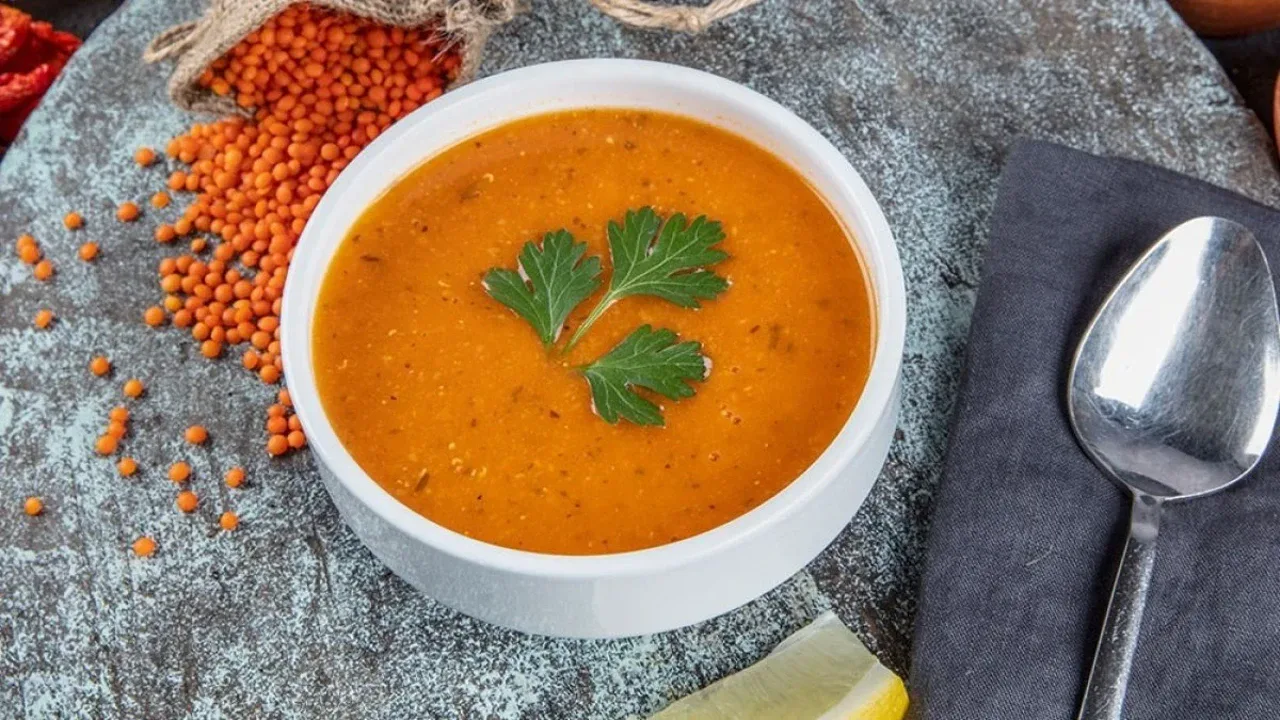
In all 81 provinces of Türkiye, in Turkish restaurants in many countries around the world, and at our own family tables, there is one soup we come across again and again: Ezogelin.
So how many people know that Ezo Gelin ("Ezo the Bride"), the woman who gave her name to such a well-known soup, was from Gaziantep?
Who Was Ezo Gelin?
Ezo Gelin's real name was Zöhre. She was born in 1909 in the village of Uruş, today the Dokuzyol neighborhood of Gaziantep's Oğuzeli district.
Her life was far from easy. Her first marriage was short-lived; in 1936, through her second marriage, she moved to Syria as a bride. She lived far from her homeland and, according to most accounts, died of tuberculosis in 1956. In 1999, her grave was moved to the village where she was born.
Folk songs were written about her, and films were made bearing her name. Today, one of the most important things keeping her name alive is the ezogelin soup we all know.
From Gaziantep to Türkiye, from Türkiye to the World
In Gaziantep, red lentils are called malhıta. The lentil soup with bulgur and rice that we now know as ezogelin is likewise known as malhıta in Gaziantep and the surrounding region.
It was only after the folk songs written about Ezo Gelin and the first film bearing her name that the soup came to be widely called after her. Over time, it became known by that name in every corner of Türkiye.
In 2020, the name "Ezo Gelin Çorbası" was registered as a traditional product name by the Turkish Patent and Trademark Office (TÜRKPATENT), following an application by Oğuzeli Municipality.
One of Gaziantep's Key Gastronomic Brands
Gaziantep is a city known worldwide for its cuisine and a member of the UNESCO Creative Cities Network in the field of gastronomy.
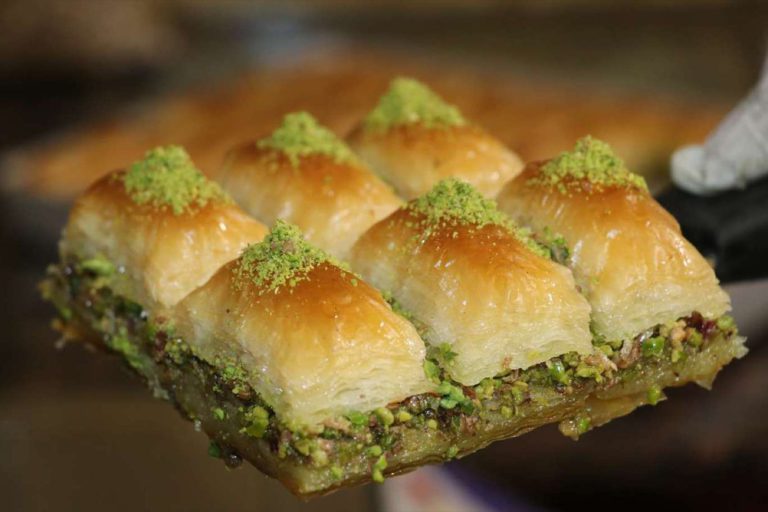
We have baklava, kebabs, beyran and many more dishes. Ezogelin soup, however, has something that sets it apart from them: it takes its name directly from a woman from Gaziantep.
That name is known in almost every corner of Türkiye. On the menus of Turkish restaurants in countries around the world, it usually appears under the same name, too: "Ezogelin."
I believe there is an important point here that deserves our attention.
Ezogelin soup is one of the most widespread and best-known names in Gaziantep cuisine. Even so, its connection to our city is not widely enough known.
Yet this name fits perfectly with our city's culinary identity. It shows how strong Gaziantep is, not only through its local dishes but also through the names it has given to the shared table culture of Türkiye.
That is why I see ezogelin soup as one of Gaziantep's key gastronomic brands.
More Than a Soup
How wonderful it would be if anyone ordering ezogelin soup anywhere in the world today knew that the name belongs to a woman born in Gaziantep's Oğuzeli district.
As we introduce Gaziantep's gastronomy to the world, I believe we need to say more about how such a widely known name is connected to our city.
Because promoting Gaziantep does not always require creating a new name. Sometimes it is enough to tell the Gaziantep story behind a name that everyone has known for years.
Ezogelin soup is one of the finest examples of this.
Frequently Asked Questions
Who was Ezo Gelin?
Ezo Gelin, whose real name was Zöhre, was born in 1909 in the village of Uruş (today Dokuzyol), now part of Oğuzeli. She moved to Syria through marriage in 1936 and, according to most accounts, died there in 1956.
Where does ezogelin soup get its name?
It is named after Ezo Gelin. The soup came to be called by her name after the folk songs about her and the first film bearing her name; no document confirms that she cooked it.
Is ezogelin soup registered?
Yes. The name "Ezo Gelin Çorbası" was registered as a traditional product name by the Turkish Patent and Trademark Office in 2020, following an application by Oğuzeli Municipality.
What does malhıta mean?
In the Gaziantep dialect, red lentils are called malhıta. The soup known today as ezogelin is also called by this name locally.